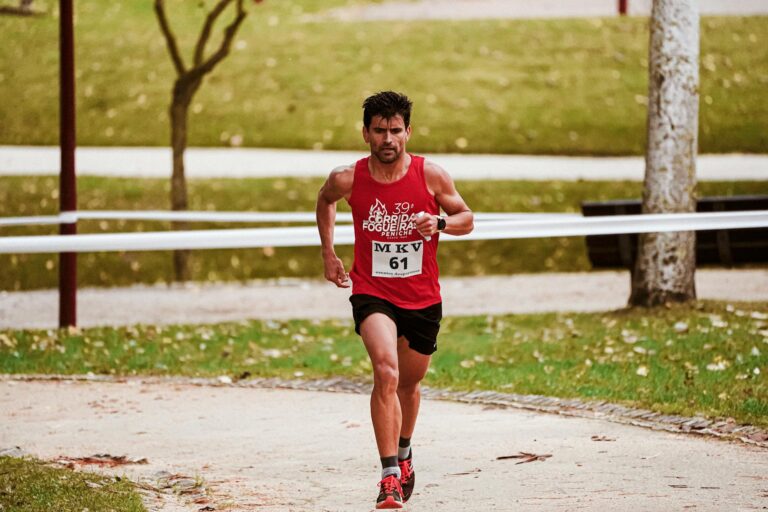
Understanding why safe cardio stops working as you get older represents one of the most frustrating realizations for dedicated runners and fitness enthusiasts who have maintained consistent training habits for years or even decades. The same steady-state jog that once melted away excess weight and boosted energy levels gradually loses its effectiveness, leaving many athletes confused about why their bodies no longer respond to workouts that previously delivered reliable results. This phenomenon affects virtually everyone who exercises regularly, yet remains poorly understood by the general fitness community. The problem manifests in several recognizable ways. Weight loss stalls despite maintaining the same running schedule.
Recovery times lengthen noticeably. The cardiovascular improvements that once came easily now require significantly more effort to achieve. Many runners respond to these changes by simply doing more of what worked before, running longer distances or adding extra sessions, only to find that this approach leads to overtraining, injury, or burnout rather than renewed progress. By the end of this article, readers will understand the specific physiological mechanisms that cause traditional cardio to lose effectiveness with age, the role of metabolic adaptation in diminishing returns, and most importantly, evidence-based strategies for modifying training approaches to continue making progress throughout the lifespan. The goal is not to suggest that cardio becomes useless, quite the opposite, but rather to explain why intelligent modifications become essential for maintaining and improving fitness as the decades accumulate.
Table of Contents
- Why Does Safe Cardio Become Less Effective As You Age?
- The Metabolic Slowdown and Cardio Efficiency Paradox
- How Muscle Loss Undermines Cardiovascular Training Results
- Strategies for Making Cardio Effective Again As You Age
- Common Mistakes Older Athletes Make With Cardiovascular Training
- The Role of Recovery and Hormones in Training Response
- How to Prepare
- How to Apply This
- Expert Tips
- Conclusion
- Frequently Asked Questions
Why Does Safe Cardio Become Less Effective As You Age?
The primary reason safe cardio stops delivering results relates to a process called metabolic adaptation, combined with age-related changes in hormone production, muscle mass, and cellular function. When you first begin a cardio program, your body treats the new stress as a significant challenge requiring substantial energy expenditure and physiological adjustment. Over time, however, your cardiovascular system becomes remarkably efficient at performing the same tasks with less effort and fewer calories burned.
Research published in the Journal of Applied Physiology demonstrates that trained individuals can perform identical workouts while burning 15 to 25 percent fewer calories than they did when first starting that same routine. This efficiency, while representing a genuine fitness adaptation, works against body composition and performance goals when the training stimulus remains unchanged year after year. Age compounds these issues through several mechanisms:.
- Sarcopenia, the gradual loss of muscle mass, reduces basal metabolic rate by approximately 3 to 8 percent per decade after age 30, meaning the body burns fewer calories at rest regardless of exercise habits.
- Declining levels of testosterone, estrogen, and growth hormone reduce the body’s ability to build and maintain lean tissue while simultaneously making fat storage more likely, particularly around the midsection.
- Mitochondrial function decreases with age, reducing the cellular structures responsible for converting nutrients into usable energy, which affects both exercise capacity and recovery ability.

The Metabolic Slowdown and Cardio Efficiency Paradox
The relationship between cardiovascular efficiency and caloric expenditure creates what researchers sometimes call the efficiency paradox. Elite endurance athletes, despite running extraordinarily high volumes, often struggle with body composition because their bodies have become supremely efficient at performing their sport. The same principle applies to recreational runners on a smaller scale, particularly as advancing age reduces the metabolic buffer that once compensated for this efficiency.
A study conducted at Pontzer’s lab at Duke University examining energy expenditure across diverse populations found that moderate activity levels showed the expected caloric increases, but beyond a certain point, the body appears to compensate by reducing energy expenditure elsewhere. This constrained total energy expenditure model suggests that simply adding more cardio does not produce proportional increases in calories burned. The practical implications for aging athletes are significant:.
- The comfortable pace that once represented a meaningful training stimulus eventually becomes little more than active recovery.
- Heart rate zones shift with age, meaning the same perceived effort corresponds to different physiological demands than it did years earlier.
- The body prioritizes efficiency and conservation as a survival mechanism, treating steady predictable exercise as routine activity rather than a stimulus requiring adaptation.
How Muscle Loss Undermines Cardiovascular Training Results
Muscle tissue serves as metabolically active tissue that burns calories even at rest, making it essential for maintaining healthy body composition and metabolic function. Unfortunately, adults lose approximately 1 percent of their muscle mass annually after age 40 if they do not actively work to preserve it. Traditional steady-state cardio, while excellent for cardiovascular health, does little to prevent this loss and may actually accelerate it under certain conditions.
When cardio constitutes the sole or primary form of exercise, the body receives little stimulus to maintain muscle tissue beyond what is necessary for the specific activity performed. Distance running, cycling, and similar activities predominantly develop slow-twitch muscle fibers while potentially neglecting fast-twitch fibers that contribute significantly to strength, power, and metabolic rate. Over years and decades, this imbalance results in a progressively lower basal metabolic rate that makes weight management increasingly difficult.
- Muscle tissue burns approximately 6 calories per pound per day at rest, compared to 2 calories per pound for fat tissue.
- Preserving just 5 pounds of muscle mass over a decade represents a difference of roughly 7,000 calories annually at rest alone.
- Hormonal changes that accompany aging make building new muscle more challenging, placing additional emphasis on preservation strategies.

Strategies for Making Cardio Effective Again As You Age
Restoring the effectiveness of cardiovascular training requires strategic modifications rather than simply increasing volume or frequency. The most evidence-supported approach involves incorporating variety, intensity manipulation, and complementary training modalities that address the specific adaptations causing diminishing returns. High-intensity interval training represents one of the most powerful tools for aging athletes precisely because it disrupts the efficiency adaptations that undermine steady-state cardio.
Research comparing HIIT to moderate continuous training in older adults consistently shows superior results for metabolic markers, cardiovascular fitness, and body composition despite requiring less total training time. The key lies in the novel stimulus that intervals provide, forcing physiological adaptations that comfortable-pace running no longer triggers. Practical modifications for restoring cardio effectiveness include:.
- Replacing one or two weekly steady runs with interval sessions featuring alternating periods of high effort and recovery.
- Periodizing training in blocks that vary intensity, volume, and focus throughout the year rather than maintaining the same approach continuously.
- Monitoring actual heart rate during training to ensure workouts achieve intended physiological zones, which shift with age and fitness level.
- Incorporating hill work, tempo runs, and fartlek training to introduce variability that prevents complete adaptation.
Common Mistakes Older Athletes Make With Cardiovascular Training
Many dedicated runners respond to declining results by doubling down on approaches that no longer serve them, creating a cycle of diminishing returns, frustration, and potential injury. Recognizing these common mistakes allows for course correction before they lead to serious setbacks.
The most prevalent error involves interpreting reduced effectiveness as insufficient training volume. Adding miles when the body is already adapted to current training loads rarely produces the desired results and often leads to overuse injuries that become more common and slower to heal with advancing age. Connective tissues, including tendons and ligaments, lose elasticity and resilience over time, making them more susceptible to the cumulative stress of high-volume training.
- Training exclusively in moderate-intensity zones that feel challenging but remain within the body’s comfort zone produces minimal adaptation stimulus.
- Neglecting recovery, which becomes increasingly important as regenerative capacity declines, leads to accumulated fatigue that masks true fitness potential.
- Ignoring strength training based on outdated beliefs that it will impair endurance performance contradicts substantial research showing synergistic benefits.
- Following the same training plan year after year without modification fails to account for changing physiology and progressive adaptation.

The Role of Recovery and Hormones in Training Response
Recovery capacity represents one of the most significant but underappreciated factors affecting training response in older athletes. The same workout that required 24 hours of recovery at age 30 may require 48 or even 72 hours at age 50. Training without adequate recovery does not build fitness; it accumulates fatigue and stress hormones that actively impair progress.
Cortisol, the primary stress hormone, remains elevated for longer periods following intense exercise in older individuals. Chronically elevated cortisol promotes muscle breakdown, fat storage particularly in the abdominal region, and impaired immune function. Strategic recovery practices including adequate sleep, proper nutrition timing, and appropriate training periodization help manage cortisol levels while maximizing the benefits of training stress.
How to Prepare
- Establish current baseline metrics by recording resting heart rate, training heart rate at specific paces, and body composition measurements. These numbers provide objective feedback about training response and allow tracking of changes over time without relying solely on subjective feelings or scale weight.
- Evaluate your current training distribution by categorizing workouts into intensity zones. Most recreational runners discover they spend the majority of training time in moderate zones that feel productive but trigger minimal adaptation. Polarized training models suggest spending roughly 80 percent of time at low intensity with 20 percent at high intensity, avoiding the moderate middle ground.
- Assess recovery practices honestly, including sleep quality and quantity, stress management, and nutrition habits. Many athletes overlook these factors while focusing exclusively on training variables, despite their substantial impact on results.
- Identify any strength training or resistance exercise currently in your program. If none exists, recognize this as a significant gap requiring immediate attention for long-term fitness maintenance.
- Review training history for the past several years to identify patterns of progression, plateaus, or regression that reveal how your body responds to current approaches.
How to Apply This
- Implement at least two weekly sessions of resistance training targeting all major muscle groups, with particular emphasis on compound movements that develop functional strength applicable to running. Squats, deadlifts, lunges, and step-ups directly support running mechanics while building metabolically active tissue.
- Replace one weekly easy run with an interval session featuring 4 to 8 repetitions of 30 to 90 seconds at high intensity with equal or greater recovery periods. Gradually progress intensity and volume over several weeks before introducing additional interval sessions.
- Adjust recovery expectations by adding rest days or cross-training days when fatigue accumulates, recognizing that insufficient recovery undermines even the best training plan.
- Track training response through heart rate variability monitoring, morning resting heart rate, sleep quality metrics, and subjective energy levels. Declining trends in these markers indicate need for additional recovery regardless of what the training plan prescribes.
Expert Tips
- Perform truly easy runs at conversational pace, well below the moderate intensity that feels like training but triggers minimal adaptation. Most runners execute easy runs too hard, which accumulates fatigue without providing the recovery benefits of genuine easy running.
- Prioritize protein intake of 1.6 to 2.2 grams per kilogram of body weight daily, spread across multiple meals, to support muscle maintenance and repair. Protein requirements increase rather than decrease with age due to reduced efficiency of muscle protein synthesis.
- Schedule high-intensity sessions when best recovered rather than on fixed days, allowing flexibility to capitalize on days when the body is prepared for hard efforts.
- Include explosive movements like plyometrics or sprint intervals at least weekly to maintain fast-twitch muscle fibers and neuromuscular coordination that decline rapidly without specific stimulus.
- Monitor heart rate during all training sessions to ensure intended intensities are achieved, recognizing that perceived effort becomes less reliable as an intensity indicator with advancing age and accumulated fitness.
Conclusion
The realization that safe cardio stops working as effectively as it once did represents not a dead end but rather an inflection point requiring thoughtful adaptation. Understanding the mechanisms behind this phenomenon, including metabolic efficiency, muscle loss, hormonal changes, and recovery capacity, empowers athletes to make informed modifications that restore training effectiveness. The body’s tendency toward efficiency and conservation can be circumvented through strategic variety, appropriate intensity, and complementary strength training.
Cardiovascular fitness remains achievable and valuable throughout the lifespan, but the approach must evolve alongside the athlete. Those who cling rigidly to methods that worked decades earlier will find frustration and diminishing returns, while those who embrace periodization, intensity manipulation, and resistance training will continue making meaningful progress. The investment in understanding and applying these principles pays dividends not just in performance metrics but in maintaining the ability to enjoy running and cardiovascular activity for decades to come.
Frequently Asked Questions
How long does it typically take to see results?
Results vary depending on individual circumstances, but most people begin to see meaningful progress within 4-8 weeks of consistent effort. Patience and persistence are key factors in achieving lasting outcomes.
Is this approach suitable for beginners?
Yes, this approach works well for beginners when implemented gradually. Starting with the fundamentals and building up over time leads to better long-term results than trying to do everything at once.
What are the most common mistakes to avoid?
The most common mistakes include rushing the process, skipping foundational steps, and failing to track progress. Taking a methodical approach and learning from both successes and setbacks leads to better outcomes.
How can I measure my progress effectively?
Set specific, measurable goals at the outset and track relevant metrics regularly. Keep a journal or log to document your journey, and periodically review your progress against your initial objectives.
When should I seek professional help?
Consider consulting a professional if you encounter persistent challenges, need specialized expertise, or want to accelerate your progress. Professional guidance can provide valuable insights and help you avoid costly mistakes.
What resources do you recommend for further learning?
Look for reputable sources in the field, including industry publications, expert blogs, and educational courses. Joining communities of practitioners can also provide valuable peer support and knowledge sharing.