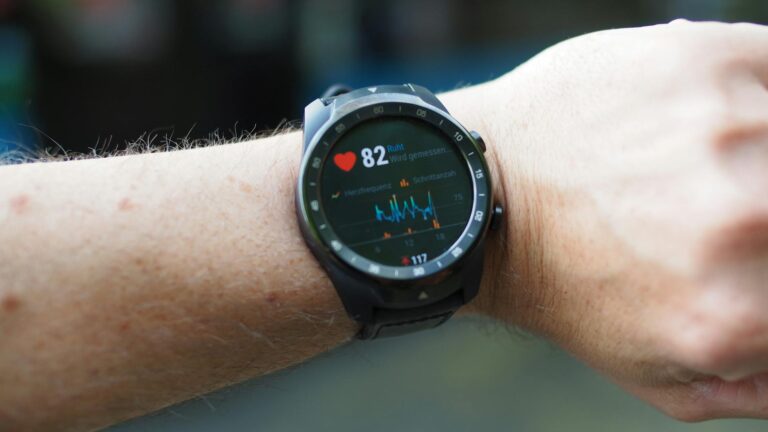
Understanding what your heart actually needs once you pass 40 marks a turning point in how you approach cardiovascular fitness, training intensity, and long-term health. The changes that occur in your cardiovascular system during your fifth decade are neither dramatic nor sudden, but they are significant enough to warrant a fundamental shift in how you think about exercise, recovery, and heart health maintenance. For runners and endurance athletes who have spent years pushing their bodies, this transition period demands attention rather than denial. The heart muscle itself undergoes measurable changes beginning in your forties.
The left ventricle, which pumps oxygenated blood throughout your body, becomes slightly stiffer and less compliant. Your maximum heart rate decreases by roughly one beat per minute each year, a decline that affects training zones and perceived exertion. Blood vessels lose some elasticity, and the electrical system that regulates your heartbeat may develop minor irregularities. These changes happen to everyone, regardless of fitness level, though the rate and impact vary considerably based on lifestyle factors, genetics, and accumulated cardiovascular conditioning. This article addresses the specific questions that runners and fitness enthusiasts face as they navigate middle age: How should training change? What symptoms deserve medical attention versus normal aging? Which lifestyle modifications actually make a difference? By the end, you will have a clear understanding of the physiological changes occurring in your cardiovascular system, evidence-based strategies for maintaining and even improving heart function, and practical guidance for adjusting your running routine to support rather than strain your aging heart.
Table of Contents
- What Changes Does Your Heart Experience After You Pass 40?
- How Cardiovascular Fitness Protects the Aging Heart
- Understanding Heart Rate Changes and Training Zones After 40
- Practical Nutrition Strategies for Heart Health Past 40
- Recognizing Warning Signs and Knowing When to Seek Medical Attention
- The Role of Sleep and Stress in Cardiovascular Health After 40
- How to Prepare
- How to Apply This
- Expert Tips
- Conclusion
- Frequently Asked Questions
What Changes Does Your Heart Experience After You Pass 40?
The cardiovascular system at 40 differs meaningfully from its 25-year-old counterpart, even in highly trained individuals. Cardiac output, the volume of blood your heart pumps per minute, begins a gradual decline of approximately one percent annually. This reduction stems from two factors: a lower maximum heart rate ceiling and subtle decreases in stroke volume during peak exertion. The practical effect for runners manifests as a natural slowing of pace at equivalent effort levels, something many athletes first notice when familiar routes suddenly feel harder.
Arterial stiffness represents one of the most consequential changes occurring after 40. Your arteries, which once expanded and contracted elastically with each heartbeat, become progressively more rigid due to changes in collagen and elastin within vessel walls. This stiffness increases systolic blood pressure and creates more work for the heart with each contraction. Research from the Framingham Heart Study indicates that arterial stiffness accelerates significantly between ages 40 and 50, making this decade particularly important for intervention.
- The sinoatrial node, your heart’s natural pacemaker, loses approximately 10 percent of its cells per decade after age 20, contributing to maximum heart rate decline
- Mitochondrial density in cardiac muscle cells decreases, reducing the heart’s ability to generate energy during sustained high-intensity efforts
- The heart’s diastolic function, its ability to relax and fill between beats, diminishes slightly, affecting performance during rapid heart rate fluctuations
- Coronary artery calcium, a marker of atherosclerosis, becomes detectable in approximately 50 percent of men and 25 percent of women by age 45

How Cardiovascular Fitness Protects the Aging Heart
Regular aerobic exercise creates measurable protective adaptations that can offset and even reverse some age-related cardiovascular decline. A landmark 2018 study published in Circulation followed previously sedentary middle-aged adults who adopted a structured exercise program for two years. Participants who exercised four to five days weekly showed improvements in ventricular compliance comparable to younger individuals, effectively rolling back years of cardiac stiffening. The heart, unlike many organs, responds remarkably well to training stimulus even in middle age.
The mechanisms behind exercise-induced cardiac protection involve multiple pathways. Endurance training improves endothelial function, the ability of blood vessel linings to regulate blood flow and pressure. It enhances parasympathetic nervous system tone, which promotes lower resting heart rates and better heart rate variability. Regular running stimulates the production of nitric oxide, a molecule that keeps arteries flexible and reduces inflammation. These adaptations explain why lifelong exercisers often demonstrate cardiovascular metrics 15 to 20 years younger than their chronological age.
- Zone 2 training, performed at 60 to 70 percent of maximum heart rate, specifically improves mitochondrial function and metabolic efficiency in cardiac tissue
- Consistent aerobic exercise reduces C-reactive protein and other inflammatory markers associated with cardiovascular disease by 20 to 40 percent
- Running three to four hours weekly correlates with a 35 to 40 percent reduction in cardiovascular mortality risk compared to sedentary individuals
- High cardiorespiratory fitness at midlife predicts significantly lower rates of heart failure, atrial fibrillation, and coronary events in later decades
Understanding Heart Rate Changes and Training Zones After 40
Maximum heart rate decline fundamentally alters how runners should approach training intensity. The old formula of 220 minus your age provides only a rough estimate and frequently underestimates maximum heart rate in fit individuals while overestimating it in sedentary ones. A more accurate approach involves using the Tanaka formula (208 minus 0.7 times age) or, ideally, determining your actual maximum through field testing or laboratory assessment. Without accurate maximum heart rate data, training zones become unreliable guides.
Heart rate variability, the beat-to-beat variation in timing between heartbeats, emerges as a valuable metric for runners over 40. Higher HRV indicates better cardiovascular fitness and recovery capacity, while persistently low HRV may signal overtraining, accumulated stress, or underlying health issues. Morning HRV measurements, taken consistently upon waking, can reveal trends that help optimize training load and recovery. Many runners find that their HRV decreases with age, making recovery monitoring increasingly important.
- Training zones should be recalculated every two to three years after 40, as maximum heart rate continues declining
- Recovery heart rate, how quickly pulse drops after exertion, serves as a reliable indicator of cardiovascular fitness at any age
- Resting heart rate increases of more than five beats per minute sustained over several days warrant reduced training intensity
- Heart rate drift during easy runs, where pulse climbs despite consistent pace, indicates dehydration, heat stress, or insufficient aerobic base
Practical Nutrition Strategies for Heart Health Past 40
Dietary choices exert substantial influence over cardiovascular health, with certain nutrients becoming particularly important after 40. Omega-3 fatty acids, found in fatty fish, walnuts, and flaxseed, directly affect heart rhythm stability and reduce inflammatory markers. Research consistently shows that individuals consuming two to three servings of fatty fish weekly demonstrate lower rates of arrhythmia and sudden cardiac death. For runners, these anti-inflammatory effects also support recovery from training stress.
Sodium intake deserves reconsideration as arterial stiffness increases with age. The relationship between sodium and blood pressure strengthens after 40, making excessive salt consumption more consequential than it was in younger years. The American Heart Association recommends limiting sodium to 2,300 milligrams daily, with an ideal target of 1,500 milligrams for those with hypertension risk factors. Runners who rely heavily on processed foods or sports nutrition products often unknowingly exceed these thresholds.
- Potassium-rich foods like bananas, sweet potatoes, and leafy greens help counteract sodium’s effects on blood pressure
- Nitrate-containing vegetables, particularly beets and arugula, improve endothelial function and may enhance exercise performance
- Excessive alcohol consumption, defined as more than two drinks daily for men or one for women, accelerates arterial stiffening and increases arrhythmia risk
- Adequate magnesium intake supports normal heart rhythm and is depleted through heavy sweating during endurance exercise
Recognizing Warning Signs and Knowing When to Seek Medical Attention
Distinguishing between normal aging symptoms and concerning cardiac signals challenges many runners over 40. Exercise-induced breathlessness that resolves quickly upon stopping represents normal physiology, but shortness of breath that persists or occurs at lower intensities than previously warrants evaluation. Similarly, occasional palpitations or skipped beats affect most people and typically prove benign, yet frequent or sustained irregular rhythms deserve medical attention, particularly when accompanied by dizziness or chest discomfort.
Chest pain during exercise demands immediate evaluation regardless of age, but runners over 40 should maintain heightened awareness. Atherosclerosis, the buildup of plaques within coronary arteries, often progresses silently for decades before producing symptoms. Even highly fit individuals with excellent cholesterol levels can develop significant coronary disease. The phenomenon of “exercise-induced cardiac events” occurs most commonly in middle-aged men with undiagnosed coronary artery disease who engage in sudden vigorous activity.
- New onset of lightheadedness during previously tolerable exercise suggests possible electrical or structural heart issues
- Unusual fatigue that persists beyond normal post-exercise recovery may indicate declining cardiac function
- Swelling in ankles or lower legs, particularly if asymmetric, can signal circulatory problems requiring evaluation
- Unexplained performance decline over weeks or months, despite adequate training, sometimes precedes cardiovascular diagnosis

The Role of Sleep and Stress in Cardiovascular Health After 40
Sleep quality directly impacts cardiovascular function in ways that intensify with age. During deep sleep, blood pressure drops significantly, giving arteries and the heart muscle time to recover from daytime demands. Chronic sleep deprivation or disorders like sleep apnea prevent this nocturnal recovery, accelerating arterial stiffening and increasing hypertension risk. Adults over 40 require seven to eight hours of quality sleep, yet this demographic frequently reports the poorest sleep of any age group due to work stress, family demands, and hormonal changes.
Chronic psychological stress elevates cortisol levels, promotes systemic inflammation, and directly increases cardiovascular risk through multiple mechanisms. The stress response, designed for short-term threats, becomes harmful when sustained over months or years. Runners often use exercise as stress management, which provides genuine benefit, but relying solely on running while ignoring underlying stressors creates an incomplete solution. Meditation, adequate downtime, and addressing sources of chronic stress complement exercise in protecting the aging heart.
How to Prepare
- Schedule a comprehensive cardiovascular evaluation including lipid panel, fasting glucose, blood pressure measurement, and discussion of family history with your physician. Request baseline testing for markers like high-sensitivity C-reactive protein if you have any risk factors. This evaluation establishes reference points for tracking changes over time.
- Determine your actual maximum heart rate through a supervised field test or graded exercise test rather than relying on age-based formulas. This data allows accurate training zone calculation and provides a benchmark for detecting future changes in cardiovascular capacity.
- Begin tracking resting heart rate and heart rate variability using a reliable monitor or wearable device. Collect at least two to four weeks of baseline data before using these metrics to guide training decisions. Morning measurements taken consistently provide the most useful information.
- Conduct an honest assessment of your current sleep quality, stress levels, and recovery practices. Many runners over 40 maintain training volumes appropriate for their younger selves while ignoring declining recovery capacity. Identifying gaps in recovery support enables targeted improvements.
- Review your current diet for sodium content, omega-3 intake, and overall anti-inflammatory food balance. Consider consulting a registered dietitian familiar with endurance athletes if significant changes seem warranted. Nutritional optimization often provides substantial cardiovascular benefit with relatively modest effort.
How to Apply This
- Restructure your weekly training to include approximately 80 percent of volume at Zone 2 intensity, where you can maintain conversation comfortably. This polarized approach builds aerobic base while reducing cardiovascular strain compared to consistently moderate efforts.
- Incorporate one to two rest or active recovery days weekly, regardless of how good you feel. Recovery capacity diminishes after 40, and inadequate rest accelerates aging processes rather than promoting adaptation.
- Add heart rate variability monitoring to your morning routine and use trends to adjust training intensity. When HRV drops significantly below your personal baseline for several consecutive days, reduce training load until values recover.
- Schedule annual cardiovascular checkups including blood pressure measurement and lipid testing. Consider coronary calcium scoring after age 45 if you have any traditional risk factors, as this imaging test detects silent atherosclerosis before symptoms develop.
Expert Tips
- Warm up gradually for at least 10 to 15 minutes before any high-intensity running. Cold starts stress the cardiovascular system more significantly in middle age, when vessels respond more slowly to exercise demands.
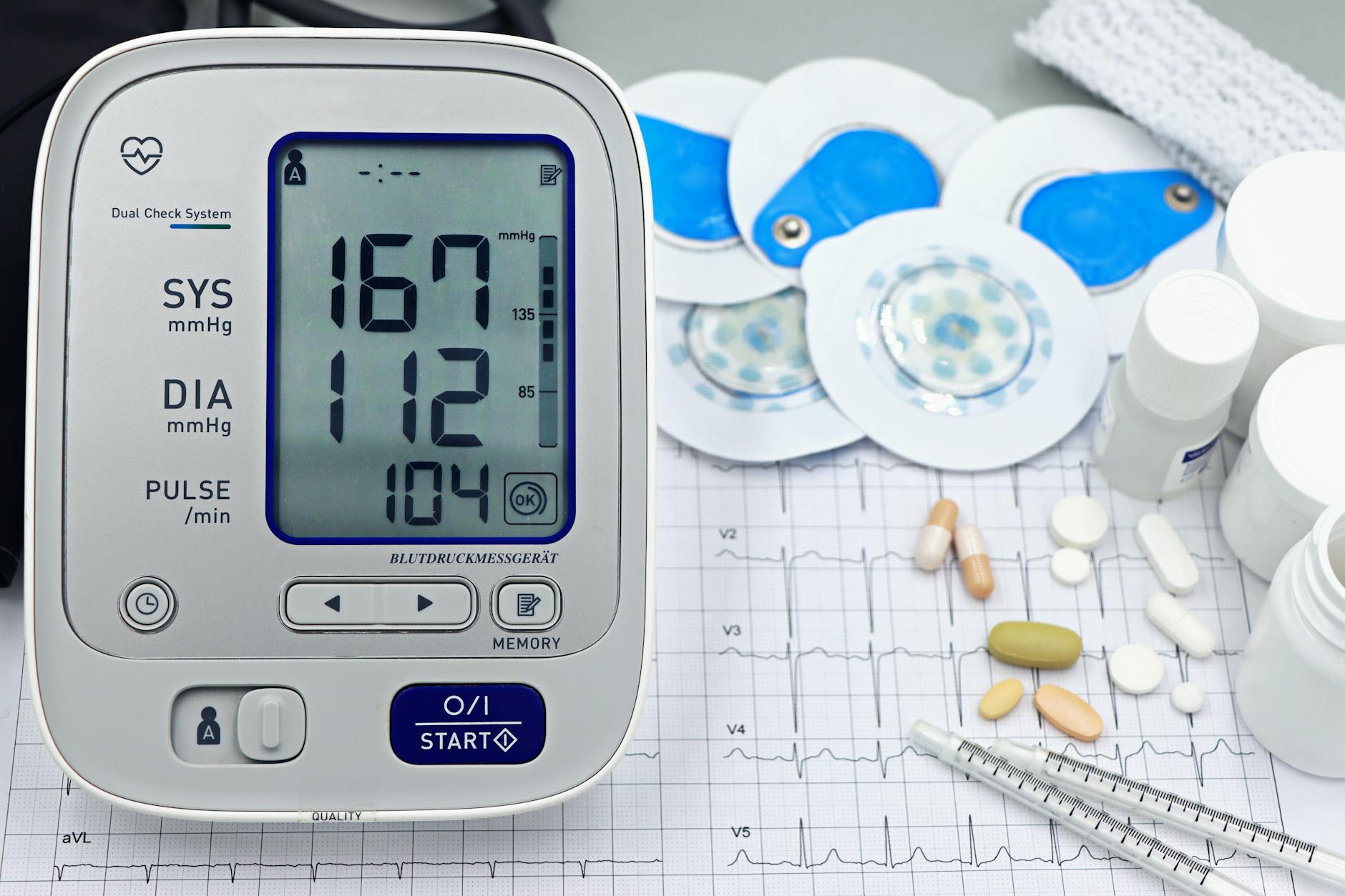
- Monitor your blood pressure at home regularly rather than relying solely on occasional office measurements. Home readings, taken at consistent times, reveal patterns and trends that single readings miss. Target below 120/80 for optimal cardiovascular protection.
- Prioritize consistency over intensity in your training approach. Three to four moderate runs weekly provides greater cardiovascular benefit than sporadic hard efforts followed by extended recovery periods.
- Stay alert to environmental conditions, particularly heat and humidity. Thermoregulatory efficiency declines with age, placing additional strain on the heart during hot weather running. Adjust pace expectations and hydration strategies accordingly.
- Consider periodic deload weeks every four to six weeks, reducing volume by 30 to 40 percent. Systematic recovery periods allow accumulated training stress to dissipate while maintaining fitness gains, supporting long-term cardiovascular adaptation.
Conclusion
The cardiovascular changes that occur after 40 are neither catastrophic nor inevitable in their impact on running performance and heart health. Armed with accurate information about what your heart actually needs at this life stage, you can make informed decisions about training intensity, recovery practices, nutrition, and medical monitoring. The runners who thrive in middle age and beyond are those who adapt their approach to match their evolving physiology rather than fighting against natural processes.
Understanding your changing cardiovascular system empowers rather than limits you. The evidence consistently shows that regular aerobic exercise provides profound protective benefits for the aging heart, potentially reversing years of stiffening and decline. By training intelligently, prioritizing recovery, addressing lifestyle factors like sleep and stress, and maintaining appropriate medical surveillance, you position yourself not just to preserve heart function but to potentially improve it. The decades after 40 can represent some of your most rewarding years as a runner, provided you give your heart what it genuinely needs.
Frequently Asked Questions
How long does it typically take to see results?
Results vary depending on individual circumstances, but most people begin to see meaningful progress within 4-8 weeks of consistent effort. Patience and persistence are key factors in achieving lasting outcomes.
Is this approach suitable for beginners?
Yes, this approach works well for beginners when implemented gradually. Starting with the fundamentals and building up over time leads to better long-term results than trying to do everything at once.
What are the most common mistakes to avoid?
The most common mistakes include rushing the process, skipping foundational steps, and failing to track progress. Taking a methodical approach and learning from both successes and setbacks leads to better outcomes.
How can I measure my progress effectively?
Set specific, measurable goals at the outset and track relevant metrics regularly. Keep a journal or log to document your journey, and periodically review your progress against your initial objectives.
When should I seek professional help?
Consider consulting a professional if you encounter persistent challenges, need specialized expertise, or want to accelerate your progress. Professional guidance can provide valuable insights and help you avoid costly mistakes.
What resources do you recommend for further learning?
Look for reputable sources in the field, including industry publications, expert blogs, and educational courses. Joining communities of practitioners can also provide valuable peer support and knowledge sharing.