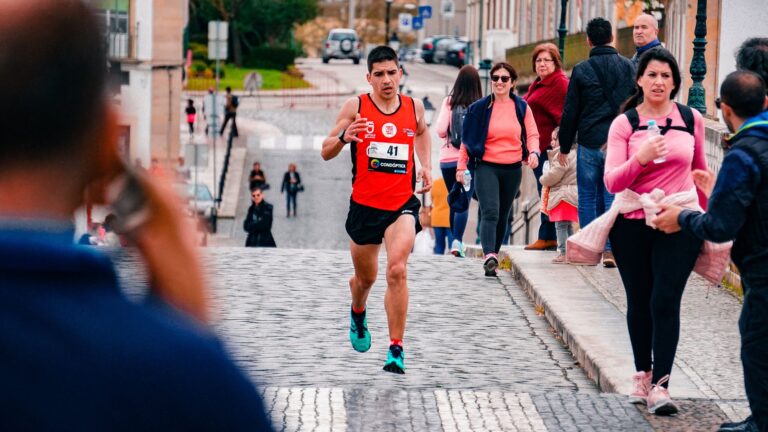
The ideal pre-sprint meal combines easily digestible carbohydrates with a small amount of protein, consumed 2 to 3 hours before your effort. A practical example: two slices of white toast with a thin spread of peanut butter and half a banana, paired with water. This combination provides quick-access fuel without sitting heavy in your stomach, which matters enormously when you’re asking your body to produce maximum power in short bursts. Unlike distance running, where you’re managing energy over hours, sprinting demands immediate availability of muscle glycogen and blood glucose””your body needs fuel that’s already processed and ready to burn. The timing component can’t be overstated.
Eat too close to your sprint session and blood flow diverts to digestion instead of your working muscles, leaving you sluggish and potentially nauseous. Eat too far in advance and you’ve burned through that fuel before the starting gun fires. A collegiate sprinter warming up for the 100 meters at a track meet, for instance, might eat a light meal at noon for a 3 PM race, then have a small snack like a few crackers or half an energy bar 45 minutes out. This article covers the specific macronutrients that matter for sprint performance, timing strategies for different training scenarios, foods to avoid, hydration considerations, and how to adjust your approach based on whether you’re training or competing. We’ll also address common mistakes that undermine even well-planned nutrition.
Table of Contents
- Why Do Carbohydrates Matter Most for Sprint Performance?
- The Role of Protein and Fat in Pre-Sprint Meals
- Timing Your Pre-Sprint Nutrition
- Best Food Choices for Sprint-Day Performance
- Foods and Habits That Undermine Sprint Performance
- Hydration Strategy for Sprinters
- Adjusting Nutrition for Morning Versus Afternoon Sprints
- Conclusion
Why Do Carbohydrates Matter Most for Sprint Performance?
sprinting operates almost entirely on anaerobic energy systems, which rely heavily on stored muscle glycogen and circulating blood glucose. During an all-out sprint lasting under 30 seconds, your body can’t process oxygen fast enough to fuel the effort aerobically, so it burns through carbohydrates without oxygen””a less efficient but much faster energy pathway. This metabolic reality makes carbohydrates the undisputed priority in your pre-sprint nutrition. The type of carbohydrate matters, though not in the way many athletes assume. Simple carbohydrates””white bread, white rice, bananas, sports drinks””actually work better than complex whole grains before sprinting.
The fiber in whole wheat bread or brown rice slows digestion, which is beneficial for sustained energy but counterproductive when you need fuel available immediately. A bowl of oatmeal might be ideal before a 10-mile run, but it’s suboptimal before repeat 200-meter intervals. That said, don’t interpret this as permission to eat candy before training. The goal is easily digestible starch and natural sugars, not refined sugar that causes rapid blood glucose spikes and crashes. Fruit, white rice, plain bagels, and low-fiber cereals occupy the sweet spot. For comparison: a plain white bagel with jam provides roughly 50 grams of readily available carbohydrates, while an equivalent caloric serving of steel-cut oatmeal with nuts delivers its energy too slowly and may cause GI discomfort during high-intensity efforts.
The Role of Protein and Fat in Pre-Sprint Meals
Protein plays a supporting role in pre-sprint nutrition””helpful in moderate amounts but problematic in excess. A small portion of protein (10 to 20 grams) slows gastric emptying just enough to provide steady energy release without causing digestive distress. Think a few ounces of chicken breast, a couple of eggs, or a serving of Greek yogurt alongside your carbohydrates. This isn’t about building muscle in the moment; it’s about moderating the speed at which your meal hits your bloodstream. Fat requires more caution.
High-fat meals take significantly longer to digest””up to 6 hours for a fatty meal to fully clear the stomach””and can cause cramping, nausea, and sluggishness during explosive efforts. A pre-sprint breakfast of bacon, eggs, and avocado toast might sound nutritious, but the 40+ grams of fat will still be processing when you’re trying to accelerate out of the blocks. However, if you’re someone who trains early morning and struggles to eat anything substantial, a small amount of fat (like the natural fat in eggs or a thin smear of nut butter) won’t derail your session as long as it’s consumed with adequate lead time. The practical formula most athletes land on: 70 to 80 percent of pre-sprint calories from carbohydrates, 15 to 20 percent from protein, and minimal fat. This ratio optimizes energy availability while avoiding the digestive slowdown that fat causes.
Timing Your Pre-Sprint Nutrition
The window approach works better than rigid meal times because individual digestion rates vary considerably. As a general framework: consume your main pre-exercise meal 2 to 4 hours before sprinting, with 3 hours representing the sweet spot for most athletes. This allows complete digestion while maintaining elevated blood glucose and topped-off glycogen stores. A 3-hour window works for moderate-sized meals (400 to 600 calories). If you can only manage a 2-hour window, scale down to 200 to 300 calories of easily digestible foods.
For competition scenarios where nerves affect digestion, some sprinters extend to 4 hours for their main meal and rely on a small top-up snack 30 to 60 minutes before their event. That top-up might be as simple as a few sips of sports drink or a handful of pretzels””just enough to maintain blood sugar without triggering digestion. The “nothing works for me” problem often comes down to experimentation failure. If you consistently feel heavy or nauseous before sprint sessions, the answer probably isn’t skipping food entirely but rather adjusting timing, reducing portion size, or switching to more digestible options. An athlete who feels terrible eating a banana 90 minutes before training might do perfectly well with the same banana at 2.5 hours out, or with a different food like white rice entirely.

Best Food Choices for Sprint-Day Performance
Certain foods have earned their reputation as reliable pre-sprint options through decades of real-world athlete experience. White rice with a small amount of lean protein ranks among the most universally tolerated options””it’s bland, digests quickly, and provides substantial carbohydrates. Japanese and Jamaican sprinters, notably, have long relied on rice-based pre-competition meals. Bananas deserve their popular status for good reason: moderate glycemic index, natural sugars paired with some starch, easy to eat even with pre-race nerves, and potassium content that may help prevent cramping.
Toast with jam or honey provides similar benefits in a different format. Cream of Wheat or Cream of Rice cereals offer low-fiber carbohydrates in an easily digestible form. For comparison, here’s how three common pre-sprint meals stack up: | Option | Carbs | Protein | Fat | Digestion Time | Notes | |——–|——-|———|—–|—————-|——-| | White rice + chicken (1 cup + 3 oz) | 45g | 25g | 4g | 2-3 hours | Highly tolerable, complete meal | | Bagel + banana + small yogurt | 75g | 15g | 3g | 2-2.5 hours | Higher carbs, good for 3+ hour window | | Toast + peanut butter + honey | 40g | 8g | 9g | 2.5-3 hours | Adequate but watch portion size on PB | The trade-off with higher-carbohydrate options like the bagel combination: more fuel available, but higher chance of GI issues if timing is compressed. Athletes with sensitive stomachs generally fare better with the rice and chicken option even though it provides fewer total carbohydrates.
Foods and Habits That Undermine Sprint Performance
High-fiber foods represent the most common nutritional mistake among health-conscious athletes. The whole wheat bread, bean-based dishes, and vegetable-heavy meals that serve long-term health can devastate a sprint workout. Fiber slows digestion, increases intestinal gas, and can trigger urgent bathroom needs during hard efforts. Save the lentils and broccoli for dinner. Dairy causes problems for a significant percentage of athletes, even those who don’t consider themselves lactose intolerant.
The combination of lactose and fat in cheese, milk, or cream-based foods creates digestive stress under exertion. Yogurt tends to be more tolerable due to its bacterial cultures that partially break down lactose, but individual responses vary enough that testing during training””never during competition””is essential. Caffeine deserves a nuanced mention. It’s performance-enhancing for sprinting (improving reaction time and power output), but excessive doses or unaccustomed use can cause jitteriness, elevated heart rate, and GI distress. The athlete who never drinks coffee shouldn’t start on race day. Habitual caffeine users can benefit from 3 to 6 mg per kilogram of body weight, consumed 30 to 60 minutes before competition””but this requires prior tolerance verification.

Hydration Strategy for Sprinters
Fluid needs differ substantially between sprinters and endurance athletes. Because sprint events and workouts are brief, you’re unlikely to become significantly dehydrated during the effort itself. The concern is starting in a dehydrated state, which impairs muscle function and reaction time before you even begin. Pre-sprint hydration should begin several hours before training or competition. Aim for 16 to 20 ounces of water 2 to 3 hours out, then another 8 to 10 ounces 20 to 30 minutes before your session.
The urine test remains the simplest adequacy check: pale yellow indicates good hydration; dark yellow means you need more fluids. Sports drinks provide minimal advantage for sprinting specifically””the carbohydrate and electrolyte content matters more for efforts lasting over an hour. Plain water works fine for pre-sprint hydration in most conditions. The exception: hot and humid environments where pre-loading electrolytes helps offset heavy sweating during warm-up. Even then, a light sports drink or water with an electrolyte tablet suffices.
Adjusting Nutrition for Morning Versus Afternoon Sprints
Early morning training presents the toughest fueling challenge for sprinters. You’ve effectively fasted for 8 to 12 hours, muscle glycogen is partially depleted, and your digestive system hasn’t fully awakened. Eating a substantial meal at 5 AM before 6 AM track practice isn’t realistic for most people. The workaround: eat a larger carbohydrate-focused meal the night before, then have something small and rapidly digestible upon waking.
A slice of white bread with honey, a small glass of juice, or half a banana requires minimal digestion time. Some athletes tolerate nothing at all and rely entirely on the previous night’s intake””this can work for moderate training sessions but isn’t optimal for competition or high-intensity interval work. Afternoon and evening sprinters have easier logistics but face different pitfalls. Lunch becomes the critical pre-sprint meal, and workplace or school options often push athletes toward high-fat, high-fiber, or excessively large choices. Planning ahead””bringing your own rice and chicken, for instance””prevents the trap of grabbing whatever’s available in the cafeteria.
Conclusion
Pre-sprint nutrition comes down to a few core principles: prioritize easily digestible carbohydrates, include modest protein, minimize fat and fiber, and time your intake to allow complete digestion before maximum effort. The specifics vary by individual tolerance, but the framework holds across nearly all sprinters. Experimentation during training is non-negotiable.
Every recommendation here represents a starting point, not a prescription. The meal that works perfectly for one athlete may cause another significant distress. Test different foods, timings, and portions during practice sessions of varying intensity, then replicate what works on competition day. Keep notes on what you ate, when you ate it, and how you felt during the session””patterns emerge quickly, and personalized nutrition beats generic advice every time.