The ideal pre-half marathon nutrition strategy centers on carbohydrate-rich foods consumed at strategic intervals: a substantial meal three to four hours before the start, followed by a smaller snack one to two hours out. Your dinner the night before should feature easily digestible starches like pasta, rice, or potatoes, while race morning calls for familiar options such as oatmeal, a wholemeal bagel, or oatcakes with banana. The goal is to top off your glycogen stores””the primary fuel source for endurance running””while avoiding anything that might cause digestive distress during the race itself. Consider a runner lining up for a 9 a.m.
start: she might eat a bowl of oatmeal with a banana around 5:30 a.m., then have a granola bar and some water at 7:30. This approach gives her body time to digest while ensuring her muscles have adequate fuel. Most runners have enough glycogen stores for approximately 90 minutes of hard exercise before depletion becomes a factor, which means half marathon nutrition sits in an interesting middle ground””you need to fuel properly, but the extreme carb-loading protocols designed for full marathons are unnecessary. This article covers the full timeline of pre-race eating, from the days leading up to your event through the final hours before the gun goes off. We will also address what to consume during the race itself, how to manage hydration, and the critical importance of testing your nutrition strategy before race day.
Table of Contents
- How Should You Time Your Pre-Race Meals for a Half Marathon?
- Pre-Race Dinner: Building Your Glycogen Reserves
- What Should You Eat on Race Morning Before a Half Marathon?
- Carbohydrate Loading: What Half Marathon Runners Actually Need
- Common Mistakes and Race-Day Nutrition Pitfalls
- During the Race: Fueling Mid-Run for a Half Marathon
- The Week Before: Finalizing Your Nutrition Plan
- Conclusion
How Should You Time Your Pre-Race Meals for a Half Marathon?
Timing matters as much as food selection when it comes to race-day nutrition. The general framework involves eating your main pre-race meal three to four hours before the start, which allows adequate time for digestion and absorption. If you are eating closer to race time””one to two hours out””keep the portion smaller, around 200 to 300 calories, and stick to easily digestible carbohydrates with minimal fat and fiber. The reasoning behind this timing relates to blood flow and digestion. When you eat a meal, your body diverts blood to your digestive system to process the food.
Running hard with a full stomach forces your body to compete for resources, often resulting in cramping, nausea, or worse. A runner who scarfs down a large breakfast an hour before the start is setting herself up for an uncomfortable first few miles at minimum. Hydration follows its own schedule. Aim to drink 500 milliliters of fluid about two hours before the race, which gives your kidneys time to process excess liquid so you are not desperately searching for a portable toilet at the starting line. Follow that with another 250 milliliters about 15 minutes before the gun, and you will start properly hydrated without that sloshing feeling.

Pre-Race Dinner: Building Your Glycogen Reserves
The dinner you eat the night before your half marathon deserves careful consideration, even if full carb-loading protocols are not strictly necessary for the 13.1-mile distance. Increasing your carbohydrate intake in the one to three days before the race helps top off glycogen stores in your muscles and liver. Your body stores carbohydrates as glycogen, which becomes the primary fuel source during sustained hard effort. Fat stores, by contrast, are essentially unlimited, but accessing them requires more oxygen and happens at slower paces. Stick to familiar, easily digestible options: pasta with a simple marinara sauce, rice with vegetables and lean protein, or potatoes in various forms. A plate of spaghetti with grilled chicken and a side of bread has fueled countless race-morning successes.
Brown rice works fine if that is what you normally eat, though some runners prefer white rice the night before for easier digestion. The key is choosing foods you have eaten before training runs without issue. However, if you normally eat a high-fiber diet, this is the time to scale back. Reduce fiber intake two to three days before the race to minimize digestive discomfort. A runner who typically eats a massive salad with dinner might find that gas and bloating become unwelcome companions on race morning if she does not adjust. Save the kale and lentils for after you cross the finish line.
What Should You Eat on Race Morning Before a Half Marathon?
Race morning nutrition should prioritize carbohydrates with moderate protein and minimal fat and fiber. A wholemeal bagel with a thin spread of peanut butter, oatmeal with banana, or oatcakes with some fruit all fit the bill. These foods digest relatively quickly while providing sustained energy. The meal should feel satisfying without making you feel stuffed. For a specific example, consider the classic runner’s breakfast: a medium bowl of oatmeal made with water, topped with half a sliced banana and a drizzle of honey. This combination provides complex carbohydrates for sustained energy, simple sugars for quick fuel, and enough substance to prevent hunger during the race.
Add a cup of coffee if that is part of your normal routine””race day is not the time to experiment with new habits, but it is also not the time to skip something your body expects. Pre-race snacks in the final hour or two should be small and simple. Bananas remain popular for good reason: they provide carbohydrates and potassium, digest easily, and travel well to race venues. Granola bars serve a similar purpose. Whatever you choose should be high in carbohydrates, moderate in protein, and low in fat and fiber. A handful of gummy bears thirty minutes before the start will not win any nutrition awards, but it provides quick-digesting sugar when you need it most.

Carbohydrate Loading: What Half Marathon Runners Actually Need
Full carbohydrate loading protocols””the kind where marathoners eat enormous quantities of pasta for days on end””are not necessary for half marathon distances. The race typically takes one to two hours for most runners, which falls right around the threshold where glycogen depletion becomes a concern. That said, moderately increasing your carbohydrate intake during race week does help optimize performance. The tradeoff involves potential weight gain and digestive changes. Every gram of stored glycogen comes with roughly three grams of water, which means aggressive carb-loading can leave you feeling bloated and a few pounds heavier.
For a full marathon, this extra stored fuel pays dividends. For a half marathon, a more moderate approach makes sense: eat carbohydrate-rich meals the day or two before the race without going overboard, and you will have adequate fuel without the discomfort. Compare this to a full marathon approach, where runners might spend three to four days eating 70 percent or more of their calories from carbohydrates. Half marathon runners can get by with simply emphasizing carbs at their main meals for a day or two beforehand while reducing fiber. Think of it as topping off the tank rather than installing a larger fuel cell.
Common Mistakes and Race-Day Nutrition Pitfalls
The single most important rule of race-day nutrition is this: never try new foods on race day. Test your nutrition strategy during at least three long training runs before you line up for the actual event. What works for your training partner or what a magazine recommends might cause you significant digestive distress. Individual variation in gut tolerance is enormous, and finding out you cannot handle a particular energy gel while running 13 miles from the finish line makes for a miserable experience. High-fiber foods cause problems for many runners, which is why reducing intake two to three days before the race is standard advice. But the issues extend beyond fiber. Fatty foods slow digestion and can cause nausea during hard effort.
Spicy foods might trigger heartburn or worse. Dairy bothers some runners even if they tolerate it fine at rest. The morning before a half marathon is not the time to try the hotel breakfast buffet’s exotic offerings. Another common mistake involves hydration extremes. Some runners drink so much water in the days before a race that they dilute their electrolyte levels, while others avoid fluids out of fear of needing bathroom breaks. Use electrolyte drinks alongside plain water to reduce dehydration risk while maintaining proper sodium balance. If your urine is pale yellow, you are adequately hydrated. Clear urine suggests you may be overdoing it.
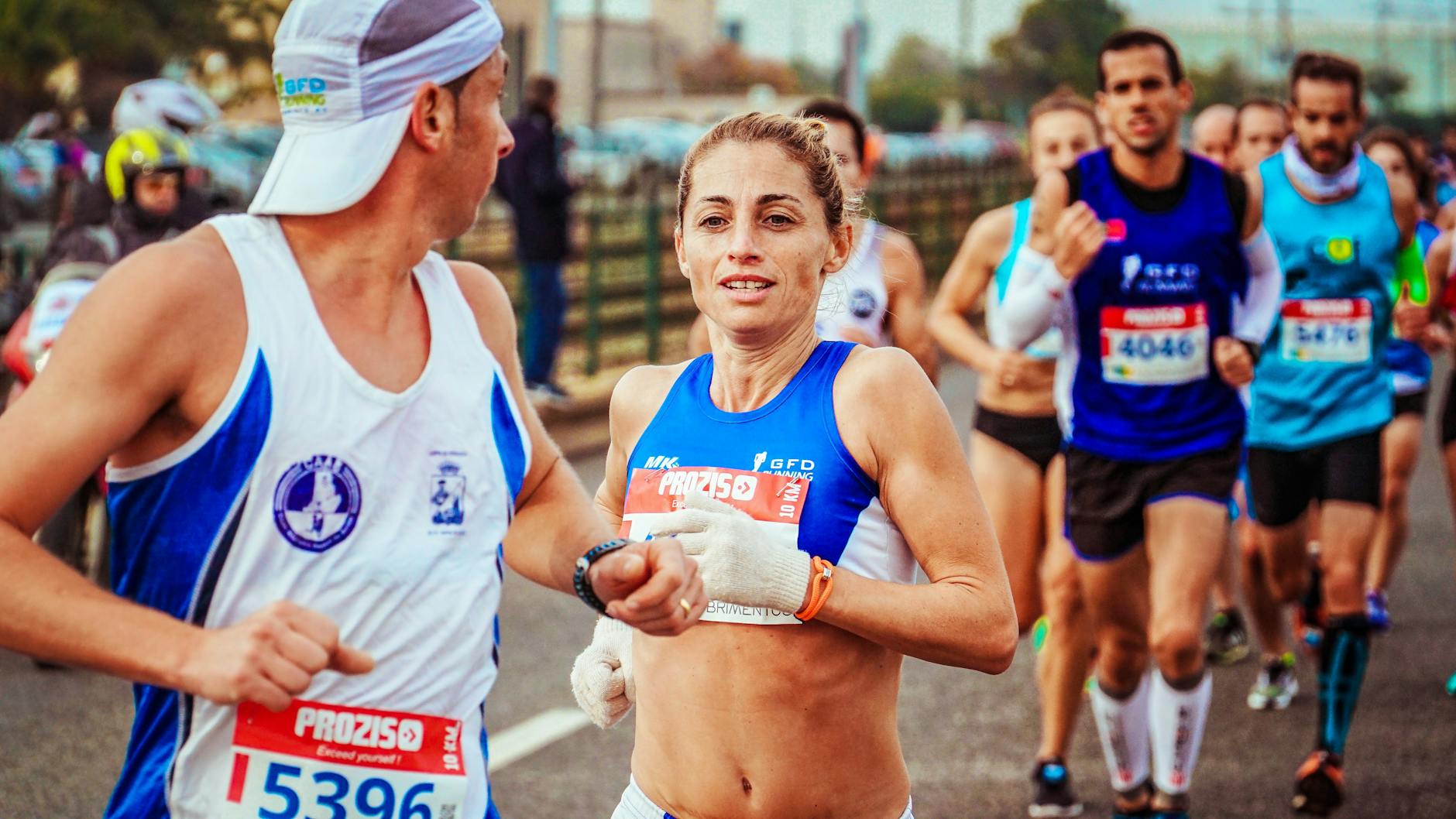
During the Race: Fueling Mid-Run for a Half Marathon
Whether you need to fuel during the race itself depends largely on your expected finish time. For runners finishing in 1.5 hours or less, a single gel or equivalent fuel source taken mid-way through the race is typically sufficient. Faster runners may need nothing at all beyond what they consumed before the start. The 90-minute glycogen window provides enough stored energy for a quick half marathon without additional intake. For runners who will be on the course longer, aim to consume at least 30 grams of carbohydrates every 30 to 40 minutes during the race.
Energy gels, chews, or even sections of banana from aid stations can provide this. The key is taking in fuel before you feel depleted””by the time you hit the wall, it is too late for mid-race calories to save you. Practice this during training runs to determine what your stomach can handle while running at race pace. Most organized half marathons provide water and sports drinks at regular intervals, typically every one to two miles. Some also offer gels or other fuel at mid-race aid stations. Check the race website beforehand to know what will be available so you can either train with those specific products or plan to carry your own preferred nutrition.
The Week Before: Finalizing Your Nutrition Plan
The final week before your half marathon is about consistency, not experimentation. You should already know what foods work for you from your training runs. Now the task is simply executing that plan while making the slight adjustments to carbohydrate and fiber intake discussed earlier. Eat your normal meals with a greater emphasis on starches and grains, reduce fibrous vegetables and legumes, and stay on top of hydration.
Some runners find it helpful to write out a specific meal plan for the two to three days before the race, including timing and portions. This removes decision-making and reduces the chance of accidental dietary mistakes. A written plan might look like: Thursday dinner””pasta with marinara and chicken; Friday lunch””turkey sandwich on white bread with pretzels; Friday dinner””rice bowl with teriyaki salmon; Saturday breakfast””oatmeal with banana and coffee. The specificity helps prevent race-week nerves from derailing good intentions.
Conclusion
Successful half marathon nutrition comes down to timing, food selection, and””above all””practice. Eat a carbohydrate-rich dinner the night before featuring familiar foods like pasta, rice, or potatoes. On race morning, consume easily digestible carbohydrates three to four hours out, with a smaller snack one to two hours before the start if needed. Hydrate strategically with 500 milliliters of fluid two hours before and another 250 milliliters 15 minutes prior.
During the race, most runners benefit from 30 grams of carbohydrates every 30 to 40 minutes, though faster finishers may need less. The next step is to test these principles during your remaining long training runs before race day. Document what you eat, when you eat it, and how you feel during and after the run. Make adjustments based on real data from your own body rather than generic recommendations. Race-day nutrition is not complicated, but it does require planning and practice to execute well.