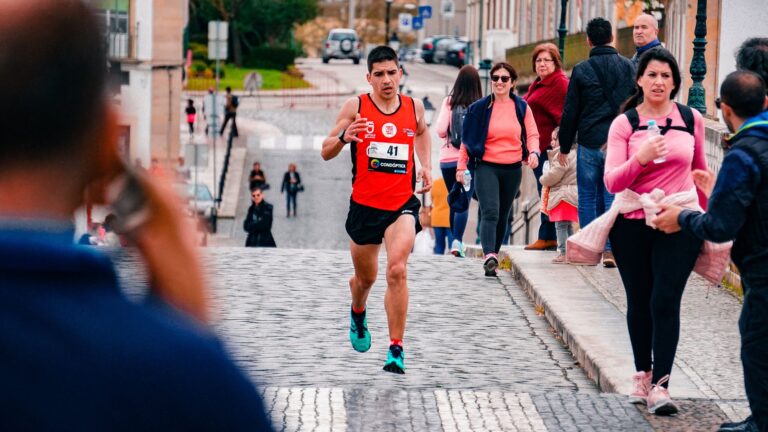
The ideal pre-race meal for a 5k consists of easily digestible carbohydrates with minimal fat, fiber, and protein, consumed two to three hours before your start time. A plain bagel with a thin spread of peanut butter, a banana, or a small bowl of oatmeal with honey represents the sweet spot””enough fuel to top off glycogen stores without sitting heavy in your stomach. For a runner doing a 9 a.m. race, eating around 6:30 or 7 a.m.
provides adequate digestion time while ensuring energy availability when the gun goes off. Unlike marathon fueling, which requires days of carbohydrate loading and careful glycogen management, the 5k draws primarily on energy stores you already have. Your muscles hold enough glycogen to power roughly 90 minutes of hard running, so a 20 to 30-minute race won’t deplete those reserves. The pre-race meal functions more as insurance””preventing hunger pangs, stabilizing blood sugar, and providing psychological comfort””than as a critical performance determinant. This article covers timing strategies, specific food choices, what to avoid, hydration considerations, and how to adjust your approach based on race time and individual tolerance.
Table of Contents
- What Should You Eat Before a 5k Race for Optimal Performance?
- Timing Your Pre-Race Meal: How Hours and Minutes Affect Stomach Comfort
- Foods to Avoid Before Running a 5k
- Sample Pre-Race Meals That Work for Most Runners
- Why Some Runners Perform Better on an Empty Stomach
- Hydration Strategies for the Morning of Your 5k
- Adjusting Your Strategy Based on Race Start Time
- Conclusion
What Should You Eat Before a 5k Race for Optimal Performance?
Carbohydrates should form the backbone of your pre-5k meal because they digest quickly and convert efficiently to glucose, your muscles’ preferred fuel source during high-intensity efforts. Aim for 100 to 200 calories of simple or moderately complex carbohydrates: white bread, rice, bananas, oatmeal, or low-fiber cereals. A runner weighing 150 pounds might eat a medium banana and half a plain bagel, while someone at 180 pounds could add an extra slice of toast or a sports drink. The glycemic index matters less than digestibility for pre-race eating. While sports nutrition research once emphasized low-glycemic foods for sustained energy, practical experience shows that most runners perform equally well with white bread as with whole grain””and white bread causes fewer gastrointestinal complaints.
The two to three-hour window before your race allows even faster-digesting foods to clear your stomach and enter your bloodstream. Many elite runners eat white rice or plain pasta the morning of competition, prioritizing gastric comfort over nutritional complexity. Adding a small amount of protein””perhaps 10 to 15 grams from eggs, yogurt, or nut butter””can help some runners feel more satiated without significantly slowing digestion. However, this varies considerably between individuals. Some runners handle protein fine; others find even a tablespoon of peanut butter triggers cramping at race pace.

Timing Your Pre-Race Meal: How Hours and Minutes Affect Stomach Comfort
The two to three-hour pre-race eating window represents a compromise between energy availability and digestive comfort. Eating too close to race time leaves food sitting in your stomach, where blood flow decreases dramatically once you start running hard. Eating too early may leave you feeling hungry or experiencing blood sugar fluctuations by the time you reach the starting line. However, if your race starts at 7 a.m. or earlier, waking up at 4 a.m. to eat may cause more harm than benefit through sleep disruption.
In this scenario, two alternatives work well. First, you can eat a larger than usual dinner the night before””emphasizing carbohydrates””and consume only a small snack like half a banana or a few crackers 60 to 90 minutes before the race. Second, you can experiment with liquid calories such as a sports drink or diluted fruit juice, which empty from the stomach faster than solid food. Individual variation plays an enormous role in timing tolerance. Some runners finish breakfast and line up 90 minutes later without issue; others need the full three hours or experience side stitches and nausea. The weeks of training leading up to your race provide ideal opportunities to test different timing strategies during hard workouts or tempo runs.
Foods to Avoid Before Running a 5k
High-fiber foods top the avoidance list because fiber slows gastric emptying and can trigger urgent bowel movements mid-race. Whole grain bread, bran cereals, large servings of vegetables, beans, and legumes should stay off your plate race morning. A runner who normally eats a fiber-rich diet might need to begin reducing fiber intake 24 to 36 hours before competition, not just at the final meal. Fat presents similar problems. While healthy fats serve important roles in everyday nutrition, they digest slowly and can cause cramping, bloating, and nausea during intense exercise.
Skip the eggs cooked in butter, the cream cheese on your bagel, and the full-fat yogurt parfait. Even foods marketed as healthy””avocado toast, almond butter smoothie bowls, cheese-topped oatmeal””contain enough fat to cause problems for sensitive stomachs. Spicy foods, acidic foods, and excessive caffeine round out the avoid list for most runners. The combination of pre-race nerves and digestive system irritants frequently produces unpleasant results. one often-overlooked trigger: sugar alcohols found in sugar-free gum, mints, and some protein bars cause significant gastrointestinal distress in many people.

Sample Pre-Race Meals That Work for Most Runners
The classic runner’s breakfast””a plain bagel with a light smear of peanut butter and a banana””has earned its popularity through decades of successful race mornings. This combination provides approximately 350 to 400 calories, 70 to 80 grams of carbohydrates, minimal fiber, and enough fat and protein for satiety without digestive burden. Variations on this template include toast with jam, English muffins with honey, or rice cakes with a thin layer of nut butter. Oatmeal works well for runners who tolerate it, though preparation matters. Instant oatmeal made with water and topped with banana slices digests more easily than steel-cut oats prepared with milk and loaded with nuts and seeds.
The fiber content of oatmeal falls in a moderate range””less problematic than bran cereal but more than white bread””so portion size should stay reasonable. For runners who cannot eat solid food pre-race due to nerves or early start times, liquid options provide workable alternatives. A commercial sports drink like Gatorade provides 30 to 50 grams of carbohydrates per bottle with near-immediate gastric emptying. Fruit smoothies made with banana, a splash of juice, and ice blend easily and digest quickly, though protein powder additions should be minimized. Some runners rely on meal replacement drinks like Ensure or Boost, which provide balanced nutrition in liquid form.
Why Some Runners Perform Better on an Empty Stomach
Fasted running has gained popularity in training contexts, and some runners extend this practice to racing. The theory suggests that training in a glycogen-depleted state enhances fat oxidation capacity; the practice for racing simply reflects that some digestive systems cannot handle food before high-intensity effort. Research on fasted versus fed performance shows mixed results for efforts under an hour. A 2018 study in the Journal of the International Society of Sports Nutrition found no significant performance difference between fasted and fed states for exercise lasting less than 60 minutes, provided athletes were not chronically undernourished.
For a 5k specifically, which most runners complete in 20 to 40 minutes, stored glycogen provides more than adequate fuel regardless of morning food intake. The limitation of fasted racing appears in back-to-back efforts and runners with blood sugar regulation issues. If you have a warmup jog, then 30 minutes of waiting, then the race itself, running on completely empty may leave you feeling weak or lightheaded before you ever cross the start line. Similarly, runners who experience reactive hypoglycemia””a blood sugar crash following an initial spike””may perform worse fed than fasted, but this represents a specific metabolic pattern rather than a general recommendation.
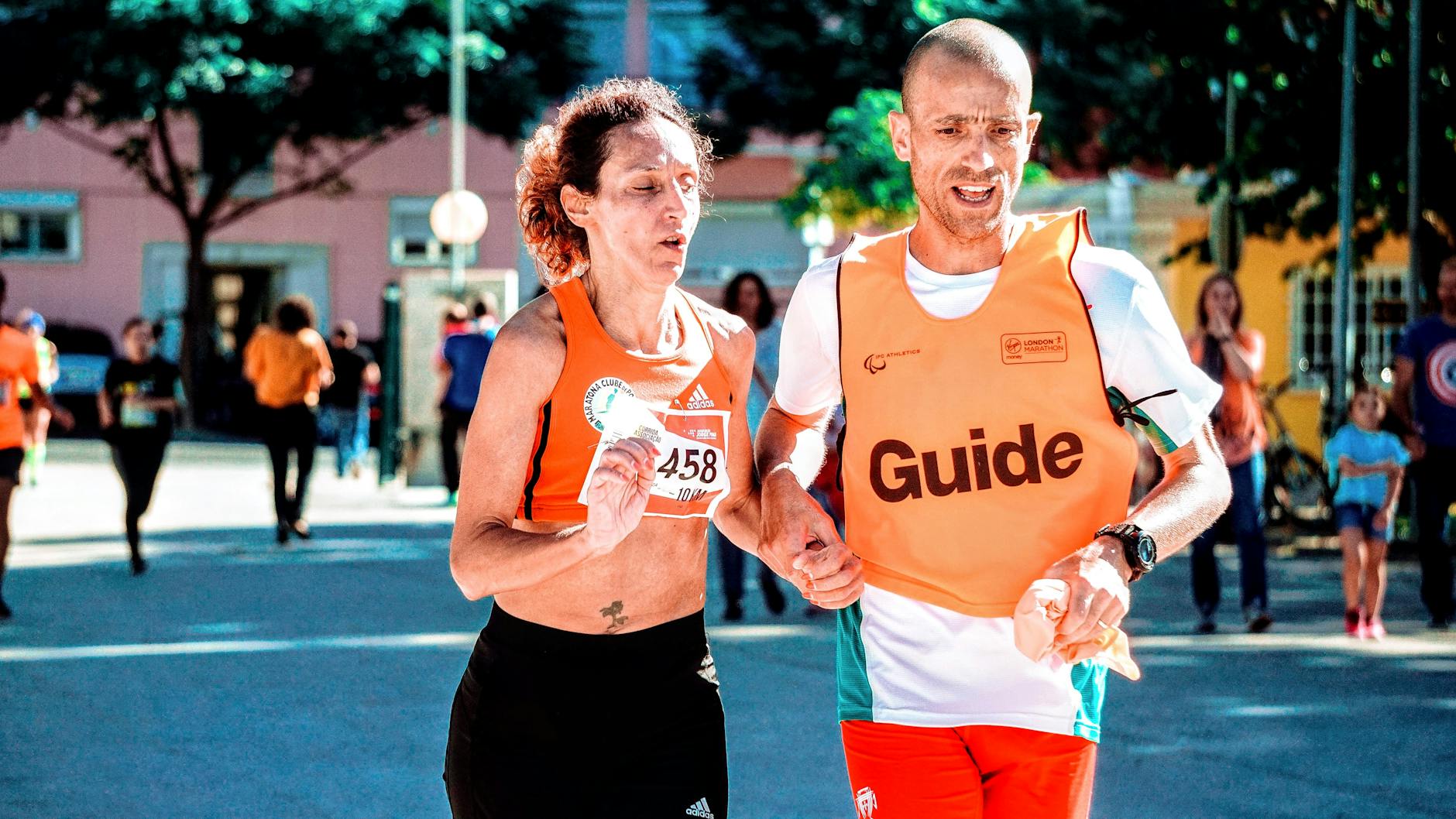
Hydration Strategies for the Morning of Your 5k
Proper hydration begins the day before your race, not the morning of. Drinking 16 to 20 ounces of water with dinner and another 8 to 16 ounces two to three hours before race time provides adequate fluid without requiring mid-race bathroom stops. Urine color offers a practical hydration gauge: pale yellow indicates appropriate hydration; dark yellow suggests you need more fluids; clear and copious suggests you may have overdone it.
The comparison between water and sports drinks for pre-race hydration depends on your eating strategy. If you eat a normal pre-race meal, water suffices for hydration since you’re getting carbohydrates from food. If you skip solid food or eat very lightly, a sports drink serves double duty by providing both fluid and fuel. Electrolyte content matters less for a 5k than for longer events, as you won’t lose enough sodium in 20 to 40 minutes to affect performance.
Adjusting Your Strategy Based on Race Start Time
Afternoon and evening races require different nutritional planning than morning events. For a 5 p.m. race, you can eat a normal breakfast, a moderate lunch around noon emphasizing carbohydrates, and a small snack like a banana or energy bar around 3 p.m. The key difference: you have more flexibility because you’re not constrained by wake-up time.
Late morning races””those starting at 10 or 11 a.m.””present an interesting challenge. You can wake up at normal time, eat a fuller breakfast around 7 a.m., and trust that three to four hours provides complete digestion. Alternatively, you might eat a small early breakfast, then add a light snack 90 minutes before the race. This split-eating approach works particularly well for runners who cannot consume enough calories in a single sitting without discomfort.
Conclusion
Pre-race nutrition for a 5k should prioritize digestive comfort over complex fueling strategies. Stick to familiar foods, emphasize easily digestible carbohydrates, limit fat and fiber, and give yourself two to three hours between eating and racing when possible. The relatively short duration of a 5k means your existing glycogen stores will carry you through the effort; the pre-race meal simply tops off the tank and prevents hunger.
Experimentation during training remains the most valuable tool for dialing in your personal approach. What works for one runner may cause another significant distress. Practice your race-day breakfast before hard workouts, note what feels good and what doesn’t, and resist the temptation to try anything new on competition day. The best pre-race meal is ultimately the one that lets you forget about your stomach entirely once the race begins.