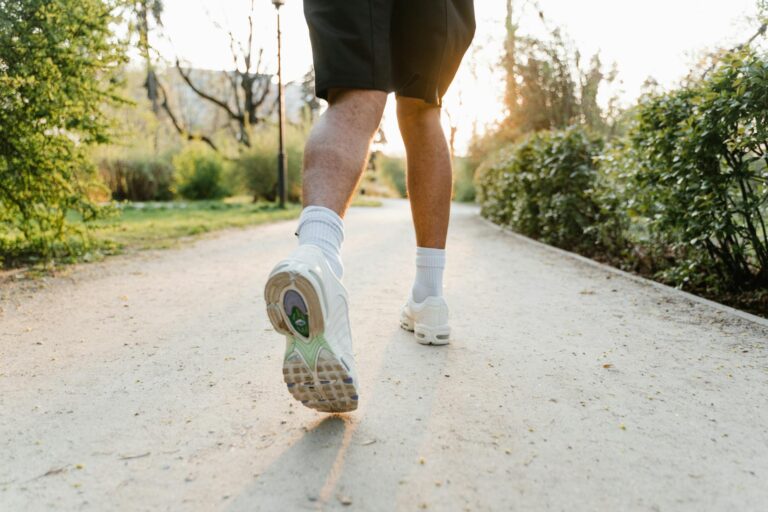
Before a fartlek session, eat a moderate serving of easily digestible carbohydrates with a small amount of protein about 60 to 90 minutes beforehand. A banana with a tablespoon of peanut butter, a slice of toast with honey, or a small bowl of oatmeal will give you enough glycogen to power through the alternating surges of speed without sitting heavy in your stomach. The goal is fuel that absorbs quickly and does not cause cramping when you shift from a jog into a hard effort and back again. Fartlek training, the Swedish word for “speed play,” demands more from your fueling strategy than a standard easy run because the intensity is unpredictable and varied.
One minute you are cruising at a comfortable pace, and the next you are sprinting toward a lamppost or pushing tempo up a hill. That variability means your body draws on both aerobic and anaerobic energy systems, which burns through glycogen faster than steady-state running. This article covers the best food choices and timing strategies, what to avoid, how hydration fits in, and how to adjust your pre-fartlek nutrition based on the time of day and the length of your session. A runner who eats too much or picks the wrong foods before a fartlek often learns the hard way. The speed intervals jostle the gut far more than a gentle jog, and that heavy breakfast burrito you thought would power you through can send you searching for the nearest restroom by the third surge.
Table of Contents
- Why Does What You Eat Before a Fartlek Matter More Than Before an Easy Run?
- The Best Pre-Fartlek Foods and How to Choose Between Them
- Timing Your Pre-Fartlek Meal for Different Training Schedules
- What to Avoid Eating Before Speed Play Sessions
- Hydration Mistakes That Undermine Your Pre-Fartlek Nutrition
- Adjusting Pre-Fartlek Nutrition for Session Length and Intensity
- Building a Pre-Fartlek Routine That Works Long-Term
- Conclusion
- Frequently Asked Questions
Why Does What You Eat Before a Fartlek Matter More Than Before an Easy Run?
The fundamental difference comes down to intensity shifts. During an easy run, your body relies primarily on fat oxidation and a slow, steady burn of glycogen. Your digestive system gets relatively consistent blood flow because your muscles are not making sudden, extreme demands. A fartlek flips that script. Every time you accelerate into a hard surge, blood diverts sharply away from your gut and into your working muscles. If there is still a lump of poorly digested food sitting in your stomach during one of those surges, you are likely to feel nauseous, bloated, or crampy. This is why food choice and timing both matter.
A 2018 study published in the journal Nutrients found that gastrointestinal distress during intermittent high-intensity exercise was significantly higher when runners consumed high-fat or high-fiber meals within 60 minutes of starting. Compare that to a steady jog, where many runners can get away with eating almost anything an hour before without issue. The stop-and-go nature of fartlek training essentially amplifies every poor nutritional choice you make beforehand. There is also a performance angle. Fartlek sessions are designed to improve your speed, lactate threshold, and aerobic capacity. If you are underfueled, you will not be able to hit the intensities that make the workout productive. If you are overfueled or eating the wrong things, you will spend the session managing discomfort instead of pushing your pace. The sweet spot is a moderate amount of fast-digesting carbohydrates that top off glycogen stores without overloading the stomach.
The Best Pre-Fartlek Foods and How to Choose Between Them
Simple and moderate-glycemic carbohydrates are the foundation of a good pre-fartlek meal. Think white rice, toast, bananas, oatmeal, or a plain bagel. These foods break down quickly, enter the bloodstream as glucose within 30 to 60 minutes, and give your muscles accessible energy. Pairing them with a small amount of protein — a smear of nut butter, a few slices of turkey, or a hard-boiled egg — can help stabilize blood sugar without slowing digestion significantly. However, if your fartlek session is shorter than 30 minutes and you have eaten a normal meal within the past three to four hours, you may not need a dedicated pre-workout snack at all. Your existing glycogen stores should be sufficient.
The pre-fartlek snack becomes more important when your session will last 45 minutes or longer, when you are training first thing in the morning on an empty stomach, or when your last meal was more than four hours ago. Forcing food when you do not need it can create more problems than it solves. A useful comparison: a banana provides about 27 grams of carbohydrates that digest rapidly and rarely cause stomach issues. A granola bar might offer similar carbs but often contains added fiber, fat, and sugar alcohols that slow absorption and can cause gas during hard efforts. Read labels carefully. Many so-called energy bars are better suited as post-workout recovery food than pre-workout fuel because they are designed to be satiating, not fast-absorbing.
Timing Your Pre-Fartlek Meal for Different Training Schedules
The general guideline is to eat your pre-fartlek snack 60 to 90 minutes before you start running. This gives your stomach enough time to process the food and begin moving nutrients into the bloodstream. For a runner who trains at 6 a.m., that might mean setting an alarm at 4:45 to eat a piece of toast with honey, then going back to rest before heading out. For an after-work runner hitting the track at 5:30 p.m., it might mean eating a banana at 4:00 and having a lighter lunch than usual. Morning fartleks present a specific challenge. You have been fasting for eight or more hours, glycogen stores are partially depleted, and your stomach is empty.
Some runners perform well in this fasted state for easy runs, but fartlek sessions demand more from your anaerobic system, which is heavily glycogen-dependent. A 2019 study from the International Journal of Sport Nutrition and Exercise Metabolism showed that high-intensity interval performance declined by roughly 7 to 12 percent in a fasted state compared to when athletes consumed carbohydrates beforehand. Even a small snack — half a banana, a few crackers — can make a measurable difference. If you find that eating anything within 90 minutes of running causes stomach distress regardless of the food, try a liquid option. A small glass of orange juice or a sports drink 30 to 45 minutes before your fartlek can provide quick carbohydrates with minimal digestive burden. Liquid calories leave the stomach faster than solids and are far less likely to cause the sloshing or cramping that derails a speed session.
What to Avoid Eating Before Speed Play Sessions
High-fat foods are the biggest offender. Fat slows gastric emptying, meaning it takes longer for food to leave your stomach and enter the small intestine. A breakfast of eggs cooked in butter with avocado toast might be excellent nutrition on a rest day, but before a fartlek, that meal could still be sitting in your stomach when you hit your first hard surge 90 minutes later. The trade-off is clear: you get sustained energy from fat, but you sacrifice digestive comfort during high-intensity efforts. High-fiber foods are the second major culprit. Broccoli, beans, whole-grain cereals with five or more grams of fiber per serving, and raw vegetables all take longer to break down and can produce gas during digestion.
A bowl of bran cereal before a fartlek is a recipe for bloating and cramping. This does not mean fiber is bad for runners — it is essential in your overall diet — but the two to three hours before an intense session is not the time for it. Dairy is worth mentioning separately because it affects people differently. Runners who are mildly lactose intolerant may tolerate a glass of milk on a normal day but find that the jostling and blood-flow diversion of a fartlek session amplifies their symptoms. If you have ever felt gassy or crampy during hard running after consuming dairy, experiment with eliminating it from your pre-run nutrition for a few sessions to see if your symptoms improve. Greek yogurt tends to be better tolerated than milk because the fermentation process reduces lactose content, but it is still higher in protein and fat than ideal pre-fartlek choices.
Hydration Mistakes That Undermine Your Pre-Fartlek Nutrition
You can nail your food choices perfectly and still have a miserable fartlek if your hydration is off. Drinking too much water in the 30 minutes before a session leads to the unmistakable feeling of water sloshing in your stomach during hard surges. Drinking too little, especially if you are running in heat or after a full day of inadequate fluid intake, leads to early fatigue and elevated heart rate that makes every interval feel harder than it should. The practical approach is to sip 12 to 16 ounces of water in the two hours leading up to your fartlek, then stop drinking about 20 to 30 minutes before you start. This gives your body time to absorb the fluid and allows you to use the restroom if needed. A good self-check: your urine should be pale yellow before you head out.
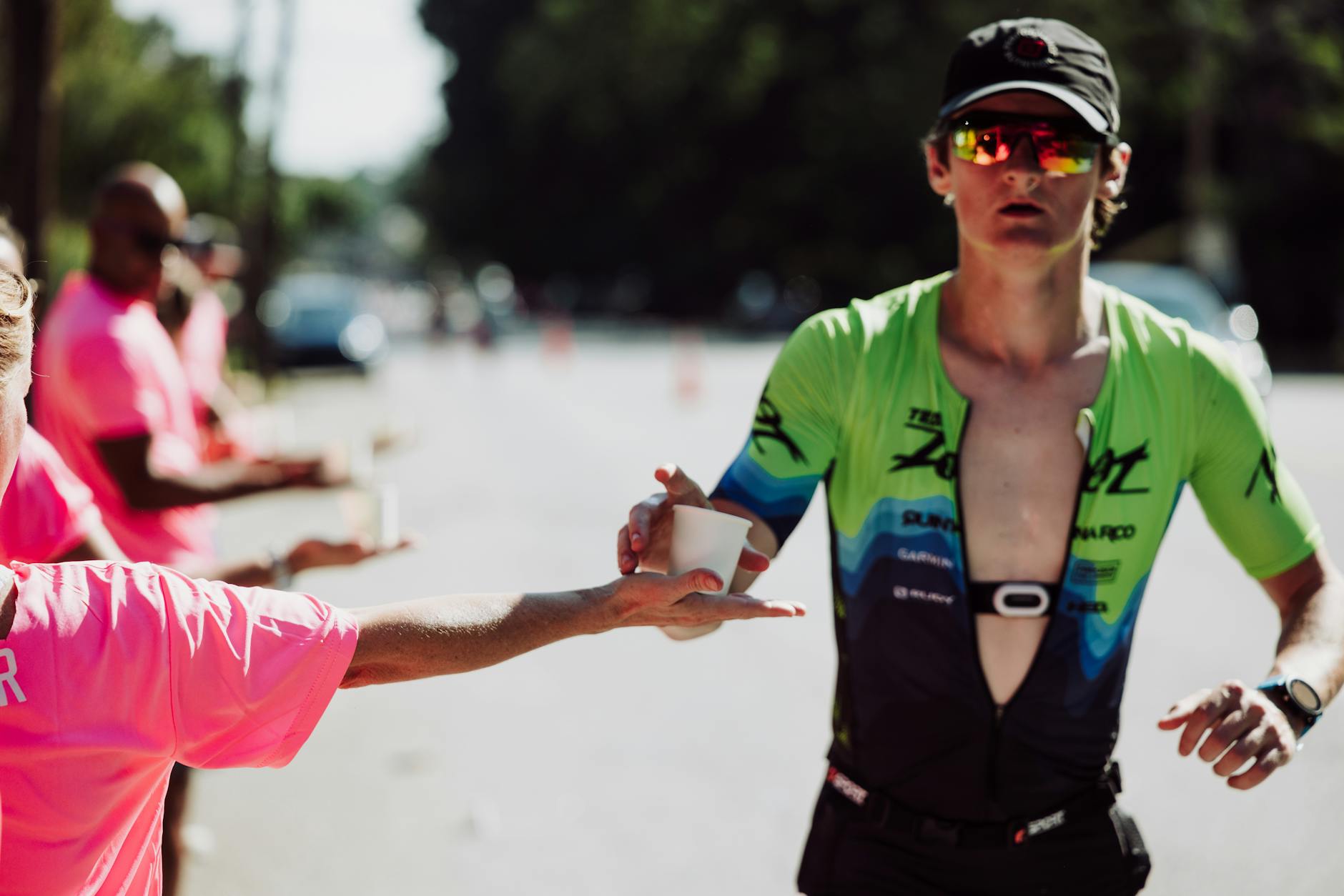
Dark yellow means you are behind on fluids. Completely clear means you may have overhydrated, which can dilute electrolytes. One limitation to note: these hydration guidelines assume moderate weather conditions. If you are running a fartlek in summer heat or high humidity, you may need an electrolyte drink instead of plain water before your session, and you should consider carrying a handheld bottle for sessions longer than 40 minutes. Sodium, in particular, helps your body retain the fluid you drink rather than passing it straight through. A pinch of salt in your water or a low-sugar electrolyte tablet can make a noticeable difference in hot conditions.
Adjusting Pre-Fartlek Nutrition for Session Length and Intensity
Not all fartlek sessions are equal, and your fueling should reflect that. A 20-minute fartlek with short pickups during an otherwise easy run requires far less pre-run fuel than a structured 60-minute session with sustained tempo surges. For shorter sessions, half a banana or a few crackers is often sufficient.
For longer or more intense fartleks — the kind where you are doing three-minute surges at threshold pace — you want closer to 30 to 50 grams of carbohydrates in your pre-run snack. As an example, a competitive 10K runner doing a 50-minute fartlek with six three-minute surges at lactate threshold might eat a medium banana and a slice of white toast with jam about 75 minutes before the session. That gives roughly 45 grams of fast-digesting carbohydrates. A recreational runner doing a 25-minute fartlek with 30-second strides would be fine with just the banana, or even nothing at all if they had a solid meal a few hours earlier.
Building a Pre-Fartlek Routine That Works Long-Term
The most effective pre-fartlek nutrition is the one you have rehearsed repeatedly in training and know works for your body. Individual tolerance varies enormously. Some runners thrive on a bagel with cream cheese 90 minutes out, while others can only manage a few sips of sports drink. The only way to find your formula is to experiment systematically: try a food, note how you felt during the session, and adjust the next time. Keep a brief log if it helps — even a few words in your training journal about what you ate and how your stomach felt can reveal patterns over several weeks.
Looking ahead, sports nutrition research continues to refine our understanding of how different carbohydrate sources and timing strategies affect intermittent high-intensity performance. Recent work on carbohydrate mouth rinsing — swishing a sports drink without swallowing — has shown small but real performance benefits for shorter, intense sessions in runners who struggle with any food in their stomach. It is not a replacement for proper fueling in longer fartleks, but it may be a useful tool for early morning runners or those with particularly sensitive stomachs. The broader trend in exercise nutrition is toward individualization, and that applies to fartlek fueling as much as anything else. What your training partner eats before a session is useful data, but your own experimentation is the final authority.
Conclusion
Fueling a fartlek properly comes down to choosing easily digestible carbohydrates, timing them 60 to 90 minutes before your session, and avoiding the common pitfalls of high-fat foods, excess fiber, and poor hydration timing. A banana, a piece of toast with honey, or a small bowl of oatmeal will serve most runners well. The alternating intensity of speed play demands more thoughtful pre-run nutrition than a steady jog, and getting it right can mean the difference between a productive session and one spent managing stomach distress.
Start with the basic guidelines, then refine based on how your body responds. Pay attention to session length and intensity when deciding how much to eat. Stay consistent with hydration in the hours leading up to your run, not just the minutes before. And remember that the best pre-fartlek nutrition plan is one you have tested and trusted through repetition, not one you are trying for the first time on a day that matters.
Frequently Asked Questions
Can I run a fartlek on an empty stomach?
You can, but performance on the high-intensity surges will likely suffer. Easy runs tolerate fasted training better than sessions with hard intervals. If you prefer running fasted, at least try a small amount of juice or a few crackers to provide some quick glucose for the anaerobic efforts.
How much should I eat before a fartlek that lasts under 30 minutes?
For a short fartlek, you need very little — half a banana or a handful of pretzels is usually enough if your last meal was within three to four hours. If you ate a full meal recently, you may not need anything additional at all.
Is coffee okay before a fartlek?
Caffeine can improve performance during high-intensity efforts, and many runners benefit from a small cup of coffee 30 to 60 minutes before a fartlek. However, coffee is a mild diuretic and can stimulate the bowels, so give yourself enough time to use the restroom before you start. If you are sensitive to caffeine or prone to acid reflux during hard running, skip it.
What if I get side stitches during fartlek sessions despite eating early enough?
Side stitches are often linked to the volume of food rather than the timing. Try reducing the portion size of your pre-run snack, or switch to liquid calories. Strengthening your core and practicing controlled breathing during surges can also help reduce stitch frequency.
Should I use gels or sports drinks before a fartlek instead of real food?
Gels and sports drinks are designed for during exercise, not necessarily before. Real food 60 to 90 minutes out tends to provide more sustained energy without the blood sugar spike and crash that gels can cause when taken too early. Save gels for fartlek sessions longer than 60 minutes, and use them during the session rather than before.