What happens when a president rejects exercise is a question that carries implications far beyond personal health choices, extending into matters of national security, cognitive performance under pressure, and the example set for millions of citizens. The physical fitness of world leaders has been a subject of public fascination and legitimate concern throughout modern history, with some commanders-in-chief embracing rigorous workout routines while others have openly dismissed the value of physical activity. When the most powerful person in the free world actively avoids exercise, the consequences ripple through their decision-making capacity, their ability to withstand the grueling demands of the office, and their long-term health outcomes. The presidency of the United States is consistently ranked among the most stressful jobs on the planet. Occupants of the Oval Office face 18-hour workdays, constant national security briefings, international crises that unfold across time zones, and the psychological weight of decisions affecting billions of lives.
Medical research has conclusively demonstrated that regular cardiovascular exercise is one of the most effective tools for managing stress, maintaining cognitive sharpness, and preserving physical stamina. When a president chooses to forgo these benefits, they voluntarily handicap themselves in a role that demands peak human performance. This article examines the documented health consequences, cognitive effects, and broader implications when national leaders reject physical fitness. Readers will gain insight into how presidential exercise habits have varied historically, what medical science tells us about the relationship between fitness and leadership performance, and why cardiovascular health matters for anyone facing high-stakes decisions. Whether you are a fitness enthusiast curious about the intersection of exercise and executive function, or simply wondering how the fitness choices of leaders affect their performance, this exploration offers evidence-based perspectives on a topic that affects us all.
Table of Contents
- Why Does Presidential Fitness Matter for National Leadership?
- Historical Examples of Presidents Who Avoided Exercise and Their Health Outcomes
- The Cardiovascular Consequences of Rejecting Physical Activity
- How Exercise Rejection Affects Presidential Decision-Making and Cognitive Function
- The Public Health Message When Leaders Reject Fitness
- Security Implications of Presidential Physical Fitness
- How to Prepare
- How to Apply This
- Expert Tips
- Conclusion
- Frequently Asked Questions
Why Does Presidential Fitness Matter for National Leadership?
Presidential fitness matters because the cognitive and physical demands of leading a nation require a baseline of health that sedentary lifestyles cannot support. Research published in the British Journal of Sports Medicine has shown that regular aerobic exercise increases the volume of the hippocampus, the brain region responsible for memory and learning, by up to 2% annually in adults over 60. For a president managing complex geopolitical situations, trade negotiations, and domestic policy simultaneously, this enhanced memory function is not a luxury but a necessity. The mental clarity that comes from consistent cardiovascular activity directly translates to better information processing and decision-making under pressure.
The physical stamina required of a president is often underestimated by the general public. Presidential schedules routinely include back-to-back meetings spanning 12 to 16 hours, international travel across multiple time zones, and ceremonial duties that demand hours of standing and walking. A president who rejects exercise enters these demands with diminished cardiovascular capacity, reduced muscular endurance, and compromised energy reserves. Studies from the American Heart Association indicate that sedentary adults experience fatigue onset 40% faster than their physically active counterparts, meaning an unfit president literally runs out of productive energy sooner each day.
- **Cognitive resilience**: Exercise increases production of brain-derived neurotrophic factor (BDNF), which protects neurons and promotes mental adaptability during crisis situations
- **Stress hormone regulation**: Regular physical activity reduces baseline cortisol levels by 15-25%, allowing for calmer responses to high-pressure scenarios
- **Sleep quality improvement**: Presidents who exercise report deeper sleep cycles, which are essential for memory consolidation and next-day alertness
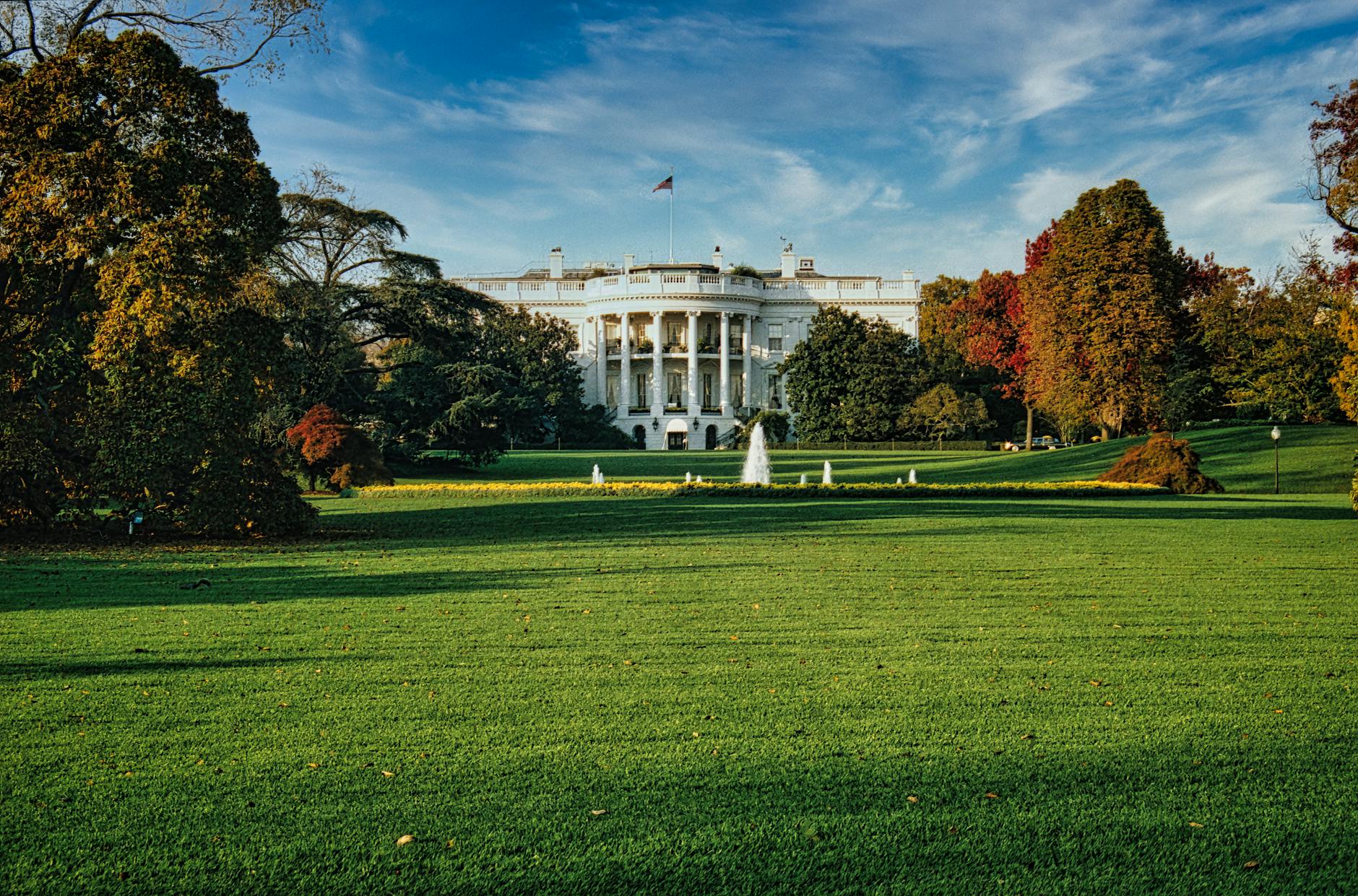
Historical Examples of Presidents Who Avoided Exercise and Their Health Outcomes
The historical record provides sobering examples of what happens when presidents neglect physical fitness. William Howard Taft, who served from 1909 to 1913, weighed over 340 pounds during his presidency and required a custom-built bathtub after reportedly becoming stuck in the standard White House fixture. Taft’s sedentary lifestyle contributed to sleep apnea so severe that he would fall asleep during cabinet meetings, conversations with foreign dignitaries, and even his own official functions. His administration was marked by reduced productivity and frequent delegation of duties that a more energetic president might have handled personally.
Woodrow Wilson provides another instructive case. While not opposed to exercise in principle, Wilson’s workaholic tendencies led him to abandon recreational activity during World War I and the subsequent peace negotiations. The stress accumulated without a physical outlet, and in 1919, Wilson suffered a severe stroke that left him partially paralyzed and cognitively impaired for the final 17 months of his presidency. His wife Edith essentially managed executive functions during this period, creating a constitutional crisis that underscored how presidential health is not merely a private matter.
- **Warren G. Harding**: Known for preferring poker games to physical activity, Harding died of a heart attack at 57, just two years into his term
- **Grover Cleveland**: His sedentary habits and obesity contributed to health problems that required secret surgery while in office
- **Lyndon B. Johnson**: Though active earlier in life, his stress-eating and reduced exercise during Vietnam contributed to the heart disease that killed him at 64
The Cardiovascular Consequences of Rejecting Physical Activity
When any individual, president or otherwise, rejects regular cardiovascular exercise, the physiological consequences follow predictable and well-documented patterns. Within just two weeks of ceasing aerobic activity, maximum oxygen uptake (VO2 max) begins to decline. After one month of sedentary behavior, blood pressure typically increases by 5-10 mmHg as arterial walls lose their elasticity. For a president facing daily stressors that already elevate blood pressure, this baseline increase compounds the cardiovascular strain and accelerates the development of hypertension. The heart itself undergoes structural changes when exercise is chronically avoided. Cardiac output efficiency decreases as the left ventricle, which pumps oxygenated blood throughout the body, loses conditioning.
A fit heart might pump 5-6 liters of blood per minute at rest; a deconditioned heart works harder to achieve the same output, creating wear that accumulates over time. For a president in office for four to eight years, this cardiovascular deterioration represents a significant and measurable health risk that could manifest as angina, arrhythmia, or acute cardiac events during critical moments. The metabolic consequences extend beyond the heart. Insulin sensitivity decreases by approximately 25% after just five days of sedentary behavior, increasing the risk of type 2 diabetes. Lipid profiles worsen, with HDL cholesterol (the protective variety) dropping while triglycerides rise. These metabolic shifts create an inflammatory state throughout the body that affects not only physical health but also brain function. Research from UCLA has demonstrated that this systemic inflammation is associated with decreased cognitive performance on tasks requiring focus, memory, and executive function, precisely the skills a president needs most.
- **Arterial stiffness**: Increases by 1-2% per year of sedentary living, raising stroke risk
- **Resting heart rate elevation**: Typically rises 10-15 beats per minute in chronically inactive individuals
- **Endothelial dysfunction**: The cells lining blood vessels lose their ability to regulate blood flow properly

How Exercise Rejection Affects Presidential Decision-Making and Cognitive Function
The relationship between physical fitness and cognitive performance has been established through decades of neuroscience research, with direct implications for how a president who rejects exercise might perform in office. Aerobic exercise increases blood flow to the prefrontal cortex by 15-20% during and after activity, and this brain region controls executive functions including planning, impulse control, and the ability to weigh complex trade-offs. A sedentary president operates with reduced prefrontal cortex perfusion, potentially compromising these critical leadership capacities. Studies conducted on corporate executives, a population facing stress levels somewhat analogous to political leaders, have shown that those maintaining regular exercise routines score 23% higher on tests of cognitive flexibility compared to their sedentary peers. Cognitive flexibility refers to the ability to switch between thinking about different concepts or to think about multiple concepts simultaneously, a skill essential for a president who must pivot between domestic economic policy, international diplomacy, and military strategy within the same hour.
When a president rejects exercise, this mental agility suffers. The mood regulation benefits of exercise also carry implications for presidential performance. Regular cardiovascular activity increases serotonin and dopamine production, neurotransmitters that stabilize mood and promote feelings of well-being. A president who avoids exercise misses these natural mood stabilizers and may be more prone to irritability, pessimism, or emotional reactivity. Given that presidential communications are scrutinized globally and that diplomatic relationships can hinge on tone and temperament, the mood destabilization associated with sedentary behavior poses genuine risks to national interests.
- **Working memory capacity**: Exercise improves working memory by 10-15%, affecting a president’s ability to hold multiple briefing points in mind simultaneously
- **Response inhibition**: Physical fitness correlates with better impulse control, reducing likelihood of intemperate remarks or hasty decisions
- **Creative problem-solving**: Aerobic exercise has been shown to increase divergent thinking by up to 60%, potentially expanding a president’s solution repertoire
The Public Health Message When Leaders Reject Fitness
When a president openly rejects exercise, the message reverberates through American culture in ways that extend beyond the individual’s health. Research on social norms has demonstrated that visible figures, particularly those in positions of authority, shape public behavior through their example. A president who dismisses physical activity as unnecessary or unimportant provides implicit permission for citizens to adopt the same attitude. In a nation where 42% of adults are classified as obese and only 23% meet federal guidelines for aerobic and strength-training activity, presidential modeling of sedentary behavior contributes to an already critical public health challenge. The contrast with fitness-focused presidents illustrates this influence clearly.
When Jimmy Carter was photographed collapsing during a road race, his commitment to running nonetheless normalized the activity for millions. George W. Bush’s mountain biking habit drew new participants to the sport. Barack Obama’s regular basketball games reinforced the message that busy professionals could prioritize exercise. These visible commitments to fitness send signals that physical activity matters and is achievable even amid demanding schedules. A president who rejects exercise sends the opposite signal, potentially contributing to the sedentary epidemic claiming over 300,000 American lives annually through cardiovascular disease, diabetes, and related conditions.
- **Modeling effect**: Presidential health behaviors influence public health behaviors at measurable population levels
- **Policy alignment**: Presidents who exercise tend to support public health initiatives around fitness more actively
- **Media coverage amplification**: Presidential exercise (or its absence) generates substantial news coverage that shapes national conversation
Security Implications of Presidential Physical Fitness
The security dimensions of presidential fitness are rarely discussed publicly but remain a serious consideration for Secret Service protection details and military continuity planners. A president in poor physical condition due to exercise rejection presents evacuation challenges during emergencies. The ability to move quickly down stairs, run across open spaces, or withstand the physical demands of emergency bunker protocols all depend on baseline fitness levels that sedentary individuals lack. Secret Service training scenarios account for presidential physical capacity, and lower fitness levels constrain protective options.
Beyond immediate security logistics, a president’s physical health affects perceptions among both allies and adversaries. Foreign intelligence services monitor the health of world leaders as a matter of routine, and signs of physical decline can influence diplomatic calculations and strategic positioning. A visibly unfit president may project weakness in contexts where strength and vigor carry diplomatic weight, from summit meetings to military base visits. While this may seem superficial, the reality of international relations includes these assessments of physical capacity as one factor among many that shape how leaders are perceived and treated on the global stage.
How to Prepare
- **Establish baseline cardiovascular capacity through progressive aerobic training**: Begin with 150 minutes per week of moderate-intensity activity, such as brisk walking or easy jogging, and gradually increase to 200-300 minutes as your body adapts. This foundation supports the sustained energy output required for demanding leadership roles and protects against the cardiovascular decline that afflicts sedentary individuals.
- **Incorporate high-intensity interval training (HIIT) for cognitive benefits**: Research shows that HIIT produces greater increases in BDNF and cognitive function than steady-state cardio alone. Two sessions per week of 20-30 minutes, alternating between high-effort intervals and recovery periods, can provide outsized returns for brain health and mental performance.
- **Develop a resistance training routine for physical resilience**: Strength training twice weekly protects against the muscle loss that accelerates after age 40 and maintains the functional capacity needed for demanding schedules. Compound movements like squats, deadlifts, and presses build whole-body strength efficiently.
- **Practice stress-reducing exercise modalities**: Activities like yoga, swimming, or hiking combine physical benefits with psychological restoration. Leaders facing chronic stress benefit from exercise forms that actively reduce cortisol rather than merely building fitness.
- **Create non-negotiable exercise appointments**: The most effective exercise program is the one you actually follow. Scheduling workouts as fixed appointments rather than optional activities ensures consistency even during periods of high demand.
How to Apply This
- **Morning exercise prioritization**: Complete your primary workout before the day’s demands can interfere. Research indicates that morning exercisers are 90% more likely to maintain consistency than those who plan afternoon or evening sessions.
- **Meeting-integrated movement**: When possible, conduct walking meetings or stand during calls. A 30-minute walking discussion covers approximately 1.5 miles and adds meaningful activity to otherwise sedentary work hours.
- **Travel-adapted routines**: Develop bodyweight workout sequences that can be performed in hotel rooms without equipment. Burpees, push-ups, lunges, and planks require no space or gear and maintain fitness during periods away from normal facilities.
- **Recovery as training component**: Schedule rest days and sleep optimization as seriously as workout days. The fitness benefits of exercise only materialize when the body has adequate recovery time to adapt and strengthen.
Expert Tips
- **Track cardiovascular metrics over time**: Use a heart rate monitor or fitness watch to measure resting heart rate, which should decrease as fitness improves. A reduction of even 5-10 beats per minute indicates meaningful cardiovascular adaptation.
- **Prioritize consistency over intensity**: Three moderate workouts per week maintained year-round produce better results than sporadic intense sessions followed by long breaks. The cumulative effect of regular exercise far outweighs occasional heroic efforts.
- **Connect exercise to cognitive performance**: Pay attention to how your mental clarity and mood differ on days when you exercise versus days when you skip. This awareness reinforces the motivation to maintain the habit.
- **Build exercise into identity rather than willpower**: People who view themselves as exercisers maintain fitness more reliably than those who rely on motivation. Adopt the identity of someone who prioritizes physical health as a core value.
- **Use social accountability strategically**: Exercise partners or coaches dramatically improve adherence rates. If a president can have a personal trainer, so can anyone serious about maintaining fitness amid demanding circumstances.
Conclusion
The question of what happens when a president rejects exercise carries lessons that extend far beyond the Oval Office to anyone facing high-stakes decisions, chronic stress, or demanding schedules. The evidence is unambiguous: sedentary behavior compromises cardiovascular health, degrades cognitive function, destabilizes mood, and reduces the physical stamina necessary for peak performance. A president who rejects exercise handicaps themselves in precisely the domains where leadership demands excellence. The historical record confirms these consequences through the health outcomes of sedentary presidents and the contrasting vitality of those who prioritized fitness.
For readers of this publication who are committed to running and cardiovascular fitness, the presidential fitness question validates what you already practice. Your dedication to regular exercise builds not only health but also the cognitive sharpness, emotional resilience, and sustained energy that translate to better performance in whatever high-demand role you occupy. Continue prioritizing your cardiovascular health, and encourage the leaders you elect to do the same. The fitness of those who govern affects the quality of their governance, making presidential exercise a matter of collective concern rather than merely personal choice.
Frequently Asked Questions
How long does it typically take to see results?
Results vary depending on individual circumstances, but most people begin to see meaningful progress within 4-8 weeks of consistent effort. Patience and persistence are key factors in achieving lasting outcomes.
Is this approach suitable for beginners?
Yes, this approach works well for beginners when implemented gradually. Starting with the fundamentals and building up over time leads to better long-term results than trying to do everything at once.
What are the most common mistakes to avoid?
The most common mistakes include rushing the process, skipping foundational steps, and failing to track progress. Taking a methodical approach and learning from both successes and setbacks leads to better outcomes.
How can I measure my progress effectively?
Set specific, measurable goals at the outset and track relevant metrics regularly. Keep a journal or log to document your journey, and periodically review your progress against your initial objectives.
When should I seek professional help?
Consider consulting a professional if you encounter persistent challenges, need specialized expertise, or want to accelerate your progress. Professional guidance can provide valuable insights and help you avoid costly mistakes.
What resources do you recommend for further learning?
Look for reputable sources in the field, including industry publications, expert blogs, and educational courses. Joining communities of practitioners can also provide valuable peer support and knowledge sharing.