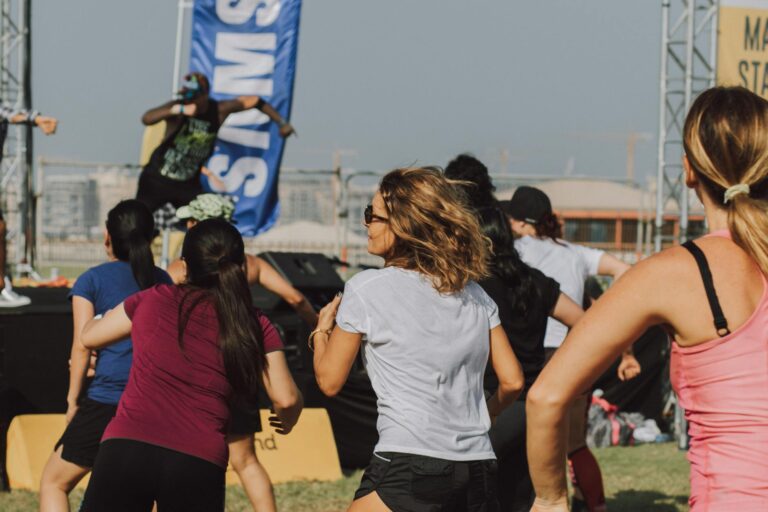
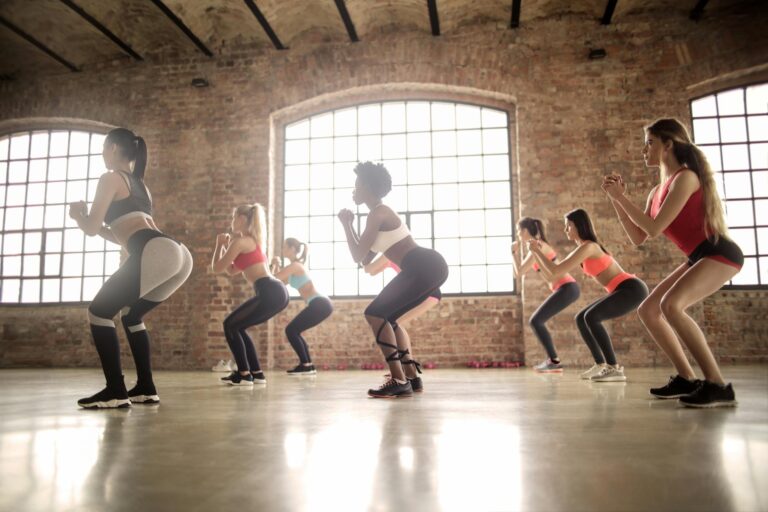
A single hour of Zumba can burn anywhere from 450 to 700 calories for most people, making it one of the more efficient ways to hit a daily calorie burn target without stepping on a treadmill or counting laps in a pool. For someone weighing around 150 pounds and aiming to burn 400 calories in a workout, a full-intensity Zumba class will typically get the job done in under an hour. A 2012 study of 19 healthy female participants ages 18 to 22 confirmed that participants burned an average of 9.5 calories per minute during a 39-minute class, totaling roughly 369 calories per session, and that was in a shorter-than-average class.
But raw calorie numbers only tell part of the story. Whether Zumba can reliably serve as your primary calorie-burning tool depends on your body weight, the intensity you bring, and the specific format you choose. The American Council on Exercise recommends burning 300 to 400 calories per workout at least three days per week for realistic weight loss, which puts a standard Zumba class right in the sweet spot. This article breaks down how many calories different Zumba formats actually burn, what the research says about long-term results, how to structure a weekly schedule around Zumba, and where the approach has real limitations.
Table of Contents
- How Many Calories Does Zumba Actually Burn Toward Your Daily Goal?
- Zumba Formats and Their Different Calorie Burn Profiles
- What the Research Says About Zumba and Long-Term Weight Loss
- How to Structure a Weekly Zumba Schedule for Maximum Calorie Burn
- Why Your Calorie Burn May Be Lower Than Expected
- Combining Zumba With Diet for Consistent Daily Calorie Targets
- The Future of Zumba as a Calorie-Burning Tool
- Conclusion
How Many Calories Does Zumba Actually Burn Toward Your Daily Goal?
The broad claim that zumba burns 300 to 900 calories per hour has circulated for years, but that range is so wide it borders on useless. The more realistic window for most adults is 450 to 700 calories per hour at full intensity. Women weighing between 120 and 170 pounds can expect to land somewhere between 350 and 650 calories during a full one-hour class. If you only have 30 minutes, moderate-intensity Zumba performed five days a week burns approximately 250 to 357 calories per session, which still meets many people’s daily exercise targets. To put this in perspective, compare Zumba against other common cardio options.
A 155-pound person running at a 10-minute-mile pace burns roughly 370 calories in 30 minutes, while cycling at moderate effort burns around 260 calories in the same window. Zumba sits comfortably in that range without requiring any equipment or outdoor conditions. The key variable is effort. Someone going through the motions during the salsa segments will burn significantly fewer calories than someone fully committing to every jump, squat, and arm movement. Heart rate is the honest metric here, not how much you sweat.

Zumba Formats and Their Different Calorie Burn Profiles
Not all Zumba classes are created equal, and the format you choose can swing your calorie burn by several hundred calories in either direction. Standard Zumba fitness classes, built around Latin-inspired dance moves, fall into that 450 to 700 calorie range for most participants. Zumba Toning, which incorporates light weights and resistance movements, and high-intensity Zumba variants are rated at approximately 8.0 METs, burning around 550 to 600 calories per hour for a 70-kilogram person. STRONG Nation, formerly branded as STRONG by Zumba, takes a different approach entirely.
It replaces the dance-centric choreography with high-intensity interval training synced to music, and it burns approximately 400 to 800 calories per hour. A 12-week STRONG Nation study found that participants attending 60-minute classes three times per week while eating a sensible diet lost an average of 1.39 inches in the waist, 1.88 inches in the abs, 1.67 inches in the hip, and 1.68 inches in the mid-thigh. However, if you have joint issues or are new to exercise, jumping straight into STRONG Nation or high-intensity Zumba formats can backfire. The impact load is substantially higher than standard Zumba, and injury risk increases for people who lack a baseline level of conditioning. Starting with a regular Zumba class and progressing to more intense formats over four to six weeks is a safer path that still leads to meaningful calorie burn.
What the Research Says About Zumba and Long-Term Weight Loss
Short-term calorie burn matters, but the real question is whether Zumba produces measurable results over weeks and months. A 2016 study published in the Journal of Sports Science for Health found that participants who did Zumba for eight weeks lost weight, lowered their BMI, and enhanced cardiovascular endurance. These were not marginal changes. The combination of sustained elevated heart rate with full-body movement patterns created both a caloric deficit and cardiovascular adaptation. The ACE recommendation of burning 300 to 400 calories per workout at least three days per week aligns well with what a typical Zumba participant can achieve.
Consider someone who attends three one-hour classes per week and burns an average of 500 calories per session. That adds up to 1,500 calories of exercise-driven burn per week, or roughly the equivalent of losing just under half a pound per week from exercise alone, before any dietary adjustments. Over 12 weeks, that trajectory matches the kind of body composition changes seen in the STRONG Nation study. The caveat that researchers consistently flag is compensation. People who burn 500 calories in Zumba class and then reward themselves with a 600-calorie post-workout smoothie end up in a calorie surplus. The exercise component only works when it is paired with dietary awareness, which is why every credible study on Zumba and weight loss includes a dietary component.

How to Structure a Weekly Zumba Schedule for Maximum Calorie Burn
The most frequently cited recommendation is doing Zumba two to three times per week, combined with weekly strength training and a balanced diet. This approach works because it allows adequate recovery between high-intensity dance sessions while building lean muscle through resistance work, which in turn increases your resting metabolic rate. A practical weekly schedule might look like this: Zumba on Monday and Thursday, strength training on Tuesday and Friday, and a lighter activity like walking or yoga on Wednesday. If your daily calorie burn goal is 400 calories from exercise, two to three Zumba sessions will cover a significant portion of your weekly target, and the strength sessions will fill in the remaining days.
The tradeoff between doing Zumba every day versus mixing in other modalities comes down to injury risk and diminishing returns. Daily Zumba increases repetitive stress on the same joints and movement patterns, while a varied routine distributes the load and keeps the body adapting. For people with less time, 30 minutes of moderate-intensity Zumba five days per week offers an alternative structure. At 250 to 357 calories per session, you are still accumulating 1,250 to 1,785 calories of exercise burn across the week. This approach works particularly well for people who prefer shorter daily sessions over fewer, longer ones.
Why Your Calorie Burn May Be Lower Than Expected
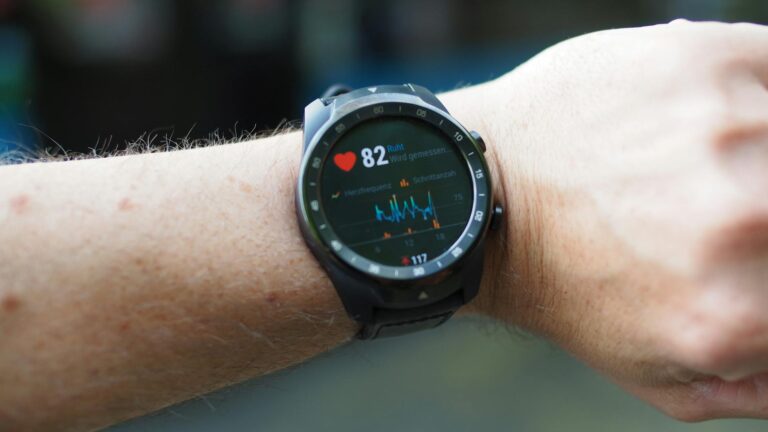
One of the most common frustrations with Zumba is the gap between advertised calorie burn and actual results. The key factors affecting calorie burn include body weight, heart rate, height, age, and effort level. A 130-pound woman in her twenties will burn meaningfully fewer calories than a 200-pound man in his forties performing the same routine, simply because of the physics of moving a larger body through space. Fitness trackers add another layer of confusion. Wrist-based optical heart rate monitors are notoriously inaccurate during dance-style movements because the wrist is constantly changing position and orientation.
Studies have shown that wrist-worn devices can overestimate or underestimate calorie burn by 20 to 30 percent during activities with irregular arm movements. If you are using Zumba as your primary calorie-burning strategy, consider using a chest-strap heart rate monitor for more accurate data, or simply accept that your tracker’s number is an approximation rather than a precise measurement. There is also the intensity honesty problem. Zumba classes are social and fun, which is a genuine advantage for adherence, but it also means that participants sometimes coast through familiar choreography without pushing their heart rate into the zones where meaningful calorie burn occurs. If you have been attending the same class for months and your calorie burn seems to have plateaued, your body has likely adapted to the movement patterns, and you need to either increase intensity, try a different format like STRONG Nation, or add intervals of maximum effort during the high-energy segments.

Combining Zumba With Diet for Consistent Daily Calorie Targets
Consistency is cited as the single most important factor for Zumba-based weight loss success, and it must be paired with a balanced, low-calorie diet. A person burning 500 calories three times per week through Zumba who also maintains a modest daily caloric deficit of 250 calories through dietary choices creates a combined weekly deficit of roughly 3,250 calories, enough for close to a pound of fat loss per week. The practical example that illustrates this well is meal timing around Zumba.
Eating a moderate meal two to three hours before class provides energy without the heaviness that interferes with dance movements, and a protein-rich recovery meal afterward supports muscle repair without overcompensating on calories. The trap that derails many Zumba participants is the post-class social element, where the group goes out for food or drinks and easily consumes more calories than the class just burned. Being aware of this pattern is half the battle.
The Future of Zumba as a Calorie-Burning Tool
Zumba has evolved considerably from its origins as a single-format Latin dance class into a family of programs that includes aquatic versions, kids’ classes, seated formats for older adults, and the high-intensity STRONG Nation variant. This diversification means that as your fitness level changes, your calorie needs shift, or your joints demand lower-impact options, there is likely a Zumba format that fits.
The broader trend in fitness is toward activities that people actually enjoy enough to do consistently, and Zumba has a strong track record on that front. The eight-week and twelve-week studies showing real body composition changes were conducted with participants who showed up regularly, which is the variable that matters more than any single-session calorie number. If you genuinely enjoy the format, Zumba is not just a viable way to reach your daily calorie burn goal, it is one of the more sustainable ones.
Conclusion
Zumba is a legitimate calorie-burning tool that, for most people, delivers 450 to 700 calories per hour at full intensity. Research confirms that consistent participation over eight to twelve weeks produces measurable reductions in weight, BMI, and waist circumference, particularly when paired with sensible eating. The format you choose matters: standard Zumba reliably hits the ACE-recommended 300 to 400 calorie workout threshold, while STRONG Nation and high-intensity variants push the upper boundary for those who want more.
The path to reaching your daily calorie burn goal through Zumba comes down to three things: choosing the right format for your fitness level, showing up two to three times per week with genuine intensity, and not undoing your work through post-class dietary choices. Track your progress with a reliable heart rate monitor, be honest about your effort level, and adjust your format or schedule as your body adapts. Zumba will not outrun a bad diet, but combined with reasonable eating habits, it is one of the more enjoyable ways to maintain a consistent calorie deficit.