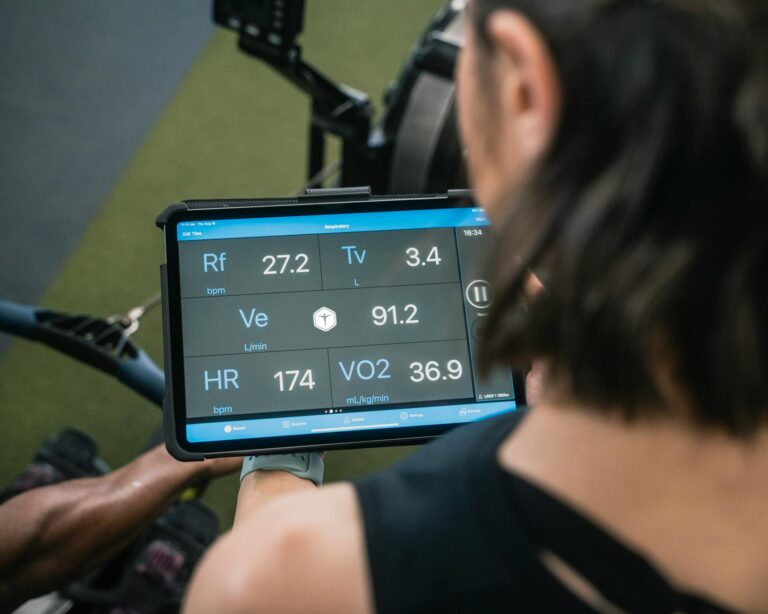
Training efficiency isn’t about cutting corners or doing less. It’s about extracting maximum health benefits from every minute you invest in exercise. The good news: you don’t need to spend hours running each week to achieve significant cardiovascular improvements. By strategically combining different intensities and durations, runners can meet official aerobic activity guidelines—150 minutes of moderate-intensity or 75 minutes of vigorous-intensity aerobic activity per week—while actually saving time compared to exclusively steady-state approaches.
For someone currently running five 60-minute moderate-pace sessions weekly, switching to three high-intensity interval workouts can produce identical cardiovascular benefits while freeing up roughly three hours of training time. The concept of training efficiency centers on understanding that not all exercise minutes count equally. The American Heart Association established that one minute of vigorous-intensity activity is metabolically equivalent to two minutes of moderate-intensity activity. This equivalence means you have flexibility in how you structure your weekly training: you could hit your targets with five one-hour easy runs, or three 25-minute intense workouts, or any combination that works for your schedule and goals. The emerging science around high-intensity interval training (HIIT) and sprint interval training (SIT) has upended the conventional wisdom that endurance athletes must log high volume at moderate pace to see results.
Table of Contents
- What Does Training Efficiency Actually Mean for Runners?
- High-Intensity Interval Training—The Time-Efficient Approach
- Sprint Interval Training for Maximum Adaptation
- Building Your Weekly Training Structure
- The Recovery Demand You Cannot Ignore
- Strength Training and Muscular Efficiency
- The Future of Training Efficiency
- Conclusion
- Frequently Asked Questions
What Does Training Efficiency Actually Mean for Runners?
Training efficiency refers to the ratio of health benefits gained relative to time invested. For endurance runners, this calculation involves understanding work capacity, cardiovascular adaptation, and the specific physiological responses triggered by different intensity zones. The American College of Sports Medicine’s 2026 resistance training guidelines—the first major update in 17 years—emphasize a critical principle: minimum effective dose with quality execution beats high volume with mediocre effort. This philosophy applies equally to aerobic training.
Research shows that endurance athletes adapt best to an 80/20 training distribution: roughly 80 percent of your weekly volume at low intensity with just 20 percent at high intensity. This isn’t permission to coast through most of your running. The low-intensity portion consists of genuine aerobic work where you could sustain conversation but feel moderately challenged. The high-intensity 20 percent is where the transformative adaptations happen—improved VO2 max, better lactate threshold, enhanced mitochondrial density, and increased calorie burn. A practical example: if you’re logging 150 minutes weekly, allocate approximately 30 minutes to high-intensity work (intervals, tempo, or threshold running) and 120 minutes to easier aerobic runs.

High-Intensity Interval Training—The Time-Efficient Approach
High-intensity interval training represents perhaps the most time-efficient training method available to runners seeking significant cardiovascular gains. Research indicates that 20 to 30 minutes per week of HIIT at intensities above 90 percent of maximum heart rate produces optimal aerobic adaptations. The critical finding: three HIIT sessions per week—with only 10 minutes of actual intense exercise per session, nested within 30-minute total training blocks including warm-up and cool-down—reliably improves aerobic capacity and reduces disease risk markers. These aren’t cherry-picked results; this dosage has survived peer review in multiple studies. Consider the time savings: three 45-minute HIIT workouts per week produce the same cardiovascular health improvements as five 60-minute moderate-intensity sessions.
That’s a time savings of three hours weekly while achieving identical fitness gains. Additionally, HIIT burns 25 to 30 percent more calories than steady-state cardio performed for the same duration, making it attractive for runners who want stronger cardiovascular adaptation without running longer. However, HIIT carries legitimate risks if implemented recklessly. The high neuromuscular demand and cardiovascular stress require adequate recovery. Runners new to HIIT should progress gradually, and existing injuries—particularly in knees, hips, or ankles—may worsen under the repeated high-impact demands of interval work.
Sprint Interval Training for Maximum Adaptation
Sprint interval training (SIT) sits at the extreme end of the intensity spectrum and offers even sharper time-to-benefit ratios than HIIT. SIT typically involves all-out efforts lasting 20 to 30 seconds, repeated a few times per session, with complete recovery between sprints. Research on optimal SIT frequency shows that 2 to 3 sessions per week yields the best training outcomes, with diminishing returns—and rising injury risk—when sessions exceed three weekly. The recovery requirement for SIT is substantial. An all-out 30-second sprint demands maximal neuromuscular and metabolic effort; your central nervous system and muscles need genuine recovery between these sessions.
A typical effective SIT protocol might involve two or three sessions weekly, each consisting of four to six all-out sprints of 20 to 30 seconds with complete rest between efforts. The entire training stimulus is accomplished in 15 to 20 minutes including warm-up and recovery. For busy professionals or time-constrained athletes, SIT offers an extreme efficiency advantage. The tradeoff: SIT is uncomfortable, mentally challenging, and places substantial stress on joints and connective tissues. It suits runners with solid base fitness and resilient joints, not those returning from injury or building aerobic capacity from a low starting point.
Building Your Weekly Training Structure
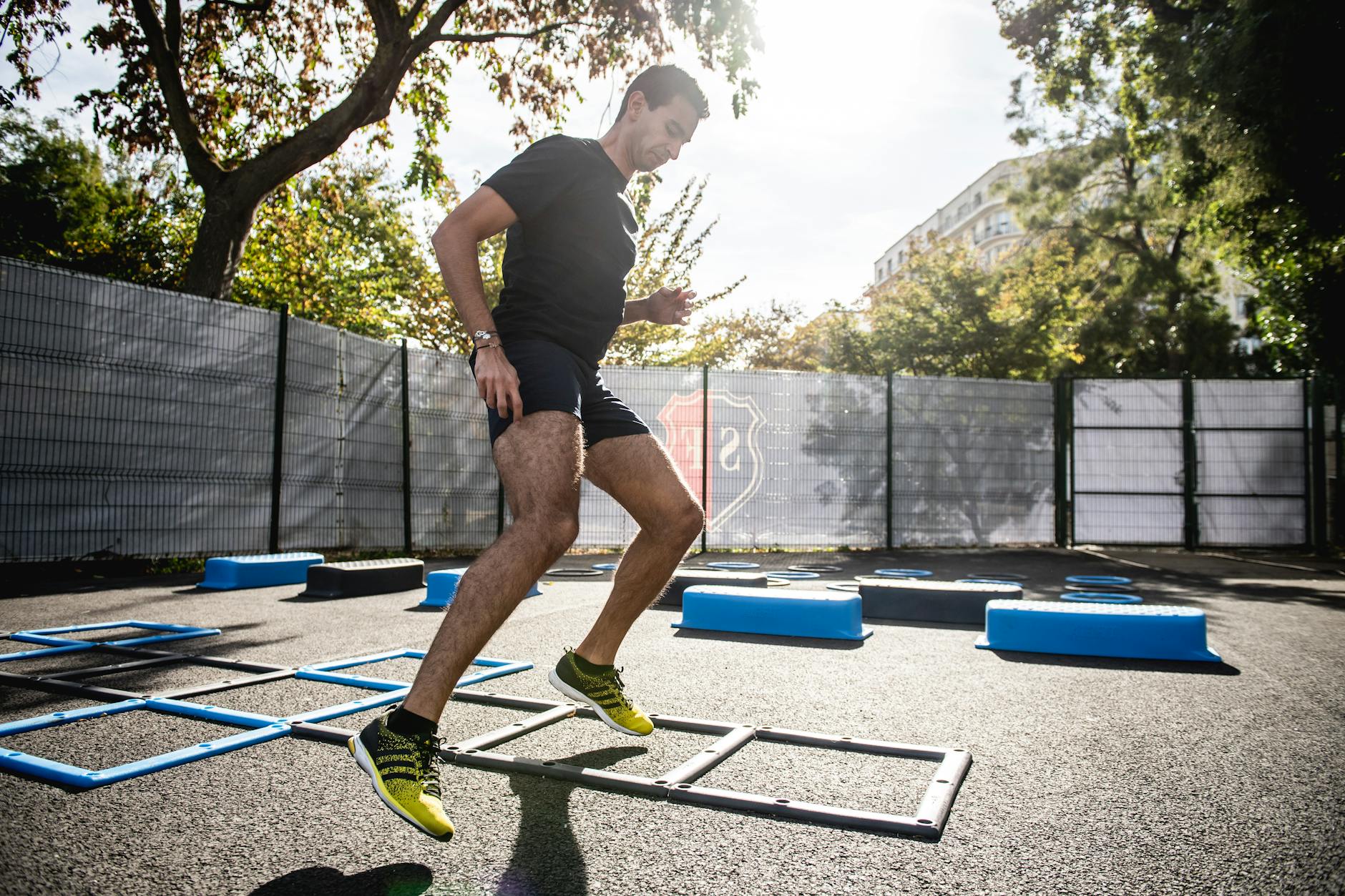
Constructing an efficient training week requires balancing intensity distribution with adequate recovery. The baseline guideline remains clear: aim for 150 minutes of moderate-intensity aerobic activity weekly, or 75 minutes of vigorous intensity, or a combination. For runners integrating HIIT or SIT, the calculation becomes more nuanced because vigorous-intensity work counts at a 2:1 ratio against moderate-intensity time. Here’s a practical weekly structure that honors the 80/20 distribution: Monday and Friday are dedicated low-intensity runs of 35 to 45 minutes each (70 to 90 minutes total).
Tuesday or Thursday includes one HIIT session—perhaps eight 3-minute intervals at 85 to 90 percent effort with 90-second active recovery between efforts, wrapped in a 30-minute session. Wednesday is a moderate-intensity run of 40 to 50 minutes—not quite easy, not quite hard, but in the moderate zone where conversation is difficult but possible. Saturday features either another low-intensity run or a long, slow effort if building endurance for racing. Sunday is a rest or cross-training day. This structure delivers roughly 180 to 200 minutes weekly, with about 30 to 40 minutes in the high-intensity zone, hitting both the 80/20 principle and official activity guidelines.
The Recovery Demand You Cannot Ignore
Intensity and recovery form two sides of the same coin. Many runners undestimate the recovery demands of high-intensity training. HIIT and SIT trigger deeper physiological stress than steady running; your nervous system, hormonal system, and muscle tissue all require genuine recovery time to adapt. Skipping adequate recovery—or compounding HIIT sessions too closely together—invites burnout, compromised immune function, increased injury risk, and performance plateaus. A common mistake is treating recovery days as worthless.
Low-intensity runs, easy cross-training, or complete rest are not “wasting” training time—they’re where adaptation happens. Your body builds fitness during recovery, not during the hard effort itself. The scientific consensus supports 48 hours of recovery between high-intensity sessions, meaning you shouldn’t run HIIT or SIT back-to-back days. Additionally, cumulative fatigue from high training stress can accumulate silently, degrading performance and inviting injury before obvious symptoms appear. Monitor your resting heart rate, sleep quality, and how your body responds in the first few minutes of runs. Rising resting heart rate, persistent poor sleep, or feeling sluggish at the start of easy runs suggests insufficient recovery despite the reduced training volume.

Strength Training and Muscular Efficiency
Comprehensive training efficiency extends beyond aerobic work. The CDC and major sports medicine organizations recommend 2 days per week of muscle-strengthening activities, with 8 to 12 repetitions per set and at least 1 to 3 sets recommended. For runners specifically, strength training addresses muscular imbalances, reinforces bone density, improves running economy, and prevents injuries that would derail your aerobic training entirely.
A practical strength approach fits beautifully into an efficient training week: a 20 to 30-minute session twice weekly focusing on compound movements—single-leg squats, deadlifts, step-ups, and core work—supplements your aerobic training without excessive time commitment. These sessions don’t need to be in a gym; bodyweight variations can be equally effective. The efficiency gains compound: stronger glutes and hip stabilizers improve running efficiency, reduce energy cost of movement, and prevent the cascade of injuries that often result from weakness in supporting musculature.
The Future of Training Efficiency
The updated 2026 ACSM guidelines reflect a broader shift in sports science toward emphasizing quality and intent over volume. This paradigm emphasizes that your training should match your goals with precision. If you’re seeking cardiovascular health and fitness within a busy schedule, the evidence strongly supports a moderate volume of mixed-intensity training rather than grinding out excessive weekly mileage at easy pace.
As training science continues evolving, the consensus on efficiency only strengthens. The person logging 150 minutes of strategically structured training—incorporating adequate intensity, proper recovery, and strength work—will consistently outperform someone running 200+ minutes of monotonous steady-state miles. This isn’t speculation; it’s grounded in decades of research. For runners juggling work, family, and other commitments, this represents genuinely good news: you can achieve excellent fitness without sacrificing your life to training.
Conclusion
Training efficiency means extracting maximum health and fitness benefits from every minute invested. By combining three high-intensity sessions weekly with adequate low-intensity aerobic work and twice-weekly strength training, you can meet and exceed official activity guidelines while potentially saving hours compared to traditional high-volume approaches. The 80/20 distribution—80 percent of volume at low intensity with 20 percent at high intensity—represents the sweet spot for endurance adaptations.
Start by assessing your current weekly training volume and intensity distribution. If you’re running significant mileage at exclusively moderate pace, consider replacing one or two sessions with HIIT work or adding dedicated high-intensity intervals. Monitor your recovery carefully, allow 48 hours between high-intensity sessions, and remember that adaptations happen during rest, not during the workout. The most effective training is the one you can sustain consistently, and efficiency gains often come from better balance between stress and recovery rather than from simply working harder.
Frequently Asked Questions
Do I need HIIT to be an efficient runner?
No. You can meet aerobic guidelines with 150 minutes of moderate-intensity activity alone. HIIT is one tool for efficiency—it reduces time required while maintaining adaptations. If you enjoy steady running and have adequate time, that approach works fine.
Can I do HIIT every day?
No. Optimal frequency is 2 to 3 sessions weekly. More frequent high-intensity work increases injury risk and compromises recovery. Space high-intensity sessions at least 48 hours apart.
How long does it take to see fitness improvements from HIIT?
Cardiovascular adaptations typically appear within 3 to 4 weeks of consistent training. VO2 max improvements may take 6 to 8 weeks. Consistency matters more than individual workouts.
Is my 30-minute easy run wasting time if I’m pursuing efficiency?
No. Easy runs build aerobic base, improve recovery, and provide psychological benefits. The 80/20 principle means 80 percent of your training should feel comfortable. Easy running is foundational.
Can older runners use HIIT safely?
Yes, with appropriate progression. Older athletes should warm up thoroughly, start with shorter intervals, and emphasize recovery. Consult a healthcare provider if you have cardiovascular concerns before beginning intensive training.