Intensity minutes are one of the most reliable indicators of how many calories you actually burn during a Zumba class, far more so than simply tracking how long you danced. When your fitness tracker logs intensity minutes, it is measuring the periods during your workout where your heart rate climbs high enough to produce meaningful cardiovascular and metabolic demand. A standard 60-minute Zumba session might register anywhere from 30 to 55 intensity minutes depending on how hard you push, and that variance directly correlates with calorie burn differences of 200 calories or more between two people in the same class. Someone earning 50 intensity minutes in a session could burn upward of 500 to 700 calories, while someone coasting through the same choreography at lower effort might log only 20 intensity minutes and burn closer to 300. Understanding this relationship matters because so many people fixate on class duration as their primary metric.
You can attend a 60-minute Zumba class and spend a surprising amount of that hour in warm-up, cool-down, transitions between songs, and lower-intensity recovery segments. Intensity minutes strip away the filler and tell you how much of that hour your body was genuinely working. This article covers how intensity minutes are calculated, why they matter more than raw time for calorie estimation, how different Zumba formats affect your numbers, and practical strategies for increasing your intensity minutes without burning out or risking injury. The connection between intensity minutes and calorie burn is not just theoretical. Garmin, Fitbit, and Apple Watch all use variations of this metric, and research from the American Council on Exercise has consistently shown that heart rate zone data is a stronger predictor of energy expenditure than either perceived effort or workout duration alone. If you have been frustrated by inconsistent calorie estimates or plateauing results from Zumba, intensity minutes may be the missing variable you have not been paying attention to.
Table of Contents
- How Do Intensity Minutes Measure Calorie Burn During Zumba?
- Why Raw Workout Duration Is a Poor Predictor of Zumba Calorie Burn
- How Different Zumba Formats Affect Your Intensity Minutes
- Practical Strategies to Increase Intensity Minutes in Zumba Without Overtraining
- Why Your Tracker’s Intensity Minutes Might Be Inaccurate During Zumba
- The Afterburn Effect and How Intensity Minutes Predict It
- The Future of Intensity Tracking in Group Fitness
- Conclusion
- Frequently Asked Questions
How Do Intensity Minutes Measure Calorie Burn During Zumba?
Intensity minutes are earned when your heart rate exceeds a threshold tied to your personal fitness profile, typically around 50 percent of your heart rate reserve for moderate intensity and 70 percent or higher for vigorous intensity. Most major fitness trackers double-count vigorous minutes, meaning one minute at high intensity counts as two intensity minutes. During Zumba, you might hit moderate intensity during a salsa or merengue segment and then spike into vigorous territory during a reggaeton or high-energy interval track. A practical example: if your resting heart rate is 65 and your max is 185, your heart rate reserve is 120 beats per minute. Moderate intensity begins around 125 bpm and vigorous kicks in near 149 bpm for you specifically. The calorie connection is straightforward physiology. Higher heart rates generally reflect greater oxygen consumption, and greater oxygen consumption means more energy burned.
When your tracker records 45 intensity minutes in a Zumba class versus 25 in another session, the difference reflects real metabolic output, not just subjective feelings of effort. A 150-pound person earning 40-plus intensity minutes in Zumba can reasonably expect to burn between 450 and 600 calories in that session, while the same person earning fewer than 25 intensity minutes is likely closer to 250 to 350 calories. It is worth comparing this to a metric like step count, which many people also watch during Zumba. Steps tell you about movement volume but nothing about effort. You could rack up 6,000 steps doing gentle side-to-side shuffles and still log very few intensity minutes. Conversely, holding a deep squat pulse during a slow track might produce zero steps but significant intensity minutes. For calorie estimation purposes, intensity minutes win every time.

Why Raw Workout Duration Is a Poor Predictor of Zumba Calorie Burn
One of the most common mistakes people make when estimating their Zumba calorie burn is assuming that a longer class automatically means more calories burned. A 90-minute Zumba class does not necessarily burn 50 percent more than a 60-minute class. The reason is that fatigue management, song selection, and instructor pacing all influence how much of that extended time is spent at meaningful intensity. Many longer classes include more recovery breaks, longer warm-ups, and a gradual decline in participant effort during the final 20 to 30 minutes. However, if you are someone who can sustain high effort across the full duration of a longer class, then time absolutely matters. The limitation here is individual fitness level.
A well-conditioned participant might maintain vigorous intensity for 45 minutes of a 60-minute class, earning close to 70 intensity minutes when vigorous minutes are doubled. A less-conditioned participant in the same class might only sustain moderate intensity for 30 minutes and spend the remaining time below the threshold entirely. Both attended a 60-minute class, but their calorie burns could differ by 40 to 60 percent. This is also why generic calorie calculators that only ask for your weight and workout duration produce wildly inaccurate results for Zumba. These tools typically assume a constant moderate-to-vigorous effort for the entire session, which almost never happens. If you rely on a calculator that says “Zumba burns 500 calories per hour” without accounting for your actual intensity, you may be overestimating your burn by 100 to 200 calories on any given day. Intensity minutes provide the correction factor these simple calculators lack.
How Different Zumba Formats Affect Your Intensity Minutes
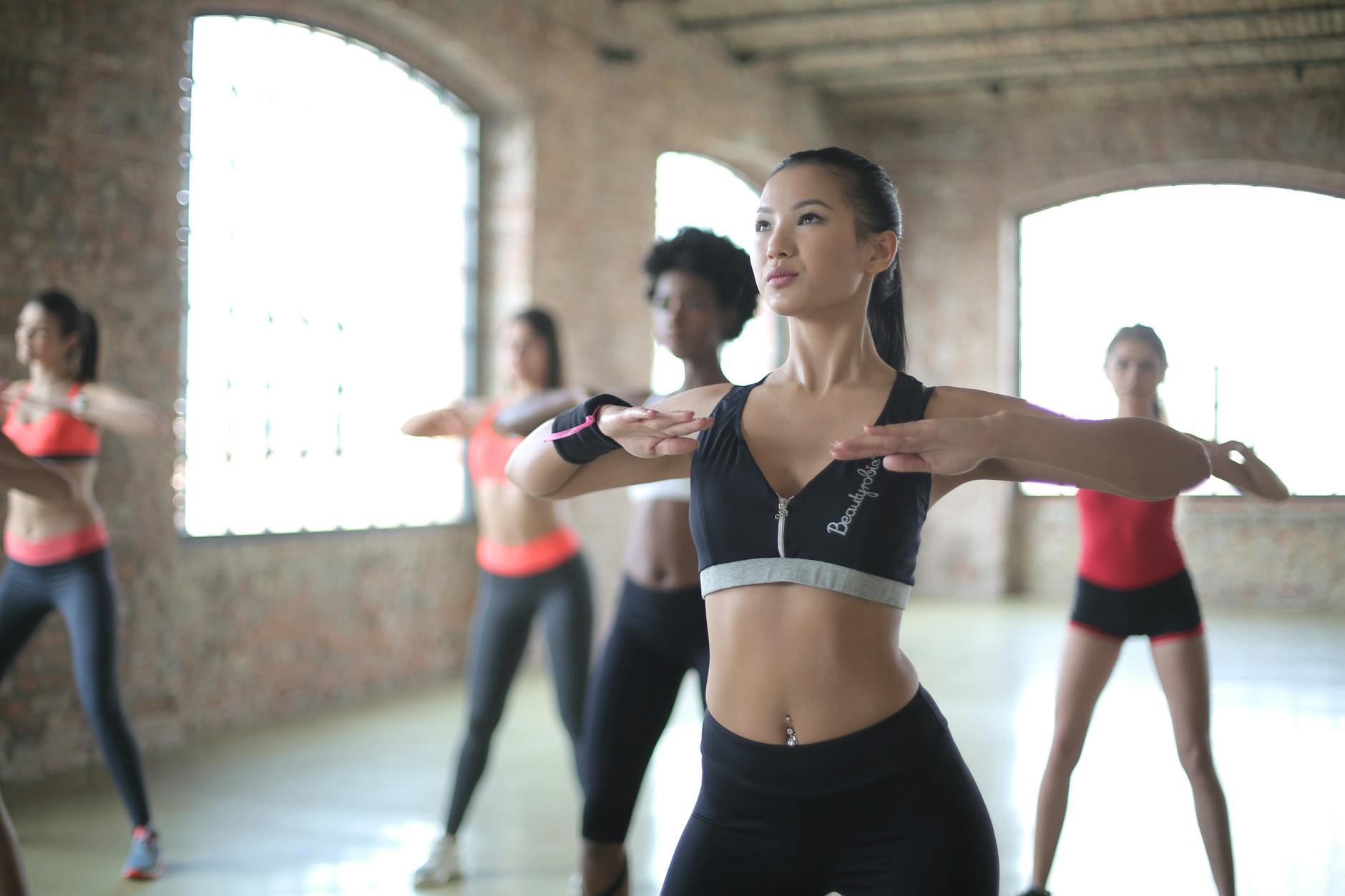
Not all Zumba classes are created equal when it comes to intensity minute accumulation. Traditional Zumba fitness classes tend to produce moderate-to-vigorous intensity for most participants, with typical intensity minute counts ranging from 30 to 50 in a 60-minute session. Zumba Toning, which incorporates light weights, often produces fewer intensity minutes because the resistance work slows down movement speed and keeps heart rates in a lower zone, even though muscles are working hard. The calorie burn from Zumba Toning still matters, but it shows up less in heart rate-based intensity tracking. On the other end of the spectrum, Zumba HIIT and Zumba Step tend to produce the highest intensity minute counts. Zumba HIIT specifically structures alternating intervals of maximum effort and active recovery, which is designed to push heart rates into vigorous zones repeatedly.
A 30-minute Zumba HIIT class can produce 25 to 35 intensity minutes, which, when vigorous minutes are doubled, might register as 40 to 60 intensity minutes on your tracker. For someone with limited time who wants maximum calorie burn per minute, this format delivers more efficiently than a traditional class. Aqua Zumba is a specific example worth mentioning because water-based exercise often confuses heart rate monitors. Water pressure and the cooling effect of pool temperature can suppress heart rate by 10 to 15 beats per minute compared to the same effort level on land. This means your tracker may undercount intensity minutes during Aqua Zumba even though your actual energy expenditure is comparable to a land-based class. If Aqua Zumba is your primary format, be aware that your intensity minutes may not tell the full calorie burn story.
Practical Strategies to Increase Intensity Minutes in Zumba Without Overtraining
The simplest way to earn more intensity minutes during Zumba is to commit fully to the lower body movements. Most of the large muscle group engagement in Zumba comes from the legs and glutes, so deepening your squats, widening your lunges, and adding more hip drive to every movement will push your heart rate up without requiring you to move faster. Compare this to the common approach of just waving your arms more enthusiastically, which engages smaller muscles and has a relatively modest effect on heart rate. A deeper squat during a cumbia track can add 10 to 15 bpm compared to the same movement done with minimal knee bend. Another effective strategy is to minimize your transition downtime. Many participants use the seconds between songs to grab water, check their phone, or simply stand still.
While hydration matters, those 15 to 30 second gaps between tracks add up. Over a 60-minute class with 12 to 15 songs, you might lose 5 to 8 minutes of potential intensity time. Staying in motion during transitions, even with light marching in place, keeps your heart rate from dropping below the intensity threshold and prevents you from having to ramp back up at the start of each new song. The tradeoff to consider is recovery. If you are attending Zumba four or more times per week and pushing for maximum intensity minutes every session, you increase your risk of overuse injuries, particularly in the knees, ankles, and lower back. A more sustainable approach is to designate two or three sessions per week as high-intensity efforts where you chase intensity minutes, and treat remaining sessions as moderate-effort movement days. This periodization mirrors what endurance athletes do and prevents the burnout that comes from treating every class like a competition.
Why Your Tracker’s Intensity Minutes Might Be Inaccurate During Zumba
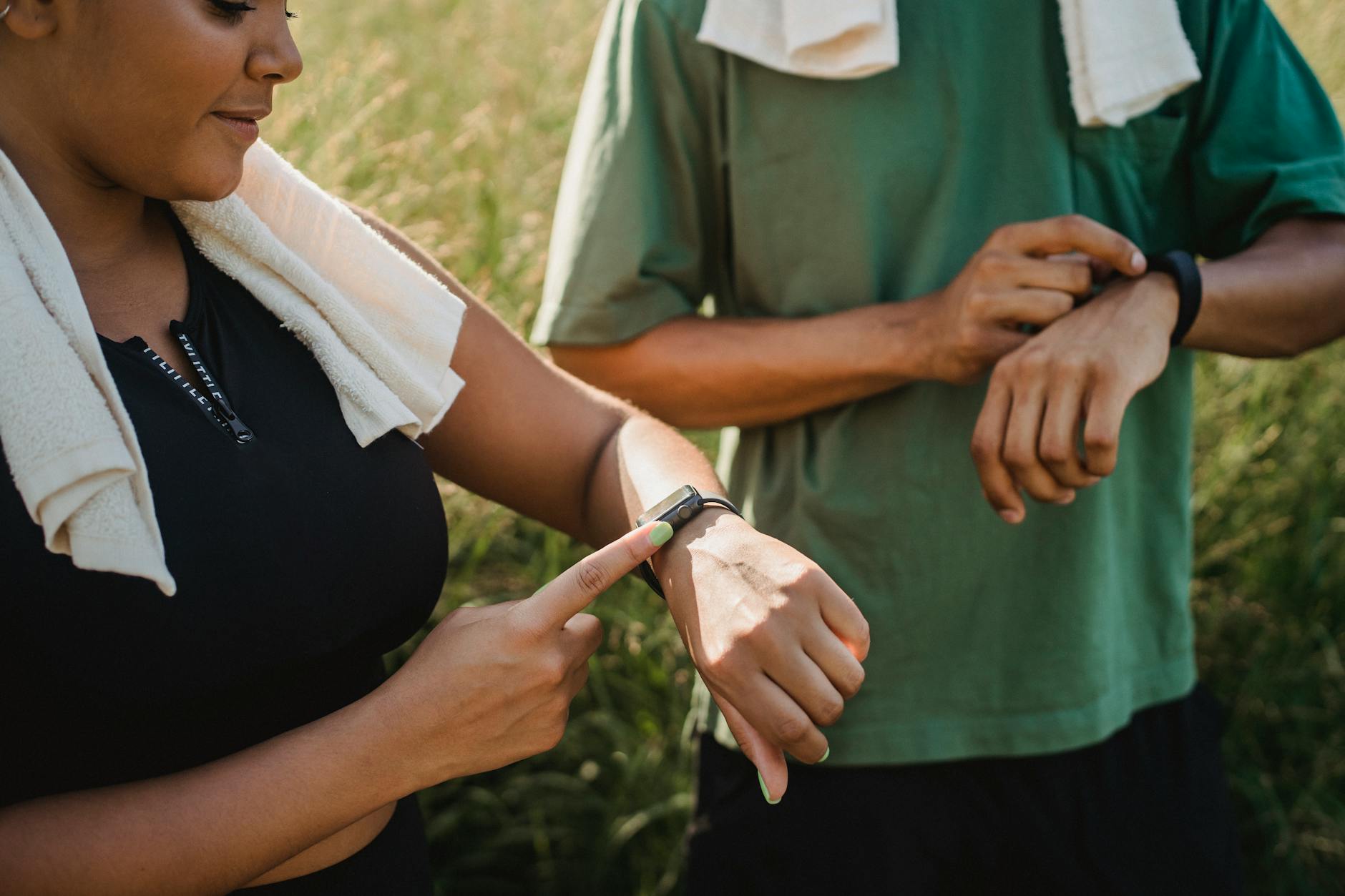
Optical heart rate sensors, the type built into most wrist-worn fitness trackers, struggle with the rapid arm movements characteristic of Zumba choreography. When your wrists are constantly rotating, waving, and pumping, the sensor can lose consistent contact with your skin and produce erratic readings. This can result in both overcounting and undercounting intensity minutes. In a 2019 Stanford study on wearable accuracy during dance-based exercise, wrist-worn monitors showed error rates of up to 27 percent for heart rate during activities involving significant arm movement, compared to under 10 percent for running. A chest strap heart rate monitor largely eliminates this problem. Devices like the Polar H10 or Garmin HRM-Pro measure electrical signals from the heart rather than relying on blood flow detection through the skin, making them far less sensitive to movement artifacts.
If you are serious about using intensity minutes to track your Zumba calorie burn, pairing a chest strap with your watch will give you meaningfully better data. The inconvenience is real, as wearing a chest strap is less comfortable and requires an extra step before class, but the accuracy improvement is substantial enough to change your calorie estimates by 15 to 20 percent on a given session. Another limitation is that intensity minute thresholds are only as good as the personal data you have entered into your tracker. If your maximum heart rate setting is wrong, every intensity minute calculation downstream is compromised. Most trackers default to the 220-minus-age formula, which can be off by 10 to 20 beats in either direction for any individual. If your true max heart rate is 195 but your tracker thinks it is 180, it will award intensity minutes too generously because it believes you are working harder than you actually are. Getting a proper max heart rate estimate through a graded exercise test or at minimum a hard field test makes all your data more trustworthy.
The Afterburn Effect and How Intensity Minutes Predict It
High intensity minutes during Zumba do not just predict calories burned during the class. They also correlate with excess post-exercise oxygen consumption, commonly called the afterburn effect. When you spend more time at vigorous intensity, your body requires additional energy after the workout to restore oxygen levels, clear metabolic byproducts, and repair muscle tissue. Research published in the Journal of Sports Sciences has shown that workouts producing 20 or more minutes at vigorous intensity can elevate resting metabolic rate for 12 to 24 hours post-exercise, adding an estimated 50 to 150 additional calories to your total burn for the day.
For practical purposes, this means a Zumba session where you earned 50 intensity minutes, including 20-plus at vigorous levels, has a meaningfully higher total calorie cost than the number your watch displays at cooldown. Your tracker only reports calories during the active session. The afterburn adds a bonus that you never see on the screen but that your body absolutely experiences. This is one more reason why chasing intensity minutes, particularly vigorous ones, yields compounding returns beyond what the in-class numbers suggest.
The Future of Intensity Tracking in Group Fitness
The next generation of fitness trackers is moving toward continuous metabolic estimation that goes beyond heart rate alone. Newer sensors are beginning to incorporate skin temperature, blood oxygen variability, and movement pattern recognition to better distinguish between different types of effort. For a modality like Zumba, where heart rate can spike from both genuine cardiovascular effort and from excitement or heat, these multi-signal approaches should produce more accurate intensity minute counts and therefore better calorie estimates.
Some Zumba studios have already started integrating real-time heart rate display systems where participants can see their intensity zones on a screen during class. This gamification of intensity minutes has shown promise in early adoption, with studios reporting that participants earn 10 to 15 percent more intensity minutes per session when they can see their heart rate zone in real time. Whether this represents genuinely harder work or simply more consistent effort throughout the class, the result is the same: more accurate tracking, higher calorie burn, and better feedback loops for participants trying to improve their fitness over time.
Conclusion
Intensity minutes are the single most useful metric for understanding and improving your calorie burn during Zumba. They cut through the noise of workout duration, step counts, and generic calorie calculators to tell you how much time your body actually spent working at a level that produces meaningful energy expenditure. Whether you are comparing different Zumba formats, evaluating your own effort across sessions, or troubleshooting a weight loss plateau, intensity minutes provide the actionable data that other metrics cannot.
To get the most from this metric, invest in accurate heart rate monitoring, verify that your tracker’s personal settings reflect your actual physiology, and focus on deepening your movements rather than simply speeding them up. Use intensity minutes as a week-over-week trend rather than obsessing over any single session, and balance high-intensity efforts with adequate recovery. The goal is not to maximize intensity minutes at every class but to use them as a compass that keeps your overall Zumba practice pointed toward genuine cardiovascular and metabolic progress.
Frequently Asked Questions
How many intensity minutes should I aim for in a single Zumba class?
For a standard 60-minute class, 35 to 50 intensity minutes is a solid target for most intermediate participants. Beginners may start in the 20 to 30 range and build from there. If you are consistently hitting fewer than 20, you may need to increase your effort or the class format may not be challenging enough for your fitness level.
Do intensity minutes count the same across all fitness trackers?
The concept is similar but the calculation varies by brand. Garmin uses a system based on heart rate reserve and doubles vigorous minutes. Fitbit tracks Active Zone Minutes using a similar approach. Apple Watch reports exercise minutes but uses a slightly different threshold. The numbers are not directly comparable across platforms, so pick one device and track trends over time rather than comparing numbers between brands.
Can I earn intensity minutes from Zumba if I modify movements due to injury?
Yes, but you will likely earn fewer unless you compensate with increased effort in unaffected body parts. For example, if you cannot do high-impact jumps due to a knee issue, you can still drive your heart rate up by adding more upper body engagement, maintaining a faster pace on low-impact alternatives, or choosing a Zumba format like Aqua Zumba that reduces joint stress while still allowing cardiovascular effort.
Why do I earn more intensity minutes in Zumba than during running even though running feels harder?
This often comes down to heart rate behavior. Zumba involves full-body movement, rapid directional changes, and continuous engagement of both upper and lower body, which can elevate heart rate quickly and sustain it. Running at a conversational pace may feel tiring to your legs but keeps your heart rate in a moderate zone. If your running intensity minutes are lower than expected, you may be running at a steady, moderate effort rather than incorporating intervals or tempo work.
Is it possible to earn too many intensity minutes?
Technically no single session is dangerous for healthy individuals, but consistently logging very high intensity minutes across multiple daily sessions without rest days increases injury and overtraining risk. Most health organizations recommend 150 to 300 minutes of moderate-intensity or 75 to 150 minutes of vigorous-intensity activity per week. If your Zumba habit alone is producing 400-plus intensity minutes weekly, you may want to ensure you are balancing that with adequate recovery and not experiencing symptoms like chronic fatigue, elevated resting heart rate, or persistent soreness.