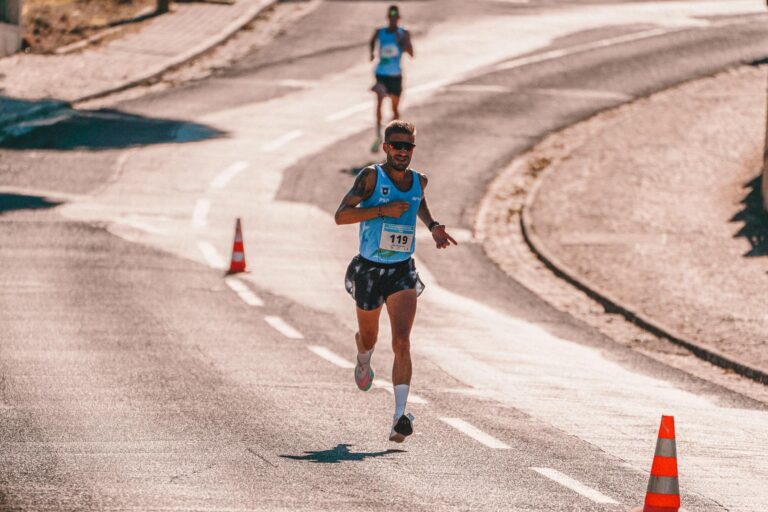
Getting faster is a goal shared by runners at every level. The good news is that speed improvement is achievable with the right training approach and consistent effort.
This guide breaks down the components of running speed, examines training methods that develop each component, and provides practical strategies for implementing effective speed work into your program.
From cadence optimization to interval training to recovery strategies, the information here offers a complete framework for running faster at any distance.
Table of Contents
The Fundamentals of Running Speed
Running speed is determined by two primary factors: stride length and stride frequency (cadence). Understanding how these components interact is essential for improving your pace.
Cadence refers to the number of steps you take per minute. Elite runners typically have cadences of 180+ steps per minute, though optimal cadence varies based on individual biomechanics and pace.
Stride length is how far you travel with each step. Contrary to popular belief, increasing stride length through overstriding is inefficient and increases injury risk. Instead, stride length should increase naturally as a result of improved power and technique.
- Running economy – how efficiently you use oxygen at a given pace
- VO2 max – maximum oxygen uptake capacity
- Lactate threshold – the pace you can sustain without accumulating lactate
- Neuromuscular coordination – how effectively your nervous system controls movement
Training Techniques That Build Speed
Building speed requires a strategic approach that develops all the physiological systems involved in faster running. No single workout type creates complete speed development.
Interval training improves VO2 max and running economy. These sessions involve repeated hard efforts followed by recovery periods. Classic examples include 400-meter repeats, 800-meter intervals, and longer tempo intervals.
Tempo runs build lactate threshold, allowing you to sustain faster paces for longer periods. These “comfortably hard” efforts should feel challenging but controlled.
- Short Intervals (200-400m): Develop speed and leg turnover
- Long Intervals (800-1600m): Build VO2 max and speed endurance
- Tempo Runs: Raise lactate threshold
- Strides: Practice good form at faster paces
- Hill Repeats: Build power and running-specific strength
The Role of Cadence and Stride
Optimizing your cadence and stride can lead to significant speed improvements without requiring greater fitness. These mechanical changes make you a more efficient runner.
Many recreational runners have cadences in the 150-170 range. Gradually increasing cadence toward 180 steps per minute can reduce ground contact time and decrease the braking forces that slow you down.
Focus on landing with your foot beneath your center of mass rather than reaching out ahead. This reduces overstriding and allows you to push off more effectively with each step.
Arm swing also affects running mechanics. Your arms should swing forward and back (not across your body) with elbows at approximately 90 degrees. Relaxed, efficient arm movement supports faster leg turnover.
Recovery and Speed Development
Speed development happens during recovery, not during the workout itself. Hard training creates the stimulus for adaptation, but rest allows those adaptations to occur.
Most runners underestimate the recovery time needed after intense speed work. Plan at least 48 hours between hard sessions, and include easy recovery runs or rest days between quality workouts.
Sleep is the ultimate recovery tool. Growth hormone, essential for muscle repair and adaptation, is released primarily during deep sleep. Aim for 7-9 hours per night, with more during heavy training periods.
- Easy runs promote blood flow and active recovery
- Foam rolling and stretching reduce muscle tension
- Proper hydration supports metabolic processes
- Nutrition timing influences recovery speed
- Stress management affects training adaptation
Measuring and Tracking Progress
Measuring your progress helps ensure your training is moving you toward your speed goals. However, it is important to track the right metrics and understand what they mean.
Time trials at standard distances (mile, 5K) provide objective measures of fitness improvement. Schedule these every 4-6 weeks to track progress without overtesting.
Training paces should improve as fitness develops. If your easy runs feel easier at the same pace, or you can sustain faster paces for the same effort, you are getting fitter.
- Heart rate at given paces (should decrease as fitness improves)
- Rate of perceived exertion during standard workouts
- Recovery time between intervals
- Consistency of training (the most important metric)
- Race times at target distances
How to Get Started
Taking action on what you have learned requires a practical approach. Here is a step-by-step guide for implementing these concepts into your running practice.
Week 1-2: Foundation
- Assess your current fitness level and running habits
- Identify specific goals based on the principles outlined above
- Create a realistic weekly schedule that you can maintain
- Gather any necessary gear or resources
Week 3-4: Implementation
- Begin incorporating new training elements gradually
- Track your runs and note how different approaches feel
- Adjust intensity and volume based on your response
- Establish consistent routines and habits
Week 5 and Beyond: Optimization
- Refine your approach based on initial results
- Add complexity only after mastering basics
- Continue tracking progress and making adjustments
- Consider working with a coach or training plan for advanced progression
Practical Application Tips
Knowledge becomes valuable only when applied consistently. These practical tips help bridge the gap between understanding and action.
Start where you are. Do not wait for perfect conditions or complete readiness. Begin with what you can do today and build from there.
Focus on consistency over intensity. Three moderate runs per week for a year produces far better results than an intense month followed by nothing.
Track what matters. Monitor the metrics that align with your goals, but do not become so focused on data that you lose touch with how running feels.
Embrace the process. Results come from repeated effort over time. Trust the process even when progress seems slow.
Listen to your body. External plans and advice are starting points, but your body provides the most important feedback. Learn to interpret what it tells you.
Connect with others. Running communities provide motivation, accountability, and shared knowledge. Consider joining a local running group or online community.
Celebrate progress. Acknowledge improvements and milestones along the way. Recognition of progress fuels continued effort.
Final Thoughts
Running offers a path to improved health, performance, and wellbeing that is accessible to nearly everyone. The concepts and strategies outlined in this guide provide a foundation for making the most of your running practice.
Remember that running is a long-term endeavor. The most important factor in achieving your goals is consistency over time. Focus on building sustainable habits rather than seeking quick fixes.
Each run contributes to your overall development as a runner, even those that feel difficult or unproductive. Trust the cumulative effect of regular training and remain patient with the process.
The running community welcomes all who lace up their shoes and head out the door. Whatever your goals or current ability, there is a place for you among runners.
Frequently Asked Questions
How often should I run as a beginner?
Start with 3-4 days per week, allowing rest days between runs. This gives your body time to adapt and reduces injury risk. As your fitness improves, you can gradually increase frequency.
What is the best time of day to run?
The best time is whenever you can consistently do it. However, research shows late afternoon runs may offer slight performance benefits due to higher body temperature and lung function.
How do I prevent running injuries?
Focus on gradual progression (no more than 10% weekly mileage increase), proper warm-up, good running form, appropriate footwear, and adequate recovery between sessions.
Should I eat before running?
For runs under 60 minutes, running on an empty stomach is fine for most people. For longer runs, eat a light meal 2-3 hours before or a small snack 30-60 minutes prior.
How do I know if I am running too fast?
Use the talk test – you should be able to hold a conversation during easy runs. If you are gasping for breath, slow down. Most training should be at a comfortable, conversational pace.
What should I do about side stitches?
Slow your pace, breathe deeply from your diaphragm, and gently press on the painful area. Avoid eating large meals before running and ensure proper hydration.
You Might Also Like
Explore more topics: Heart Health | Running Tips | Weight Loss | Longevity