Exercise snacks are short bursts of physical activity—typically lasting just two to five minutes—performed multiple times throughout the day, and the latest science shows they can meaningfully improve your fitness, metabolism, and cognitive function without requiring a gym membership or an hour of dedicated training time. These aren’t just token movements; structured research defines exercise snacks as bouts lasting five minutes or less, performed at least twice daily, at least three times per week for a minimum of two weeks, and meta-analyses now confirm they produce significant improvements in cardiorespiratory fitness for sedentary adults. The appeal is immediate: instead of carving out an hour to exercise, you could do two minutes of stair climbing before breakfast, three minutes of bodyweight squats at lunch, and another two-minute burst in the afternoon—and still see measurable gains in your VO2 max and overall fitness.
The concept challenges the conventional wisdom that exercise only “counts” if it’s sustained and intense. Consider someone who climbs stairs for three minutes twice daily. Research from the British Journal of Sports Medicine shows that repeated bouts of stair climbing improved peak oxygen uptake in inactive young women, with findings replicated across young adult populations. These tiny intervals accumulate, and because they fit so easily into daily life—before a shower, while waiting for water to boil, during a work break—they address one of the most consistent barriers to fitness: time.
Table of Contents
- What Exactly Are Exercise Snacks and How Do They Work?
- Cardiorespiratory and Physical Performance Gains
- Metabolic Health and Blood Sugar Control
- Brain Health and Cognitive Function
- Safety, Feasibility, and Adherence in Real Life
- Social Media Trends and Generational Shift
- The Limitations and What Exercise Snacks Cannot Replace
- Conclusion
What Exactly Are Exercise Snacks and How Do They Work?
The term “exercise snack” isn’t just clever branding; it describes a specific intervention with measurable parameters. A structured exercise snack session lasts five minutes or less, typically involves higher intensity relative to continuous steady-state exercise, and is repeated at least twice daily, at least three times per week. The most effective protocols combine multiple snacks throughout the day, which means the cumulative dose can actually rival longer, traditional sessions. The intensity is key: most research showing benefits used vigorous-intensity exercise—think stair climbing, burpees, jump squats, or all-out cycling sprints—crammed into those brief windows.
What makes this different from simply being more active is the structured, intentional nature. A casual stroll or fidgeting at your desk doesn’t count as an exercise snack. The intervention requires commitment to timing, frequency, and intensity. Some of the most-studied protocols use workplace-integrated exercise (performed during work hours, often with no equipment needed), while others target pre-meal timing specifically to address blood sugar control. The accessibility is part of why adherence rates have been surprisingly high in randomized controlled trials—participants stick with brief, frequent exercise more consistently than they do with traditional gym routines.

Cardiorespiratory and Physical Performance Gains
A meta-analysis published in peer-reviewed journals found that exercise snacks produced significant improvements in cardiorespiratory fitness in physically inactive adults, with researchers grading the evidence as “moderate certainty,” meaning the findings are robust across multiple studies. Participants saw real gains in VO2 peak—the maximum amount of oxygen your body can utilize during intense exercise, a fundamental marker of cardiovascular health and longevity. Beyond just heart health, the same meta-analysis documented significant increases in peak power output (crucial for functional strength) and performance on the 60-second sit-to-stand test, a clinical measure that predicts fall risk and mobility in aging populations. The muscular benefits extend beyond cardiovascular adaptation.
Research in the Scandinavian Journal of Medicine and Science in Sports showed participants increased both absolute peak power output and maximal oxygen uptake, while also achieving more repetitions in lower-body strength endurance tests. Body fat percentage was significantly reduced across exercise snacks interventions, even without formal dieting—a result that matters because it suggests metabolic adaptation, not just activity-based calorie burning. One important limitation, however: the research hasn’t shown meaningful improvements in lower limb muscular strength or traditional strength-building metrics. If you’re training for maximum leg strength, exercise snacks alone won’t replace progressive resistance training, though they appear to enhance general functional capacity.
Metabolic Health and Blood Sugar Control
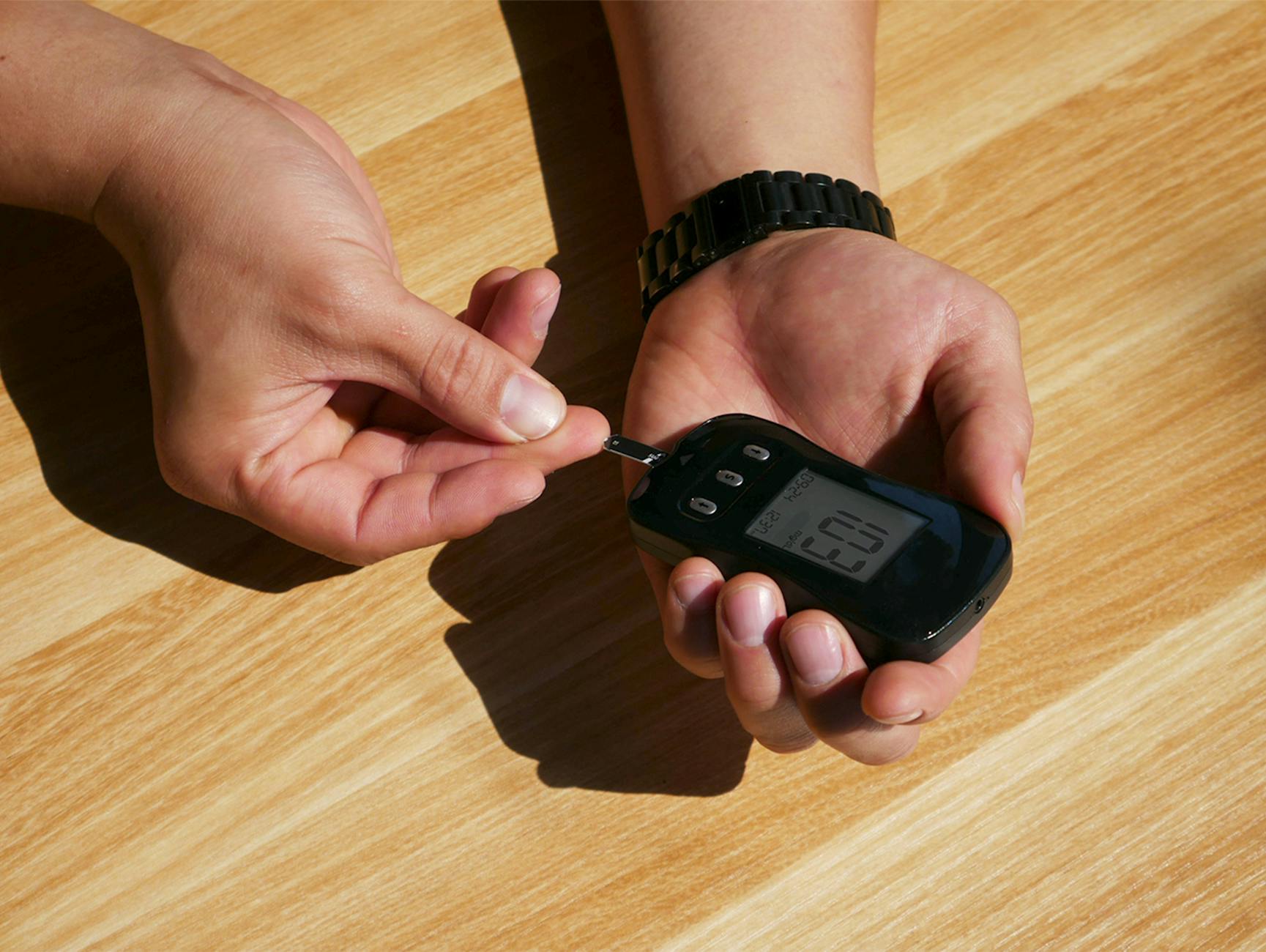
One of the more compelling findings comes from metabolic research, particularly studies examining how exercise timing affects blood sugar. Short, high-intensity exercise snacks performed immediately before meals improved postprandial glycemia—the spike in blood glucose after eating—more effectively than continuous exercise in individuals with insulin resistance. This is significant because blood sugar management is foundational to metabolic health and disease prevention. The mechanism is direct: muscle contraction increases glucose uptake independent of insulin signaling, so a brief squat session or stair climb before lunch literally soaks up some of the glucose that would otherwise spike your bloodstream.
Beyond immediate glucose handling, exercise snacks interventions have been shown to favorably alter plasma metabolomic profiles in sedentary, obese adults—meaning the molecular signature of their metabolism shifted toward healthier patterns. This suggests systemic benefits that extend beyond simple calorie burning. However, one caveat worth noting: the overall meta-analyses haven’t shown significant improvements in blood pressure or blood lipid profiles (cholesterol, triglycerides) from exercise snacks alone. While individual studies sometimes show these benefits, the evidence isn’t consistent across the board, so you shouldn’t view exercise snacks as a standalone intervention for hypertension or lipid management without also addressing diet and potentially other lifestyle factors.
Brain Health and Cognitive Function
Exercise snacks appear to have profound effects on cognition, a benefit that surprised many researchers who initially focused on physical outcomes. A 2025 study published in General Hospital Psychiatry followed older adults who participated in short exercise sessions of two to five minutes and found they had higher mental function and better cognitive outcomes compared to sedentary controls. The effect was particularly pronounced in executive function—planning, decision-making, and cognitive flexibility—which tend to decline with age and sedentary behavior. These aren’t marginal improvements; the cognitive enhancements were measurable and consistent.
Workplace-integrated brief vigorous exercise produced both immediate and sustained improvements across all cognitive outcome measures, according to research in MDPI’s Sports Journal. What’s remarkable is the immediacy: cognitive boost wasn’t delayed or requiring weeks to appear. People performed better on executive function tasks right after a two-minute exercise burst than they did when they’d been sitting. This opens a practical application: students or professionals facing cognitive demands—meetings, problem-solving, creative work—could potentially use exercise snacks as a performance tool, much like others might use caffeine. For aging populations, the implications are substantial, given that cognitive decline and loss of independence are significant health concerns.
Safety, Feasibility, and Adherence in Real Life
One reason exercise snacks are gaining traction in research is that they’ve consistently proven feasible and safe across diverse populations. A 2024 review in Sports Medicine concluded that exercise snacks “appear feasible and safe” with high adherence rates throughout the day, even in sedentary or deconditioned individuals. The safety profile makes sense: brief exercise bouts distribute the cardiovascular and musculoskeletal stress that would concentrate in a single long session. Someone who would feel sore or fatigued after a 30-minute workout might complete multiple five-minute sessions throughout the day with minimal soreness and good recovery between bouts.
Adherence has been particularly impressive in workplace settings, where randomized controlled trials have confirmed that integrated exercise snacks remain feasible even in structured environments with time constraints. People are more likely to stick with a brief stair climb twice daily than a 45-minute gym commitment after work. That said, a critical warning: the safety and feasibility assume appropriate intensity and technique. A two-minute all-out sprint on a stationary bike is safe for most people, but a poorly executed set of heavy loaded movements in a rushed moment could still cause injury. The safety advantage of brief exercise assumes the exercise itself is performed with basic competency.

Social Media Trends and Generational Shift
Exercise snacks have exploded on social platforms, and the data reflects this momentum. According to Virlo analytics, five to fifteen minute routines significantly outperform traditional gym content on social media. Across TikTok, Instagram, and YouTube, over 76% of trending fitness content consists of no-equipment workouts designed for time-constrained audiences. This isn’t just marketing trend-chasing; the social media dominance reflects real consumer demand. People are searching for and sharing short, effective workouts because they work for actual daily life.
The generational shift is meaningful. Younger fitness enthusiasts and time-constrained professionals aren’t aspiring to the gym-five-days-a-week lifestyle anymore; they’re building fitness into their existing routines. A three-minute kitchen dance before breakfast, resistance band work during work breaks, or jumping jacks while a video loads all count. The social reinforcement—seeing peers post their brief workouts and results—has likely accelerated adoption. From a practical standpoint, if you’re using fitness apps or social platforms for motivation, exercise snacks align perfectly with how people actually consume fitness content and find community around movement.
The Limitations and What Exercise Snacks Cannot Replace
While the research on exercise snacks is encouraging, it’s important to understand what they don’t reliably improve. Meta-analyses haven’t demonstrated significant effects on lower limb muscular strength, blood pressure control, or traditional cardiometabolic lipid profiles. This means exercise snacks shouldn’t be viewed as a complete substitute for structured strength training if building muscle and strength is a priority.
They’re best understood as a complement to, not a replacement for, comprehensive fitness programming. Looking forward, the research trajectory suggests exercise snacks will likely become a standard recommendation for sedentary and time-constrained populations, especially given the emerging cognitive and metabolic benefits. However, the field will need to clarify optimal protocols—what intensity, frequency, and type of movement maximizes different outcomes. Current evidence supports high-intensity snacks for fitness, pre-meal timing for glucose control, and cognitive demands for executive function, but personalized guidance will likely emerge as research expands.
Conclusion
Exercise snacks represent a genuine paradigm shift in how sedentary people can access fitness benefits. The science is clear: structured bursts of two to five minutes, performed multiple times daily at least three days weekly, improve cardiorespiratory fitness, enhance cognitive function, regulate blood sugar, and appear safe and sustainable for most people. The moderate certainty of evidence for cardiorespiratory gains, combined with the psychological advantage of feasibility, makes exercise snacks a practical entry point for people who’ve struggled with traditional exercise programs.
The practical next step is simple: start where you are. If you’re sedentary, a few bouts of stairs, bodyweight movements, or high-intensity effort scattered through your day will likely improve your fitness and mental clarity. If you’re already training, exercise snacks can augment your routine during work or add performance-enhancing cognitive boosts before demanding tasks. The research isn’t claiming exercise snacks are all you need—strength training and longer aerobic work serve distinct purposes—but as an accessible, science-backed tool for accumulating movement and reaping measurable health benefits, they’ve earned their place in contemporary fitness practice.