The most unorthodox fitness belief ever held by a president belongs to Calvin Coolidge, the 30th President of the United States, who was genuinely convinced that riding an electric horse machine would provide him with all the cardiovascular benefits of actual horseback riding without ever leaving the White House. This peculiar approach to presidential fitness stands out not merely for its eccentricity but for how fundamentally it misunderstood the nature of physical exercise during an era when America was beginning to grapple with questions about health, longevity, and the demands of high office. Coolidge served from 1923 to 1929, a period when exercise science was still in its infancy and the relationship between cardiovascular fitness and overall health remained poorly understood by the general public. While his predecessor, Theodore Roosevelt, had famously championed the strenuous life through boxing, hiking, and swimming, Coolidge took an entirely different approach.
Known as “Silent Cal” for his taciturn nature, the president believed he could maintain his fitness by sitting on a mechanical device that simulated the movements of horseback riding. The machine, which vibrated and rocked back and forth, became a fixture in the White House, with Coolidge reportedly using it for sessions lasting up to fifteen minutes while sometimes wearing his formal attire. Understanding this historical curiosity matters for modern runners and fitness enthusiasts because it illuminates how far our understanding of cardiovascular health has progressed. The Coolidge era represents a time when passive exercise machines were marketed as legitimate alternatives to active physical exertion, a misconception that persists in various forms today. By examining this presidential fitness folly, readers will gain perspective on the evolution of exercise science, learn why passive movement cannot replicate the cardiovascular benefits of running and active exercise, and perhaps find renewed appreciation for the simple, proven effectiveness of putting one foot in front of the other.
Table of Contents
- What Was the Most Unorthodox Fitness Belief a President Actually Practiced?
- The Historical Context of Presidential Fitness Beliefs and Practices
- Why Passive Exercise Machines Fail to Deliver Cardiovascular Benefits
- Modern Exercise Science and What Presidents Get Right About Fitness Today
- Common Fitness Misconceptions That Echo Presidential Exercise Myths
- The Legacy of Unorthodox Presidential Fitness in American Culture
- How to Prepare
- How to Apply This
- Expert Tips
- Conclusion
- Frequently Asked Questions
What Was the Most Unorthodox Fitness Belief a President Actually Practiced?
Calvin Coolidge’s electric horse represented one of the strangest presidential fitness beliefs in American history. The device, manufactured by a company specializing in therapeutic equipment, consisted of a saddle mounted on a mechanical base that could simulate various gaits of horseback riding. Coolidge believed that the passive motion of being jostled on this machine would strengthen his core, improve his circulation, and provide cardiovascular benefits comparable to actual riding. He reportedly used the device daily, sometimes multiple times, viewing it as an efficient way to exercise without the time commitment or physical demands of genuine athletic activity.
The president’s faith in this mechanical contraption reflected broader cultural attitudes of the 1920s, when technology was revolutionizing daily life and many Americans believed that machines could improve virtually any human endeavor, including physical fitness. Advertisements of the era promoted various passive exercise devices as scientific breakthroughs that could deliver the benefits of strenuous activity without the associated effort or discomfort. Coolidge, a man known for his frugality with both words and energy, found this promise particularly appealing. What made this belief genuinely unorthodox was not merely its oddity but its fundamental misunderstanding of how exercise affects the human body:.
- **Cardiovascular engagement requires active effort**: The heart rate elevation and sustained exertion that produce cardiovascular adaptations cannot be achieved through passive movement. While Coolidge’s horse may have jostled his body, his heart rate remained essentially at resting levels.
- **Muscle fiber recruitment demands voluntary contraction**: Building strength and endurance requires the nervous system to actively recruit muscle fibers. Simply having muscles moved by an external force produces minimal adaptive response.
- **Metabolic benefits depend on energy expenditure**: The caloric burn and metabolic improvements associated with exercise require the body to generate movement, not merely receive it. Sitting on a vibrating machine burns roughly the same calories as sitting in a rocking chair.

The Historical Context of Presidential Fitness Beliefs and Practices
To fully appreciate the peculiarity of Coolidge’s electric horse, one must understand the broader landscape of presidential fitness during the early twentieth century. Theodore Roosevelt had left an indelible mark on American attitudes toward physical vigor, regularly engaging in boxing matches (until a blow detached his retina), leading grueling hikes through Rock Creek Park, and practicing judo in the White House basement. Roosevelt believed that the demands of the presidency required supreme physical condition, and he openly disdained men who avoided strenuous activity. Coolidge represented an almost complete reversal of this philosophy.
Born in Vermont in 1872, he came of age during a period when genteel society often viewed excessive physical activity with suspicion. Manual labor was for the working classes, and a certain physical reserve was considered appropriate for men of education and position. When Coolidge assumed the presidency following Warren Harding’s sudden death in 1923, he brought these attitudes with him, preferring his mechanical horse to any form of genuine athletic endeavor. The contrast between Coolidge and his contemporaries in office reveals how presidential fitness beliefs have varied dramatically:.
- **William Howard Taft** struggled with his weight throughout his presidency (1909-1913), at one point exceeding 340 pounds, and attempted various dietary interventions with limited success. His physician prescribed golf and horseback riding, but Taft found sustained exercise difficult.
- **Woodrow Wilson** was an avid golfer who played nearly every day regardless of weather, recognizing that the walking involved provided genuine cardiovascular benefit. He played an estimated 1,200 rounds during his presidency.
- **Herbert Hoover**, who succeeded Coolidge, invented a game called “Hooverball” specifically designed to provide efficient exercise. The game involved teams throwing a weighted medicine ball over a volleyball net and required genuine physical exertion.
Why Passive Exercise Machines Fail to Deliver Cardiovascular Benefits
The fundamental flaw in Coolidge’s fitness belief lies in the basic physiology of cardiovascular adaptation. When a runner hits the pavement or a cyclist climbs a hill, the body undergoes a cascade of physiological responses that drive long-term improvements in cardiovascular health. The heart beats faster and harder, pumping blood to working muscles that demand increased oxygen delivery. Over time, this stress causes the heart to become stronger and more efficient, the blood vessels to become more elastic and numerous, and the muscles to develop greater capacity for utilizing oxygen.
None of these adaptations can occur from passive movement. Research conducted throughout the twentieth century conclusively demonstrated that the body’s cardiovascular system responds to internal demands, not external movements. A person being jostled on a mechanical horse experiences roughly the same cardiovascular challenge as someone sitting in a car traveling over a bumpy road. The heart has no reason to adapt because no adaptation is required. Modern exercise science has identified specific thresholds that must be crossed to achieve cardiovascular benefit:.
- **Heart rate must elevate significantly**: Exercise physiologists generally recommend sustained activity at 50-85% of maximum heart rate for cardiovascular improvement. Passive motion devices rarely elevate heart rate above resting levels.
- **Duration matters**: Benefits accumulate when elevated heart rate is maintained for extended periods, typically 20-60 minutes for running and similar activities. Brief jolts of movement provide no cumulative effect.
- **Progressive overload drives adaptation**: The body improves only when challenged beyond its current capacity. Passive devices provide the same stimulus regardless of fitness level, offering no progression and therefore no adaptation.
Modern Exercise Science and What Presidents Get Right About Fitness Today
Contemporary presidents have access to exercise science research that Coolidge could never have imagined, and their fitness routines reflect this knowledge. Barack Obama maintained a rigorous workout schedule that included 45-minute sessions combining strength training and cardiovascular exercise, typically beginning at 6:30 AM. George W. Bush was an avid runner who completed multiple marathons before his presidency and continued running three miles daily while in office, eventually switching to mountain biking after developing knee problems.
These approaches reflect evidence-based understanding of how exercise produces health benefits. The evolution from Coolidge’s passive machine to modern presidential fitness routines parallels the broader development of exercise science as a discipline. The Harvard Fatigue Laboratory, established in 1927, began systematic study of human performance and metabolism, laying groundwork for understanding why active exercise produces results that passive movement cannot match. Subsequent decades brought increasingly sophisticated research methods, culminating in the landmark studies of the 1960s and 1970s that established clear dose-response relationships between cardiovascular exercise and health outcomes. Contemporary guidelines for cardiovascular fitness emphasize principles that directly contradict Coolidge’s approach:.
- **Active participation is non-negotiable**: The American Heart Association recommends at least 150 minutes per week of moderate-intensity aerobic activity or 75 minutes of vigorous activity. Both definitions require active effort.
- **Multiple modalities work equally well**: Running, cycling, swimming, and brisk walking all produce cardiovascular benefits because they share the common feature of requiring sustained muscular effort and elevated heart rate.
- **Consistency trumps technology**: Simple, accessible activities practiced regularly outperform any technological shortcut. A president who walks briskly for 30 minutes daily will achieve far greater fitness than one who sits on the most sophisticated vibration platform.
Common Fitness Misconceptions That Echo Presidential Exercise Myths
The Coolidge electric horse may seem like a quaint historical curiosity, but its underlying misconception persists in various forms today. Modern fitness consumers spend billions of dollars annually on products that promise exercise benefits without exercise effort, from vibration platforms that claim to burn fat while users stand passively to electronic muscle stimulators marketed as alternatives to strength training. These products represent the direct descendants of Coolidge’s mechanical horse, updated with contemporary technology but built on the same flawed premise. The persistence of passive exercise myths reflects powerful psychological biases that affect how people approach fitness.
The desire for efficiency leads many to seek shortcuts that promise maximum results with minimum effort. The appeal of technology suggests that surely some device must exist that can hack the body’s systems and produce adaptation without work. And the discomfort associated with genuine exercise makes any alternative seem attractive. Coolidge himself reportedly disliked physical exertion and found his electric horse an appealing way to maintain the appearance of fitness-consciousness without the associated discomfort. Runners and serious fitness enthusiasts can learn from these historical mistakes:.
- **There are no shortcuts to cardiovascular adaptation**: The body responds to genuine physiological stress, not simulated movement. Time spent on passive devices is time not spent on effective exercise.
- **Skepticism toward miracle products is warranted**: If a fitness device promises results without effort, it almost certainly cannot deliver. The same marketing language used to sell Coolidge-era mechanical horses appears in contemporary advertising.
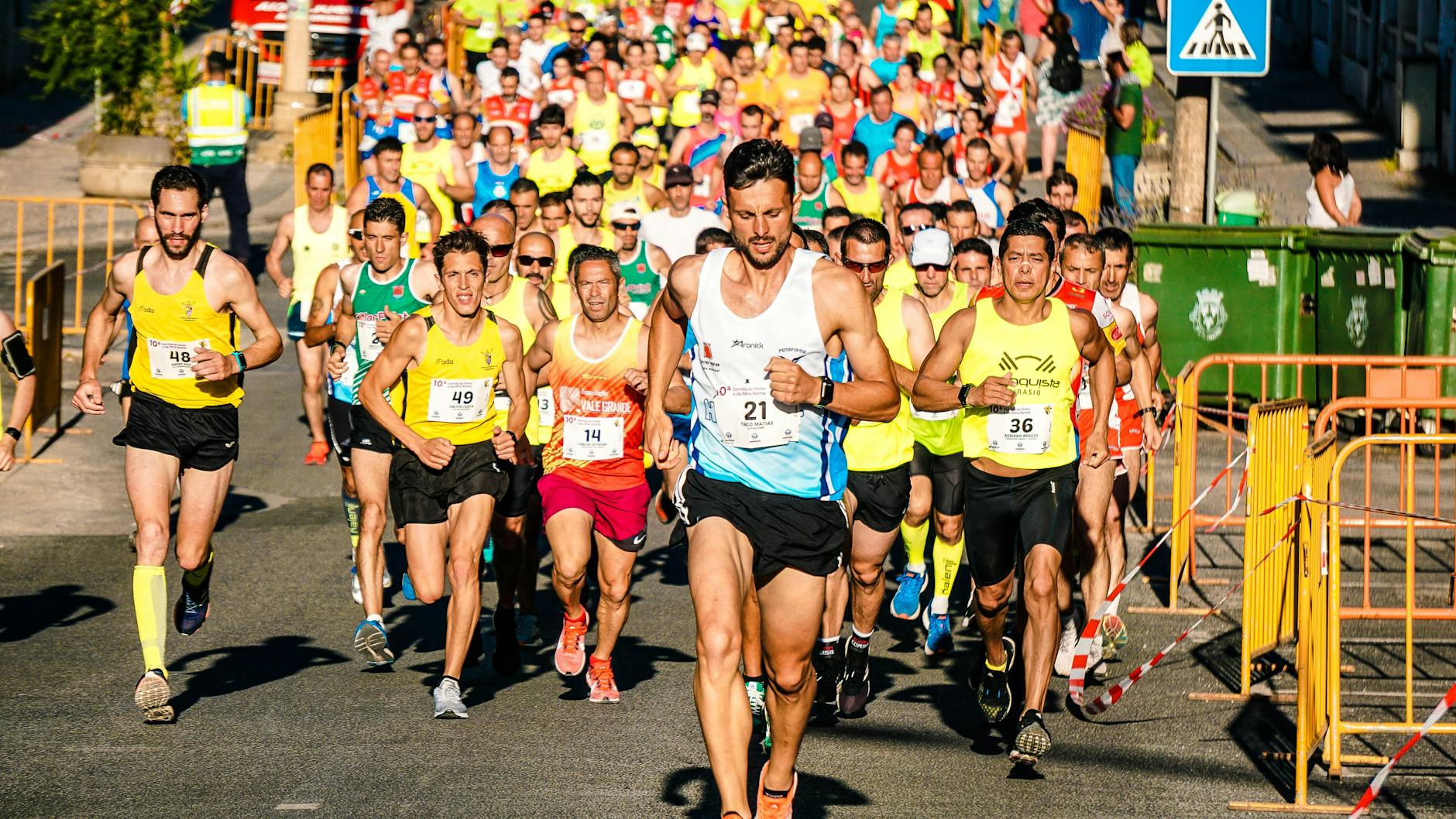
- **Simple activities remain most effective**: Running requires no equipment beyond appropriate shoes and no technology beyond a functioning human body. Its simplicity is a feature, not a limitation.
The Legacy of Unorthodox Presidential Fitness in American Culture
Calvin Coolidge’s electric horse occupies a peculiar place in the cultural history of American fitness. While he is remembered primarily for his taciturn communication style and hands-off approach to governance, his exercise habits offer a revealing window into early twentieth-century attitudes toward health and technology. The photograph of Coolidge astride his mechanical horse, wearing a suit and appearing characteristically expressionless, has become an iconic image representing the sometimes misguided intersection of technology and fitness. The broader legacy of presidential fitness beliefs extends beyond any single administration. Americans have long looked to their presidents as exemplars of various virtues, including physical vigor.
When Theodore Roosevelt championed the strenuous life, rates of participation in outdoor activities increased. When John F. Kennedy emphasized physical fitness as a national priority, schools expanded their physical education programs. Presidents both reflect and shape cultural attitudes toward exercise, making their personal beliefs and practices more consequential than those of private citizens. Coolidge’s faith in his electric horse, while perhaps harmless in his individual case, represented and reinforced a broader cultural willingness to believe that technology could substitute for physical effort.
How to Prepare
- **Establish baseline cardiovascular capacity through assessment**: Before beginning any training program, determine current fitness levels through simple tests like a timed one-mile walk or run. This provides a starting point for measuring progress and ensures that training intensity is appropriate for current ability. Unlike passive devices that provide the same stimulus regardless of fitness level, effective training must be calibrated to individual capacity.
- **Select activities that require genuine muscular effort**: Choose cardiovascular exercises that demand active participation and sustained effort. Running, cycling, swimming, rowing, and brisk walking all qualify because they require continuous muscular contraction and energy expenditure. Avoid any activity that allows the body to remain passive while an external device creates movement.
- **Plan progressive increases in training volume and intensity**: The body adapts to stress by becoming more capable of handling similar stress in the future. Effective training programs gradually increase demands, forcing continuous adaptation. A running program might begin with 15 minutes of jogging three times weekly and progress to 45 minutes five times weekly over several months.
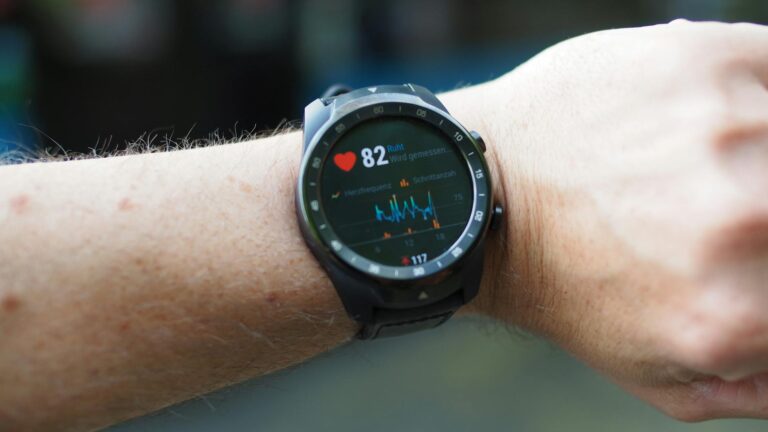
- **Monitor heart rate to ensure adequate intensity**: Use perceived exertion or a heart rate monitor to verify that exercise sessions achieve necessary intensity. Moderate exercise should feel somewhat hard and elevate breathing noticeably. If an activity allows comfortable conversation without breathlessness, intensity is likely insufficient for optimal cardiovascular adaptation.
- **Maintain consistency over extended periods**: Cardiovascular fitness develops through accumulated training stress over weeks, months, and years. Sporadic exercise, like sporadic use of a mechanical horse, produces minimal lasting benefit. Commit to regular training sessions as a permanent lifestyle feature rather than a temporary intervention.
How to Apply This
- **Start each week with a written training schedule**: Document planned workouts for the coming seven days, specifying activity type, duration, and intended intensity. Written plans increase adherence and provide accountability that casual intentions cannot match.
- **Execute training sessions at appropriate intensity levels**: During each workout, pay attention to effort level and adjust pace to maintain target intensity. Easy runs should feel easy, allowing conversation. Hard sessions should feel challenging and limit speech to short phrases. This self-regulation ensures that training produces intended physiological effects.
- **Track completed workouts and note responses**: Maintain a simple training log recording completed sessions and relevant details including distance, duration, average heart rate, and subjective feelings. This record allows identification of patterns and informs future training decisions.
- **Evaluate progress monthly and adjust plans accordingly**: Compare current performance to baseline assessments and previous months. If improvement is occurring, continue current approach. If progress has stalled, consider modifications to volume, intensity, or exercise selection.
Expert Tips
- **Trust the simplicity of running over technological complexity**: The most effective cardiovascular training available requires nothing more than appropriate footwear and open space. Resist the temptation to believe that expensive equipment or sophisticated technology can improve upon this basic formula. Coolidge’s electric horse cost considerably more than a pair of running shoes while delivering considerably less benefit.
- **Recognize that discomfort signals effectiveness, not danger**: Genuine exercise feels effortful because genuine exercise requires effort. The burning lungs and tired legs experienced during a challenging run indicate that the body is being appropriately stressed. Seeking to avoid all discomfort leads to ineffective training or, in Coolidge’s case, passive mechanical devices.
- **Prioritize frequency over intensity for beginners**: New runners benefit more from exercising five times weekly at moderate intensity than from exercising twice weekly at high intensity. Frequent exposure to cardiovascular stress builds the foundation for more demanding training later.
- **Understand that all effective exercise shares common features**: Whether running, cycling, swimming, or performing any other cardiovascular activity, benefit accrues through elevated heart rate, sustained muscular effort, and progressive overload. Any device or activity that lacks these features will fail to produce adaptation.
- **Learn from history to avoid repeating mistakes**: The fitness industry continues to produce modern equivalents of Coolidge’s electric horse. Evaluate any new product or approach by asking whether it requires genuine effort and produces measurable physiological stress. If the answer to either question is no, skepticism is warranted.
Conclusion
Calvin Coolidge’s electric horse stands as perhaps the most unorthodox fitness belief ever held by a president, representing a fundamental misunderstanding of how the human body adapts to physical training. His faith in passive mechanical movement reflected both the technological optimism of his era and a personal disinclination toward genuine physical exertion. While Silent Cal may have enjoyed his daily sessions astride the vibrating saddle, his cardiovascular system remained essentially unchanged by the experience. The contrast between his approach and the evidence-based training practices of modern runners could not be more stark. For contemporary fitness enthusiasts, this historical episode offers valuable perspective.
The basic principles of cardiovascular adaptation have not changed since the 1920s; what has changed is our understanding of those principles. Effective training requires active effort, sustained intensity, and progressive overload over extended periods. No technological shortcut can replicate these requirements, despite the continued efforts of marketers to convince consumers otherwise. The path to cardiovascular fitness remains the same as it has always been: regular, effortful, active exercise sustained over time. Runners who lace up their shoes and head out the door are engaging with these timeless principles in the most direct way possible, achieving through simple effort what Coolidge’s elaborate machine could never provide.
Frequently Asked Questions
How long does it typically take to see results?
Results vary depending on individual circumstances, but most people begin to see meaningful progress within 4-8 weeks of consistent effort. Patience and persistence are key factors in achieving lasting outcomes.
Is this approach suitable for beginners?
Yes, this approach works well for beginners when implemented gradually. Starting with the fundamentals and building up over time leads to better long-term results than trying to do everything at once.
What are the most common mistakes to avoid?
The most common mistakes include rushing the process, skipping foundational steps, and failing to track progress. Taking a methodical approach and learning from both successes and setbacks leads to better outcomes.
How can I measure my progress effectively?
Set specific, measurable goals at the outset and track relevant metrics regularly. Keep a journal or log to document your journey, and periodically review your progress against your initial objectives.
When should I seek professional help?
Consider consulting a professional if you encounter persistent challenges, need specialized expertise, or want to accelerate your progress. Professional guidance can provide valuable insights and help you avoid costly mistakes.
What resources do you recommend for further learning?
Look for reputable sources in the field, including industry publications, expert blogs, and educational courses. Joining communities of practitioners can also provide valuable peer support and knowledge sharing.