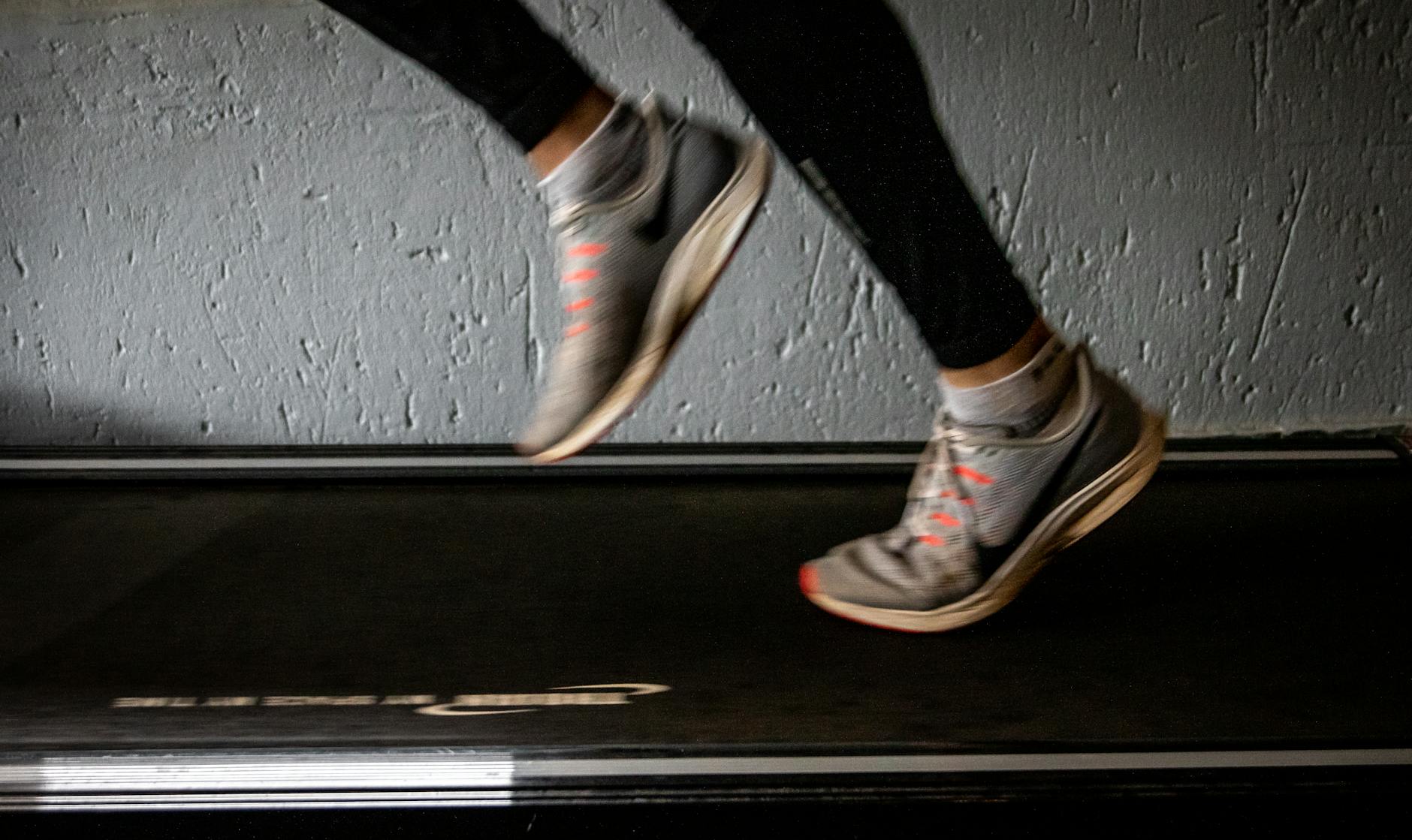
The moment 6 miles stops feeling impossible on the treadmill marks a fundamental shift in a runner’s relationship with endurance””a psychological and physiological turning point that transforms what once seemed like an insurmountable distance into a manageable, even enjoyable, workout. This breakthrough doesn’t arrive with fanfare. There’s no sudden epiphany mid-stride. Instead, it emerges gradually through accumulated training adaptations, mental conditioning, and the quiet realization that your body has become capable of something it couldn’t do before. For treadmill runners specifically, reaching this milestone carries unique significance because the controlled indoor environment strips away the natural distractions and varied terrain that make outdoor miles pass more quickly. Running 6 miles represents a meaningful threshold in fitness development.
It sits at the boundary between casual jogging and serious distance running, requiring roughly 50 to 75 minutes of continuous effort depending on pace. On a treadmill, where every second feels amplified and the scenery never changes, covering this distance demands more than physical fitness””it requires mental stamina that many runners struggle to develop. The monotony becomes its own obstacle, separate from cardiovascular capacity or muscular endurance. Runners who crack this barrier often report that it fundamentally changes their perception of what they can accomplish, opening doors to half marathons, marathons, and ultrarunning distances they previously considered unrealistic. This article examines the specific mechanisms””both mental and physical””that enable this transformation. You’ll learn why the treadmill presents unique challenges for distance running, how your body adapts to make sustained effort feel progressively easier, and what training strategies accelerate the process. The goal isn’t merely to survive 6 miles on the treadmill but to reach the point where completing that distance feels natural, sustainable, and perhaps even something you look forward to.
Table of Contents
- Why Does 6 Miles on the Treadmill Feel So Difficult at First?
- The Physiological Adaptations That Make 6 Miles Feel Easier
- Mental Breakthroughs in Treadmill Distance Running
- Training Strategies to Make 6 Miles Stop Feeling Impossible
- Common Treadmill Running Mistakes That Keep 6 Miles Feeling Hard
- The Role of Treadmill Features and Environment in Long Runs
- How to Prepare
- How to Apply This
- Expert Tips
- Conclusion
- Frequently Asked Questions
Why Does 6 Miles on the Treadmill Feel So Difficult at First?
The initial impossibility of 6 treadmill miles stems from a combination of physiological limitations and psychological barriers that compound each other in ways unique to indoor running. Beginners and intermediate runners often underestimate how much the treadmill’s stationary nature affects perceived effort. Without forward motion through space, changing scenery, or natural variations in terrain, the brain receives fewer stimulation signals to distract from physical discomfort. Research from the Journal of Sports Sciences indicates that runners consistently rate treadmill running as harder than outdoor running at identical paces, with perceived exertion scores averaging 2 to 3 points higher on the Borg scale.
Physiologically, running 6 miles requires several systems to function efficiently for an extended period. Your cardiovascular system must pump adequate oxygenated blood to working muscles. Those muscles must efficiently convert glycogen and fat into usable energy. Your thermoregulatory system must dissipate heat effectively””a process complicated on treadmills by reduced airflow compared to outdoor running. For untrained individuals, these systems fatigue rapidly, creating genuine physical distress that matches the mental perception of difficulty.
- **Glycogen depletion begins affecting performance** around the 45 to 60 minute mark for most recreational runners, precisely when a 6-mile treadmill run becomes most challenging
- **Core temperature elevation** accumulates throughout the run, with indoor conditions typically lacking the convective cooling that outdoor runners experience
- **Muscle fiber recruitment patterns shift** as slow-twitch fibers fatigue and less efficient fast-twitch fibers engage, increasing energy expenditure for the same pace
- **Mental fatigue compounds physical fatigue** as the brain’s ability to maintain focus and override discomfort signals degrades over time

The Physiological Adaptations That Make 6 Miles Feel Easier
The transformation from impossible to manageable reflects measurable changes in how your body functions at the cellular and systemic levels. These adaptations don’t happen overnight””they require consistent training over weeks and months””but they fundamentally alter your capacity for sustained effort. Understanding what’s changing inside your body provides valuable context for why patience and consistency matter more than any single workout. Mitochondrial density increases significantly with regular endurance training, with studies showing improvements of 40 to 100 percent in the number and size of mitochondria within muscle cells over 6 to 8 weeks of consistent training.
These cellular powerhouses convert nutrients into ATP, the energy currency your muscles use for contraction. More mitochondria mean more efficient energy production and less reliance on anaerobic pathways that produce fatigue-inducing lactate. Simultaneously, your muscles develop enhanced capillary networks””the tiny blood vessels that deliver oxygen and remove metabolic waste. Elite endurance athletes possess roughly 40 percent more capillaries per muscle fiber than sedentary individuals.
- **Cardiac output improves** through increases in stroke volume, meaning your heart pumps more blood per beat and can maintain lower heart rates at any given pace
- **Lactate threshold rises** as your muscles become better at clearing and recycling lactate, allowing you to run faster before that burning sensation signals unsustainable effort
- **Fat oxidation efficiency increases**, enabling your body to spare limited glycogen stores by burning a higher percentage of fat for fuel at moderate intensities
- **Running economy improves** through neuromuscular adaptations that make your stride more efficient, requiring less oxygen to maintain the same pace
Mental Breakthroughs in Treadmill Distance Running
The psychological dimension of conquering 6 treadmill miles often proves more challenging than the physical requirements. Your brain evolved to conserve energy and avoid sustained discomfort, making it a reluctant participant in voluntary endurance exercise. The mental breakthrough that makes long treadmill runs feel possible involves rewiring these protective instincts through repeated exposure and strategic mental techniques. Habituation plays a central role in this process.
Each time you complete a challenging treadmill run, your brain updates its model of what’s survivable. The discomfort at mile 4 that once triggered urgent stop signals gradually becomes familiar, expected, and ultimately manageable. Sports psychologists describe this as expanding your “comfort zone” through progressive exposure. after successfully completing multiple 5-mile runs, your brain stops treating mile 5 as a crisis point. This doesn’t eliminate discomfort””it changes your relationship with it.
- **Dissociation strategies** like watching engaging content, listening to podcasts, or mentally working through problems can reduce perceived effort by directing attention away from physical sensations
- **Association strategies** that focus on form, breathing, and body awareness become increasingly effective as fitness improves and there’s less genuine distress to monitor
- **Chunking long runs into segments**””thinking of a 6-mile run as three 2-mile efforts or six 1-mile intervals””makes the total distance psychologically more manageable
- **Building confidence through incremental progress** creates positive associations that override previous memories of struggle and failure
Training Strategies to Make 6 Miles Stop Feeling Impossible
Structured training approaches accelerate the timeline for reaching the 6-mile breakthrough compared to random or purely intuitive running. The principle of progressive overload””gradually increasing training stress””applies to both distance and intensity, and smart programming balances these variables to drive adaptation without causing injury or burnout. The 10 percent rule provides a starting framework, suggesting that weekly mileage increases should not exceed 10 percent of the previous week’s total.
For someone running 15 miles per week, this means adding no more than 1.5 miles the following week. However, this guideline requires modification based on individual factors including training history, age, and recovery capacity. More experienced runners can often handle faster progression, while those returning from extended breaks may need more conservative increases.
- **Long run progression** should extend by 0.5 to 1 mile every 1 to 2 weeks, with periodic step-back weeks where you reduce distance by 20 to 30 percent to consolidate adaptations
- **Incorporating intervals and tempo runs** improves cardiovascular fitness faster than easy running alone, making subsequent long runs feel relatively easier
- **Treadmill-specific practice matters**””runners who train primarily outdoors often struggle on treadmills because the movement pattern differs slightly and the mental demands are unique
- **Building a base of 20 to 25 miles per week** before attempting regular 6-mile treadmill runs reduces the relative stress of that distance and improves recovery between sessions
Common Treadmill Running Mistakes That Keep 6 Miles Feeling Hard
Several training and execution errors can delay or prevent the breakthrough that makes 6 treadmill miles feel achievable. Identifying and correcting these mistakes often produces rapid improvement in perceived effort and actual performance. Starting too fast ranks among the most common and costly errors.
Treadmill pace control removes the natural feedback that outdoor runners receive from terrain and wind resistance, making it easy to lock in a pace that feels manageable for the first mile but proves unsustainable. The first 2 miles of any long treadmill run should feel almost too easy””a discipline that requires deliberate practice to develop. Research on pacing strategies consistently shows that negative splits (running the second half faster than the first) or even splits produce better performances and lower perceived effort than positive splits where pace declines.
- **Neglecting the incline setting** turns treadmill running into a mechanically different activity than outdoor running; a 1 to 2 percent incline more closely mimics the energy demands of running on flat ground outside
- **Insufficient hydration before and during longer runs** compounds the thermal challenges of indoor running and accelerates fatigue
- **Wearing inappropriate footwear**, including shoes that are excessively worn or not designed for running, increases injury risk and reduces efficiency
- **Skipping recovery runs and rest days** prevents the adaptations that make hard efforts feel easier over time; more training is not always better training
- **Ignoring nutrition timing** can leave runners attempting long efforts with depleted glycogen stores, making the final miles significantly harder than necessary

The Role of Treadmill Features and Environment in Long Runs
Modern treadmill technology offers tools that can either help or hinder the quest for comfortable 6-mile runs. Understanding how to leverage available features while minimizing environmental obstacles gives treadmill runners meaningful advantages. Programmable workouts that vary pace and incline throughout a run address one of the primary challenges of treadmill running: monotony. These variations don’t just make the time pass faster””they also reduce repetitive strain by slightly altering the biomechanical demands throughout the session. Rolling hill programs, for instance, change which muscle fibers bear the primary load, distributing fatigue more evenly.
Climate control matters more than many runners realize. The ideal temperature for indoor running falls between 60 and 68 degrees Fahrenheit, significantly cooler than typical gym environments. Strategic fan placement that creates airflow across the body can reduce core temperature accumulation and sweat rates, directly lowering perceived effort. Entertainment systems, while potentially distracting from proper form, provide genuine psychological benefits for many runners. Studies examining the effects of video and music on treadmill running performance show consistent reductions in perceived effort of 10 to 15 percent when participants were engaged with entertainment compared to running without distraction. The key lies in selecting content that’s engaging enough to hold attention but not so demanding that it compromises running mechanics.
How to Prepare
- **Fuel appropriately 2 to 3 hours before the run** with a meal containing 50 to 100 grams of easily digestible carbohydrates and moderate protein. Oatmeal with banana, toast with peanut butter, or a small pasta serving all work well. Avoid high-fiber and high-fat foods that slow digestion and may cause gastrointestinal distress during the run.
- **Begin hydrating early in the day** rather than drinking large amounts immediately before running. Aim for pale yellow urine color as an indicator of adequate hydration. Consume 16 to 20 ounces of water 2 to 3 hours before the run, then another 8 ounces 20 to 30 minutes before starting.
- **Prepare your treadmill environment** by setting up a fan for cooling, placing a towel within reach, and positioning water where you can access it without breaking stride. If using entertainment, queue up content in advance so you’re not fumbling with devices once the run begins.
- **Complete a dynamic warm-up** of 5 to 10 minutes before starting the treadmill. Leg swings, walking lunges, high knees, and butt kicks activate the muscles you’ll use and gradually elevate heart rate. Skip static stretching, which research suggests may temporarily reduce power output.
- **Set a pace plan before starting** rather than deciding on the fly. Know your target pace for the first 2 miles (conservative), middle miles (moderate), and final miles (maintained or slightly increased). Program these into the treadmill if possible, or note the times when you should make manual adjustments.
How to Apply This
- **Start 15 to 30 seconds per mile slower than your target pace** and resist the temptation to speed up during the first mile when fresh legs make faster paces feel effortless. Trust that this conservative start will pay dividends in the final miles.
- **Break the run into mental segments** and focus only on completing the current segment. Mile markers, 10-minute blocks, or song-length intervals all work””the specific structure matters less than having one. Each completed segment builds momentum and makes the remaining distance seem shorter.
- **Monitor your form consciously** every 10 to 15 minutes, especially as fatigue accumulates. Check that your shoulders are relaxed, your arms are swinging efficiently, and you’re not gripping the handrails. Form degradation increases energy expenditure and accelerates fatigue.
- **Use positive self-talk and pre-planned mantras** when difficulty peaks, typically between miles 4 and 5. Phrases like “relax and run,” “this is where fitness is built,” or simple counting can redirect attention away from discomfort and toward continuing the effort.
Expert Tips
- **Practice the exact conditions you’ll face** before attempting a breakthrough run. If you want to complete 6 miles without entertainment, train for several weeks without it on shorter runs. Novel stimuli require mental bandwidth that’s better spent managing effort.
- **Cultivate curiosity about discomfort** rather than treating it as a signal to stop. Ask yourself what the sensation actually is””muscle fatigue, elevated breathing, boredom””and recognize that none of these are emergencies requiring immediate cessation.
- **Schedule long treadmill runs when your energy is highest**, typically in the morning for most people. Attempting a challenging distance at the end of a tiring day adds unnecessary difficulty and increases the risk of a negative experience that sets back progress.
- **Track your workouts and review trends** rather than fixating on any single session. Progress in endurance running occurs over months, not days. A workout that felt terrible doesn’t erase previous gains, and a workout that felt easy doesn’t guarantee the next one will too.
- **Recruit accountability through social structures**””running alongside someone else, checking in with a training partner, or posting workout completions to a running community. External motivation supplements internal drive, particularly during the harder phases of building endurance.
Conclusion
The moment when 6 miles on the treadmill stops feeling impossible represents more than just a fitness milestone””it signals a fundamental shift in what you believe yourself capable of accomplishing. This transformation emerges from the intersection of physiological adaptation and psychological reconditioning, each reinforcing the other in a positive feedback loop. The cardiovascular efficiency, muscular endurance, and mental toughness you develop reaching this point become the foundation for everything that follows in your running journey, whether that means tackling longer distances, faster paces, or simply enjoying the act of running more fully. Reaching this breakthrough requires patience, consistency, and a willingness to be uncomfortable in the short term for gains in the long term.
The treadmill, despite its monotony, offers a controlled environment where you can precisely manage pace, eliminate weather variables, and focus entirely on the internal work of building endurance. Embrace it as a training tool rather than viewing it as an inferior substitute for outdoor running. The skills you develop””pacing discipline, mental segmentation, form awareness under fatigue””transfer directly to any running context. Once 6 miles feels possible, the same principles that got you there will continue working as you push toward 8 miles, 10 miles, and beyond.
Frequently Asked Questions
How long does it typically take to see results?
Results vary depending on individual circumstances, but most people begin to see meaningful progress within 4-8 weeks of consistent effort. Patience and persistence are key factors in achieving lasting outcomes.
Is this approach suitable for beginners?
Yes, this approach works well for beginners when implemented gradually. Starting with the fundamentals and building up over time leads to better long-term results than trying to do everything at once.
What are the most common mistakes to avoid?
The most common mistakes include rushing the process, skipping foundational steps, and failing to track progress. Taking a methodical approach and learning from both successes and setbacks leads to better outcomes.
How can I measure my progress effectively?
Set specific, measurable goals at the outset and track relevant metrics regularly. Keep a journal or log to document your journey, and periodically review your progress against your initial objectives.
When should I seek professional help?
Consider consulting a professional if you encounter persistent challenges, need specialized expertise, or want to accelerate your progress. Professional guidance can provide valuable insights and help you avoid costly mistakes.
What resources do you recommend for further learning?
Look for reputable sources in the field, including industry publications, expert blogs, and educational courses. Joining communities of practitioners can also provide valuable peer support and knowledge sharing.