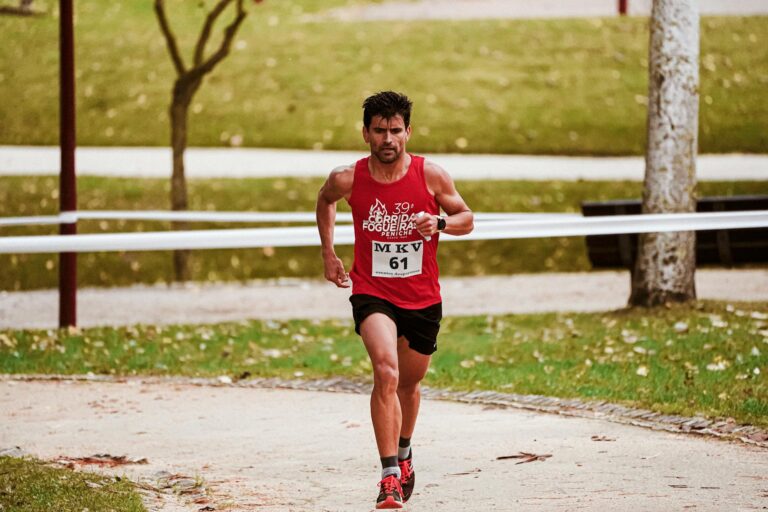
The cardiovascular benefits you’ll never get from walking alone represent a significant gap in fitness outcomes that millions of people unknowingly accept. Walking has earned its reputation as a healthy, accessible form of exercise, and for good reason””it burns calories, improves mood, and keeps joints mobile. However, the assumption that walking provides complete cardiovascular conditioning leads many people to plateau far short of their heart health potential. The difference between walking and higher-intensity exercise isn’t merely one of degree; it’s a difference in the type of physiological adaptations your body can achieve.
Understanding these distinctions matters because cardiovascular disease remains the leading cause of death globally, claiming approximately 17.9 million lives annually according to the World Health Organization. While any movement beats sedentary behavior, the specific adaptations that provide the greatest protection against heart disease, stroke, and metabolic dysfunction require stimulus intensities that walking simply cannot provide. This isn’t about dismissing walking””it’s about recognizing what additional cardiovascular work can offer those seeking optimal heart health. By the end of this article, you’ll understand exactly which cardiovascular adaptations require higher-intensity exercise, why walking hits a physiological ceiling, and how to structure your training to capture benefits that would otherwise remain out of reach. Whether you’re a dedicated walker looking to expand your routine or someone trying to understand exercise physiology more deeply, these insights will help you make informed decisions about your cardiovascular training approach.
Table of Contents
- What Cardiovascular Benefits Can Running Provide That Walking Cannot?
- The Intensity Threshold for Cardiovascular Adaptation
- Metabolic and Hormonal Responses Unique to Vigorous Exercise
- How to Transition From Walking to Running for Maximum Cardiovascular Benefits
- Common Mistakes When Seeking Cardiovascular Benefits Beyond Walking
- The Role of High-Intensity Interval Training in Cardiovascular Health
- How to Prepare
- How to Apply This
- Expert Tips
- Conclusion
- Frequently Asked Questions
What Cardiovascular Benefits Can Running Provide That Walking Cannot?
The primary distinction between running and walking lies in the intensity threshold required to trigger certain cardiovascular adaptations. When you run, your heart rate typically reaches 70-85% of maximum, compared to 50-60% during brisk walking. This difference activates distinct physiological pathways. Running induces cardiac remodeling””your heart’s left ventricle actually increases in volume and wall thickness, allowing it to pump more blood per beat.
Research published in the Journal of the American College of Cardiology demonstrates that this eccentric hypertrophy, common in runners, improves stroke volume by 20-40% compared to sedentary individuals, an adaptation rarely seen in walkers. The oxygen transport system responds differently to high-intensity exercise as well. VO2 max, the gold standard measurement of cardiovascular fitness, increases substantially with running but shows minimal improvement from walking in already-healthy adults. A meta-analysis in Sports Medicine found that running programs increased VO2 max by an average of 10-15% over 12 weeks, while walking programs produced gains of only 3-5%. This matters because VO2 max is one of the strongest predictors of all-cause mortality””each one-point increase correlates with approximately 10% reduction in death risk.
- **Mitochondrial density increases:** High-intensity exercise stimulates mitochondrial biogenesis in muscle cells, creating more cellular powerhouses for energy production.
- **Capillary network expansion:** Running promotes angiogenesis, the growth of new blood vessels within muscle tissue, improving oxygen delivery efficiency.
- **Heart rate variability improvements:** Intense cardiovascular training enhances parasympathetic nervous system function, reflected in higher heart rate variability””a marker of cardiac resilience.

The Intensity Threshold for Cardiovascular Adaptation
Exercise physiologists have identified specific intensity thresholds that trigger superior cardiovascular adaptations, and walking rarely crosses these boundaries. The ventilatory threshold, occurring at approximately 60-70% of VO2 max, marks the point where breathing becomes labored and lactate begins accumulating in the blood. training at or above this threshold produces adaptations in lactate clearance, buffering capacity, and metabolic efficiency that simply don’t occur at lower intensities. Most walkers, even at a brisk 4 mph pace, remain below this threshold unless they’re severely deconditioned or walking uphill.
The cardiac output response illustrates this divide clearly. During running, cardiac output””the volume of blood pumped per minute””can reach 20-25 liters in trained individuals, compared to 10-12 liters during walking. This dramatic difference forces the cardiovascular system to adapt. The heart muscle strengthens, vessel elasticity improves, and the body becomes more efficient at shunting blood to working muscles. These adaptations require repeated exposure to high cardiac outputs that walking cannot generate.
- **Lactate threshold improvement:** Running at challenging paces teaches the body to process lactate more efficiently, raising the intensity you can sustain without fatigue.
- **Arterial stiffness reduction:** High-intensity exercise has been shown to reduce arterial stiffness more effectively than moderate activity, lowering blood pressure and improving vascular function.
- **Improved endothelial function:** The endothelium””the inner lining of blood vessels””responds to the shear stress of high blood flow by producing more nitric oxide, a vasodilator that protects against atherosclerosis.
Metabolic and Hormonal Responses Unique to Vigorous Exercise
Beyond direct cardiovascular effects, running triggers metabolic and hormonal cascades that walking cannot replicate. High-intensity exercise produces a phenomenon called excess post-exercise oxygen consumption (EPOC), commonly known as the “afterburn effect.” Following a vigorous run, metabolic rate remains elevated for hours as the body restores homeostasis, repairs muscle tissue, and replenishes energy stores. Studies show that EPOC after running can burn an additional 50-200 calories, while walking produces minimal afterburn.
The hormonal environment created by intense exercise differs substantially from moderate activity. Running triggers significant releases of catecholamines (epinephrine and norepinephrine), growth hormone, and testosterone””all of which contribute to favorable body composition changes and cardiovascular protection. Growth hormone, in particular, peaks during and after high-intensity exercise and plays a role in maintaining healthy blood vessel walls and reducing visceral fat. Walking, while beneficial, produces only modest hormonal responses that fail to reach these anabolic thresholds.
- **Insulin sensitivity improvements:** High-intensity exercise depletes muscle glycogen more completely, creating a powerful stimulus for glucose uptake that enhances insulin sensitivity for 24-48 hours.
- **Adiponectin release:** This anti-inflammatory hormone, secreted by fat cells during vigorous exercise, helps protect against atherosclerosis and metabolic syndrome.

How to Transition From Walking to Running for Maximum Cardiovascular Benefits
The practical challenge for dedicated walkers lies in safely progressing to higher-intensity exercise without injury or burnout. The walk-run method offers a structured approach that respects the body’s need for gradual adaptation while progressively introducing the stimulus required for cardiovascular improvement. This technique involves alternating periods of walking and running, beginning with ratios heavily favoring walking and gradually shifting toward more running as fitness improves.
Starting with short running intervals””as brief as 30 seconds””interspersed with walking recovery allows tendons, ligaments, and bones to adapt alongside the cardiovascular system. These connective tissues adapt more slowly than the heart and lungs, making patience essential. A typical progression might begin with one minute of running followed by four minutes of walking, repeated for 20-30 minutes. Over weeks, the running intervals extend while walking intervals shorten until continuous running becomes comfortable.
- **Focus on time, not pace:** Early in the transition, running speed matters less than the act of running itself. Even slow jogging triggers cardiovascular adaptations that brisk walking cannot.
- **Respect recovery windows:** Allow 48 hours between running sessions initially to let musculoskeletal structures recover and strengthen.
- **Monitor perceived exertion:** Aim for an effort level of 6-7 on a 10-point scale during running intervals, where conversation becomes difficult but not impossible.
- **Progress incrementally:** Increase total running time by no more than 10% per week to minimize overuse injury risk.
Common Mistakes When Seeking Cardiovascular Benefits Beyond Walking
Many people attempting to move beyond walking make predictable errors that undermine their progress or lead to injury. The most common mistake is progressing too quickly, driven by initial enthusiasm and the rapid cardiovascular improvements that occur in the first few weeks. While the heart and lungs adapt within days to weeks, tendons and bones require months to strengthen. This mismatch leads to overuse injuries like shin splints, plantar fasciitis, and stress fractures that sideline runners and often push them back to walking permanently.
Another frequent error involves neglecting the role of intensity variation. Some new runners approach every session as a race, running as hard as possible each time they lace up their shoes. This approach leads to chronic fatigue, elevated cortisol levels, and paradoxically, diminished cardiovascular adaptation. The body requires a mix of easy aerobic running, moderate threshold work, and occasional high-intensity efforts to optimize all cardiovascular systems. Running hard every day also increases injury risk and makes the activity feel punishing rather than sustainable.
- **Skipping rest days:** Recovery is when adaptation occurs. Running daily without rest prevents the body from completing the repair processes that lead to improvement.
- **Ignoring warning signs:** Persistent pain, extreme fatigue, or elevated resting heart rate indicate overtraining and warrant additional rest.
- **Comparing progress to others:** Cardiovascular adaptation rates vary based on genetics, training history, and numerous other factors. Individual progression matters more than matching someone else’s timeline.

The Role of High-Intensity Interval Training in Cardiovascular Health
High-intensity interval training (HIIT) represents the most potent stimulus for cardiovascular adaptation available, producing benefits in a fraction of the time required by steady-state exercise. HIIT involves short bursts of near-maximal effort alternated with recovery periods, and research consistently shows it outperforms moderate continuous exercise for improving VO2 max, insulin sensitivity, and cardiac function. A landmark study in the Journal of Physiology found that just 27 minutes of HIIT per week produced cardiovascular improvements equivalent to 150 minutes of moderate exercise.
The mechanisms underlying HIIT’s effectiveness relate to the extreme stress it places on the cardiovascular system. Near-maximal efforts force the heart to work at its capacity, stimulating adaptations in cardiac contractility and stroke volume. The repeated recovery periods train the parasympathetic nervous system, improving heart rate recovery””another marker of cardiovascular health and longevity. For those seeking the cardiovascular benefits walking cannot provide, incorporating even one HIIT session per week produces measurable improvements within 4-6 weeks.
How to Prepare
- **Complete a cardiovascular health screening:** If you’re over 40, have risk factors for heart disease, or have been sedentary, consult a physician before beginning vigorous exercise. A stress test or basic cardiac evaluation provides peace of mind and identifies any limitations.
- **Establish a walking base:** Before running, ensure you can walk briskly for 30-45 minutes without discomfort. This indicates basic musculoskeletal readiness and aerobic capacity sufficient to support running intervals.
- **Invest in proper footwear:** Running shoes differ from walking shoes in cushioning and support characteristics. Visit a specialty running store for a gait analysis and shoe fitting to reduce injury risk.
- **Address mobility limitations:** Tight hip flexors, weak glutes, and restricted ankle mobility””common in walkers””can lead to running injuries. Incorporate dynamic stretching and basic strength exercises for the lower body twice weekly.
- **Create a realistic schedule:** Identify three to four 30-minute windows per week for exercise. Consistency matters more than session duration for building cardiovascular fitness.
How to Apply This
- **Start with the 1:4 run-walk ratio:** Run for one minute, then walk for four minutes. Repeat this cycle five times for a 25-minute session. Perform this workout three times in the first week with at least one rest day between sessions.
- **Progress to 2:3 intervals in week three:** Run for two minutes, walk for three minutes. This shifts the balance toward running while maintaining recovery periods that prevent excessive fatigue.
- **Add one tempo effort per week by month two:** After warming up with easy running, complete 10 minutes at a pace where conversation becomes difficult. This trains the lactate threshold and produces cardiovascular adaptations beyond what easy running provides.
- **Include one longer session weekly:** Extend one weekly run by 10-15% beyond your typical duration. This long run builds aerobic capacity and teaches the body to utilize fat as fuel efficiently.
Expert Tips
- **Use a heart rate monitor to ensure intensity:** Target 70-80% of your maximum heart rate during running intervals. This objective measurement prevents both undertraining and overtraining, optimizing cardiovascular stimulus.
- **Don’t neglect easy running:** Approximately 80% of your running should feel comfortable. Easy running builds aerobic base, promotes recovery, and prevents burnout while still providing cardiovascular benefits beyond walking.
- **Incorporate hills before increasing speed:** Hill walking and running strengthen muscles and connective tissues while raising heart rate, providing a bridge between flat walking and faster running with reduced impact forces.
- **Track resting heart rate weekly:** A declining resting heart rate indicates improving cardiovascular fitness. Sudden increases of 5+ beats per minute suggest overtraining or illness and warrant additional rest.
- **Cross-train strategically:** Cycling, swimming, or elliptical training one day per week provides cardiovascular stimulus while giving running-specific muscles and joints recovery time, reducing overuse injury risk.
Conclusion
The cardiovascular benefits that walking alone cannot provide””significant VO2 max improvements, cardiac remodeling, enhanced arterial function, and metabolic adaptations””require the intensity that running and other vigorous exercise deliver. This isn’t a dismissal of walking’s value; walking remains an excellent foundation and serves important recovery functions. However, those seeking optimal cardiovascular health and the protective adaptations that most effectively reduce mortality risk need to incorporate higher-intensity training into their routines.
The transition from walking to running requires patience, proper progression, and attention to recovery. By starting with run-walk intervals, gradually increasing running volume, and eventually incorporating threshold and interval training, former walkers can access the full spectrum of cardiovascular benefits. The heart, like any muscle, responds to progressive overload with increased strength and capacity. Give it the stimulus it needs, respect the adaptation process, and the cardiovascular improvements that once seemed reserved for athletes become achievable for anyone willing to move beyond walking.
Frequently Asked Questions
How long does it typically take to see results?
Results vary depending on individual circumstances, but most people begin to see meaningful progress within 4-8 weeks of consistent effort. Patience and persistence are key factors in achieving lasting outcomes.
Is this approach suitable for beginners?
Yes, this approach works well for beginners when implemented gradually. Starting with the fundamentals and building up over time leads to better long-term results than trying to do everything at once.
What are the most common mistakes to avoid?
The most common mistakes include rushing the process, skipping foundational steps, and failing to track progress. Taking a methodical approach and learning from both successes and setbacks leads to better outcomes.
How can I measure my progress effectively?
Set specific, measurable goals at the outset and track relevant metrics regularly. Keep a journal or log to document your journey, and periodically review your progress against your initial objectives.
When should I seek professional help?
Consider consulting a professional if you encounter persistent challenges, need specialized expertise, or want to accelerate your progress. Professional guidance can provide valuable insights and help you avoid costly mistakes.
What resources do you recommend for further learning?
Look for reputable sources in the field, including industry publications, expert blogs, and educational courses. Joining communities of practitioners can also provide valuable peer support and knowledge sharing.