The best treatment for back pain, according to every major medical guideline published in the last decade, is exercise. Not a specific drug, not surgery, not a miracle device — plain, consistent physical movement. The American College of Physicians, the World Health Organization, and the American Academy of Family Physicians all agree: moderate aerobic activity, stretching, yoga, tai chi, and motor control exercises each provide a moderate clinical benefit for both acute and chronic back pain. For runners and endurance athletes, that recommendation should feel like good news, because the foundation of your training already doubles as one of the most effective therapies available. A 2021 BMJ systematic review found that only about one in ten common non-surgical, non-invasive treatments for back pain actually work — and exercise consistently lands in that small effective category. That said, back pain is not a single condition with a single fix.
An estimated 619 million people worldwide experienced low back pain in 2020, and that number is projected to climb to 843 million by 2050 as populations age. In the United States alone, 39 percent of adults reported back pain in the past three months, per the CDC’s National Health Interview Survey. Roughly 90 percent of all back pain cases are classified as “non-specific,” meaning imaging and exams reveal no identifiable structural cause. For runners dealing with flare-ups that sideline training, understanding which treatments have real evidence behind them — and which are a waste of time and money — matters more than chasing the next trending therapy. This article breaks down the first-line treatments that guidelines actually recommend, the drug options worth considering and the ones to avoid, non-drug therapies with genuine research support, and the emerging treatments coming in 2025 and 2026 that could change how we manage stubborn cases. Whether you are nursing a tweaked back after a long run or managing a chronic issue that keeps you from hitting your weekly mileage, this is what the evidence says works.
Table of Contents
- What Is the Most Effective Treatment for Back Pain According to Current Research?
- Why Most Back Pain Has No Structural Cause — and Why That Changes Treatment
- Non-Drug Therapies That Actually Have Evidence Behind Them
- Medications for Back Pain — What to Use, What to Skip, and the Opioid Question
- The Runner’s Back — Why Cardio Athletes Face Unique Challenges
- Emerging Treatments That Could Change Back Pain Management by 2027
- Self-Management and the Long Game for a Healthy Back
- Conclusion
- Frequently Asked Questions
What Is the Most Effective Treatment for Back Pain According to Current Research?
Exercise tops the list not because it is a cure-all, but because the evidence base behind it is broader and more consistent than anything else. The ACP’s clinical practice guideline recommends exercise as a first-line treatment for both acute and chronic low back pain, and the data shows that the type of exercise matters less than the act of doing it. Aerobic activity, stretching routines, yoga, tai chi, and targeted motor control exercises all produce comparable moderate benefits. For a runner sidelined with a lumbar flare-up, that means a structured return to movement — even if it starts as walking or pool running — is more productive than bed rest or waiting for the pain to resolve on its own. When medication is needed for acute episodes, NSAIDs like ibuprofen and naproxen are the guideline-recommended first-line drug therapy. They reduce inflammation and provide short-term relief while you work on the movement side.
One critical note that surprises many people: acetaminophen, the active ingredient in Tylenol, has been shown in clinical studies to perform no better than placebo for back pain outcomes. If you have been reaching for Tylenol after a tough run that leaves your back aching, you are essentially taking a sugar pill as far as your spine is concerned. Superficial heat therapy — a heating pad, a warm bath, a microwaveable wrap — is also recommended by the ACP for acute and subacute low back pain. It is low-risk, inexpensive, and pairs well with gentle movement. For runners who tend to stiffen up after morning runs in cold weather, applying heat before stretching can make the transition back to activity less miserable. The combination of consistent exercise, targeted NSAID use when inflammation is significant, and heat application forms the evidence-backed starting point before considering anything more involved.

Why Most Back Pain Has No Structural Cause — and Why That Changes Treatment
The fact that 90 percent of back pain cases are non-specific is both frustrating and liberating. Frustrating because you want an MRI to show something you can point to and fix. Liberating because it means the overwhelming majority of back pain does not require surgical intervention, injections, or aggressive medical treatment. For runners, non-specific low back pain often correlates with training load changes, poor hip mobility, weak glute activation, or simply sitting at a desk for eight hours between runs. However, if your back pain is accompanied by radiating leg pain below the knee, numbness or tingling in the legs or feet, sudden bowel or bladder dysfunction, or significant weakness in a leg, those are red flags that suggest a structural issue like disc herniation or nerve compression.
Non-specific back pain management strategies will not address those problems, and delaying proper evaluation can lead to worse outcomes. The “just keep moving” advice applies to the vast majority of cases, but not to every case. This distinction matters because it shapes the entire treatment approach. A runner with non-specific low back pain after increasing weekly mileage by 20 percent in a month should focus on load management, core stabilization, and gradual return to volume. A runner with sciatica shooting down the left leg needs imaging and possibly a referral to a specialist. Knowing which category you fall into determines whether the first-line treatments discussed here are sufficient or whether you need a more targeted evaluation.
Non-Drug Therapies That Actually Have Evidence Behind Them
Beyond exercise and heat, several non-drug therapies carry genuine ACP recommendations for back pain. Cognitive Behavioral Therapy and mindfulness-based stress reduction are both recommended for chronic low back pain — not because back pain is “all in your head,” but because chronic pain rewires the nervous system, and psychological approaches can help reverse that process. A landmark study on Pain Reprocessing Therapy found that 66 percent of patients treated with PRT were pain-free or nearly so after treatment, compared to only 20 percent of placebo controls. For runners dealing with chronic back issues that have persisted for months or years, this is worth serious consideration. Spinal manipulation — whether through a chiropractor or an osteopathic physician — is recommended by the ACP for both acute and chronic low back pain. Acupuncture also makes the ACP’s recommended list.
Neither of these is a magic bullet, and results vary widely between individuals, but they have enough clinical evidence to be considered legitimate options rather than fringe alternatives. The key is viewing them as components of a broader plan that includes exercise, not as standalone solutions. For chronic cases that have not responded to simpler interventions, multidisciplinary rehabilitation programs that combine physical therapy, psychological support, and patient education are recommended. These programs work because chronic back pain is rarely a purely mechanical problem — it involves deconditioning, fear of movement, sleep disruption, and sometimes depression. A runner who has been avoiding training for six months because of back pain may need more than a stretching routine; they may need a structured program that addresses the physical, psychological, and behavioral dimensions simultaneously. A landmark NIH-funded study found that supported self-management produced significant disability reductions over one year, with 67 percent of patients achieving a 50 percent or greater reduction in disability compared to 54 percent with standard medical care alone.

Medications for Back Pain — What to Use, What to Skip, and the Opioid Question
The medication landscape for back pain is simpler than the pharmaceutical industry would like you to believe. NSAIDs are the first-line drug therapy for acute episodes. They work. They are cheap. They are available over the counter. The main tradeoff is gastrointestinal risk with prolonged use — if you are taking ibuprofen daily for weeks, talk to your doctor about stomach protection or consider naproxen, which may be slightly easier on the gut with twice-daily dosing. Acetaminophen, as mentioned, does not work for back pain.
This is not a fringe opinion — the clinical evidence is clear that it performs no better than placebo. Yet it remains one of the most commonly recommended over-the-counter options by well-meaning friends and even some clinicians who have not updated their practice. If your post-run back pain routine involves Tylenol and a foam roller, keep the foam roller and swap the Tylenol for an NSAID or skip the pill entirely. Opioids should not be used as initial treatment for back pain. Every major guideline recommends against routine use. A short course may be considered in select patients when benefits clearly outweigh harms, but for the vast majority of runners dealing with back pain, opioids are not appropriate, carry significant addiction risk, and do not address the underlying problem. The American College of Physicians is explicit on this point: exhaust non-drug therapies and NSAIDs before even considering opioid options. Given that exercise, heat, spinal manipulation, and CBT are all available and effective, there is rarely a reason to go down that road for non-specific back pain.
The Runner’s Back — Why Cardio Athletes Face Unique Challenges
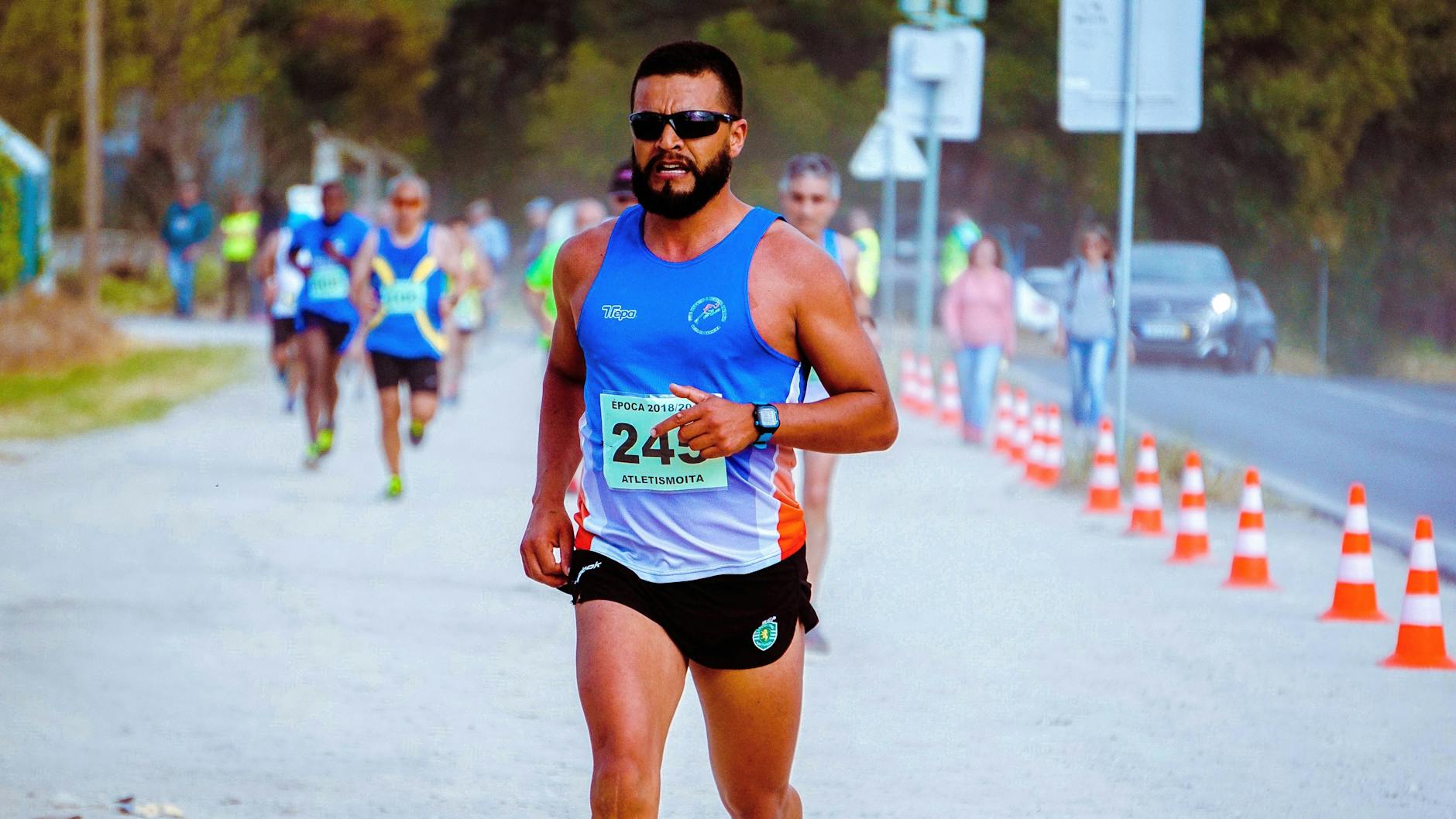
Running places repetitive axial loading on the spine — thousands of impacts per mile, each transmitting force through the lumbar vertebrae. For most runners, the spine adapts to this load just fine. But when hip mobility is restricted, when the glutes are not firing properly, or when training volume jumps too quickly, the lower back compensates. That compensation, repeated over hundreds of miles, is where non-specific back pain often originates in the running population. The warning here is about the instinct to push through. Runners are conditioned to tolerate discomfort, and that mental toughness is an asset in racing but a liability when it comes to back pain. Continuing to run through a significant flare-up can prolong the problem by weeks or months.
The evidence supports staying active — but “active” during an acute episode might mean walking, swimming, or cycling rather than logging your usual 40-mile week. Returning to full running volume should be gradual, guided by pain response rather than a predetermined timeline. Cross-training during back pain episodes is not just acceptable; it is strategically smart. Pool running preserves cardiovascular fitness with zero spinal impact. Cycling in a more upright position maintains aerobic capacity while giving the lumbar spine a break. Yoga and tai chi — both on the ACP’s recommended exercise list for back pain — can serve double duty as active recovery and treatment. The goal is maintaining fitness while allowing irritated structures to calm down, not abandoning training entirely.
Emerging Treatments That Could Change Back Pain Management by 2027
Several treatments in the pipeline could fundamentally shift how stubborn back pain is treated. Multifidus stimulation, a minimally invasive implant that activates the deep spinal stabilizer muscles, has shown strong three-year data: more than 80 percent of patients reported improvements in pain or disability, and 70 percent voluntarily reduced or stopped opioid use. Cebranopadol, a first-in-class dual-NMR agonist expected to receive FDA approval in 2026, delivers opioid-level pain relief with 25 percent less respiratory depression than oxycodone and 59.2 points of pain reduction versus placebo — a meaningful advance for patients who need strong pain control without the full risk profile of traditional opioids. Tanezumab, an anti-nerve growth factor antibody given as a subcutaneous injection every eight weeks, has demonstrated 30 to 50 percent pain reduction in responders and is awaiting FDA approval.
Rexlemestrocel-L takes a regenerative approach, injecting anti-inflammatory mesenchymal precursor cells directly into damaged intervertebral discs to target root causes rather than symptoms. The Intracept procedure uses radiofrequency energy to disrupt pain signals between the spine and brain for vertebrogenic pain. And researchers have developed the first personalized deep brain stimulation for chronic pain, a system that activates only when brain signals indicate high pain levels. These are not science fiction — they are in late-stage trials or early clinical use, and they represent a future where treatment can be matched to the specific mechanism driving an individual’s pain.
Self-Management and the Long Game for a Healthy Back
The NIH-funded study on supported self-management may be the most important finding for runners to internalize. Sixty-seven percent of patients who engaged in structured self-management achieved a 50 percent or greater reduction in disability over one year, compared to 54 percent with standard medical care alone. The difference is not dramatic, but it points to something runners already understand intuitively: consistency and ownership of the process matter more than any single intervention.
For the running community, treating back health the way you treat cardiovascular fitness — as an ongoing practice rather than a problem to solve once — is the most sustainable approach. That means regular core and hip strengthening work, attention to training load progression, willingness to cross-train when something flares, and openness to non-drug therapies like CBT or spinal manipulation when chronic patterns develop. The best treatment for back pain is not a single therapy. It is a system of habits, supported by evidence, maintained over time.
Conclusion
The evidence is clear and consistent: exercise is the single most recommended treatment for back pain across all major medical guidelines, supported by NSAIDs for acute episodes and non-drug therapies like CBT, spinal manipulation, and heat for both acute and chronic cases. For runners, this means the cardiovascular base you are already building serves as a therapeutic foundation — the challenge is managing load, maintaining mobility, and knowing when to modify rather than push through. Acetaminophen does not work for back pain, opioids should be a last resort, and roughly 90 percent of cases have no structural cause requiring surgery.
Looking ahead, emerging treatments like multifidus stimulation, cebranopadol, and regenerative cell therapies may offer new options for the minority of cases that do not respond to first-line approaches. But for most runners dealing with back pain, the path forward involves the fundamentals: stay active within pain tolerance, strengthen the core and hips, use NSAIDs judiciously, consider evidence-based therapies like CBT or manipulation for chronic issues, and take ownership of the process through structured self-management. Back pain is common, it is usually manageable, and the tools to address it are already within reach.
Frequently Asked Questions
Should I stop running if I have back pain?
Not necessarily. The evidence supports staying active, but you may need to temporarily reduce volume or intensity. If pain is mild and does not worsen during or after runs, continuing at a reduced level is reasonable. If pain is significant, cross-train with low-impact activities like pool running or cycling while the acute episode resolves, then gradually return to your normal routine.
Is Tylenol effective for back pain?
No. Clinical studies have shown that acetaminophen performs no better than placebo for back pain outcomes. NSAIDs like ibuprofen or naproxen are the recommended first-line medication when drug therapy is needed for acute low back pain.
How long does non-specific back pain typically last?
Most acute episodes of non-specific low back pain improve significantly within four to six weeks with appropriate management, including staying active and using first-line treatments. However, recurrence is common — maintaining regular core strengthening and mobility work reduces the likelihood of repeat episodes.
Should I get an MRI for my back pain?
For most cases of non-specific back pain without red flag symptoms, imaging is not recommended in the first four to six weeks. Red flags that warrant earlier imaging include radiating leg pain below the knee, numbness or tingling, bowel or bladder changes, or significant leg weakness. Imaging findings like disc bulges are extremely common in pain-free individuals and can lead to unnecessary worry or intervention.
Does chiropractic treatment work for back pain?
Spinal manipulation, whether performed by a chiropractor or an osteopathic physician, is recommended by the American College of Physicians for both acute and chronic low back pain. It is not a standalone cure, but it has enough clinical evidence to be a legitimate component of a broader treatment plan that includes exercise and other evidence-based approaches.
What is Pain Reprocessing Therapy and does it work?
Pain Reprocessing Therapy is a psychological treatment that helps patients reframe chronic pain signals as non-dangerous. A clinical study found that 66 percent of patients treated with PRT were pain-free or nearly so after treatment, compared to only 20 percent of placebo controls. It is particularly relevant for chronic non-specific back pain where the nervous system has become sensitized.