The best dumbbell workouts for beginners combine a handful of foundational movements — goblet squats, dumbbell rows, floor presses, reverse lunges, and deadlifts — performed two to three times per week in full-body sessions lasting 10 to 30 minutes. That is genuinely all it takes to build meaningful strength, and if you are a runner or someone focused on cardiovascular fitness, these exercises address the muscular imbalances and weaknesses that steady-state cardio alone cannot fix. A beginner starting with 5 to 10 pound dumbbells for upper-body work and 10 to 20 pounds for lower-body movements can expect noticeable improvements in stability, posture, and running economy within weeks.
This article lays out a concrete, research-backed plan for getting started. We will walk through the specific exercises experts recommend most often, explain how to pick the right weight so you are not sandbagging or risking injury, compare popular dumbbell options for home training, and address the scheduling question that trips up most beginners — how to fit strength work around your existing running routine. If you have avoided the weight rack because it felt like someone else’s territory, consider this your entry point.
Table of Contents
- What Are the Best Dumbbell Exercises for Beginners to Start With?
- How to Choose the Right Dumbbell Weight Without Guessing
- How Often Should Beginners Train With Dumbbells Alongside Running?
- Comparing the Best Dumbbells for Home Training on a Budget
- Common Mistakes That Undermine Beginner Dumbbell Training
- Why Dumbbells Are Especially Valuable for Runners
- Building Long-Term Progression Into Your Dumbbell Routine
- Conclusion
What Are the Best Dumbbell Exercises for Beginners to Start With?
The exercises that show up most consistently across recommendations from Peloton, Muscle & Strength, Nerd Fitness, and PureGym are compound movements that work multiple joints and muscle groups at once. Goblet squats (3 sets of 10 to 12 reps) top nearly every list because they load the quads, glutes, and core simultaneously while teaching solid squat mechanics. One-arm dumbbell rows (3 sets of 8 to 12 reps per arm) train the back and biceps in a way that directly counters the hunched posture runners develop over long miles. The dumbbell floor press (3 sets of 8 to 12 reps) is a safer chest and tricep option than a barbell bench press because the floor limits your range of motion and removes the need for a spotter. For lower-body work beyond squats, dumbbell reverse lunges (2 to 3 sets of 8 to 10 reps per leg) target the glutes and hamstrings — the exact muscles responsible for propulsion during running that are often underdeveloped in people who only do cardio.
Dumbbell deadlifts (3 sets of 10 to 12 reps) round out the posterior chain. On the isolation side, dumbbell front raises (2 to 3 sets of 8 to 10 reps) strengthen the shoulders, and bicep curls (2 to 3 sets of 10 to 12 reps) are useful if your grip gives out during rows before your back does. The key distinction for beginners is prioritizing the compound lifts and treating isolation work as supplementary, not the main event. A practical comparison: if you only have 15 minutes, do goblet squats, rows, and floor presses. If you have 30 minutes, add reverse lunges, deadlifts, and one isolation movement. That hierarchy matters more than any particular rep scheme.
How to Choose the Right Dumbbell Weight Without Guessing
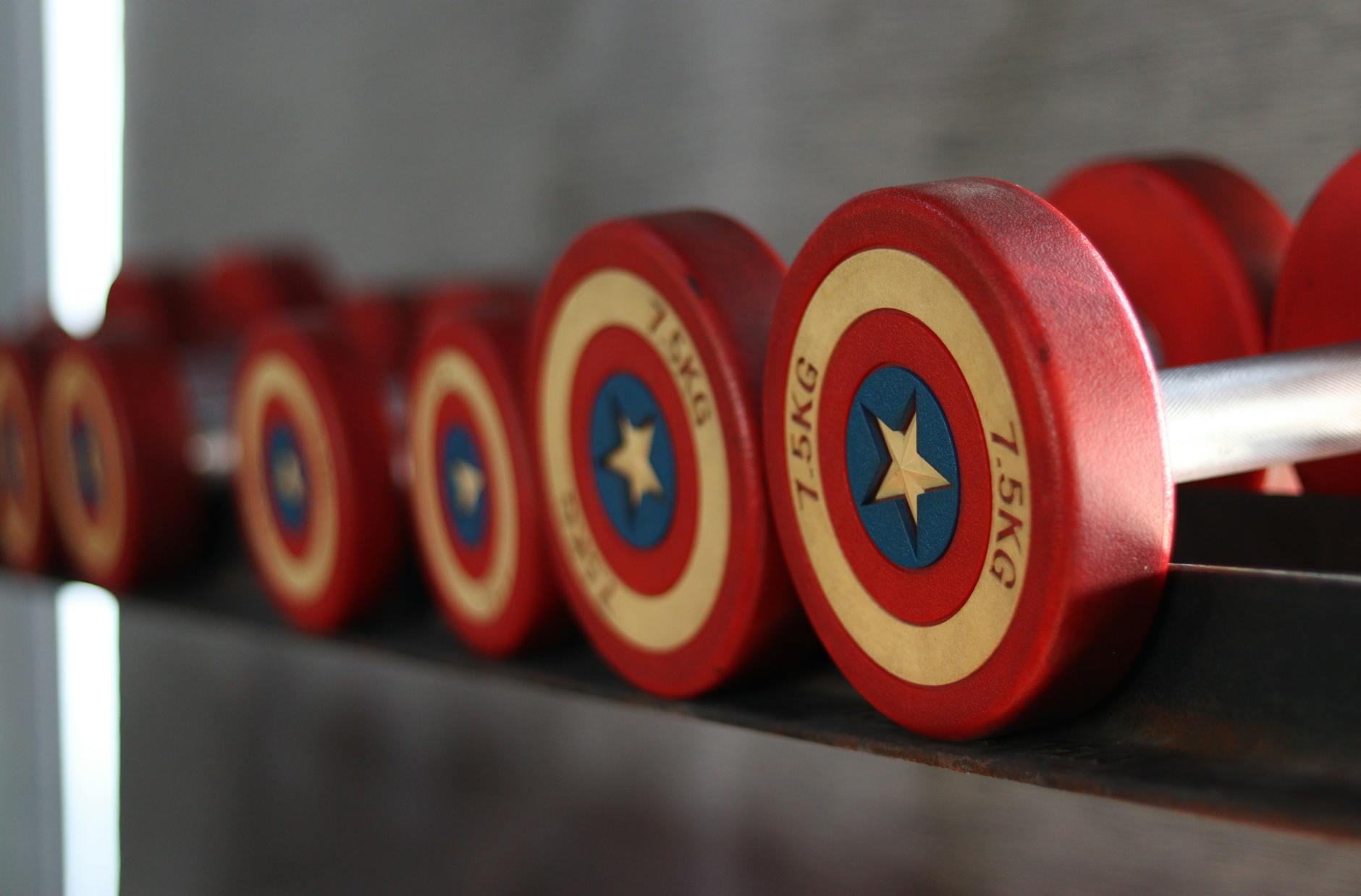
Weight selection is where most beginners either stall out from going too light or get discouraged from going too heavy. The general guideline is to start with 5 to 10 pounds for smaller muscle groups like shoulders and arms, and 10 to 20 pounds for larger muscle groups like legs and back. But numbers alone are not enough — the real test is whether the last 2 to 3 reps of each set feel genuinely challenging while you can still maintain proper form. If you finish a set of 12 and feel like you could easily do 14 or 15, increase the weight. If you cannot reach the bottom of the target rep range, drop down.
However, if you are primarily a runner adding strength work for the first time, your legs may be more capable than you expect while your upper body lags behind. It is common for someone who runs 25 miles a week to goblet squat 20 pounds comfortably on day one but struggle with 8-pound front raises. Do not let ego push you into matching your lower-body numbers on upper-body lifts. The imbalance is normal, and forcing heavier weights on smaller muscles leads to compensatory movement patterns that create exactly the kind of injuries strength training is supposed to prevent. For progressive overload — the principle of gradually increasing demands on your muscles — a complete home dumbbell set ranging from 5 to 50 pounds covers all your bases over months of training. You will not need 50 pounds for a long time, but having the runway means you are not buying new equipment every few weeks.
How Often Should Beginners Train With Dumbbells Alongside Running?
Experts recommend 2 to 3 full-body dumbbell sessions per week with a rest day between each session, and the classic Monday/Wednesday/Friday schedule works well for most people. For runners, this creates an obvious conflict: those are often running days too. The practical solution is to do your strength work after your easy runs or on days when you are not doing speed work or long runs. Placing dumbbell training after a hard interval session or a 15-mile long run is a recipe for sloppy form and diminished returns. Beginner sessions should last 10 to 30 minutes, and the stacking approach — 10-minute focused blocks for upper body, lower body, or full body — is particularly effective when you are short on time.
A runner doing three easy days and two hard days per week might schedule dumbbell sessions on two of the easy days and one rest day, keeping total training manageable. Rest 60 to 90 seconds between sets for proper recovery, which is longer than many beginners expect but makes a significant difference in maintaining quality across a workout. One thing to watch for: if you notice your running performance declining in the first two weeks of adding strength work, that is normal adaptation, not a sign to quit. Your body is allocating recovery resources to new demands. Most runners report that their pace and endurance improve after three to four weeks of consistent combined training.
Comparing the Best Dumbbells for Home Training on a Budget
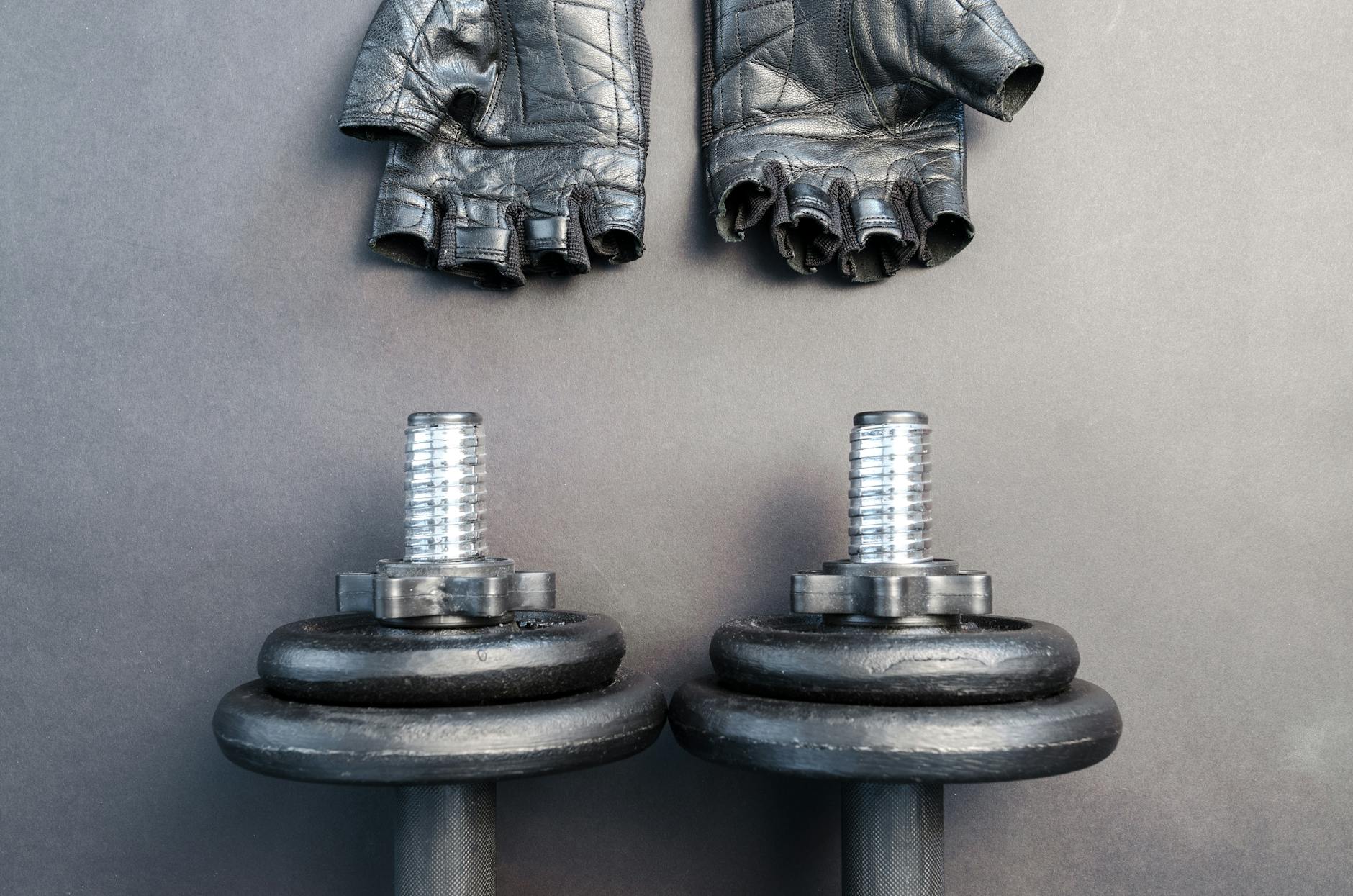
If you are setting up a home gym, the choice between adjustable and fixed-weight dumbbells involves a clear tradeoff between convenience and cost efficiency. The Bowflex SelectTech 552 offers a 5 to 52.5 pound range in 2.5-pound increments, which makes it the top-rated option for beginners because the small jumps let you progress gradually without buying new weights. The NordicTrack 55 lb Select-a-Weight pair covers 10 to 55 pounds per dumbbell for under 400 dollars and is considered the best budget adjustable option by reviewers at Men’s Journal and BarBend. For someone who knows they will stick with training long-term, the PowerBlock Pro 100 EXP starts at 5 to 40 pounds and can expand to 100 pounds through add-on kits.
The budget-conscious alternative is fixed-weight dumbbells like Amazon Basics Rubber Hex Dumbbells, available in 10 to 45 pound options with Prime shipping. Fixed weights are simpler and more durable — no dial mechanisms to break — but they take up significantly more space and buying a full range gets expensive fast. A pair of hex dumbbells at each weight from 10 to 40 pounds in 5-pound increments will cost roughly as much as a single adjustable set while occupying an entire corner of your room. For runners who primarily want dumbbells for the exercises outlined here and are not planning to become powerlifters, a single adjustable set in the 5 to 50 pound range is the most practical investment. If budget is extremely tight, a pair of 10-pound and a pair of 20-pound fixed dumbbells will cover most beginner exercises for three to six months.
Common Mistakes That Undermine Beginner Dumbbell Training
The most frequent mistake beginners make is not poor exercise selection — it is inconsistent attendance. Training once a week produces almost no adaptation. Twice a week is the minimum effective dose, and the research-backed recommendation of two to three sessions exists because that frequency provides enough stimulus for muscle growth without overwhelming recovery. If you find yourself skipping sessions, the problem is usually that the workout is too long or too complicated. Trim it to three exercises and 15 minutes before you consider quitting entirely. Form deterioration is the second major issue, and it is particularly dangerous with dumbbells because each arm operates independently.
When one side is weaker — and one side is always weaker — the tendency is to twist, lean, or use momentum to compensate. During one-arm rows, this shows up as rotating the torso to hoist the weight instead of pulling with the back. During floor presses, it appears as one arm locking out before the other. These compensations reinforce the muscular imbalances that dumbbells are specifically designed to correct, according to specialists cited by Gymshark and PureGym. A limitation worth acknowledging: dumbbells alone will not develop maximal strength the way barbells can, because loading is limited by what you can hold in one hand and get into position. For runners, this is largely irrelevant — you are training for muscular endurance and stability, not one-rep maxes. But if your goals eventually shift toward heavy strength training, you will need to add barbells or machines.

Why Dumbbells Are Especially Valuable for Runners
Certified kinesiologists and movement specialists recommend dumbbell training specifically for functional strength — the kind that translates directly to daily activities and athletic performance. A trainer featured on Fit&Well performs six beginner-friendly dumbbell exercises every single week to build this type of strength. For runners, functional strength means better hip stability during single-leg stance (which is what running actually is — a series of single-leg stances), stronger glutes for hill climbing, and more resilient connective tissue that absorbs the repetitive impact of thousands of foot strikes per week.
The independent loading that dumbbells provide is the key advantage over machines or even barbells. Because each side of the body works separately, your dominant leg cannot compensate for your weaker one the way it does during a barbell squat. Over time, this corrects the left-right imbalances that cause IT band syndrome, runner’s knee, and hip drops — injuries that physical therapists trace back to strength asymmetries more often than to running volume.
Building Long-Term Progression Into Your Dumbbell Routine
The first eight to twelve weeks of dumbbell training produce rapid gains simply because everything is new. After that initial period, progress requires deliberate manipulation of weight, volume, or exercise complexity. The simplest approach: when you can complete all prescribed reps with good form for two consecutive sessions, increase the weight by 2.5 to 5 pounds. This is where adjustable dumbbells with small increment options, like the Bowflex SelectTech’s 2.5-pound jumps, pay for themselves. Looking ahead, the role of dumbbell training in a runner’s program does not diminish as you get faster or run more miles — it becomes more important.
Elite and sub-elite runners almost universally incorporate strength work, and the dumbbell exercises described here form the foundation that more advanced programming builds on. The goblet squat becomes a Bulgarian split squat. The floor press becomes an overhead press. The reverse lunge becomes a single-leg Romanian deadlift. Start simple, stay consistent, and let the complexity arrive when you are ready for it.
Conclusion
A beginner dumbbell program built around goblet squats, rows, floor presses, lunges, and deadlifts — performed two to three times per week for 10 to 30 minutes per session — is one of the highest-return investments a runner can make. Start with 5 to 10 pounds for upper-body movements and 10 to 20 pounds for lower-body work, rest 60 to 90 seconds between sets, and increase weight when the last few reps stop feeling challenging. The equipment does not need to be expensive; a single pair of adjustable dumbbells or two pairs of fixed-weight hex dumbbells will serve you for months.
The next step is straightforward: pick three exercises from this article, set a timer for 15 minutes, and do them after your next easy run. Do not wait for the perfect routine, the perfect dumbbells, or the perfect schedule. Two short sessions this week will teach you more about what works for your body than any amount of reading. Adjust from there.