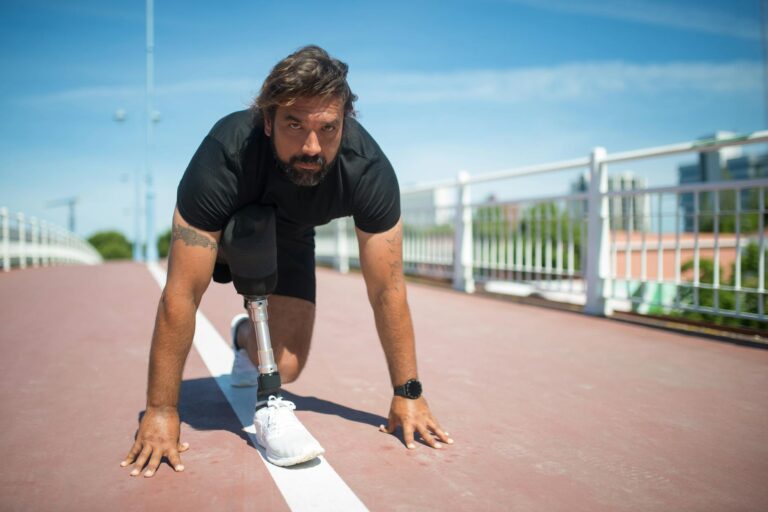
Starting or continuing to run in your 70s is not just possible, it may be optimal. Research shows that older runners often achieve benefits that rival or exceed those of younger athletes.
The human body retains remarkable adaptability throughout life. Understanding how to work with these capabilities unlocks potential many assume is lost.
Each section builds on the previous, creating a complete picture you can use to improve your running.
Table of Contents
Running in Your 70s: What Changes
Running in your 70s involves understanding how your body has changed while recognizing that these changes do not prevent excellent fitness and performance. Many runners achieve personal records in their 70s by training smarter than they did when younger.
Recovery takes longer as you age. This is perhaps the most significant change. What you bounced back from in 24 hours at 25 might require 48-72 hours now. This is not a limitation so much as information to incorporate into your training.
The good news is substantial. Aerobic capacity (VO2 max) declines only about 1% per year in active individuals after 40, compared to 2% or more in sedentary people. Maintaining running dramatically slows age-related decline.
- Longer recovery needs between hard efforts
- Reduced maximum heart rate (but this affects training zones, not fitness potential)
- Less resilience to training errors (but more wisdom to avoid them)
- Maintained aerobic capacity with consistent training
Adapting Training for Optimal Results
Training in your 70s requires emphasizing quality over quantity. The total volume of running matters less than consistently showing up and completing the key workouts that drive adaptation.
Most of your running should be at easy pace, where you can comfortably hold a conversation. This is true for all runners but becomes especially important with age. Easy running builds aerobic base without the recovery cost of harder efforts.
High-intensity training remains valuable but requires more careful dosing. One or two quality sessions weekly is typically optimal. These sessions provide the stimulus for continued improvement while allowing adequate recovery.
- Run easy most days, hard only 1-2 times weekly
- Build volume gradually, more slowly than when younger
- Include strength training to maintain muscle mass and power
- Prioritize consistency over peak training loads
Recovery Considerations for Older Runners
Recovery is where your training actually works. The running creates stress; the recovery allows adaptation. Older runners who master recovery often outperform those who simply train harder.
Sleep becomes increasingly important. Aim for 7-9 hours nightly, with consistent sleep and wake times. Growth hormone, essential for tissue repair, releases primarily during deep sleep.
Active recovery between hard sessions promotes blood flow and adaptation without adding stress. Easy walks, light cycling, or swimming on recovery days can enhance adaptation compared to complete rest.
- Take an extra recovery day after hard efforts if needed
- Monitor morning heart rate as an indicator of recovery status
- Include protein with each meal to support muscle repair
- Stay hydrated, as dehydration impairs recovery more with age
- Consider compression, massage, or other recovery modalities
Injury Prevention Strategies
Injury prevention becomes more important as we age, but running does not inherently cause injury. Most running injuries come from training errors: too much too soon, inadequate recovery, or ignoring warning signs.
Strength training is essential for injury prevention. Muscle mass naturally declines with age, weakening the support structures around joints. Regular strength work maintains the muscular protection your joints need.
Listen to your body more carefully than you did when younger. Minor aches that would have resolved overnight at 25 may require attention now. Address issues early before they become serious injuries.
- Strength train 2-3 times weekly, focusing on legs, hips, and core
- Warm up thoroughly before running, especially on cold days
- Replace running shoes regularly, before they break down
- Vary running surfaces to reduce repetitive stress
- Reduce volume immediately when you feel something developing
Performance Potential at Any Age
Age group records continue to fall at distances from the mile to the marathon. Masters runners are demonstrating what is possible with smart, consistent training. Personal records into your 70s are genuinely achievable.
Many runners set PRs in their 67s after training more intelligently than they did when younger. Experience teaches what works and, importantly, what does not. This wisdom compensates for any physiological changes.
Redefine success if needed. Racing age-graded performances or competing within your age group provides meaningful competition and goals beyond absolute times.
- Set age-appropriate goals based on current fitness, not past performance
- Celebrate consistency as a primary achievement
- Use age-graded calculators to compare performances across years
- Connect with masters running communities for support and perspective
- Remember that running at any age puts you ahead of most people who have stopped
How to Apply This
Taking action on what you have learned requires a practical approach. Here are concrete steps for implementation.
This Week
- Assess your current situation and identify one specific area to address
- Schedule three specific times for action in your calendar
- Gather any resources or equipment you need
- Tell someone about your plan for accountability
This Month
- Establish a consistent routine you can maintain
- Track your completion rate and results
- Make adjustments based on what you learn
- Add complexity only after basics are solid
Ongoing
- Review progress monthly and set new goals
- Continue learning and refining your approach
- Connect with others working toward similar goals
- Maintain consistency through life changes and challenges
Frequently Asked Questions
Is it safe to start running later in life?
Yes, with medical clearance. Many runners start in their 50s, 60s, or beyond and achieve excellent fitness. Start gradually and allow adequate recovery.
Does running damage joints as we age?
Research shows runners have lower rates of arthritis than non-runners. Running strengthens joints when progression is sensible.
Should older runners train differently?
Yes, allow more recovery time, emphasize quality over quantity, and include strength training. The principles remain the same; the dosing changes.
Can I still set PRs as I age?
Many runners set personal records in their 40s, 50s, and beyond by training smarter. Age-graded performances allow meaningful comparison across years.
You Might Also Like
Explore more:
Cardio |
Weight Loss |
Longevity