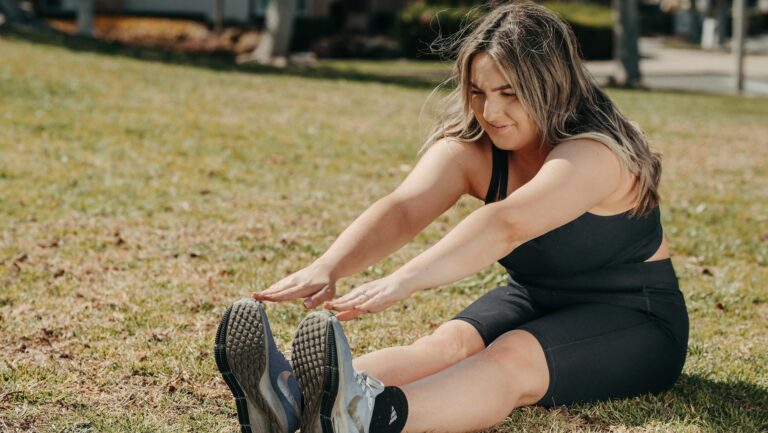
The most effective strategies to increase calories burned during Zumba come down to a handful of deliberate adjustments: fully extending every movement, working within 55 to 85 percent of your maximum heart rate, incorporating arm engagement, and choosing higher-intensity class formats. A typical one-hour Zumba session burns between 300 and 900 calories depending on intensity, duration, and body weight, with the average person landing somewhere in the 450 to 700 calorie range. That is a wide spread, and where you fall on that spectrum is largely within your control. For example, a 150-pound woman dancing at moderate effort might burn around 400 calories, but the same woman pushing full intensity with complete arm extension and added plyometric jumps could push well past 600.
Most people walk into Zumba class, follow the instructor, and assume the calorie burn is fixed. It is not. Small, intentional changes to how you move, how you prepare, and which class format you choose can shift your output significantly. This article breaks down the specific tactics that make the biggest difference, from movement mechanics and warm-up strategy to pre-workout nutrition and cross-training, so you can stop leaving calories on the table every time the music starts.
Table of Contents
- What Are the Most Effective Strategies to Increase Calories Burned in a Zumba Workout?
- How Zumba Format Selection Affects Your Total Calorie Expenditure
- Why Your Warm-Up Strategy Directly Impacts Total Calories Burned
- Pre-Workout Nutrition and Hydration for Maximum Zumba Performance
- Cross-Training to Build the Fitness Base That Powers Higher Zumba Output
- Using Heart Rate Monitoring to Hold Yourself Accountable
- Building a Long-Term Progression Plan for Sustained Calorie Burn
- Conclusion
What Are the Most Effective Strategies to Increase Calories Burned in a Zumba Workout?
The single most impactful strategy is increasing movement intensity across the entire class. That means fully extending every arm swing, lifting your knees higher on marching and stepping movements, and twisting through your core rather than just pivoting at the hips. Working at 55 to 85 percent of your maximum heart rate is the target zone where calorie expenditure climbs meaningfully, and a basic chest-strap or wrist-based heart rate monitor is the easiest way to verify you are actually in that range rather than guessing. Many people think they are working hard, but their heart rate data tells a different story. Maximizing arm movements is another high-return adjustment that most participants underutilize. When you keep your arms close to your body or let them hang loosely during choreography, you are removing a significant source of calorie burn. Fully extending your arms overhead and out to the sides engages the deltoids, lats, and upper back, and it forces your cardiovascular system to pump blood to a larger area of working muscle.
Adding light hand weights, typically one to three pounds, or zumba toning sticks amplifies this effect further. The comparison is straightforward: a person doing the same routine with full arm extension and light weights will burn noticeably more than someone keeping their arms at waist height throughout the class. A third core strategy is incorporating plyometric movements wherever the choreography allows. Jumps, hop-squats, and explosive lateral shuffles spike your heart rate rapidly and demand more energy per repetition than their low-impact alternatives. However, this is where individual judgment matters. If you have knee or ankle issues, adding high-impact plyometrics without adequate joint conditioning is a path to injury, not fitness. Start with one or two songs where you add jumps, then build from there as your joints adapt.

How Zumba Format Selection Affects Your Total Calorie Expenditure
Not all Zumba classes are created equal, and the format you choose sets the ceiling on your calorie burn before you even start moving. Standard Zumba classes blend Latin dance rhythms with moderate-intensity cardio, which is effective and accessible but not the highest-burning option available. STRONG Nation, formerly known as STRONG by Zumba, is a HIIT-based format that replaces traditional dance choreography with interval training synced to music. This format can burn 400 to 800 calories per hour, placing it significantly above the average for traditional Zumba. Zumba Strength classes, which incorporate resistance elements like dumbbells or body weight exercises between dance segments, offer another step up.
The added muscle engagement increases both the immediate calorie cost and the post-exercise metabolic effect, since your body continues burning calories at an elevated rate as it repairs stressed muscle tissue. If your local studio offers both traditional and strength-based formats, alternating between them across the week gives you the combined benefit of dance-based cardio endurance and resistance-driven metabolic demand. However, if you are new to Zumba or returning after a long break, jumping straight into a STRONG Nation or HIIT Zumba class can backfire. The intensity is high enough that an unprepared participant may fatigue within 20 minutes and spend the remainder of the class operating well below their target heart rate zone. In that scenario, a traditional Zumba class performed at full effort will actually burn more total calories than a HIIT class you can only sustain for a third of the session. Build your base in standard classes first, then graduate to the higher-intensity formats once you can maintain effort for the full duration.
Why Your Warm-Up Strategy Directly Impacts Total Calories Burned
The warm-up is not filler. How you spend the first five to ten minutes of class has a measurable effect on your total calorie output because it determines how quickly your body reaches its working heart rate zone and how efficiently it sustains effort throughout the main session. An optimized warm-up gradually elevates heart rate, primes the neuromuscular system for explosive movement, and opens up joint range of motion so you can execute full extensions and deep movements from the first high-intensity song forward. A common mistake is treating the warm-up as a passive phase where you mark time until the real workout begins. If you spend the warm-up barely moving, your body enters the main portion of class cold and underprepared, which means you spend the first two or three high-intensity songs just catching up to the heart rate zone you should have reached during the warm-up. That is ten to fifteen minutes of reduced calorie burn.
Instead, use the warm-up to progressively increase your movement size. During a warm-up merengue march, for example, start with small steps and gradually widen your stance, raise your knees higher, and add arm swings until you feel your heart rate climbing steadily. By the time the first main track hits, you should already be lightly sweating. The practical difference is significant. A participant who actively warms up and enters the main session at 60 percent of max heart rate will sustain higher average intensity across the full class compared to someone who drifts through the warm-up and does not reach that same heart rate until fifteen minutes in. Over a one-hour class, that difference compounds.

Pre-Workout Nutrition and Hydration for Maximum Zumba Performance
What you eat and drink before class is not a marginal detail. It directly affects how hard you can push and how long you can sustain effort, which in turn determines your calorie burn. The general guideline is to drink water about 30 minutes before class and eat a light snack 60 to 90 minutes prior. The snack should combine a fast-digesting carbohydrate with a small amount of protein or fat for sustained energy. A banana with peanut butter or yogurt with chia seeds are practical options that digest quickly enough to avoid stomach discomfort while providing enough fuel to sustain high-intensity output. The tradeoff here is between eating too much and eating too little. Show up to class on an empty stomach after skipping lunch, and your energy will fade by the midpoint of the session.
Your body simply does not have the glycogen stores to support sustained high-intensity effort, and your perceived exertion will climb faster than your actual calorie burn. On the other hand, eating a heavy meal within an hour of class creates its own problem: blood flow diverts to digestion, you feel sluggish, and nausea becomes a real risk during high-intensity segments. The 60 to 90 minute window with a 150 to 250 calorie snack is the sweet spot for most people. Hydration follows a similar logic. Dehydration reduces blood volume, which means your heart has to work harder to deliver oxygen to working muscles, but that extra cardiac effort does not translate into more calories burned. It translates into earlier fatigue, reduced power output, and a shorter window of high-intensity work. Sipping water throughout the day and drinking eight to twelve ounces about 30 minutes before class keeps your blood volume adequate without leaving you waterlogged on the dance floor.
Cross-Training to Build the Fitness Base That Powers Higher Zumba Output
One of the most overlooked strategies for increasing Zumba calorie burn has nothing to do with what happens during class. It is what you do on the days between classes. Cross-training with complementary forms of cardio, such as swimming, power walking, or jogging, builds aerobic capacity that allows you to work at higher intensities during Zumba without hitting your limit prematurely. Adding strength training on non-Zumba days increases your resting metabolic rate and improves the muscular endurance needed to sustain full arm extensions, deep squats, and explosive jumps across an entire session. The limitation here is that cross-training only pays dividends if it does not compromise your recovery.
Doing heavy leg training the day before a Zumba class will leave your quads and glutes fatigued, which means you will instinctively reduce your movement range and intensity during class. A more productive schedule spaces strength work so that the muscle groups most demanded by Zumba, primarily the legs, glutes, and core, have at least 48 hours to recover before your next class. Upper body strength work fits more easily into the day before Zumba since arm fatigue has less impact on your ability to dance at full intensity. The broader point is that your Zumba calorie burn is capped by your overall fitness level. Two people in the same class, following the same choreography, will burn very different amounts based on their aerobic capacity and muscular strength. Investing in both outside of Zumba class raises that cap over time, which means the same hour of dancing produces progressively more calorie expenditure as your fitness improves.
Using Heart Rate Monitoring to Hold Yourself Accountable
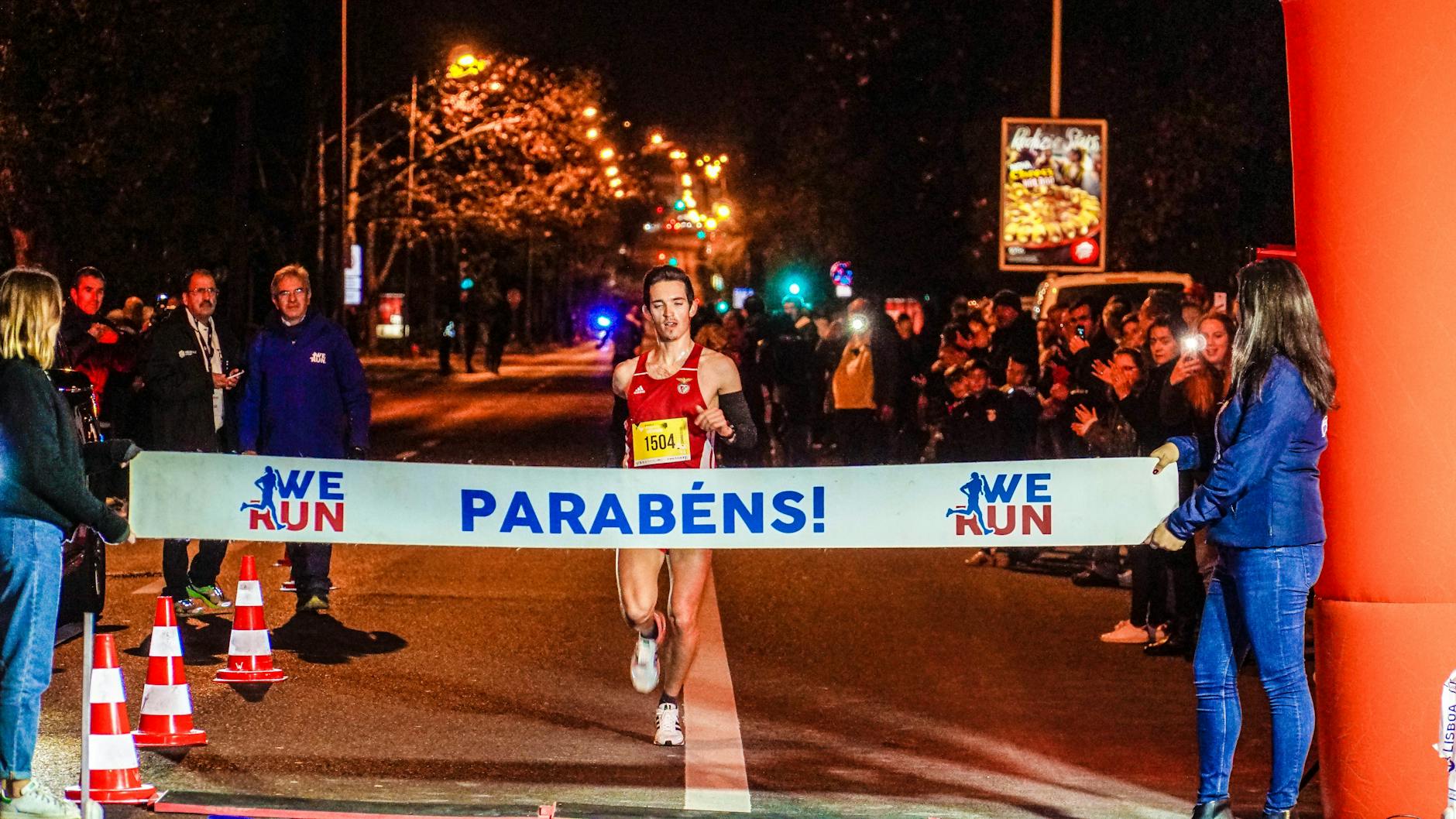
A heart rate monitor is the most objective tool available for verifying that your effort matches your intention. Without one, perceived exertion is your only gauge, and it is notoriously unreliable. Research consistently shows that people overestimate their exercise intensity, particularly in group fitness settings where social energy and loud music create a feeling of working harder than the data supports. A chest strap or optical wrist monitor that displays real-time heart rate lets you confirm that you are actually operating within the 55 to 85 percent max heart rate zone where calorie burn scales meaningfully.
As a practical example, if your maximum heart rate is approximately 185 beats per minute, your target zone during Zumba is roughly 102 to 157 bpm. If you glance at your monitor during a high-energy reggaeton track and see 130 bpm, you know you have room to push harder. If you see 165 bpm, you know you are at the upper edge and can sustain that effort strategically rather than burning out. This kind of real-time feedback turns vague intention into precise execution and, over time, teaches you what true high-intensity effort feels like so you can self-calibrate even without the monitor.
Building a Long-Term Progression Plan for Sustained Calorie Burn
The strategies outlined here are not one-time adjustments. They are elements of a progression plan that evolves as your fitness improves. A beginner who starts with traditional Zumba, focuses on full arm extension and proper warm-up, and gradually adds plyometric movements will see their calorie burn increase over the first several months as their capacity grows. From there, transitioning to STRONG Nation or Zumba Strength classes provides the next level of stimulus. Adding cross-training and dialing in pre-workout nutrition refines the process further.
The key insight for long-term progress is that your body adapts. The same routine at the same intensity will eventually produce diminishing calorie returns as your cardiovascular system becomes more efficient. This is not a failure. It is a signal to increase the challenge, whether that means choosing a harder class format, adding weights, increasing the number of sessions per week, or pushing deeper into your heart rate zone during peak segments. Treat Zumba like any other form of progressive training, and the calorie burn will follow.
Conclusion
Increasing your calorie burn during Zumba is not about working recklessly harder. It is about working deliberately smarter. Fully extending every movement, engaging your arms, choosing higher-intensity formats like STRONG Nation, optimizing your warm-up, fueling properly before class, and building your fitness base through cross-training are all proven strategies that compound over time.
A heart rate monitor keeps you honest about your actual effort, and progressive overload ensures your body does not plateau. The average Zumba participant burns 450 to 700 calories per hour, but the range extends from 300 to 900 depending on how many of these strategies you apply. Start with one or two adjustments, measure their impact, and add more as they become habitual. The gap between a casual Zumba session and a high-output one is significant, and closing that gap is entirely within your control.