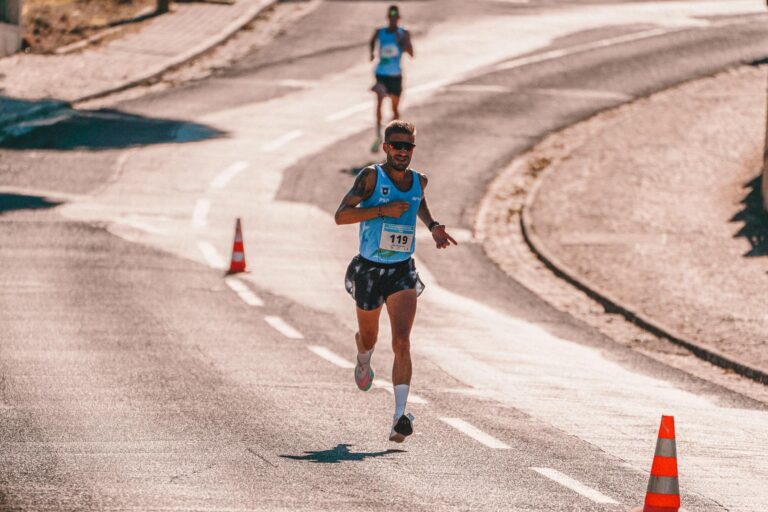
Small, steady increases in distance while running quietly build lasting cardio longevity by improving aerobic capacity, reducing injury risk through gradual adaptation, and making consistent cardio workouts more sustainable over years. https://www.foundmyfitness.com/episodes/exercise-intensity
Why small distance increases work
– Progressive overload helps the heart and muscles adapt without sudden stress, so VO2 max and stroke volume improve over time when you raise training load gradually rather than all at once. https://www.mindbodygreen.com/articles/cooper-test-12-minute-run-can-predict-longevity
– Increasing distance bit by bit lowers the chance of overuse injuries compared with jumping to much higher mileage, which protects joints and allows consistent training over decades. https://www.parkcountychiropractic.com/single-post/why-walking-works-slowing-down-may-be-the-fastest-path-to-lifelong-health-longevity
Practical steps to add distance without breaking progress
– Add 5 to 10 percent more distance per week rather than large jumps; this small, steady rule reduces injury risk and encourages long term adherence. https://www.vocal.media/education/running-for-life-a-practical-guide-from-couch-to-5-k
– Keep most sessions at an easy aerobic pace so the body accumulates low-stress volume that improves mitochondrial function and base endurance. https://www.parkcountychiropractic.com/single-post/why-walking-works-slowing-down-may-be-the-fast-path-to-lifelong-health-longevity
– Include one day of variety (short intervals or a slightly harder tempo) to stimulate adaptations in cardiac output and VO2 max without large mileage increases. https://www.foundmyfitness.com/episodes/exercise-intensity
How small increases support longevity markers
– Higher aerobic fitness, measured by VO2 max or a simple Cooper-style test, is linked with longer lifespan and better metabolic and brain health; gradual mileage gains are a safe route to raise that fitness. https://www.mindbodygreen.com/articles/cooper-test-12-minute-run-can-predict-longevity
– Even small amounts of vigorous activity added to regular cardio can sharply reduce cardiovascular risk, so slowly increasing distance while occasionally adding short intensity keeps benefits growing. https://www.foundmyfitness.com/episodes/exercise-intensity
Making this approach work with other goals
– For loosing weight, steady distance increases raise weekly energy expenditure while being easier to maintain than sudden high-volume plans; combine with modest dietary changes for best results. https://www.parkcountychiropractic.com/single-post/why-walking-works-slowing-down-may-the-fast-path-to-lifelong-health-longevity
– Prioritize recovery: rest days, sleep, and strength work for hips and glutes reduce injury risk as distance climbs and preserve running form that supports cardio gains. https://www.vocal.media/education/running-for-life-a-practical-guide-from-couch-to-5-k
Listening to the body and measuring progress
– Track simple markers: weekly distance, how you feel during easy runs, resting heart rate trends, and occasional Cooper-style tests to see aerobic improvement without obsessive daily metrics. https://www.mindbodygreen.com/articles/cooper-test-12-minute-run-can-predict-longevity
– If progress stalls, reduce the rate of increase or add extra recovery; many longevity benefits come from consistency over years, not short bursts of extreme training. https://www.foundmyfitness.com/episodes/exercise-intensity