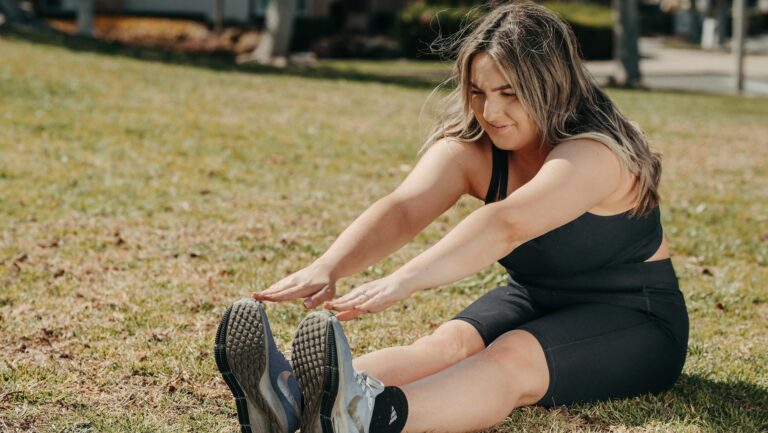
Walking after meals is generally the better choice for most people, particularly if your goal is to manage blood sugar, improve digestion, or support weight management. Research published in the journal Diabetologia found that even a short walk of 10 to 15 minutes after eating can reduce post-meal blood glucose spikes by up to 22 percent compared to sitting. For someone who just finished a moderate dinner, stepping outside for a brisk 10-minute loop around the neighborhood can meaningfully blunt the blood sugar surge that typically peaks about 60 to 90 minutes after the last bite.
That said, walking before meals has its own distinct advantages, especially for people focused on fat oxidation or appetite regulation. A pre-meal walk on a relatively empty stomach forces the body to rely more heavily on stored fat for fuel, and some research suggests it can reduce hunger hormones enough to prevent overeating at the table. Neither timing is universally superior — the right answer depends on your health priorities, your digestive tendencies, and how your body responds to exercise in a fed versus fasted state. This article breaks down what the science actually says about walking before and after meals, who benefits most from each approach, how long and how fast you should walk, what to watch out for if you have digestive issues or diabetes, and how to build a sustainable walking habit around your daily meals.
Table of Contents
- What Happens to Your Body When You Walk Before or After Eating?
- How Post-Meal Walking Improves Blood Sugar and Digestion
- When Walking Before Meals Makes More Sense
- How Long and How Fast Should You Walk Around Meals?
- Who Should Be Cautious About Walking Near Meals
- Building a Realistic Post-Meal Walking Routine
- What Emerging Research Says About Meal-Timed Movement
- Conclusion
- Frequently Asked Questions
What Happens to Your Body When You Walk Before or After Eating?
When you eat a meal, your blood glucose begins to rise within about 15 minutes as carbohydrates break down into sugar and enter the bloodstream. If you remain sedentary, insulin does most of the heavy lifting to shuttle that glucose into cells. walking after a meal essentially gives your muscles a reason to pull glucose out of the blood on their own through a process called non-insulin-mediated glucose uptake. Your working muscles act like sponges, absorbing blood sugar to use as immediate fuel. A 2022 meta-analysis in Sports Medicine found that as little as two to five minutes of light walking after eating was enough to produce a statistically significant reduction in post-meal glucose levels compared to sitting. Walking before a meal triggers a different metabolic cascade. Because glycogen stores are partially depleted and there is no recent influx of dietary glucose, the body shifts toward burning free fatty acids for energy.
This is why fasted or pre-meal walking is often recommended in fat-loss protocols. A study from the University of Bath showed that participants who exercised before breakfast burned roughly 20 percent more fat during the session compared to those who exercised after eating. However, higher fat oxidation during the walk does not automatically translate to greater overall fat loss across the day — total caloric balance still matters most. The comparison comes down to immediate priorities. If you are managing type 2 diabetes or prediabetes, post-meal walking offers more direct and measurable benefits because it targets the exact window when glucose control matters most. If you are a runner looking to improve metabolic flexibility and teach your body to burn fat more efficiently during long efforts, pre-meal walking or easy jogging before breakfast can serve as useful aerobic base work. Both approaches improve cardiovascular health over time, but their acute effects on blood sugar and fuel utilization differ meaningfully.
How Post-Meal Walking Improves Blood Sugar and Digestion
The post-meal blood sugar spike is one of the most studied targets in metabolic health research, and walking is one of the simplest interventions that consistently works. When you walk within 15 to 30 minutes of finishing a meal, your contracting leg muscles increase glucose transporter activity at the cell surface, pulling sugar from the bloodstream without requiring as much insulin. This matters not only for people with diabetes but also for healthy individuals who want to avoid the energy crash and brain fog that often follow a carbohydrate-heavy meal. A 2023 study in the Journal of the American Medical Association found that participants who took a 15-minute walk after lunch reported better afternoon concentration and less fatigue than those who sat at their desks. Post-meal walking also appears to support digestion by promoting gastric motility — the rhythmic contractions that move food through the stomach and into the small intestine. Gentle movement after eating can reduce bloating and the sensation of fullness, which is why the post-dinner walk is a longstanding cultural tradition in countries like Italy and Germany.
Researchers at the Technical University of Munich found that participants who walked at a moderate pace after meals experienced fewer symptoms of functional dyspepsia over a four-week period. However, if you eat a very large or high-fat meal and then try to walk at a brisk pace, you may experience cramping, nausea, or acid reflux. The key is intensity. A casual stroll at two to three miles per hour is ideal after eating. Vigorous walking or anything approaching a jog can divert blood flow away from the digestive tract and toward working muscles, which may actually slow digestion and cause discomfort. People with gastroesophageal reflux disease should be especially cautious about bending or walking uphill immediately after meals, as these positions can worsen symptoms.
When Walking Before Meals Makes More Sense
Pre-meal walking is worth considering if your primary concern is appetite control rather than blood sugar management. Several studies have shown that moderate aerobic exercise before eating can temporarily suppress ghrelin, the hormone responsible for signaling hunger, while increasing levels of peptide YY, which promotes satiety. In practical terms, a person who takes a 20-minute walk before dinner may sit down at the table feeling less ravenous and make more measured food choices as a result. A trial published in the journal Appetite found that participants who walked briskly for 15 minutes before being offered a buffet-style meal consumed roughly 10 percent fewer calories than the control group. Pre-meal walking also makes logistical sense for people who experience digestive discomfort when exercising after food. Runners, in particular, know that even light movement on a full stomach can trigger side stitches, bloating, or the urgent need for a bathroom.
If your GI system is sensitive, walking 30 to 60 minutes before a meal allows you to get your movement in without any of those issues. Morning walkers who prefer to eat breakfast afterward often report feeling more alert and energized during their walk compared to those who eat first, likely because of mild sympathetic nervous system activation. The limitation here is that pre-meal walking does almost nothing to curb the post-meal glucose spike. If you are someone monitoring your blood sugar with a continuous glucose monitor, you will notice that a walk taken an hour before eating has minimal effect on the glucose curve that follows the meal. For people with insulin resistance or type 2 diabetes, this distinction is clinically relevant. Walking before eating may help with calorie intake and fat burning, but it does not replace the specific glycemic benefit of walking after eating.

How Long and How Fast Should You Walk Around Meals?
The good news is that you do not need a lengthy or intense walk to see benefits. Research consistently shows that 10 to 15 minutes of walking at a moderate pace — roughly a three on a one-to-ten effort scale — is enough to produce measurable improvements in post-meal blood sugar. A landmark 2016 study from the University of Otago in New Zealand compared three 10-minute walks taken after each meal to a single 30-minute walk taken at any time of day. The post-meal walkers had significantly better blood sugar control, particularly after dinner, which tends to be the largest and most carbohydrate-dense meal. Pace matters, but not as much as consistency. Walking at about 2.5 to 3.5 miles per hour is sufficient for most people.
Faster is not necessarily better in this context because the goal is to activate large muscle groups at a sustainable effort, not to push into a zone that diverts blood from digestion. For comparison, a competitive runner doing an easy recovery jog at five miles per hour after dinner would likely get similar glucose benefits but might also trigger more GI discomfort than a simple walk. The tradeoff is between marginal fitness gains and digestive comfort — and for most people, the comfortable walk wins. If you are trying to decide between one longer walk and multiple shorter walks throughout the day, the evidence slightly favors the shorter, meal-timed approach for blood sugar management. However, a single longer walk of 30 to 45 minutes offers greater cardiovascular conditioning and calorie expenditure. The ideal approach for overall health is to combine both strategies: short walks after meals for glucose control, and longer dedicated walks or runs for aerobic fitness.
Who Should Be Cautious About Walking Near Meals
People taking insulin or sulfonylureas for diabetes need to be especially careful about walking after meals. Exercise lowers blood sugar, and when combined with glucose-lowering medication, there is a real risk of hypoglycemia. A post-meal walk that drops blood glucose from 180 to 120 mg/dL is beneficial, but if medication has already brought levels down, the additional drop from walking could push someone into the danger zone below 70 mg/dL. Anyone on these medications should discuss meal-timing exercise with their endocrinologist and consider carrying a fast-acting carbohydrate source during walks. People with a history of exercise-induced acid reflux, irritable bowel syndrome, or gastroparesis should experiment cautiously with post-meal walking. Gastroparesis, a condition where the stomach empties abnormally slowly, can make any movement after eating uncomfortable.
In these cases, walking 60 to 90 minutes after a meal — rather than immediately after — or walking before the meal instead may be a better strategy. The standard advice to walk within 15 minutes of eating assumes a normally functioning digestive system, and that assumption does not hold for everyone. Pregnant women, particularly in the second and third trimesters, may also need to adjust timing. Post-meal walking is generally encouraged during pregnancy because gestational diabetes is a common concern and walking helps manage it. However, the physical discomfort of walking on a full stomach increases as pregnancy progresses, and heartburn becomes more frequent. A 10-minute walk at a gentle pace is usually well tolerated, but anything more intense may need to wait until digestion has had some time to work.
Building a Realistic Post-Meal Walking Routine
The most effective walking routine is the one you actually do, so building the habit around meals you already eat is a practical anchoring strategy. Consider starting with just one post-meal walk per day, ideally after your largest meal, which for most people is dinner. A runner who finishes dinner at 7 PM might simply leash the dog and walk for 12 minutes around the block.
After two weeks of consistency, adding a second walk after lunch becomes much easier because the habit loop is already established. Weather and logistics are the most common reasons people abandon a post-meal walking routine. On days when outdoor walking is impractical, walking in place, pacing around the house, or even doing light housework like tidying the kitchen can provide enough muscle activation to partially replicate the blood sugar benefits. A study from the Karolinska Institute found that any form of light movement after eating — including standing and doing dishes — was superior to sitting for post-meal glucose management, though walking still produced the largest effect.
What Emerging Research Says About Meal-Timed Movement
The growing popularity of continuous glucose monitors among non-diabetic health enthusiasts has generated a wave of real-world data about how different people respond to food and movement. Early findings suggest that post-meal glucose responses are highly individual — some people spike dramatically after rice but not after bread, and the degree to which walking blunts those spikes also varies. This personalization angle is likely to reshape general recommendations in the coming years, moving away from one-size-fits-all advice toward more targeted guidance based on individual glucose patterns.
Researchers are also investigating whether the type of movement matters beyond simple walking. Preliminary data suggests that resistance exercises like bodyweight squats or wall push-ups performed after meals may be even more effective at reducing glucose spikes than walking alone, because they recruit more fast-twitch muscle fibers and create greater glucose demand. For runners and endurance athletes, this opens up the possibility of combining a short post-meal walk with a few minutes of light calisthenics for an optimized glucose management routine that also supports muscular endurance.
Conclusion
Walking after meals is the stronger evidence-based choice for blood sugar control, digestive comfort, and sustained energy levels throughout the day. Even a 10-minute stroll after dinner can meaningfully reduce glucose spikes and support long-term metabolic health. Walking before meals has its own merits, particularly for appetite regulation and fat oxidation, making it a useful tool for runners and anyone focused on body composition. The two approaches are not mutually exclusive, and combining them — a pre-breakfast walk for metabolic flexibility and a post-dinner walk for glucose management — covers the widest range of health benefits.
The most important step is simply to start. Pick one meal, commit to a short walk afterward, and pay attention to how you feel. Most people notice improved energy, less bloating, and better sleep within the first week. Over time, these brief walks become automatic, and the cumulative cardiovascular and metabolic benefits compound in ways that no single long workout can replicate.
Frequently Asked Questions
How soon after eating should I start walking?
Ideally within 15 to 30 minutes of finishing your meal. This window aligns with the beginning of the post-meal glucose rise, giving your muscles the opportunity to absorb blood sugar before it peaks. Waiting longer than 60 minutes still provides some benefit, but the effect on glucose blunting is significantly reduced.
Can I walk before and after the same meal?
Yes, and some people find this approach works well. A short pre-meal walk can curb appetite and prime your muscles for glucose uptake, while a post-meal walk directly targets the blood sugar spike. Just keep both walks moderate — there is no need to turn each one into a dedicated workout.
Does walking after meals help with weight loss?
Walking after meals contributes to weight loss primarily through improved blood sugar regulation and modest calorie expenditure, but it is not a standalone weight-loss strategy. A 15-minute post-meal walk burns roughly 40 to 60 calories depending on your weight and pace. The indirect benefits — reduced cravings, better insulin sensitivity, and more consistent energy — often matter more than the calories burned during the walk itself.
Is walking after dinner better than walking after breakfast or lunch?
Dinner tends to produce the largest blood sugar spike for most people because it is often the heaviest meal and is eaten at a time when insulin sensitivity is naturally lower. Research from the University of Otago found that post-dinner walking had the greatest glucose-lowering effect compared to post-breakfast or post-lunch walks. That said, walking after any meal is beneficial.
Should I walk after eating if I have acid reflux?
Light walking at a flat, easy pace is generally safe and may actually help mild reflux by promoting gastric emptying. However, brisk walking, walking uphill, or bending during the walk can worsen symptoms. If you have chronic GERD, try waiting 20 to 30 minutes after eating before walking, and stick to level terrain at a gentle pace.
How does post-meal walking compare to post-meal running?
For blood sugar management, walking and easy jogging produce similar benefits — muscles are contracting and pulling glucose from the bloodstream either way. Running burns more calories per minute but also increases the risk of GI discomfort after eating. Unless you are specifically training, a walk is the more practical and comfortable post-meal choice.