Safe cardio workouts for people over 60 represent a critical component of maintaining health, independence, and quality of life during the later decades. The human cardiovascular system responds remarkably well to exercise at any age, but the approach must evolve as the body changes. Adults over 60 face unique considerations including joint health, medication interactions, balance concerns, and the increased importance of recovery time between sessions. Understanding these factors transforms exercise from a potential risk into a powerful tool for extending both lifespan and healthspan. The questions surrounding cardiovascular fitness after 60 are numerous and understandable.
How hard should the heart work during exercise? Which activities protect joints while still providing meaningful aerobic benefits? What warning signs indicate the body needs rest rather than another workout? These concerns often lead older adults to avoid exercise altogether, which paradoxically accelerates the decline they fear. Research from the American Heart Association indicates that regular cardiovascular exercise reduces the risk of heart disease, stroke, type 2 diabetes, and cognitive decline in adults over 60. The benefits extend beyond disease prevention to include improved sleep, enhanced mood, better balance, and increased energy for daily activities. By the end of this guide, readers will understand exactly which cardio exercises work best for the over-60 population, how to gauge proper intensity, what precautions to take before starting a program, and how to progress safely over time. The information draws from exercise physiology research, geriatric medicine guidelines, and practical wisdom from fitness professionals who specialize in mature adult training. Whether currently sedentary or already active, every reader will find specific, applicable strategies for making cardiovascular exercise a sustainable part of life.
Table of Contents
- What Makes Cardio Exercise Safe for Adults Over 60?
- Best Low-Impact Cardio Exercises for Seniors and Older Adults
- Understanding Heart Rate Zones and Exercise Intensity After 60
- Creating a Weekly Cardio Workout Schedule for People Over 60
- Common Mistakes and Warning Signs During Senior Cardio Exercise
- The Role of Warmup and Cooldown in Safe Senior Cardio
- How to Prepare
- How to Apply This
- Expert Tips
- Conclusion
- Frequently Asked Questions
What Makes Cardio Exercise Safe for Adults Over 60?
Safety in cardiovascular exercise for older adults hinges on three interconnected factors: appropriate intensity, joint-friendly movement patterns, and individualized progression. The cardiovascular system of a 60-year-old differs meaningfully from that of a 30-year-old, primarily in maximum heart rate capacity and the time required for heart rate to return to baseline after exertion. The formula traditionally used to calculate maximum heart rate (220 minus age) actually underestimates capacity for many fit older adults while overestimating it for sedentary individuals. A more practical approach involves using perceived exertion and the talk test, where safe moderate-intensity exercise allows conversation with some breathlessness but not gasping. Joint considerations become increasingly important as cartilage thins and decades of use accumulate in knees, hips, and ankles. Low-impact cardiovascular activities that keep at least one foot on the ground or eliminate ground contact entirely protect joints while still elevating heart rate effectively. Swimming, cycling, elliptical training, and walking provide cardiovascular benefits without the repetitive joint stress of running or high-impact aerobics.
This does not mean all impact is harmful; weight-bearing exercise actually strengthens bones and reduces osteoporosis risk. The key lies in matching impact level to individual joint health and building tolerance gradually. Individual health conditions fundamentally shape what constitutes safe cardio for any person over 60. Beta-blockers artificially lower heart rate, making pulse-based intensity monitoring unreliable. Diabetes affects blood sugar response to exercise and requires timing considerations around meals and medication. Osteoarthritis may limit range of motion in certain joints. Previous cardiac events necessitate specific heart rate limits and physician clearance. Safe cardio accounts for these factors rather than applying generic guidelines uniformly.
- Low-impact activities reduce joint stress while maintaining cardiovascular benefits
- Perceived exertion provides more reliable intensity feedback than heart rate alone for many older adults
- Medical conditions and medications significantly influence exercise prescription and safety parameters

Best Low-Impact Cardio Exercises for Seniors and Older Adults
Walking remains the most accessible and effective cardiovascular exercise for the over-60 population. Research published in the British Journal of Sports Medicine found that walking at a brisk pace (approximately 100 steps per minute) provides cardiovascular benefits comparable to jogging while dramatically reducing injury risk. The activity requires no special equipment beyond supportive shoes, can be performed almost anywhere, and scales easily from gentle strolls to challenging hill climbs. For individuals new to exercise, walking offers a forgiving entry point that builds fitness without overwhelming the system. Aquatic exercise deserves special recognition for its unique benefits to older adults. Water provides natural resistance that strengthens muscles while buoyancy reduces effective body weight by up to 90 percent, virtually eliminating joint stress. Water aerobics classes, lap swimming, and pool walking all elevate heart rate effectively while protecting vulnerable joints.
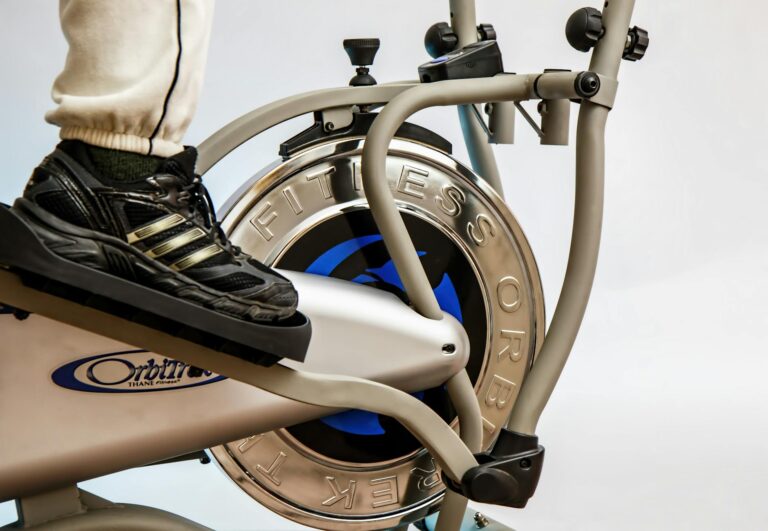
The hydrostatic pressure of water also aids circulation and reduces swelling in lower extremities, providing additional benefits for those with mild edema or circulation concerns. Pool temperature matters; water between 83 and 88 degrees Fahrenheit works best for exercise, while warmer therapeutic pools may cause overheating during vigorous activity. Stationary cycling and recumbent bikes offer excellent cardiovascular training with minimal joint impact. The seated position eliminates balance concerns that might limit other activities, making cycling particularly appropriate for those with vestibular issues or fall risk. Recumbent bikes place less stress on the lower back than upright models, accommodating spinal stenosis or chronic back pain. Resistance can be finely adjusted to match current fitness, and the controlled environment allows safe exercise regardless of weather, traffic, or terrain conditions. The elliptical trainer provides a standing alternative that mimics walking or running patterns without impact, though it requires more balance than cycling.
- Walking at 100 steps per minute delivers meaningful cardiovascular benefits with minimal injury risk
- Water exercise reduces effective body weight by up to 90 percent while providing resistance training
- Recumbent cycling eliminates balance concerns and accommodates back conditions
Understanding Heart Rate Zones and Exercise Intensity After 60
Heart rate zone training requires modification for older adults due to physiological changes and common medication effects. The traditional five-zone system based on maximum heart rate percentages assumes an unmedicated heart responding normally to exertion. For many adults over 60, this assumption fails. A more practical framework divides intensity into three categories: light (able to sing while exercising), moderate (able to talk but not sing), and vigorous (able to speak only in short phrases). This perceived exertion approach works regardless of medications and correlates well with actual cardiovascular benefit. For those not taking heart rate-affecting medications and wanting numerical guidance, the Karvonen formula provides better accuracy than simple percentage calculations.
This method accounts for resting heart rate, which reflects actual fitness level, by calculating a heart rate reserve and working with percentages of that reserve. A 65-year-old with a resting heart rate of 70 beats per minute would have a calculated moderate exercise zone roughly between 100 and 125 beats per minute using this formula, though individual variation remains significant. Wearing a heart rate monitor during early workouts helps establish personal baselines and correlate numbers with perceived effort. The goal for most older adults seeking general health benefits falls within the moderate intensity zone for 150 minutes per week, as recommended by major health organizations. This can be accumulated in various ways: five 30-minute sessions, three 50-minute sessions, or even multiple shorter bouts of 10 minutes or more throughout the day. Recent research suggests that even this 150-minute target can be reduced for those engaging in vigorous exercise, with 75 minutes of vigorous activity providing equivalent benefits. However, vigorous exercise carries higher risks for previously sedentary older adults and should be approached gradually after establishing a moderate-intensity base.
- Perceived exertion (talk test) provides reliable intensity guidance regardless of medications
- The Karvonen formula offers more accurate heart rate zones than simple age-based calculations
- 150 minutes of moderate weekly activity serves as the baseline recommendation for cardiovascular health

Creating a Weekly Cardio Workout Schedule for People Over 60
Structuring a weekly cardio routine for adults over 60 requires balancing adequate stimulus with sufficient recovery. Unlike younger exercisers who might train cardiovascularly six or seven days per week, older adults typically benefit from rest days or very light activity days between moderate or vigorous sessions. A practical starting framework includes three cardiovascular sessions per week on non-consecutive days, leaving room for the body to adapt and recover. This schedule might place cardio on Monday, Wednesday, and Friday or Saturday, with flexibility to shift based on how the body responds. The principle of progressive overload applies to older adults just as it does to younger exercisers, but the rate of progression should be more conservative. Rather than increasing duration, intensity, and frequency simultaneously, change only one variable at a time. A typical progression might add five minutes to session duration every one to two weeks until reaching a target time, then begin modestly increasing intensity.
The 10 percent rule, which limits weekly increases in total volume to 10 percent, provides reasonable guidance though many older adults benefit from even more gradual advancement. Patience in progression pays dividends through consistent training free from injury or burnout. Variety within a weekly schedule serves multiple purposes beyond preventing boredom. Different cardiovascular activities stress the body in different patterns, reducing overuse injury risk while developing more comprehensive fitness. A sample week might include a walking session, a water aerobics class, and a stationary bike workout, rotating through three different movement patterns. This variety also provides insurance against life disruptions; if joint pain temporarily precludes walking, aquatic exercise remains available. Cross-training between activities builds resilience and adaptability into the exercise routine.
- Three cardiovascular sessions on non-consecutive days provides adequate stimulus with sufficient recovery
- Progress only one variable (duration, intensity, or frequency) at a time
- Rotating between different cardio activities reduces overuse injury risk
Common Mistakes and Warning Signs During Senior Cardio Exercise
The most prevalent mistake among motivated older adults involves progressing too quickly after initial success. Early improvements in cardiovascular fitness come rapidly, often within the first few weeks of consistent exercise, creating a temptation to push harder faster. This enthusiasm frequently leads to overtraining syndrome or injury, setting the program back significantly. The cardiovascular system adapts faster than connective tissues like tendons and ligaments, meaning the heart may be ready for more intensity while the musculoskeletal system remains vulnerable. Respecting this difference prevents many exercise-related injuries. Warning signs during exercise demand immediate attention rather than dismissal. Chest pain or pressure, even if mild, requires stopping exercise and medical evaluation before resuming. Dizziness, lightheadedness, or feeling faint indicate blood pressure dysregulation and warrant rest in a safe position.
Unusual shortness of breath out of proportion to exertion level may signal cardiac or pulmonary issues. Joint pain that persists or worsens during activity (as opposed to mild stiffness that improves with warmup) suggests the chosen exercise is too stressful for that joint. Any symptom that does not match previous exercise experience deserves professional assessment. Post-exercise warning signs matter equally. Fatigue lasting more than an hour after moderate exercise suggests the session exceeded appropriate intensity or duration. Muscle or joint pain persisting beyond 48 hours indicates tissue damage rather than normal training response. Elevated resting heart rate the morning after exercise points to incomplete recovery, suggesting the need for a lighter day or rest. Sleep disturbances following an exercise day may mean late-day workouts are too stimulating or overall training load is too high. Tracking these patterns helps calibrate exercise prescription to individual tolerance.
- Connective tissues adapt slower than cardiovascular fitness, requiring patience in progression
- Chest pain, dizziness, and unusual shortness of breath require immediate cessation and medical clearance
- Post-exercise fatigue lasting over an hour signals excessive intensity or duration

The Role of Warmup and Cooldown in Safe Senior Cardio
Warmup and cooldown periods take on heightened importance for exercisers over 60, yet they are frequently abbreviated or skipped. The aging cardiovascular system requires more time to shift from rest to exercise and back again. Blood vessels become less elastic with age, slowing the body’s ability to redistribute blood flow from internal organs to working muscles. A proper warmup of 10 to 15 minutes allows gradual vasodilation, reduces the shock to the heart at exercise onset, and loosens joints and muscles that have stiffened overnight or during prolonged sitting. An effective warmup begins with very light activity in the chosen exercise mode, performed at an intensity that feels effortless. A walker would start with a slow stroll, a swimmer with gentle laps using minimal effort, a cyclist with light pedaling against minimal resistance.
After five minutes at this level, a gradual increase in pace or effort over another five to ten minutes brings the body to exercise intensity. Some gentle mobility movements for major joints, particularly ankles, hips, and shoulders, can be incorporated if they do not cause pain. Static stretching, contrary to older recommendations, is best reserved for after exercise rather than before. The cooldown mirrors the warmup in reverse, gradually reducing intensity over 10 to 15 minutes rather than stopping abruptly. Sudden cessation of exercise can cause blood to pool in the lower extremities, potentially causing dizziness or fainting in older adults whose blood pressure regulation has slowed. Continuing to move at decreasing intensity allows the heart rate to drift down naturally while maintaining venous return. Light stretching after the cooldown, when muscles are warm and circulation remains elevated, improves flexibility and may reduce next-day stiffness.
How to Prepare
- **Obtain medical clearance from a physician** before beginning any new exercise program. This consultation should include discussion of current medications and their effects on exercise response, any known cardiovascular conditions, joint problems or orthopedic limitations, and appropriate intensity guidelines for your specific health status. Request specific heart rate limits if applicable and clarification on warning signs particular to your conditions.
- **Assess current fitness level honestly** by noting how daily activities affect energy and breathing. Consider how far you can walk comfortably, whether climbing stairs causes significant breathlessness, and how quickly you recover from physical effort. This baseline helps establish appropriate starting points and provides comparison for progress assessment later.
- **Gather appropriate equipment and clothing** for chosen activities. Supportive athletic shoes with good cushioning reduce joint stress during walking. Moisture-wicking clothing prevents overheating. A heart rate monitor, while not essential, provides useful data for those not on heart-rate-affecting medications. A water bottle ensures hydration remains convenient.
- **Identify suitable exercise locations and times** that fit your schedule and energy patterns. Morning exercisers may have more consistent energy but need longer warmups to offset overnight stiffness. Afternoon or early evening sessions may align with peak body temperature and joint mobility. Indoor facilities provide climate control and reduce weather-related barriers.
- **Establish a tracking system** for recording workouts, even if just a simple calendar notation. Tracking duration, intensity, and how you felt during and after exercise reveals patterns over time. This record proves invaluable for troubleshooting problems, demonstrating progress, and communicating with healthcare providers about your activity level.
How to Apply This
- **Start with a single weekly session** at light to moderate intensity for two weeks before adding a second session. This conservative approach allows the body to adapt without overwhelming recovery capacity. Even if the sessions feel easy, resist the urge to add more immediately.
- **Apply the talk test during every session** to gauge intensity appropriateness. At moderate intensity, you should be able to speak in complete sentences but not sing comfortably. If you cannot speak without gasping, reduce intensity. If you could easily sing, increase intensity slightly to ensure cardiovascular benefit.
- **Schedule recovery actively** by treating rest days as part of the program rather than skipped workouts. Light walking, gentle stretching, or leisurely swimming on non-cardio days promotes circulation and recovery without adding training stress. Complete rest may be appropriate after particularly challenging sessions.
- **Adjust based on feedback** from your body, not predetermined schedules alone. A poor night’s sleep, unusual stress, or mild illness may warrant a lighter session or rest day regardless of what the calendar says. Flexibility in execution prevents the rigidity that leads to overtraining or injury.
Expert Tips
- **Monitor your resting heart rate each morning** before getting out of bed. An elevation of more than five to ten beats above your normal baseline suggests incomplete recovery and the need for rest or very light activity that day. This simple metric provides early warning of overtraining.
- **Hydrate before, during, and after exercise** because thirst sensation diminishes with age, making dehydration more likely. Drink eight ounces of water 30 minutes before exercise, sip throughout the session, and replace fluids afterward based on sweat loss and thirst.
- **Exercise with a partner or in a group setting** when possible for both safety and accountability. Having someone present provides assistance if problems arise, and social commitment increases adherence to exercise schedules over time.
- **Build exercise into existing routines** rather than requiring special scheduling. Walking immediately after breakfast, using a stationary bike while watching a favorite program, or swimming during a regular mid-day break leverages habit formation for long-term consistency.
- **Communicate with your physician about exercise** at every routine visit. Report your activity level, describe any symptoms that occur during exercise, and ask whether any changes in medications might affect exercise recommendations. This ongoing dialogue keeps your exercise program aligned with your evolving health status.
Conclusion
Safe cardiovascular exercise for people over 60 requires a thoughtful approach that respects physiological changes while capitalizing on the remarkable adaptability of the human body at any age. The key principles bear repeating: start conservatively, progress gradually, listen to body feedback, match activities to individual limitations and preferences, and maintain consistency over intensity. Following these principles transforms exercise from a risky endeavor into a reliable source of health benefits that compound over time.
The investment in cardiovascular fitness pays returns far beyond heart health alone. Regular aerobic exercise improves cognitive function, enhances mood, promotes better sleep, maintains independence in daily activities, and expands the range of life experiences that remain physically accessible. Adults who build sustainable cardio routines in their sixties carry that foundation into their seventies, eighties, and beyond, maintaining quality of life that sedentary peers lose. Starting today, regardless of current fitness level, puts time on your side in accumulating these benefits.
Frequently Asked Questions
How long does it typically take to see results?
Results vary depending on individual circumstances, but most people begin to see meaningful progress within 4-8 weeks of consistent effort. Patience and persistence are key factors in achieving lasting outcomes.
Is this approach suitable for beginners?
Yes, this approach works well for beginners when implemented gradually. Starting with the fundamentals and building up over time leads to better long-term results than trying to do everything at once.
What are the most common mistakes to avoid?
The most common mistakes include rushing the process, skipping foundational steps, and failing to track progress. Taking a methodical approach and learning from both successes and setbacks leads to better outcomes.
How can I measure my progress effectively?
Set specific, measurable goals at the outset and track relevant metrics regularly. Keep a journal or log to document your journey, and periodically review your progress against your initial objectives.
When should I seek professional help?
Consider consulting a professional if you encounter persistent challenges, need specialized expertise, or want to accelerate your progress. Professional guidance can provide valuable insights and help you avoid costly mistakes.
What resources do you recommend for further learning?
Look for reputable sources in the field, including industry publications, expert blogs, and educational courses. Joining communities of practitioners can also provide valuable peer support and knowledge sharing.