The most important things to look for when buying a rowing machine are the resistance type, the build quality of the rail and seat, the flywheel weight, and whether the footprint fits your living space. Get those four things right and you will end up with a machine that feels good to row, holds up over years of use, and doesn’t collect dust in a corner. For example, a magnetic resistance rower with a solid steel rail and a 10-pound flywheel will give most home users a smooth, quiet rowing experience that rivals gym equipment costing twice as much — while an entry-level hydraulic piston model might feel jerky and break down within eighteen months.
Beyond those basics, your decision should also factor in your fitness goals, noise tolerance, storage constraints, and budget. A competitive rower training for a 2K test has very different needs than someone recovering from a knee injury who wants low-impact cardio three times a week. This guide walks through each resistance type in detail, explains which build features actually matter versus which ones are marketing fluff, covers the real cost of ownership including maintenance, and helps you avoid the most common buying mistakes. We will also look at monitor and connectivity features, space-saving designs, and what the used market looks like for anyone trying to save money without sacrificing quality.
Table of Contents
- What Type of Rowing Machine Resistance Should You Choose?
- Build Quality Features That Actually Matter in a Rowing Machine
- How Much Space Does a Rowing Machine Actually Need?
- Rowing Machine Monitors and Connectivity — What Is Worth Paying For?
- Common Rowing Machine Buying Mistakes and How to Avoid Them
- Buying a Used Rowing Machine — When It Makes Sense
- Where Rowing Machines Are Headed
- Conclusion
- Frequently Asked Questions
What Type of Rowing Machine Resistance Should You Choose?
The resistance mechanism is the single biggest factor in how a rowing machine feels, sounds, and lasts. There are four main types: air, magnetic, water, and hydraulic piston. Air rowers, like the Concept2 Model D, are the gold standard in gyms and competitive rowing facilities. They generate resistance through a fan flywheel — the harder you pull, the more resistance you get. That dynamic response closely mimics rowing on water, which is why nearly every collegiate rowing program in the country uses a Concept2. The tradeoff is noise. An air rower at high intensity sounds roughly like a loud box fan, which can be a dealbreaker in an apartment with thin walls or a shared living room.
Magnetic rowers use electromagnets to create resistance, making them significantly quieter. Most models let you adjust resistance in fixed increments, typically eight to sixteen levels, rather than scaling with effort like an air rower. This gives you precise control over your workout intensity, though some experienced rowers find the stroke feels slightly less natural. Water rowers, like the WaterRower Natural, use paddles spinning through a sealed water tank to generate resistance. They offer the most realistic feel and a pleasant swooshing sound, but they cost more, weigh more, and require occasional water treatment to prevent algae. Hydraulic piston rowers are the cheapest option, usually under three hundred dollars, but they use small cylinders attached to the handles that limit your range of motion and tend to overheat during long sessions. Unless your budget is extremely tight and you plan to row for only ten to fifteen minutes at a time, skip hydraulic.

Build Quality Features That Actually Matter in a Rowing Machine
Marketing materials love to highlight Bluetooth connectivity and preset workout programs, but the features that determine whether you are still using your rower two years from now are more mundane. Start with the rail. A one-piece steel or aluminum rail with a smooth, low-friction seat roller system is essential. If the seat stutters or wobbles during the drive phase, your form will suffer and the machine will feel cheap regardless of what the resistance mechanism does. Check the seat height too — a rail that sits very low to the ground can be difficult for anyone with knee or hip issues to get on and off of. Flywheel weight matters more than most buyers realize. Heavier flywheels, generally anything above eight pounds, produce a smoother stroke because they maintain momentum between pulls.
Lighter flywheels tend to feel choppy, especially at lower stroke rates. However, if you are a lighter person under about 140 pounds and you primarily plan to do steady-state cardio at moderate intensity, a lighter flywheel can actually work fine because you are not generating the kind of power output where the difference becomes noticeable. The frame’s maximum user weight capacity is also a useful proxy for overall build quality. A rower rated for 300 pounds is built with thicker materials and better hardware than one rated for 220, even if you personally weigh 170. Footrests deserve attention too. look for adjustable footrests with a solid heel cup and straps that actually hold your feet in place during the recovery phase. Cheap plastic footrests that flex under pressure will sap power from your stroke and can cause your feet to slip, which is both inefficient and a safety concern at high intensity.
How Much Space Does a Rowing Machine Actually Need?
A full-size rowing machine typically measures between seven and eight feet long and about two feet wide. That is a substantial footprint, roughly the same as a twin bed, and it catches a lot of buyers off guard. You also need clearance behind the machine for your arms to extend fully at the catch position, so plan for at least nine feet of usable floor length. The Concept2 Model D, for example, is 96 inches long and 24 inches wide. In a small apartment, that might mean your rower occupies the entire living room floor when it is set up. Many rowers now offer some form of storage solution.
The Concept2 separates into two pieces and stands upright, reducing its footprint to about two by three feet. Some magnetic rowers fold in half and can be wheeled into a closet. The WaterRower stands vertically against a wall. If space is a serious constraint, prioritize models with a proven folding or standing storage system and check the folded dimensions before purchasing — some “foldable” rowers barely reduce their footprint by a third, which may not be enough. One common mistake is buying a machine that folds but is so heavy or awkward to fold that you never actually do it. If you plan to fold and store your rower after every session, test how easy the folding mechanism is before committing, or read user reviews specifically about the fold process.
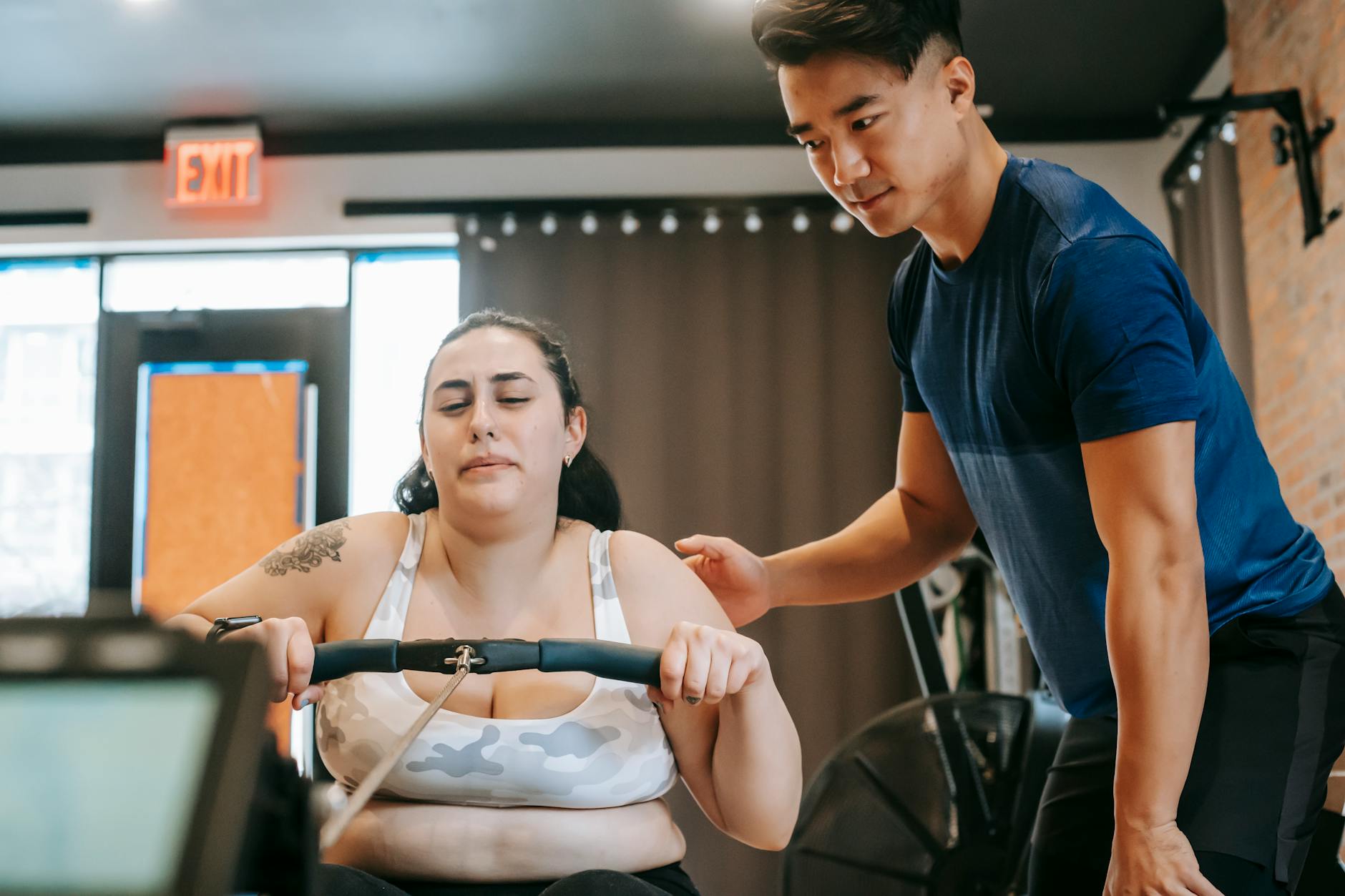
Rowing Machine Monitors and Connectivity — What Is Worth Paying For?
Every rowing machine comes with some type of performance monitor, but the range in quality is enormous. At the low end, you get a basic LCD showing time, stroke count, and a rough calorie estimate. At the high end, you get the Concept2 PM5 monitor, which tracks split times, stroke rate, distance, watts, and stores workout data that you can sync to apps and online logboards. For most buyers, the metrics that matter are time, distance, split time (how long it takes to row 500 meters), and stroke rate. If the monitor tracks those four things accurately, it covers about ninety percent of what you need.
Connectivity features like Bluetooth and ANT+ compatibility allow the rower to pair with heart rate monitors, fitness apps, and platforms like Zwift, ErgData, or Kinomap. These features are genuinely useful if you are the type of person who needs variety and motivation to stick with a training plan — structured workouts, virtual races, and leaderboards can make rowing far more engaging than staring at a wall. However, if you have never used a connected fitness app and do not plan to start, paying an extra two or three hundred dollars for a rower with a touchscreen and a subscription-based app library is money poorly spent. The subscription fees add up too. Some platforms charge fifteen to forty dollars per month, which over three years adds over five hundred dollars to the total cost of ownership. A rower with a solid basic monitor and no subscription requirement may be the better long-term value.
Common Rowing Machine Buying Mistakes and How to Avoid Them
The most expensive mistake is buying based on resistance type alone without sitting on the machine. Two magnetic rowers at the same price point can feel completely different depending on the seat comfort, the smoothness of the rail, and the handle grip. If possible, visit a fitness equipment showroom or a gym that carries the model you are considering and row for at least five continuous minutes. A quick thirty-second pull in a store will not reveal problems that show up during a real session, like seat discomfort, handle blisters, or an awkward catch position. Another common error is underestimating how much noise matters. Air rowers are loud enough to compete with a television at normal volume. If you plan to row while others sleep, while watching a show without headphones, or during conference calls in a home office, test the noise level under real conditions or choose magnetic.
Buyers also frequently ignore the warranty terms. Rowing machines have moving parts that wear down, and a five-year frame warranty means nothing if the seat rollers, resistance mechanism, and monitor only have a one-year warranty. Concept2 offers a five-year frame warranty and a two-year parts warranty, which is considered strong in the industry. Some budget brands offer a ninety-day warranty that essentially covers dead-on-arrival defects and nothing else. A less obvious mistake is buying too much machine for your actual usage pattern. If you plan to row three times a week for twenty-minute sessions as a supplement to running or cycling, you do not need a commercial-grade rower. A solid mid-range magnetic rower in the five hundred to eight hundred dollar range will serve you well. Save the twelve hundred to two thousand dollar machines for people who row as their primary form of exercise or who are training for specific performance goals.

Buying a Used Rowing Machine — When It Makes Sense
The used market for rowing machines is surprisingly strong, especially for Concept2 rowers. Because the Concept2 Model D and Model E are built like tanks, used units in good condition perform nearly identically to new ones. A new Model D retails for around 990 dollars, but used models regularly appear on Facebook Marketplace, Craigslist, and specialty resale sites for 600 to 750 dollars. The key things to check on a used Concept2 are the chain (it should move smoothly without catching), the seat rollers (they should glide without grinding), and the monitor (make sure it powers on and reads strokes).
Replacement parts are readily available and inexpensive if minor components need swapping. Used water rowers and budget magnetic rowers are a riskier buy. Water rowers can develop hidden leaks in the tank seal, and cheap magnetic rowers may have worn-out resistance systems that are not cost-effective to repair. If you are buying used, stick to brands and models with strong reputations for durability and available replacement parts. Ask the seller how many hours are on the machine — most Concept2 monitors track total lifetime meters, which gives you a reliable usage history.
Where Rowing Machines Are Headed
The rowing machine market has shifted noticeably since connected fitness platforms exploded in popularity. More manufacturers are building rowers designed to integrate with subscription-based apps, which means better monitors and more connectivity options even on mid-range models. At the same time, there is a growing backlash from buyers who want a straightforward machine without recurring fees, and some companies are responding with strong standalone models that offer app connectivity as optional rather than required.
Resistance technology is also evolving. Some newer models combine air and magnetic resistance, letting you set a baseline magnetic resistance while still getting the dynamic feel of air. This hybrid approach addresses one of the longest-standing compromises in home rowing equipment — you get the quiet of magnetic at low intensity and the natural scaling of air at high intensity. As these hybrid designs mature and come down in price, they may become the default recommendation for most home buyers within the next few years.
Conclusion
Choosing the right rowing machine comes down to matching the resistance type to your preferences, confirming the build quality of the rail, seat, and flywheel, ensuring the machine fits your space, and being honest about which features you will actually use. Air rowers offer the most natural stroke feel but are loud. Magnetic rowers are quiet and precise but lack dynamic resistance. Water rowers look and sound great but cost more to buy and maintain. Hydraulic rowers are cheap but limited.
For most home users who want a balance of quality, noise level, and price, a mid-range magnetic rower between five hundred and eight hundred dollars or a used Concept2 in good condition will deliver the best value. Before you buy, row on the machine if at all possible, check the warranty terms carefully, and factor in ongoing costs like app subscriptions and replacement parts. Read user reviews from people who have owned the machine for at least six months — early reviews tend to be overly positive before wear and frustration set in. A good rowing machine can last a decade or more and provide one of the most efficient full-body cardiovascular workouts available. Take the time to choose well and you will not regret the investment.
Frequently Asked Questions
How many calories does rowing actually burn compared to running?
Rowing burns roughly 400 to 600 calories per hour at moderate intensity, which is comparable to running at a pace of about six miles per hour. The exact number depends on your weight, effort level, and stroke efficiency. Rowing has the advantage of engaging about 86 percent of your muscles, including legs, back, and arms, while running primarily loads the lower body. However, running at high intensity generally edges out rowing for peak calorie burn because of the greater impact and weight-bearing demands.
Is a rowing machine good for people with bad knees?
Rowing is a low-impact exercise that puts minimal stress on the knee joint, making it a strong option for people with knee pain or previous injuries. The motion is smooth and controlled, with no pounding or sudden direction changes. That said, the deep knee bend at the catch position can aggravate certain conditions, particularly if you have a meniscus tear or severe arthritis that limits flexion. If you have a specific knee issue, try rowing with a shorter stroke and avoid compressing the knees past about 90 degrees until you know how your joints respond.
How loud is an air rowing machine?
An air rower at moderate intensity produces about 70 to 75 decibels, roughly equivalent to a running vacuum cleaner or a loud conversation. At high intensity, it can push past 80 decibels. Magnetic rowers, by comparison, typically operate below 50 decibels. If noise is a concern, magnetic or water resistance is the better choice. Some air rower owners reduce noise with thick rubber mats underneath the machine, which helps with vibration but does little for the fan noise itself.
How often does a rowing machine need maintenance?
Maintenance needs vary by type. Air rowers like the Concept2 need the chain wiped and oiled every 50 hours of use, and the fan cage cleaned of dust every few months. Magnetic rowers require almost no maintenance — occasional lubrication of the rail is typically all that is needed. Water rowers need a water purification tablet added every few months to prevent bacterial growth and algae, and the tank should be emptied and refilled annually. Hydraulic rowers may need piston replacement every one to two years with regular use, as the seals wear out and the cylinders lose resistance.
What is a good 500-meter split time for a beginner?
A beginner with some baseline fitness can expect a 500-meter split time of around 2:15 to 2:30. For context, competitive college rowers typically hold splits below 1:40, and recreational rowers with a year of experience often settle around 1:55 to 2:10. Do not worry about your split time when starting out — focus on maintaining consistent stroke rate and good form first. Speed will come naturally as your technique improves and your fitness builds.