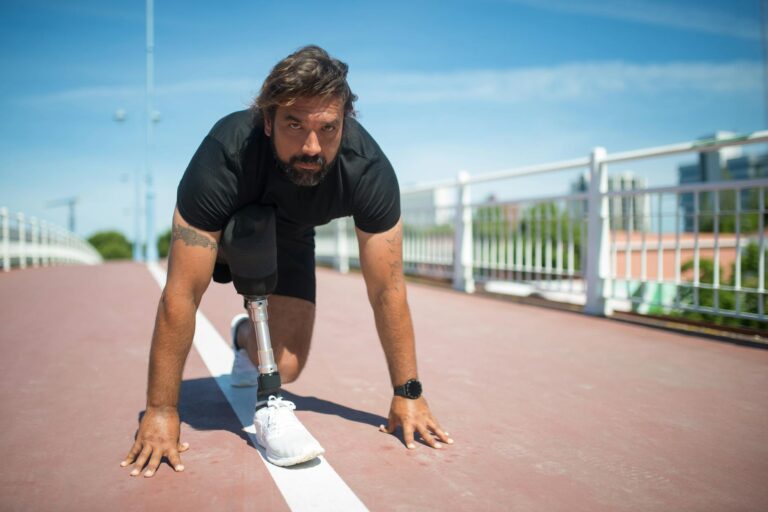
Reframing discomfort as feedback instead of failure can turn short-term pain into useful information for growth and healthier habits.
Discomfort is a signal, not a verdict. When you feel uneasy during running, a cardio workout, or while trying to change habits for loosing weight, your body and mind are sending data about effort, limits, and what needs adjusting. Treat that feeling as a clue: is your pace too fast, is your form off, are you dehydrated, or is your inner critic hijacking your motivation? Viewing the sensation as feedback helps you decide the next practical step instead of collapsing into shame or quitting.
Make the shift by naming the feeling and asking one clear question: what information does this discomfort contain? If a cardio session feels crushing, note whether it is physical (muscle burn, breathlessness) or mental (boredom, fear of judgment). Physical signals point to training adjustments, rest, or fueling changes, while mental signals point to mindset work, reframing, or changing the environment.
Use simple, action-focused language. Replace thoughts like I failed or I am weak with observations such as This pace is unsustainable right now or My focus drifted at mile two. Observation reduces self-blame and creates a path to experiment and improve. For example, during running, try a slightly slower pace, shorter intervals, or a different playlist and treat each change as a hypothesis to test.
Build a feedback loop. Before a workout, set a small, specific goal (finish 20 minutes, maintain steady breathing). During the session, check in: How does my breathing feel? Where is the effort located? Afterward, note one concrete takeaway and one tweak for next time. Repeating this loop trains you to respond to discomfort with curiosity and problem solving rather than with self-reproach.
Remember context matters. Some discomfort-like sharp pain or dizziness-is a red flag requiring rest or medical attention. Other discomforts-moderate muscle burn, slightly elevated heart rate during cardio-are normal and informative for progress. Knowing the difference keeps safety and learning balanced.
Language shapes experience. Saying I am learning from this effort or This is information I can use frames the moment as part of a process. That same reframing helps long-term goals such as loosing weight stay grounded: setbacks become data points for adjusting nutrition, sleep, or exercise plans rather than proof you cannot succeed.
Seek external feedback and normalize it. Coaches, friends, and training partners can help translate discomfort into specific changes, whether refining form in a cardio workout or adjusting caloric intake for loosing weight. Outside perspectives reduce the chance your inner voice will turn every hard moment into a story of failure.
Practice small exposures. Intentionally choose manageable challenges that produce mild discomfort and then reflect on what you learned. Over time, your tolerance for healthy discomfort grows and your default reaction shifts from avoidance to inquiry.
If you want a related read about mindset shifts and emotional reframing, you can explore resources like this article on happiness and meaninghttps://www.psychologytoday.com/us/blog/social-instincts/202512/a-mindset-shift-that-will-help-you-find-happiness and guidance on changing self-limiting beliefshttps://positivepsychology.com/false-beliefs/.