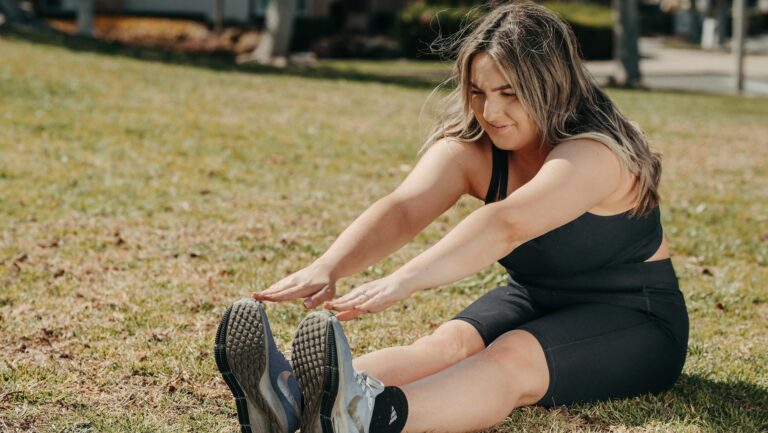
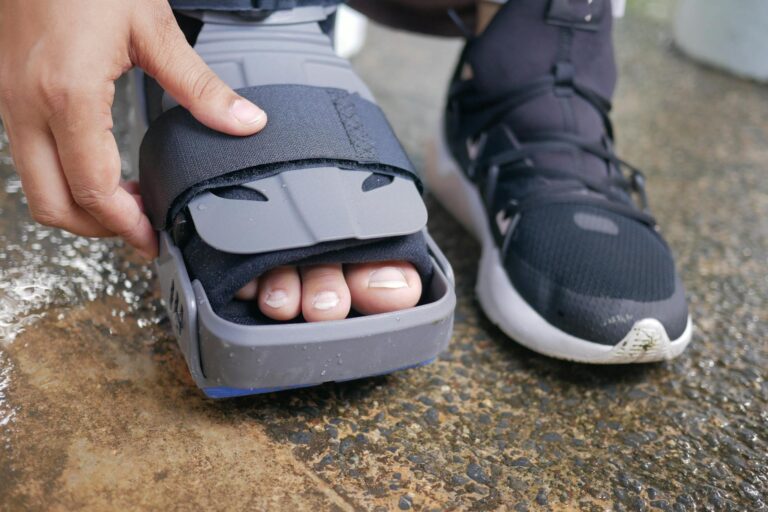
Walking is one of the most effective and accessible tools for reducing stress and anxiety, and the science behind it is remarkably clear. Even a single ten-minute walk can lower cortisol levels, quiet racing thoughts, and shift your nervous system out of fight-or-flight mode. A 2018 study published in Health Promotion Perspectives found that university students who walked just three times per week for ten weeks reported significantly lower perceived stress than those who remained sedentary. The mechanism is not complicated: walking triggers the release of endorphins and serotonin, regulates breathing patterns, and gives your brain a low-stakes task to focus on instead of whatever is fueling your worry.
For people who find high-intensity exercise intimidating or physically inaccessible, walking offers the same mental health direction without the barrier to entry. What makes walking particularly useful for stress and anxiety is that it works across a wide range of intensities, durations, and settings. You do not need to walk fast, walk far, or walk in a forest to get meaningful relief, though each of those variables can amplify the benefit. This article covers why walking reduces stress at the physiological level, how different environments and pacing strategies change the outcome, who should be cautious about relying on walking alone, and how to build a walking habit that actually sticks during the weeks when stress is at its worst.
Table of Contents
- Why Does Walking Reduce Stress and Anxiety at the Physiological Level?
- How Long and How Often Should You Walk to See Stress Relief?
- Does It Matter Where You Walk for Anxiety Relief?
- How to Build a Stress-Relief Walking Routine That Actually Sticks
- When Walking Makes Anxiety Worse Instead of Better
- Walking With Others Versus Walking Alone for Stress Relief
- The Long-Term Case for Walking as a Mental Health Practice
- Conclusion
- Frequently Asked Questions
Why Does Walking Reduce Stress and Anxiety at the Physiological Level?
walking activates the parasympathetic nervous system, which is your body’s built-in counterweight to the stress response. When you are anxious, your sympathetic nervous system floods your bloodstream with cortisol and adrenaline, raises your heart rate, and tightens your muscles. Walking at a moderate pace, roughly three to four miles per hour for most adults, gradually reverses that cascade. Your breathing deepens and becomes rhythmic, your heart rate settles into a steady aerobic zone rather than the erratic spikes of anxiety, and your muscles release tension through repetitive, bilateral movement. Research from Stanford University in 2015 demonstrated that participants who walked for 90 minutes in a natural setting showed reduced activity in the subgenual prefrontal cortex, a brain region associated with repetitive negative thinking. The neurochemical picture is equally compelling.
Walking increases the production of brain-derived neurotrophic factor, or BDNF, which supports the growth of new neurons in the hippocampus. The hippocampus plays a critical role in regulating emotional responses to stress. Walking also boosts serotonin and gamma-aminobutyric acid, two neurotransmitters that are directly targeted by common anti-anxiety medications like SSRIs and benzodiazepines. This does not mean walking replaces medication, but it does mean that the biological pathways overlap significantly. For comparison, high-intensity interval training also raises BDNF and serotonin, but it simultaneously spikes cortisol in the short term, which can actually worsen anxiety symptoms in people who are already in a heightened state. Walking skips that cortisol spike entirely, making it a safer first option during acute stress.

How Long and How Often Should You Walk to See Stress Relief?
Most research points to a minimum effective dose of about 20 to 30 minutes of walking, three to five times per week, for sustained reductions in anxiety. A meta-analysis published in JAMA Psychiatry in 2019 found that individuals who accumulated 2.5 hours of moderate-intensity walking per week had 25 percent lower rates of depression and generalized anxiety compared to those who were inactive. However, even shorter bouts produce acute relief. If you are in the middle of a panic episode or a high-stress workday, stepping outside for ten minutes will measurably lower your heart rate and interrupt the cognitive loop that fuels anxiety. The key distinction is between acute relief, which happens on every walk, and long-term resilience, which builds over weeks of consistency. However, if you are dealing with clinical anxiety disorder or PTSD, walking alone may not be sufficient, and it should not delay professional treatment. Walking is a powerful complement to therapy and medication, but there is a ceiling to what it can do for severe or treatment-resistant anxiety.
People in acute crisis sometimes use walking as avoidance, choosing to “walk it off” instead of addressing root causes with a clinician. If your anxiety is interfering with work, relationships, or sleep on a daily basis, walking should be part of your plan, not the entire plan. A therapist trained in cognitive behavioral therapy or exposure therapy can help you design a recovery strategy where walking plays a supporting rather than starring role. There is also a point of diminishing returns. Walking for two hours a day will not reduce anxiety twice as much as walking for one hour. After about 45 to 60 minutes, the marginal neurochemical benefit flattens while the risk of physical fatigue or joint discomfort increases, especially for beginners. Start with what you can sustain and build gradually.
Does It Matter Where You Walk for Anxiety Relief?
Environment has a measurable impact on how much stress relief you get from a walk, and the research consistently favors natural settings over urban ones. A landmark study from the University of Michigan in 2019 found that spending just 20 minutes in a park or green space lowered salivary cortisol levels by 21 percent, a figure that was significantly higher than what researchers observed in participants who walked along busy streets. The Japanese practice of shinrin-yoku, or forest bathing, has produced similar findings: walking in wooded areas reduces cortisol, lowers blood pressure, and increases natural killer cell activity, which is tied to immune function and stress resilience. That said, not everyone has easy access to forests or parks, and the data shows that even urban walking provides meaningful benefits as long as the route is relatively low-stimulus. A quiet residential street works better than a congested commercial corridor. A waterfront path, even in a city, tends to outperform an inland sidewalk.
The variable that matters most is not wilderness versus city but rather sensory overload versus sensory calm. If your walk includes constant honking, aggressive pedestrian traffic, and visual clutter, your nervous system may not fully disengage from the stress response. One practical example: a 2020 study from King’s College London tracked participants using smartphone-based mood surveys and GPS data, finding that individuals who walked through green spaces during their commute reported better mental health outcomes than those whose routes were entirely paved, even when total walking time was identical. If your only option is an indoor treadmill, you can still reduce anxiety, but the effect is more modest. Treadmill walking lacks the variable terrain, natural light, and environmental richness that amplify the calming effect. Adding a nature sounds playlist or positioning the treadmill near a window can help close that gap.
How to Build a Stress-Relief Walking Routine That Actually Sticks
The biggest challenge with walking for anxiety is not starting but continuing, especially during the periods when stress is highest and motivation is lowest. The irony of anxiety is that it often makes you want to withdraw, cancel plans, and stay indoors, which is the exact opposite of what helps. The most effective strategy for building consistency is attaching your walk to a behavior you already do every day. This is sometimes called habit stacking. For example, if you always drink coffee at 7 a.m., your rule becomes: coffee first, then a 15-minute walk before anything else. By linking the walk to an existing anchor, you remove the need for willpower, which is a resource that is already depleted when you are stressed. There is a meaningful tradeoff between morning and evening walks. Morning walks tend to regulate your circadian rhythm, which improves sleep quality, and they front-load your serotonin production for the day. Evening walks, on the other hand, are better at processing the specific stressors you accumulated during the day, and they lower cortisol before bed.
Neither is objectively better. The right answer depends on when your anxiety tends to peak. If you wake up with dread, walk in the morning. If your anxiety builds throughout the day and crests at night, an after-dinner walk will serve you better. Some people split the difference and walk twice for shorter durations, which research suggests is at least as effective as a single longer walk for mood regulation. Avoid the trap of making your stress-relief walk into a performance metric. The moment you start tracking pace, distance, and calories burned, you risk converting a calming practice into another source of self-judgment. For anxiety reduction specifically, slow and unstructured walking outperforms brisk fitness walking in most studies. Leave the GPS watch at home.
When Walking Makes Anxiety Worse Instead of Better
While walking is broadly safe and beneficial, there are specific situations where it can exacerbate anxiety rather than relieve it. Agoraphobia, a condition where open or public spaces trigger intense fear, can make outdoor walking a source of panic rather than calm. People with social anxiety may find that walking in populated areas increases their hypervigilance and self-consciousness. In these cases, starting with indoor walking, a treadmill, or even pacing in a private backyard is a better first step before gradually expanding to public routes. Health anxiety can also complicate the picture. Some people become hyper-aware of their heart rate, breathing, and physical sensations during a walk, interpreting normal exertion responses as signs of a medical emergency.
This is particularly common in people who have experienced panic attacks, where increased heart rate becomes a trigger rather than a neutral stimulus. If you notice that walking consistently makes you more anxious rather than less, that is worth discussing with a mental health professional. The solution is usually not to stop walking but to combine it with techniques like grounding exercises or controlled breathing that interrupt the catastrophic interpretation of physical sensations. Night walking presents its own challenges. Walking after dark can increase anxiety in people who feel unsafe in their neighborhoods, and the absence of natural light means you miss the cortisol-regulating benefits of sun exposure. If evening walks are your only option and safety is a concern, well-lit indoor tracks or mall-walking programs offer a practical alternative.
Walking With Others Versus Walking Alone for Stress Relief
Both solo and social walking reduce stress, but they work through different mechanisms. Walking alone allows for reflection, mental processing, and a kind of moving meditation that is difficult to achieve in conversation. Walking with a friend or group adds the stress-buffering effects of social connection, which independently lowers cortisol and activates the release of oxytocin. A 2015 study in the British Journal of Sports Medicine found that group nature walks were associated with significantly lower depression, lower perceived stress, and enhanced positive affect, even after controlling for the physical activity component.
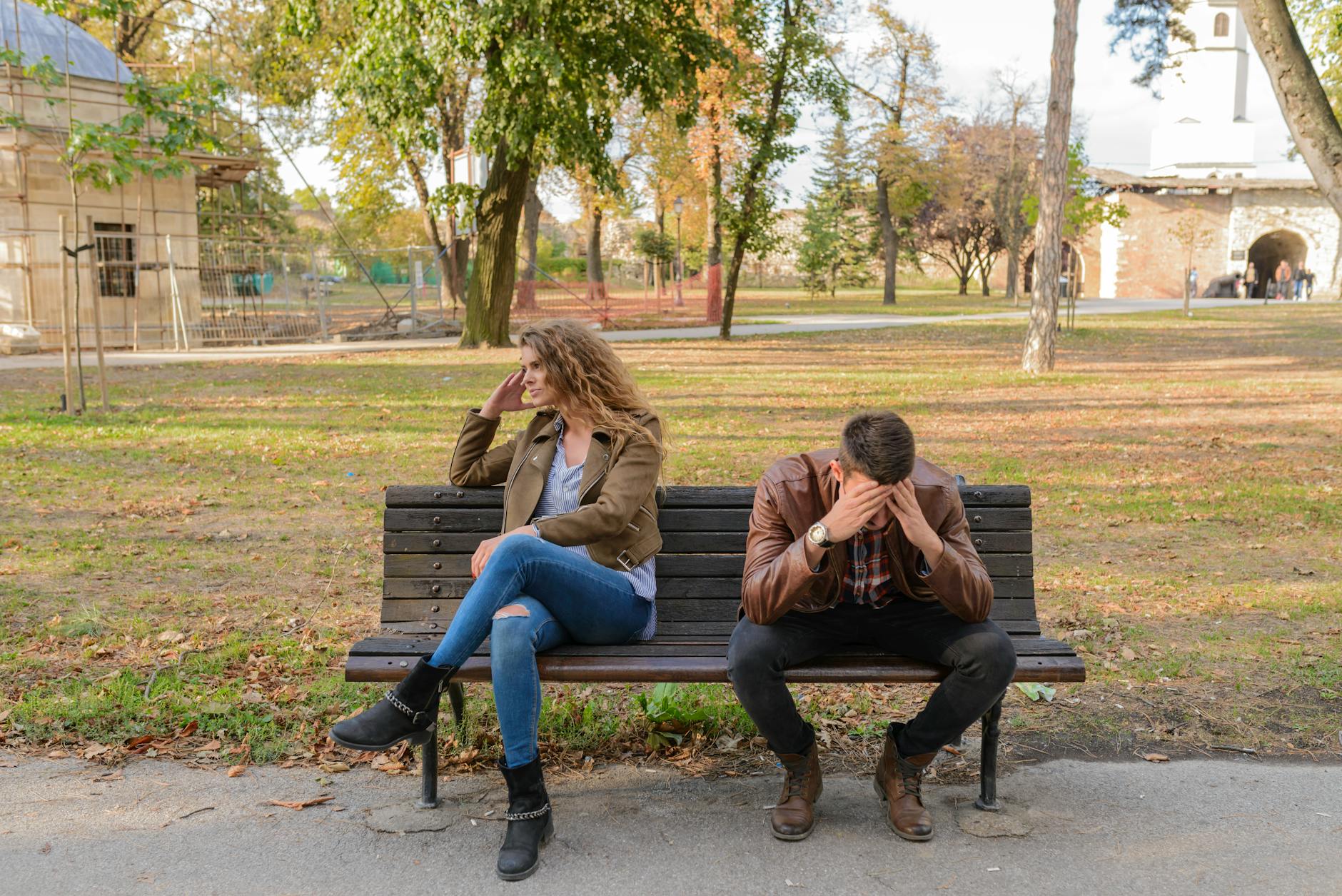
The choice depends on the nature of your stress. If your anxiety stems from loneliness, social isolation, or grief, walking with someone you trust will likely be more therapeutic. If your anxiety is driven by overstimulation, interpersonal conflict, or decision fatigue, solo walking gives your brain the quiet it needs to reset. A practical approach for people who are unsure: alternate between the two on different days and track which consistently leaves you feeling better afterward. Many runners and walkers report that their solo walks handle daily stress maintenance while their social walks address deeper emotional needs.
The Long-Term Case for Walking as a Mental Health Practice
The most encouraging research on walking and anxiety is not about acute relief but about structural changes in the brain that build over months and years. Consistent walkers show increased gray matter volume in the prefrontal cortex and hippocampus, regions that govern emotional regulation and stress appraisal. This means that regular walking does not just make you feel better today. It physically reshapes your brain to handle stress more effectively tomorrow. A longitudinal study published in Neurology in 2022 found that adults who maintained a regular walking habit over a decade had measurably slower cognitive decline and lower rates of anxiety disorders compared to matched sedentary controls.
As mental health awareness grows and healthcare systems strain under demand, walking is increasingly being prescribed as a formal intervention. The United Kingdom’s National Health Service now includes walking programs in its social prescribing framework, and several large health systems in the United States have begun integrating walking prescriptions into primary care for patients with mild to moderate anxiety. This is not a trend. It is a correction. For most of human history, daily walking was the default, and the sedentary lifestyle that most of us now lead is the anomaly. Returning to regular walking is less about adding a new habit and more about restoring a baseline that our nervous systems were built to expect.
Conclusion
Walking reduces stress and anxiety through well-documented physiological pathways: it lowers cortisol, increases serotonin and BDNF, activates the parasympathetic nervous system, and interrupts the repetitive thought patterns that sustain worry. The effective dose is surprisingly low, as little as ten minutes for acute relief and 2.5 hours per week for lasting resilience. Natural settings amplify the benefit, but any environment that offers relative calm will work. The most important variables are consistency and low pressure, meaning you should walk regularly and resist the urge to turn it into a competitive fitness metric. If you are currently dealing with stress or anxiety, the simplest next step is a 15-minute walk today, not tomorrow, not next Monday.
Do not plan it. Do not buy new shoes. Just step outside and go. If your anxiety is severe or persistent, pair walking with professional support from a therapist or physician. Walking is one of the few interventions that costs nothing, requires no equipment, carries almost no risk, and has decades of evidence behind it. The only barrier is the door.
Frequently Asked Questions
Can walking really help with anxiety as much as exercise like running or cycling?
For mild to moderate anxiety, yes. Multiple studies show that moderate walking produces comparable reductions in anxiety symptoms to more vigorous exercise. The advantage of walking is that it does not spike cortisol the way intense exercise can, making it a better fit for people who are already in a heightened stress state.
How fast do I need to walk to reduce stress?
There is no minimum speed requirement. Research shows that even slow, leisurely walking reduces cortisol and improves mood. For stress relief specifically, a comfortable conversational pace of about 2.5 to 3.5 miles per hour is ideal. Walking faster may add cardiovascular benefits but does not proportionally increase anxiety relief.
Is walking on a treadmill as effective as walking outside?
Outdoor walking, particularly in green spaces, produces greater reductions in cortisol and rumination than treadmill walking. However, treadmill walking still provides meaningful stress relief and is a good option when weather, safety, or accessibility make outdoor walking impractical.
How quickly will I notice a difference in my anxiety levels?
Most people notice acute mood improvement within the first ten to twenty minutes of a single walk. Sustained reductions in baseline anxiety typically emerge after two to four weeks of regular walking, three to five times per week. Structural brain changes that improve long-term stress resilience develop over months.
Should I listen to music or podcasts while walking for stress relief?
It depends on the source of your stress. If you need mental quiet, walk without audio and let your mind wander or focus on your surroundings. If your anxiety feeds on silence and your thoughts tend to spiral, a calm playlist or low-key podcast can serve as a healthy distraction. Avoid high-stimulation content like news or intense audiobooks if your goal is relaxation.
Can I walk too much when I am stressed?
Walking becomes counterproductive if it replaces professional help for severe anxiety, causes physical pain from overuse, or becomes a compulsive avoidance behavior. If you find yourself walking for hours to avoid dealing with problems or if walking no longer provides relief, that is a signal to reassess your approach with a mental health professional.