Using running shoes properly means matching the right shoe to your foot type and gait, lacing them correctly for a secure but comfortable fit, rotating between pairs to extend their lifespan, and replacing them before the cushioning breaks down — typically between 300 and 500 miles. It sounds simple, but most runners get at least one of these steps wrong, and the consequences range from black toenails to stress fractures. A 2021 survey by the American Academy of Podiatric Sports Medicine found that nearly 40 percent of recreational runners were training in shoes that had already passed their functional lifespan, which is one of the most preventable causes of overuse injuries in the sport.
Beyond just picking the right pair off the shelf, proper use involves how you break them in, how you lace them for different foot shapes, when you wear them versus when you don’t, and how you store and care for them between runs. This article covers the full picture — from selecting shoes based on your biomechanics, to rotation strategies that serious runners swear by, to the warning signs that your current pair is doing more harm than good. Whether you are training for your first 5K or your tenth marathon, the way you use your shoes matters as much as which ones you buy.
Table of Contents
- What Does It Actually Mean to Use Running Shoes Properly?
- How Lacing Technique Affects Fit and Performance
- Breaking In New Running Shoes Without Wrecking Your Feet
- Shoe Rotation — Why One Pair Is Never Enough
- When to Replace Running Shoes — and Warning Signs You Are Overdue
- Storing and Cleaning Running Shoes to Extend Their Life
- How Running Shoe Technology Is Changing What “Proper Use” Means
- Conclusion
- Frequently Asked Questions
What Does It Actually Mean to Use Running Shoes Properly?
Proper use starts before your first run in a new pair. It means selecting a shoe that matches your foot strike pattern, arch height, and the surfaces you run on most often. A neutral shoe works for runners with a normal pronation pattern, but if you overpronate — your foot rolls inward excessively on landing — you need a stability shoe with a medial post or guide rail. Wearing the wrong category is like driving a sedan on a dirt trail: it technically works, but you are accelerating wear on the vehicle and your body. A runner with flat feet who trains in a heavily cushioned neutral shoe, for example, may develop shin splints within weeks because the shoe isn’t correcting the inward roll that puts stress on the tibialis posterior tendon. Proper use also means not treating running shoes as everyday footwear. Walking around in them at the grocery store, mowing the lawn, or standing at a concert all compress the midsole foam without giving you any training benefit.
Every mile of non-running wear is a mile subtracted from the shoe’s effective life. If you want a comfortable shoe for daily errands, buy a separate pair. Your running shoes should touch pavement only when you are actually running or doing a structured workout. Finally, proper use includes fit. Your running shoes should be about a thumb’s width longer than your longest toe, which usually means buying a half size or full size up from your dress shoe size. Feet swell during runs, especially in warm weather and during longer efforts. A shoe that feels perfect in the store at 9 a.m. can feel like a vise grip at mile eight on a July afternoon.

How Lacing Technique Affects Fit and Performance
Most runners never adjust their lacing after the first time they tie the shoe, and that is a missed opportunity. Different lacing patterns solve different fit problems, and the wrong tension can cause numbness, heel slippage, or pressure points on the top of the foot. The standard criss-cross pattern works for most people, but it is not a universal solution. If you experience numbness or tingling across the top of your foot during runs, try parallel lacing — running the lace straight across each eyelet rather than crossing. This distributes pressure more evenly and reduces compression on the extensor tendons. If your heel slips, use the runner’s loop technique: thread the lace through the extra eyelet hole near the ankle (most running shoes have one that goes unused) and create a small loop on each side before tying.
This locks the heel in place without overtightening the rest of the shoe. However, if your heel still slips after adjusting the lacing, the shoe may simply be the wrong shape for your foot. Not every last fits every heel, and no amount of lacing tricks can fix a fundamental mismatch in shoe geometry. One limitation worth noting: lacing adjustments add friction and pressure at specific points, so over-correcting can create new problems. Tightening the top eyelets aggressively to fix heel slip, for instance, can compress the Achilles tendon area and irritate the bursa behind the ankle. Make one adjustment at a time and test it on a short run before committing to it for a long effort.
Breaking In New Running Shoes Without Wrecking Your Feet
The old advice to “break in” shoes over weeks of gradual wear is partially outdated for modern running shoes — most are designed to perform well right out of the box — but that does not mean you should lace up a new pair and immediately do a 16-mile long run. The foam and upper need a few shorter sessions to conform to your foot’s specific shape, and you need time to notice any hot spots or pressure points before they become blisters. A practical break-in approach is to wear the new shoes for two or three easy runs of three to five miles each, on surfaces similar to where you normally train. Pay attention to any rubbing on the heel counter, tightness across the midfoot, or unusual soreness in your calves or Achilles. A slight change in heel-to-toe drop between your old and new shoe — say, going from a 10mm drop to a 6mm — can load the calf and Achilles differently, and your body needs time to adapt.
The running shoe company Brooks recommends at least 50 miles of easy running before using new shoes for a race or hard workout. One real-world example: a runner switching from the Hoka Clifton (5mm drop, maximal cushion) to the Nike Pegasus (10mm drop, moderate cushion) for tempo work should expect the first few runs to feel different in the forefoot and heel. That difference is not a defect. It is your legs adjusting to a different lever arm and energy return profile. But if discomfort persists past 40 or 50 miles, the shoe is not right for that purpose, and no further break-in period will fix it.
Shoe Rotation — Why One Pair Is Never Enough
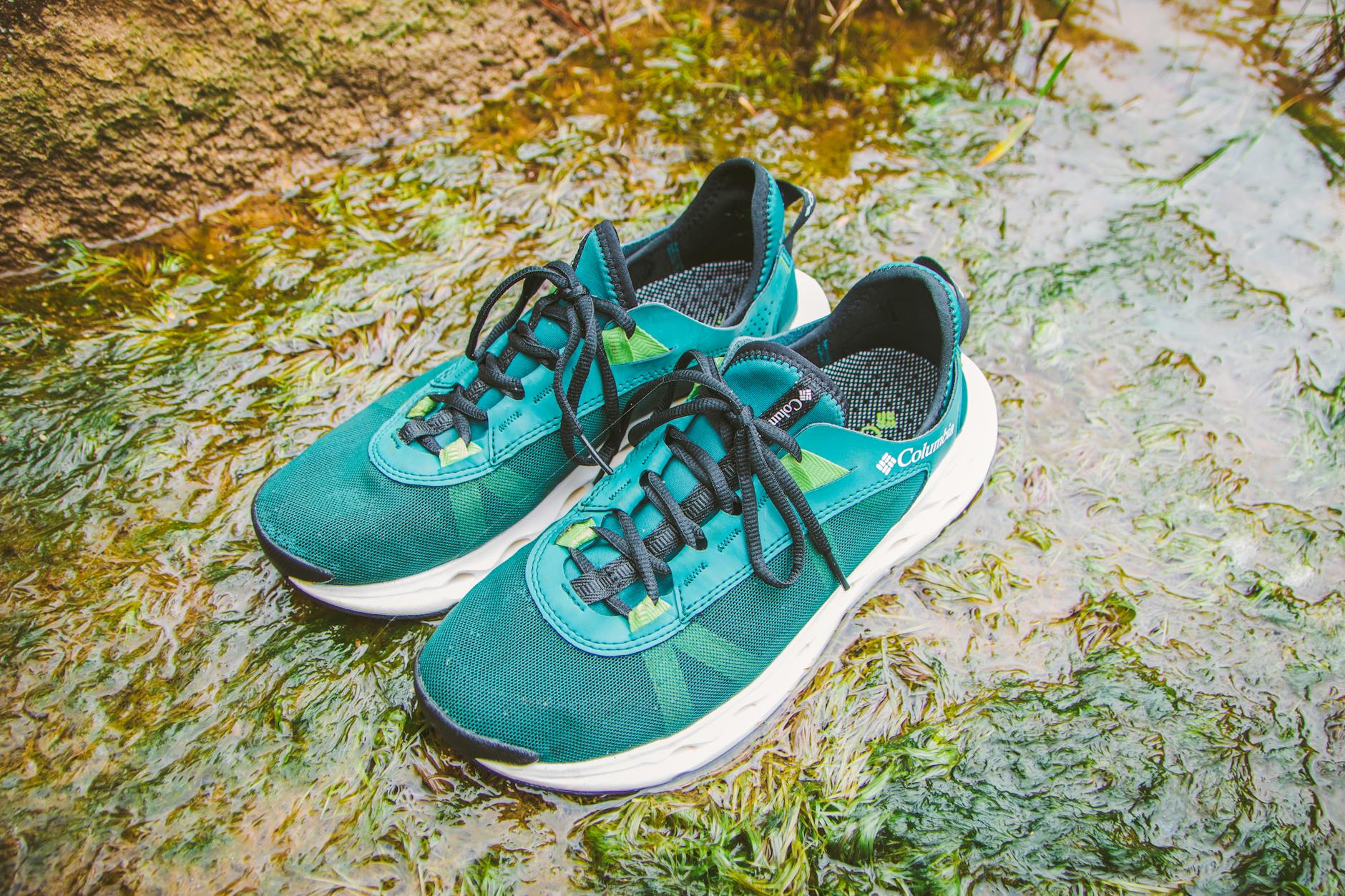
Rotating between two or more pairs of running shoes is one of the simplest ways to reduce injury risk and get more total miles out of each pair. A 2015 study published in the Scandinavian Journal of Medicine and Science in Sports followed 264 recreational runners over 22 weeks and found that those who rotated between at least two different models of running shoes had a 39 percent lower risk of running-related injury compared to single-pair runners. The theory is straightforward: different shoes load your muscles and joints in slightly different ways, reducing repetitive stress on any single tissue. The tradeoff is cost. Maintaining two or three pairs of running shoes at once is a real financial commitment, especially if you prefer premium models that retail for $150 to $180 each.
One approach is to keep a daily trainer as your primary shoe and pair it with a lighter, cheaper option for easy days or short recovery runs. You don’t need a carbon-plated racing shoe for every Tuesday morning shakeout. Something like the Saucony Kinvara or New Balance FuelCell Rebel can serve as a lighter-day complement to a heavier daily trainer without breaking the budget. Another consideration: rotating shoes gives each pair at least 24 to 48 hours to decompress between runs. Midsole foam — especially EVA-based compounds — needs time to rebound to its original shape after being compressed under your body weight for 30 to 60 minutes. Running in the same shoe on consecutive days means the foam never fully recovers, which accelerates the loss of cushioning and responsiveness.
When to Replace Running Shoes — and Warning Signs You Are Overdue
The standard recommendation is to replace running shoes every 300 to 500 miles, but that range is wide for a reason. A 130-pound runner with efficient biomechanics on paved surfaces will get significantly more life from a shoe than a 200-pound heel-striker training on gravel trails. Rather than obsessing over a mileage number, pay attention to what the shoe is telling you. The most reliable warning sign is new or increased aches in your knees, shins, or hips that you cannot attribute to a change in training load. Worn-out cushioning no longer absorbs impact effectively, and your joints pick up the slack.
Other signs: visible creasing or compression lines in the midsole (press your thumb into the foam — if it doesn’t bounce back, the foam is dead), uneven wear on the outsole that tilts the shoe, or a heel counter that has gone soft and no longer holds your foot in place. If you stand the shoes on a flat surface and they lean to one side, they are overdue for replacement. One limitation of the mileage guideline: it assumes consistent running on similar surfaces. Trail shoes worn on rocky, technical terrain degrade faster in the outsole but may retain midsole cushioning longer because softer ground absorbs some impact. Road shoes on concrete lose midsole properties faster but may show less outsole wear. Track your mileage if you can, but trust your body and your eyes over any single number.
Storing and Cleaning Running Shoes to Extend Their Life
How you treat your shoes between runs affects how long they last. After a wet or muddy run, remove the insoles and stuff the shoes loosely with newspaper or a microfiber towel, then let them air-dry at room temperature. Never put running shoes in the dryer or set them near a space heater — high heat degrades the adhesives that bond the midsole to the upper and warps the foam. A pair of shoes dried in a machine dryer even once can lose noticeable cushioning.
For cleaning, a soft brush and mild soap with cold water handles most grime. Remove the laces and insoles, scrub gently, and let everything air-dry separately. Avoid the washing machine for the same reason as the dryer: the agitation and heat compromise structural integrity. Store shoes in a cool, dry place out of direct sunlight, since UV exposure breaks down both foam compounds and mesh materials over time.
How Running Shoe Technology Is Changing What “Proper Use” Means
The rapid evolution of midsole foams — particularly the shift from traditional EVA to super-critical TPU foams like Adidas Boost, Nike ZoomX, and Puma Nitro — is changing the durability and performance curves of running shoes. These newer compounds retain their energy-return properties significantly longer than EVA, which means the old 300-to-500-mile rule may need updating for premium foam shoes. Some runners report getting 600 or more miles from ZoomX-based trainers before noticing a performance drop.
At the same time, the rise of carbon-plated racing shoes has created a new category of “special occasion” footwear that most runners should not be using for daily training. The rigid plate alters foot mechanics in a way that can mask fatigue and encourage overstriding if used too frequently. Treat race-day shoes as race-day shoes. Using them properly means saving them for the efforts where that extra efficiency actually matters — races and key workouts — and doing the bulk of your mileage in something more forgiving.
Conclusion
Using running shoes properly is a combination of unglamorous habits: buying the right type for your gait, sizing up for foot swell, lacing for your specific fit issues, breaking them in gradually, rotating between pairs, and replacing them before the cushioning gives out. None of this is complicated, but each step compounds. A runner who gets all of these details right will be more comfortable, more durable, and less likely to spend time rehabbing preventable injuries.
Start by tracking the mileage on your current pair — most GPS watch apps let you log shoes — and pay attention to any new aches that coincide with high-mileage shoes. If you only change one thing after reading this, make it rotation. A second pair of running shoes, even an inexpensive one, reduces your injury risk meaningfully and costs far less than a physical therapy copay.
Frequently Asked Questions
Can I use running shoes for walking or gym workouts?
You can, but every mile walked or hour spent in the gym compresses the midsole foam without contributing to your running. If you want a comfortable shoe for cross-training or daily wear, use a separate pair and reserve your running shoes for running.
How do I know if I need a stability shoe or a neutral shoe?
The most reliable method is a gait analysis at a specialty running store, where staff watch you run on a treadmill and assess your pronation. As a rough self-check, look at the wear pattern on your current shoes: heavy wear on the inside edge of the forefoot suggests overpronation, while even wear across the forefoot suggests a neutral pattern.
Should I buy running shoes a half size up?
Generally yes. Your feet swell during running, and most fitting experts recommend a thumb’s width of space between your longest toe and the end of the shoe. For many runners, that means a half size to a full size larger than their casual shoe size.
Do expensive running shoes last longer than budget options?
Not always. Price often reflects the type of foam and technology in the midsole rather than outright durability. Some mid-priced shoes with durable rubber outsoles and proven foam compounds outlast pricier models that use softer, lighter materials optimized for performance over longevity.
Is it bad to run in old shoes that still feel comfortable?
Yes, and this is a common trap. Midsole degradation happens gradually, so your perception of comfort adapts as the cushioning declines. By the time the shoe feels noticeably flat, it has been underperforming for dozens of miles. Track mileage and inspect the foam regularly rather than relying solely on feel.