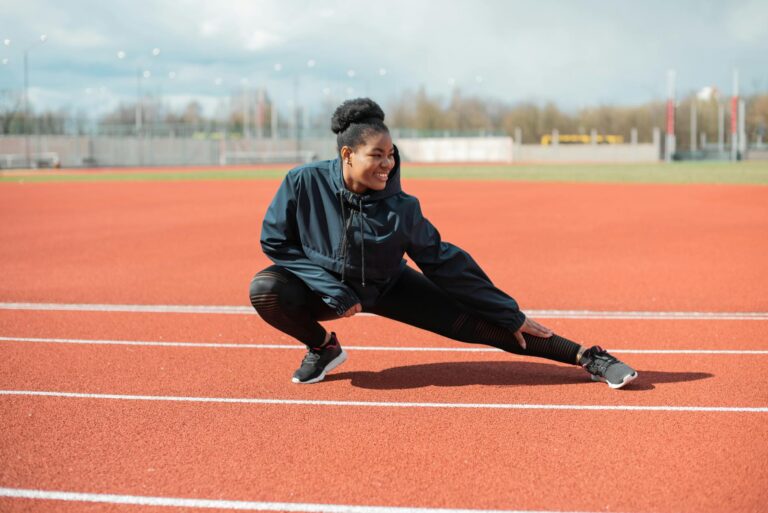
Training for your first fartlek starts with a simple foundation: if you can jog continuously for 20 to 30 minutes without stopping, you are ready. From there, the method itself is refreshingly straightforward — warm up with 10 to 20 minutes of easy jogging, then alternate between bursts of faster running and recovery jogs at whatever pace and duration feel right in the moment. A typical beginner session might look like jogging for five minutes, then running 30 seconds hard followed by 90 seconds easy, repeated five times, and finishing with a five- to ten-minute cooldown. That is the entire framework. No stopwatch obsession required. The word “fartlek” is Swedish for “speed play,” and the name is not accidental.
Developed in Sweden in the 1930s by coach Gösta Holmér, the method was designed to break runners out of the monotony of steady-state training by injecting playful, unstructured speed variations into a continuous run. Unlike traditional interval training, there are no fixed intervals or mandatory rest periods. You speed up when you feel like it, recover when you need to, and adjust everything on the fly. This flexibility is precisely what makes fartlek ideal for newer runners who are not yet comfortable with rigid speed workouts. This article covers the prerequisites you need before your first fartlek session, how to structure beginner workouts without overdoing it, the proven benefits that make this training method worth your time, practical tips for keeping sessions productive, and how to progress over weeks so you actually get faster. Whether you are training for a 5K, trying to build general fitness, or just bored of running the same pace every day, fartlek offers an entry point into speed work that does not require a track or a coaching degree.
Table of Contents
- What Exactly Is Fartlek Training and Why Should Beginners Care?
- How to Structure Your First Fartlek Workout Without Overdoing It
- A Week-by-Week Beginner Fartlek Progression Plan
- Landmark Fartlek vs. Timed Fartlek — Which Approach Works Better for Beginners?
- Common Beginner Mistakes That Undermine Your Fartlek Training
- Using Music and Terrain to Make Fartlek Sessions More Engaging
- Where Fartlek Fits in Your Long-Term Running Development
- Conclusion
- Frequently Asked Questions
What Exactly Is Fartlek Training and Why Should Beginners Care?
Fartlek sits in a unique space between easy distance running and structured interval training. During a traditional interval session, you might run 400 meters at a specific pace, rest for exactly 90 seconds, and repeat eight times. Fartlek throws that rigidity out the window. You run continuously, speeding up and slowing down based on feel, terrain, or whatever external cue catches your attention. You might sprint to the next telephone pole, jog to the stop sign after that, then pick it up again to the top of a small hill. The effort is self-regulated, which removes the pressure that makes many beginners avoid speed work entirely. This matters for newer runners because the psychological barrier to interval training is real. Showing up at a track, setting a target pace per lap, and trying to hit splits you found in a training plan can feel intimidating and discouraging when you inevitably miss them.
Fartlek sidesteps that problem. Your only instruction is to vary your pace — sometimes faster, sometimes easier — within a continuous run. There is no failing a fartlek session. If your “fast” segment today is barely above your normal jog, that still counts. Compare this to a structured tempo run where falling off pace can feel like a defeat, and you can see why fartlek works so well as a first introduction to running faster. One important distinction: fartlek is not just “running and sometimes going fast.” The intention matters. You are deliberately practicing pace changes, teaching your body to accelerate when it is already fatigued and recover without stopping. This trains both your aerobic and anaerobic energy systems simultaneously, which is something a steady jog alone cannot accomplish. Even at a beginner level, that dual-system training builds a fitness foundation that pays dividends in every other type of workout you will eventually do.

How to Structure Your First Fartlek Workout Without Overdoing It
The biggest mistake beginners make with fartlek is treating every fast segment like an all-out sprint. This is a recipe for burnout, injury, and a miserable experience that ensures you never do a second session. Your fast segments should feel like a moderate push — noticeably harder than your easy jog, but not so hard that you are gasping and dreading the next one. Think of it as running at a pace where you could speak a few words but not hold a full conversation. Save the true sprinting for months down the road, after your tendons, ligaments, and cardiovascular system have adapted to speed variation. A solid beginner structure follows a 1:2 or 1:3 work-to-rest ratio. Run one minute at a faster pace, then jog easily for two to three minutes. Repeat this cycle four to six times within your run. before you start these intervals, jog easily for at least 10 minutes to warm up your muscles and elevate your heart rate gradually.
After your last fast segment, cool down with five to ten minutes of easy jogging or walking. The entire session, including warmup and cooldown, might last 35 to 45 minutes — but the actual hard work amounts to less than 10 minutes. That is more than enough stimulus for a beginner. However, if you cannot yet jog continuously for 20 to 30 minutes, fartlek is not the right next step. You need a base of aerobic fitness before layering speed work on top. Runners returning from injury or a long break should be especially cautious here. Jumping into fartlek too soon increases the risk of shin splints, knee pain, and other overuse injuries because the pace changes create impact forces your body may not be ready for. Build your base first, then play with speed. There is no prize for rushing.
A Week-by-Week Beginner Fartlek Progression Plan
Your first fartlek session should be conservative by design. In week one, after a 10-minute warmup jog, try five rounds of 30 seconds at a faster pace followed by 90 seconds of easy recovery jogging. That gives you just two and a half minutes of faster running within an otherwise easy session. Pay attention to how you feel during the recovery segments — if you are still breathing hard when the next fast segment begins, your pace was too aggressive or your recovery was too short. By weeks three and four, you can shift the ratio. Try alternating one minute hard with two minutes easy for four to five cycles. If that feels manageable, experiment with a progression format: start with one minute hard and two minutes easy for the first few cycles, then flip to two minutes hard and one minute easy for the final three or four cycles.
This back-loaded approach teaches your body to produce speed on tired legs, which is directly applicable to racing situations where you need to kick in the final stretch. A runner training for a first 5K, for example, might use this progression structure in the final weeks before race day to practice finishing strong. Aim for one to two fartlek sessions per week, with at least one easy running day or rest day between them. The remaining days should be easy runs, cross-training, or rest. Consistency over weeks matters far more than any single heroic session. Progressive overload — gradually increasing either the number of fast segments, their duration, or their intensity — is how fartlek delivers results. Jumping from five rounds of 30-second pickups to ten rounds of two-minute surges in a single week is not progressive overload. It is a stress fracture waiting to happen.

Landmark Fartlek vs. Timed Fartlek — Which Approach Works Better for Beginners?
There are two common ways to structure a fartlek session, and each has tradeoffs worth considering. Timed fartlek uses a watch or phone timer to dictate intervals — run hard for 60 seconds, recover for 120 seconds, repeat. This approach offers more predictability and makes it easier to track progression over time. You know exactly how much hard running you did, and you can compare sessions week to week. The downside is that it can feel like structured interval training with extra steps, which undermines some of the spontaneity that makes fartlek appealing. Landmark fartlek uses your environment as cues. Sprint to the next mailbox, jog to the big oak tree, pick it up again until you reach the park bench.
This is closer to the original spirit of fartlek as Holmér designed it — playful, reactive, and tied to the terrain you are running on. It works especially well on trails or in neighborhoods with varied features. The tradeoff is that it is harder to quantify your effort, and on featureless routes like long straight roads, you may run out of landmarks and default to steady-state running without realizing it. For most beginners, starting with timed intervals provides useful structure while you learn what different effort levels feel like. After a few weeks, when you have a better sense of your pacing, switch to landmark-based sessions or mix both approaches within a single run. You might time the first half of your fartlek and go by feel for the second half. The point is that fartlek is inherently flexible — there is no single correct way to do it, and experimentation is not just allowed but encouraged.
Common Beginner Mistakes That Undermine Your Fartlek Training
The most pervasive error, worth repeating because it derails so many new runners, is going too hard on the fast segments. Beginners often interpret “speed play” as “sprint until you cannot breathe, then stagger until you recover.” This turns fartlek into a high-intensity interval session that your body is not prepared for, and the resulting soreness and fatigue can set your training back by days. Your fast segments should be controlled — roughly 70 to 80 percent of your maximum effort for the first several weeks. True top-end speed work belongs in a different phase of training. A second common mistake is neglecting the warmup. Jumping straight into pace changes with cold muscles significantly increases injury risk, particularly for the calves, hamstrings, and Achilles tendons, which absorb much of the additional force during faster running. Spending 10 to 20 minutes jogging easily before your first pickup is not wasted time. It is the part of the session that keeps you healthy enough to do the next session.
Runners who skip warmups tend to get injured more frequently, and injured runners do not get faster. Finally, some beginners make fartlek their only type of run, doing it three or four times per week because the variety feels more engaging than easy jogging. This is a path to overtraining. High-intensity running, even the relatively moderate intensity of beginner fartlek, creates muscular damage and nervous system fatigue that requires recovery time. Most of your weekly running volume — around 80 percent — should be at an easy, conversational pace. Fartlek is the spice, not the main course. If you find easy running boring, try new routes, listen to podcasts, or run with friends. Do not replace recovery runs with more speed work.

Using Music and Terrain to Make Fartlek Sessions More Engaging
One practical trick that experienced fartlek runners use is matching pace to music. Create a playlist that alternates between faster-tempo songs and slower ones, then let the music dictate your effort. When an uptempo track hits, push the pace. When a mellower song comes on, settle back into your recovery jog. This removes the decision fatigue of constantly choosing when to speed up and when to slow down, and it makes the session feel less like a workout and more like running to a soundtrack.
A playlist with three-minute songs gives you roughly equal fast and recovery segments, though you can adjust song lengths to change the ratio. Terrain offers another natural fartlek structure. Find a route with rolling hills and use the uphills as your hard segments and the downhills or flats as recovery. Hill-based fartlek builds leg strength alongside cardiovascular fitness and teaches you to maintain effort on inclines — a skill that translates directly to hilly races. Just be cautious with downhill running if you are new to it, as the eccentric loading on your quadriceps can cause significant soreness if you are not accustomed to it.
Where Fartlek Fits in Your Long-Term Running Development
Fartlek is often described as a gateway to faster, more structured speed work, and that framing is accurate. Once you have spent several weeks doing fartlek sessions and developed a feel for different paces, transitioning to tempo runs, track intervals, or hill repeats becomes far less intimidating. You already know what 80 percent effort feels like. You already know how to push through discomfort and recover on the move. Fartlek builds the physical and psychological foundation that makes every other type of speed training more productive.
Research supports this trajectory. Studies have shown that fartlek training improves both endurance markers and speed-related performance compared to groups doing only steady-state running. The dual training of aerobic and anaerobic energy systems means you are building a broader fitness base than any single-pace workout can provide. As you progress, fartlek does not disappear from your training — it evolves. Competitive runners use fartlek as active recovery between harder workout days, as race-simulation practice, or as a way to break up long runs. It remains a useful tool at every level of the sport, which makes investing time in learning it now a decision you are unlikely to regret.
Conclusion
Training for your first fartlek comes down to a handful of principles: build a jogging base of at least 20 to 30 minutes first, warm up thoroughly, keep your fast segments at moderate effort rather than all-out sprints, use a 1:2 or 1:3 work-to-rest ratio, and limit yourself to one or two sessions per week. The beauty of fartlek is that it requires no special equipment, no track, and no rigid plan. You run, you speed up, you slow down, and you repeat — adjusting everything based on how your body feels that day. The next step is straightforward: on your next run, after warming up for 10 minutes, pick a landmark ahead of you and run to it at a pace that feels comfortably hard.
Then jog easily until you feel ready to go again. Do that five or six times, cool down, and you have completed your first fartlek. From there, add a little more intensity or a few more repetitions each week, stay consistent, and pay attention to how your body responds. Speed is not built in a single session. It is built through months of showing up, playing with pace, and trusting the process.
Frequently Asked Questions
How fast should my “fast” segments be during a fartlek?
For beginners, aim for roughly 70 to 80 percent of your maximum effort — noticeably faster than your easy jog, but not an all-out sprint. You should feel challenged but in control. If you cannot complete your planned number of repetitions, you started too fast.
Can I do fartlek on a treadmill?
Yes, though it loses some of the spontaneity. Manually adjust the speed every few minutes to simulate pace changes. Some runners find treadmill fartlek useful during winter months, but outdoor sessions with natural terrain variation tend to be more engaging and build better proprioception.
How is fartlek different from interval training?
Traditional interval training uses fixed distances or times at specific paces with defined rest periods. Fartlek is continuous running with self-selected speed changes — you never stop moving, and you decide in the moment how hard and how long each surge lasts. Interval training is precise and measurable. Fartlek is flexible and intuitive.
Will fartlek help me run a faster 5K?
Yes. The combination of aerobic and anaerobic training that fartlek provides directly improves the fitness qualities needed for 5K racing. The pace variation also teaches your body to handle surges and recover while still running, which mirrors the demands of racing in a group.
How long should a total fartlek session last?
Including warmup and cooldown, 30 to 50 minutes is typical for beginners. The actual speed-play portion might only be 10 to 20 minutes within that. As your fitness improves, you can extend the fartlek portion while keeping the warmup and cooldown consistent.
Can I do fartlek with cycling or swimming instead of running?
Fartlek works with practically any sustained cardio activity, including cycling, swimming, and rowing. The principle is identical — alternate between harder and easier efforts within a continuous session. Cyclists might surge on hills and recover on flats. Swimmers might sprint one length and cruise the next.