The best dumbbell for you depends on two things: how you train and where you train. If you work out at home with limited space and want one purchase that covers a wide weight range, an adjustable dumbbell like the REP Fitness QuickDraw or the Bowflex SelectTech 552 will serve you well. If you do high-intensity interval training, drop sets, or any workout where you need to switch weights fast, fixed rubber hex dumbbells are the better call. There is no single best dumbbell — only the best dumbbell for your situation.
That distinction matters more than most buying guides let on. A runner building a supplemental strength routine has very different needs than someone outfitting a full garage gym. You might only need two or three pairs of fixed dumbbells for lunges, goblet squats, and single-arm rows. Or you might want the flexibility to progress from 5 to 50 pounds across dozens of exercises without buying a rack. This article walks through the main types of dumbbells, what they cost in 2026, the selection criteria that actually matter, specific expert-tested recommendations, and the tradeoffs you should weigh before spending a dollar.
Table of Contents
- What Type of Dumbbell Is Best for Your Training Style?
- How Much Do Dumbbells Actually Cost in 2026?
- Which Dumbbells Did Experts Rate Highest for 2026?
- Fixed vs. Adjustable — A Practical Comparison for Home Gyms
- Grip, Shape, and Material — Details That Matter More Than You Think
- How Runners Should Think About Dumbbell Selection
- What to Expect as the Dumbbell Market Evolves
- Conclusion
- Frequently Asked Questions
What Type of Dumbbell Is Best for Your Training Style?
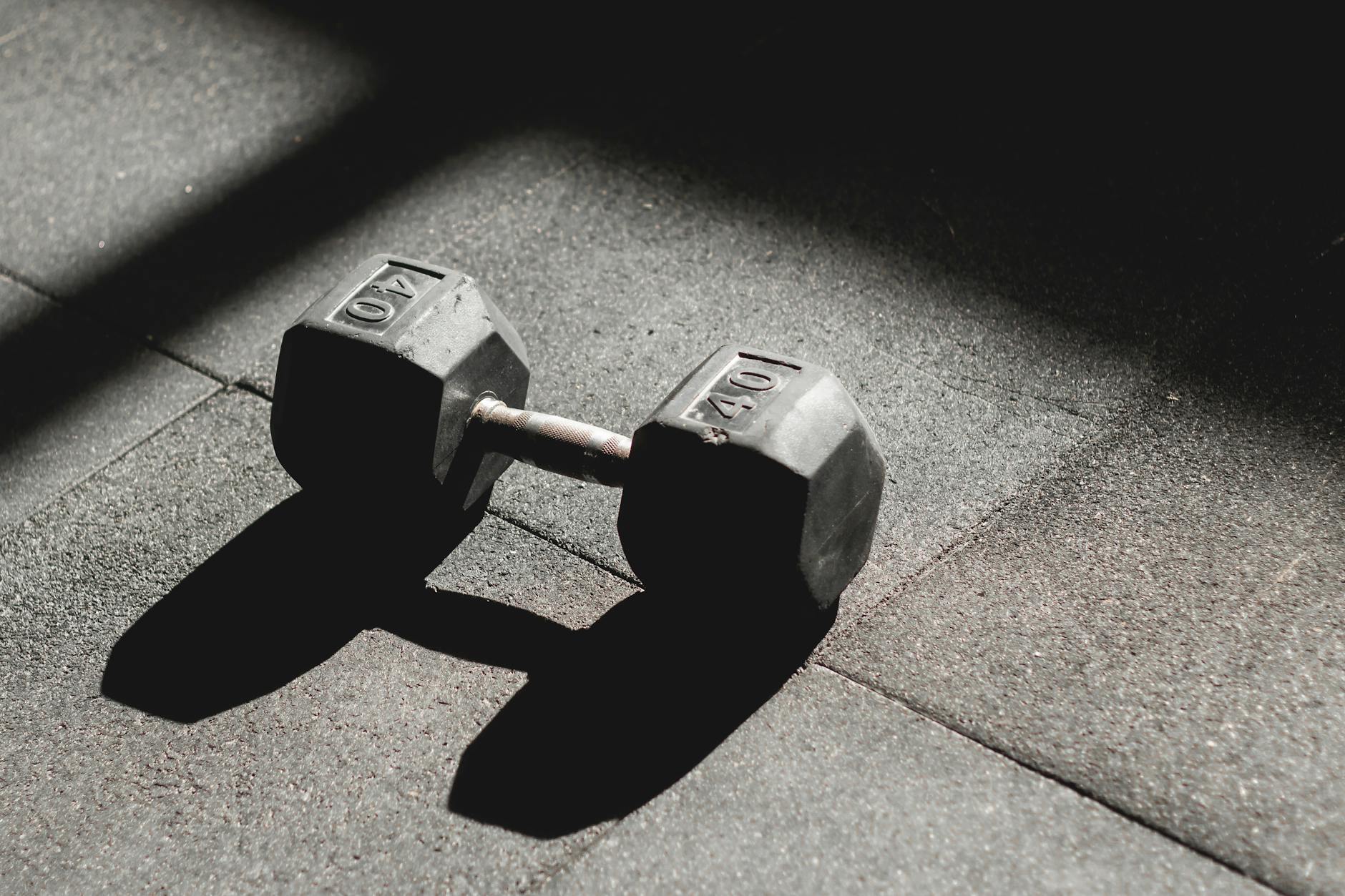
There are three main categories, and each suits a different kind of lifter. Fixed hex dumbbells come in a single weight, usually with a hexagonal head that prevents them from rolling across your floor. That flat-sided design is not just convenient — it is essential for exercises like renegade rows where the dumbbell needs to stay planted. Fixed dumbbells are the most durable option available and the fastest to use since you simply grab one off the rack. For runners who do short, intense cross-training sessions with supersets or circuits, this grab-and-go speed is a real advantage. Adjustable dumbbells use a dial, pin, or plate-loading system to let you change the weight on a single handle.
Selectorized models from brands like Bowflex or NüoBell use a twist dial or selector pin that lets you swap weight in a few seconds. They are slower than reaching for a fixed dumbbell, but they replace an entire rack’s worth of weight in one compact footprint. Then there are spin-lock dumbbells — the budget plate-loaded option where you manually thread weight plates on and off a bar. They are the cheapest way in, but adjusting them mid-workout is tedious enough that most people eventually upgrade. The practical difference shows up during your workout. If your routine calls for moving quickly between exercises at different weights — say, a circuit of 25-pound curls into 40-pound rows into 15-pound lateral raises — fixed dumbbells let you flow without interruption. If you are doing straight sets where you rest between exercises anyway, the 10 to 15 seconds it takes to adjust a selectorized dumbbell barely matters.
How Much Do Dumbbells Actually Cost in 2026?
Pricing is where the adjustable-versus-fixed debate gets interesting. Adjustable dumbbells carry a median price of roughly $450 per set, according to BarBend and Garage Gym Reviews testing roundups. That one set can cover you from around 5 to 50 pounds or more, depending on the model. The NüoBell Classic from SMRFT, which adjusts from 2 to 32 kilograms, runs $745 per pair. Fixed rubber hex dumbbells, on the other hand, average about $32 per pair for a single weight increment. That sounds cheap until you start adding up what a full range costs.
A complete set of fixed dumbbells from 5 to 100 pounds can run anywhere from $1,000 to well over $3,000, depending on brand and coating material. However, most runners doing supplemental strength work do not need a 5-to-100-pound collection. If your training calls for three or four specific weights — say a 15-pound pair for shoulder work, 25s for rows, and 35s for goblet squats — you might spend under $100 total on fixed hex dumbbells. That makes them the cheaper option for people with narrow, well-defined needs. The adjustable route makes more financial sense when you need a broad range or plan to progressively increase weight over months and years. Experts at BarBend recommend visiting a gym first, tracking the weights you actually use across a full week of varied workouts, and then purchasing based on those real numbers rather than guessing.
Which Dumbbells Did Experts Rate Highest for 2026?
The testing landscape for dumbbells is more rigorous than it used to be. Garage Gym Reviews tested over 30 adjustable dumbbell models before naming the REP Fitness QuickDraw their best overall adjustable dumbbell for 2026, rating it 4.5 out of 5 stars. For fixed dumbbells, BarBend’s January 2026 testing gave top marks to the REP Fitness Rubber Coated Hex Dumbbells, citing durable construction, a wide weight range, and competitive pricing. Consumer Reports expert-tested four adjustable dumbbell models in their 2026 guide, adding another layer of independent evaluation.
On the value end, the SMRFT NüoBell Classic earned Garage Gym Reviews’ pick for best value adjustable dumbbell. For budget-conscious buyers, the Bowflex SelectTech 552 remains a consistent recommendation across multiple outlets, including both Garage Gym Reviews and Consumer Reports. At the premium end, Garage Gym Reviews pointed to the Rogue DB15 as the money-no-object choice, while NBC Select highlighted the Snode Sport AD80 for durability. Worth noting: “best” in these roundups always reflects the tester’s criteria. A dumbbell that scores well for a general home gym user might not be the ideal pick for a runner who needs just a few weights for post-run strength circuits.
Fixed vs. Adjustable — A Practical Comparison for Home Gyms
The tradeoff between fixed and adjustable dumbbells comes down to four things: space, speed, durability, and cost. Adjustable dumbbells win decisively on space. A single pair replaces what could be ten or fifteen pairs of fixed dumbbells, which means no rack, no dedicated floor area, and easy storage in a closet or corner. For anyone training in a small apartment or shared living space, that compactness is a genuine advantage. Fixed dumbbells win on speed and durability.
You grab the weight you need and go — no dials, no pins, no fumbling. They also survive being dropped, which matters during heavy sets or fatigue. Adjustable dumbbells should never be dropped, according to both BarBend and Garage Gym Reviews, because their internal mechanisms are fragile and a single hard impact can break the adjustment system. That is a real limitation for anyone doing explosive movements or training to failure where a controlled set-down is not always possible. If your cross-training involves kettlebell-style swings, snatches, or any movement where you might bail on a rep, fixed dumbbells are the safer choice. For steady progressive overload — where you methodically increase weight between exercises or across training weeks — adjustable dumbbells are the more practical and cost-effective option.
Grip, Shape, and Material — Details That Matter More Than You Think
It is easy to fixate on weight range and price while overlooking the physical characteristics that affect every rep. Grip quality varies significantly between dumbbell types. Fixed dumbbells generally offer better knurling — the crosshatched texture on the handle — and absorb chalk more effectively than adjustable handles, which tend to be smoother and sometimes coated in rubber or plastic. If you train with any grip intensity or your hands sweat during cardio-heavy circuits, this difference is noticeable. Shape matters too, particularly the head geometry. Hexagonal heads prevent the dumbbell from rolling when you set it on the floor, which is a safety issue as much as a convenience one.
Round heads, common on adjustable models, will roll if placed on an uneven surface. Material affects both durability and floor protection: steel and urethane represent the most premium and durable construction. Rubber-coated hex dumbbells best survive drops and are gentler on flooring. If you train on hardwood, tile, or in a room above another living space, a rubber coating is not optional — it is necessary. One warning: cheap rubber coatings on budget dumbbells can off-gas a strong chemical smell for weeks or even months. If you are buying the least expensive hex dumbbells you can find, plan to air them out in a garage or well-ventilated area before bringing them into your main training space.
How Runners Should Think About Dumbbell Selection
Runners occupy a specific niche in the strength training world. Most do not need heavy weight — the goal is usually muscular endurance, injury prevention, and correcting imbalances rather than building maximum strength. A typical runner’s dumbbell routine might include single-leg deadlifts, lateral lunges, calf raises, and upper-body work like rows and presses, most of which fall in the 10-to-30-pound range.
For that kind of focused program, two or three pairs of fixed hex dumbbells will cover you for well under $100 and last essentially forever. Where adjustable dumbbells become worthwhile for runners is when strength training becomes a more serious part of your program — for example, during a marathon off-season where you are building a base of strength, or if you are rehabbing an injury and need to work through a wide range of loads. The ability to go from 5 pounds on rotator cuff exercises to 40 pounds on Bulgarian split squats without cluttering your space is genuinely useful in that context.
What to Expect as the Dumbbell Market Evolves
The adjustable dumbbell market has matured considerably over the past few years. Competition between brands like REP Fitness, Bowflex, NüoBell, and PowerBlock has driven innovation in adjustment speed, weight range, and build quality while keeping prices relatively stable. The median adjustable set price of around $450 represents solid value when you consider the breadth of weight it replaces.
Fixed dumbbells are unlikely to change much — the design has been essentially perfected for decades. What is shifting is availability and pricing on rubber hex models, as more manufacturers compete in the home gym space that exploded during the pandemic years and has not fully contracted since. For buyers in 2026, the practical advice is straightforward: the market is mature, reviews are plentiful and rigorous, and there is no reason to wait for a next-generation product. Buy what fits your training today.
Conclusion
Choosing the right dumbbells is less about finding the objectively best product and more about matching the tool to your training reality. If you have space and budget for a rack, fixed hex dumbbells give you unbeatable speed and durability. If space is tight or you need a wide weight range from a single purchase, adjustable dumbbells at around $450 for a quality set are the smarter investment.
For runners doing supplementary strength work, a few pairs of fixed hex dumbbells in the 10-to-30-pound range will cover most needs for under $100. Before you buy anything, take the expert advice from BarBend seriously: go to a gym, track exactly which weights you reach for across a full week of training, and purchase based on those numbers. That single step eliminates most buying regret. Pair that with the specific product recommendations from independent testing — REP Fitness for both fixed and adjustable, Bowflex for budget adjustable, NüoBell for value — and you have a clear, confident path to the right dumbbells for your home gym.
Frequently Asked Questions
Are adjustable dumbbells safe to drop?
No. Adjustable dumbbells use internal dial, pin, or plate-loading mechanisms that are fragile and can break on impact. Both BarBend and Garage Gym Reviews advise against dropping them. If your training style involves dropping weights — during heavy sets, failure, or explosive movements — fixed dumbbells are the safer option.
How much does a full set of fixed dumbbells cost compared to adjustable?
A full set of fixed dumbbells ranging from 5 to 100 pounds typically costs $1,000 to $3,000 or more, depending on brand and material. Adjustable dumbbells covering a similar range have a median price of about $450 per set, making them significantly cheaper for broad weight coverage.
What weight dumbbells should a runner start with?
Most runners doing supplemental strength work operate in the 10-to-30-pound range. Start by tracking what you actually use at a gym across a full week of workouts, including exercises like lunges, rows, presses, and deadlifts. Buy based on those real numbers rather than guessing.
Do adjustable dumbbells feel different than fixed dumbbells?
Yes. Fixed dumbbells generally have better knurled grips that absorb chalk and feel more secure during intense sets. Adjustable handles tend to be smoother and sometimes wider, which can feel less natural. The weight distribution can also differ — some adjustable models feel slightly unbalanced at certain settings.
What is the best dumbbell for a small apartment home gym?
Adjustable dumbbells are the clear winner for small spaces. A single pair replaces what could be ten or more pairs of fixed dumbbells, eliminating the need for a rack. The Bowflex SelectTech 552 and SMRFT NüoBell Classic are both well-reviewed options that store compactly.
Are rubber hex dumbbells worth the extra cost over bare iron?
For home use, yes. The rubber coating protects flooring, reduces noise, and prevents the corrosion that bare iron is prone to in humid environments. The hexagonal shape also keeps them from rolling, which is both a safety and convenience benefit. REP Fitness Rubber Coated Hex Dumbbells were rated the best overall fixed dumbbell by BarBend in 2026.