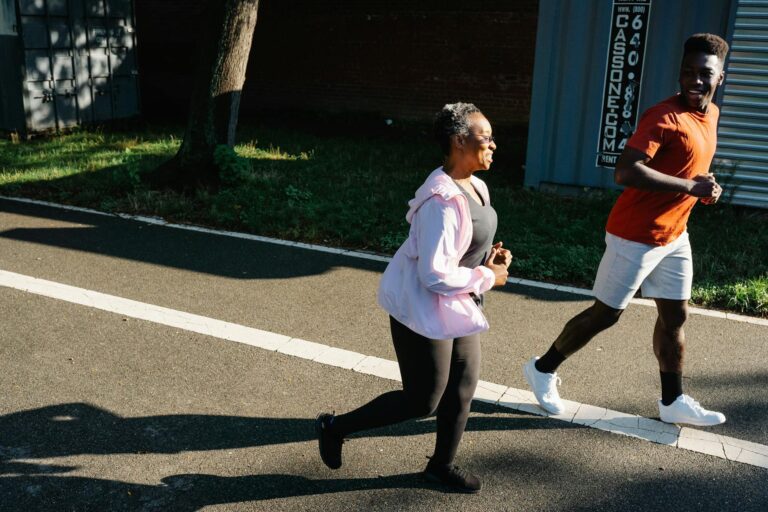
For the average person working at moderate-to-high intensity, it takes approximately 20 to 25 minutes of Zumba to burn 200 calories. A 2012 study conducted by the University of Wisconsin-La Crosse and commissioned by the American Council on Exercise found that participants burned an average of 9.5 calories per minute during a Zumba class, which means reaching the 200-calorie mark in roughly 21 minutes. That said, your actual time will depend heavily on your body weight, effort level, and the specific choreography of the class you are taking. To put that in practical terms, if you show up to a standard 60-minute Zumba class and dance at a steady clip, you will likely pass the 200-calorie threshold before the warm-up songs are even finished.
A 150-pound woman moving through a mix of merengue, salsa, and reggaeton tracks at a pointed effort can expect to hit that number around the 22-minute mark. A 200-pound man doing the same routine might get there in 17 or 18 minutes. The range is real, and it matters. This article breaks down the research behind Zumba calorie burn, explains how body weight and intensity shift the numbers, addresses some of the wildly inflated calorie claims floating around the internet, and compares Zumba to other group fitness options so you can decide whether it deserves a spot in your cardio rotation.
Table of Contents
- How Long Does It Actually Take to Burn 200 Calories Doing Zumba?
- Why Body Weight Changes Everything About Your Zumba Calorie Burn
- How Music Tempo and Intensity Affect Your 200-Calorie Goal
- How Zumba Compares to Other Group Cardio Workouts for Burning 200 Calories
- The Problem with Inflated Zumba Calorie Burn Claims
- A Practical Framework for Tracking Your 200-Calorie Zumba Burn
- Where Zumba Fits in a Broader Cardio Strategy
- Conclusion
- Frequently Asked Questions
How Long Does It Actually Take to Burn 200 Calories Doing Zumba?
The most reliable figure we have comes from the ACE-sponsored study out of the University of Wisconsin-La Crosse. Researchers recruited 19 healthy female volunteers between the ages of 18 and 22 and measured their energy expenditure during a full Zumba class. The average burn rate came out to 9.5 calories per minute. At that pace, you would cross the 200-calorie line in about 21 minutes. That is faster than most people assume, and it places Zumba firmly in the category of legitimate cardiovascular exercise rather than just a fun dance class. However, the typical calorie burn range for a full 60-minute Zumba session is between 400 and 550 calories for most participants. That translates to roughly 6.7 to 9.2 calories per minute depending on the individual.
If you fall on the lower end of that spectrum, perhaps because you are newer to the movements or working at a moderate pace, burning 200 calories might take closer to 25 or even 30 minutes. If you are on the higher end, pushing hard and keeping your heart rate elevated, you could get there in under 20 minutes. The 21-minute figure from the study is a solid midpoint, but it is not a guarantee for every person in every class. For comparison, consider two friends attending the same Tuesday evening Zumba class. One weighs 135 pounds and has been doing Zumba for a month. The other weighs 185 pounds and is brand new but athletically built. The heavier friend will almost certainly burn 200 calories first, even if the lighter friend knows the choreography better, simply because moving a larger body through the same movements requires more energy. The mechanics of calorie expenditure are not always intuitive, and they rarely reward technique over raw physics.
Why Body Weight Changes Everything About Your Zumba Calorie Burn
Body weight is the single most influential variable in how quickly you burn calories during zumba or any other physical activity. A 120-pound person performing the same routine as a 180-pound person will burn meaningfully fewer calories per minute. The heavier individual may reach 200 calories in as few as 15 to 18 minutes, while the lighter person may need 25 to 30 minutes of sustained effort to hit the same target. This is not a reflection of fitness level or skill. It is basic thermodynamics. Moving more mass through space costs more energy. This has important implications if you are using Zumba specifically as a calorie-burning tool. If you weigh less, you will need to either dance longer or push harder to match the calorie expenditure of a heavier participant.
That does not mean Zumba is less effective for lighter individuals. It simply means the clock works differently for different bodies. A 130-pound person who dances for 30 minutes and burns 200 calories has gotten an excellent workout. The fact that someone else hit that number in 18 minutes does not diminish the effort. However, if you are tracking calories burned using a fitness watch or the estimate displayed on a gym screen, be cautious. many of those estimates do not account for individual body composition, and some use inflated averages. A person with more muscle mass will burn slightly more calories than someone of the same weight with less muscle, because muscle tissue is more metabolically active. But these differences are modest compared to the effect of overall body weight. If you want a reasonable estimate, your weight and the duration of your workout will get you closer to the truth than most wearable devices will.
How Music Tempo and Intensity Affect Your 200-Calorie Goal
Not all Zumba classes are created equal, and the intensity of your session can shift your calorie burn by a meaningful margin. High-intensity Zumba performed to faster music, generally in the range of 140 beats per minute or higher, can increase energy expenditure by 15 to 20 percent compared to moderate-intensity sessions. That means if you would normally burn 200 calories in 25 minutes at a comfortable pace, pushing into a high-intensity class could bring that down to around 20 or 21 minutes. The difference comes down to what your body is doing during those faster tracks. Higher BPM music tends to drive bigger movements, faster footwork, more jumping, and more sustained elevation of heart rate. Your body shifts from relying primarily on aerobic energy systems to recruiting anaerobic pathways as well, which burns through fuel more quickly. Instructors who program their playlists with deliberate intensity peaks, alternating between recovery tracks and all-out effort songs, tend to produce higher overall calorie burns than those who keep the energy level flat throughout the class.
Here is a specific example. Imagine two versions of the same 30-minute Zumba block. In version one, the instructor uses four songs at around 120 BPM with smooth, flowing choreography. In version two, the instructor uses four songs at 145 BPM with explosive jumps, fast lateral shuffles, and deep squats mixed into the dance patterns. The second version could easily produce 15 to 20 percent more calorie burn. If your goal is to reach 200 calories as efficiently as possible, seek out classes or instructors known for higher-intensity programming. Just be honest about whether your joints and fitness level can handle that sustained pace, because intensity only helps if you can maintain it.
How Zumba Compares to Other Group Cardio Workouts for Burning 200 Calories
One of the more useful ways to evaluate Zumba is to stack it against other popular group fitness formats. According to comparison studies, Zumba burns more calories than cardio kickboxing, step aerobics, hooping, and power yoga. That positions it as one of the more efficient group exercise options if calorie burn is your primary metric. For someone trying to burn 200 calories, Zumba will generally get you there faster than any of those alternatives. That said, there are tradeoffs worth considering. Step aerobics and cardio kickboxing may burn slightly fewer calories per minute on average, but they often involve more upper body engagement and can build functional strength in ways that Zumba does not prioritize. Power yoga burns fewer calories in the same time frame, but it develops flexibility, balance, and mental focus that a Zumba class rarely addresses.
If your only question is how quickly can I burn 200 calories, Zumba wins. If your question is what gives me the most well-rounded fitness benefit in 30 minutes, the answer depends on what you are trying to build. Running, of course, still outpaces Zumba for raw calorie burn per minute for most people. A 155-pound person running at a 10-minute mile pace burns roughly 10 to 11 calories per minute, which is comparable to or slightly above Zumba. But running at faster paces or on hills can push that number considerably higher. The advantage Zumba holds over running for many people is adherence. People tend to show up to Zumba classes more consistently because the experience is social and entertaining. A workout you actually do three times a week will always beat a workout you skip.
The Problem with Inflated Zumba Calorie Burn Claims
If you have spent any time searching for Zumba calorie information online, you have probably encountered claims that a single class can burn 600 to 1,000 calories per hour. These numbers are exaggerated for the vast majority of participants. To burn 1,000 calories in a single hour of Zumba, a person would need to weigh roughly 325 pounds and maintain full intensity for the entire 60 minutes without any rest, water breaks, or transitions between songs. That scenario is unrealistic for almost everyone. The danger of these inflated claims is not just disappointment. It is bad decision-making.
If someone believes they burned 800 calories in a Zumba class when they actually burned 400, they may eat back those phantom calories and wonder why they are not losing weight. Overestimating calorie burn is one of the most common mistakes people make when using exercise as part of a weight management plan. The research-backed range of 400 to 550 calories for a full 60-minute class is far more useful than the marketing-driven numbers that tend to circulate on social media and promotional materials. A good rule of thumb is to be skeptical of any calorie burn estimate that sounds too good to be true. If a fitness tracker, app, or instructor tells you that you burned 900 calories in a Zumba class, and you weigh 150 pounds, that number is almost certainly wrong. Use the research-supported range of 6.7 to 9.5 calories per minute as your guide, multiply by the number of minutes you actually spent moving, and you will have a much more honest picture of your energy expenditure.
A Practical Framework for Tracking Your 200-Calorie Zumba Burn
If you want a simple way to estimate when you have hit 200 calories during a Zumba session, start with your body weight and intensity level. A person weighing 140 to 160 pounds working at moderate-to-high intensity can reasonably estimate about 7.5 to 8.5 calories per minute. At that rate, 200 calories arrives somewhere between 23 and 27 minutes into the class. A person weighing 170 to 200 pounds at the same intensity might estimate 9 to 10 calories per minute, hitting 200 calories in 20 to 22 minutes.
Rather than watching a clock during class, use song count as a rough proxy. Most Zumba songs run between 3.5 and 5 minutes. If you are in the moderate weight and intensity range, you can estimate that you will cross the 200-calorie mark after about five or six songs. That is a much more practical mental marker than trying to calculate minute-by-minute burn rates while doing a cumbia step.
Where Zumba Fits in a Broader Cardio Strategy
Zumba works best as one component of a varied cardiovascular training plan rather than as the sole source of cardio. Its strength is that it keeps people engaged and moving for sustained periods, which is exactly what you need for aerobic conditioning and calorie expenditure. But it does not offer the progressive overload of strength training, the sustained zone-two heart rate work of steady-state running or cycling, or the explosive power development of interval sprints.
For someone who genuinely enjoys Zumba and wants to use it as a calorie-burning tool, two to three classes per week combined with one or two sessions of running, cycling, or strength work is a solid approach. You will burn your 200 calories efficiently during each Zumba session while building complementary fitness qualities on your other training days. The best exercise program is the one you actually follow, and for a lot of people, Zumba is the class that gets them through the door.
Conclusion
Burning 200 calories with Zumba takes most people between 20 and 25 minutes at a moderate-to-high intensity. Research from the University of Wisconsin-La Crosse puts the average burn rate at 9.5 calories per minute, which means the 200-calorie mark is reachable in about 21 minutes for a typical participant. Your body weight, the intensity of the class, and the tempo of the music will all push that number up or down, but the 20-to-25-minute window is a reliable baseline for planning purposes.
If you are using Zumba as part of a weight management or cardiovascular fitness plan, focus on consistency and honest calorie tracking rather than chasing the inflated burn claims you will find online. Show up regularly, work hard during the class, and pair your Zumba sessions with other forms of exercise that address the fitness qualities Zumba does not cover. Two hundred calories may not sound dramatic, but multiply it across three sessions a week and 50 weeks a year, and you are looking at roughly 30,000 additional calories burned, which adds up to meaningful progress over time.
Frequently Asked Questions
How many calories does a full 60-minute Zumba class burn?
Most participants burn between 400 and 550 calories during a full 60-minute Zumba class. The exact number depends on body weight, effort level, and the intensity of the choreography. The ACE-funded study found an average of 9.5 calories per minute, which would translate to 570 calories over a full hour, though real-world classes include transitions and cooldowns that reduce the overall total.
Is Zumba better for burning calories than running?
Zumba and moderate-paced running produce similar calorie burn rates for most people, roughly 8 to 11 calories per minute depending on weight and intensity. Running at faster speeds or on inclines will typically outpace Zumba. However, Zumba tends to have higher adherence rates because people find it more enjoyable, which can make it more effective in practice for long-term calorie management.
Can you really burn 1,000 calories in a Zumba class?
For the vast majority of people, no. To burn 1,000 calories in a single hour of Zumba, a person would need to weigh approximately 325 pounds and maintain maximum intensity for the entire session without any breaks. Claims of 600 to 1,000 calories per hour are exaggerated and should not be used for dietary planning.
Does Zumba burn more calories than other group fitness classes?
Yes. Comparison studies have found that Zumba burns more calories per session than cardio kickboxing, step aerobics, hooping, and power yoga. This makes it one of the more calorie-efficient group exercise formats available, though other classes may offer benefits like strength building or flexibility that Zumba does not emphasize.
How can I increase my calorie burn during Zumba?
Seek out classes with higher-intensity choreography and faster music tempos above 140 BPM. Engage your full range of motion on every movement, add arm movements when possible, and drop lower into squats and lunges during the routines. High-intensity Zumba can increase calorie burn by 15 to 20 percent compared to moderate-paced sessions.