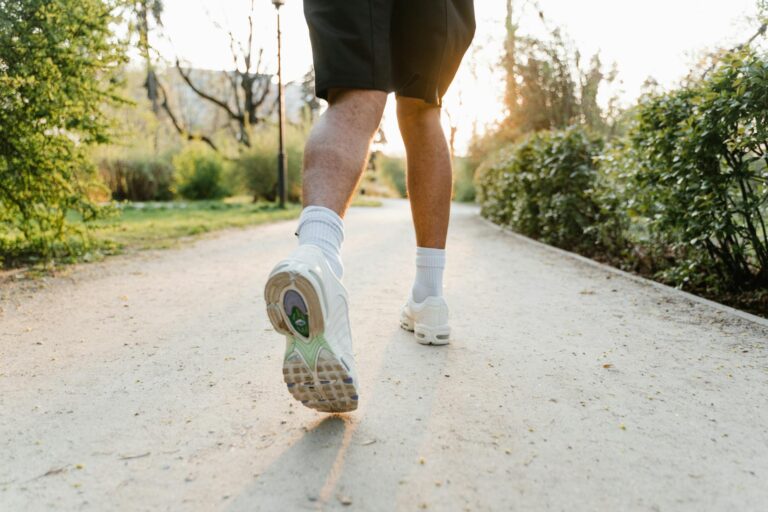
LISS—low-intensity steady-state cardio—transforms your body by shifting it into a fat-burning machine that operates primarily on stored body fat rather than glycogen. When you walk briskly, cycle at a conversational pace, or swim easy laps for 30 to 60 minutes, your heart rate stays in the 50 to 65 percent of maximum zone, where roughly 60 to 70 percent of calories burned come directly from fat oxidation. A 170-pound person walking at 3.5 miles per hour for 45 minutes burns approximately 230 calories, and the majority of that fuel is pulled from adipose tissue rather than muscle glycogen—a ratio that higher-intensity work simply cannot match during the session itself.
Beyond fat loss, consistent LISS reshapes your cardiovascular system, improves mitochondrial density in slow-twitch muscle fibers, and lowers resting heart rate over weeks and months. Runners who add two or three LISS sessions per week often notice that their easy pace drops by 15 to 30 seconds per mile within six to eight weeks, not because they trained harder but because their aerobic base expanded. This article covers the specific physiological mechanisms behind LISS body transformation, how it compares to HIIT for different goals, the timeline you can realistically expect for visible changes, and the mistakes that stall progress for most people.
Table of Contents
- How Does LISS Actually Change Your Body Composition?
- The Cardiovascular Remodeling That Happens Inside Your Chest
- What a Realistic LISS Transformation Timeline Looks Like
- How to Structure LISS Sessions for Maximum Body Transformation
- Why Some People Do LISS for Months and See No Transformation
- LISS as a Recovery Tool That Accelerates Other Training
- Where LISS Fits in the Future of Fitness Programming
- Conclusion
- Frequently Asked Questions
How Does LISS Actually Change Your Body Composition?
The primary mechanism is improved fat oxidation efficiency. During liss, your body relies on the aerobic energy system, which breaks down fatty acids through beta-oxidation and feeds them into the Krebs cycle. Over weeks of consistent training, your muscles develop more mitochondria and greater capillary density, which means they become better at extracting oxygen from blood and using it to metabolize fat. A 2015 study published in the Journal of Sports Science and Medicine found that subjects performing moderate-intensity continuous training for 12 weeks increased their fat oxidation rate by 23 percent compared to baseline, even at rest. This adaptation matters because it changes what happens when you are not exercising. Someone with a well-developed aerobic base burns a higher percentage of fat during daily activities—sitting at a desk, walking to the car, sleeping.
Compare this to someone who only does high-intensity interval training: HIIT burns more total calories per minute during the workout, but fat oxidation rates during the session are actually lower because the body preferentially taps glycogen stores when intensity is high. The trade-off is real. HIIT excels at excess post-exercise oxygen consumption and total caloric burn, but LISS wins on per-session fat utilization and cumulative aerobic adaptation. There is also a muscular component. LISS does not build significant muscle mass, but it does protect existing lean tissue better than prolonged high-intensity work. Cortisol, the stress hormone that promotes muscle breakdown, rises sharply during hard interval sessions and long threshold runs. LISS keeps cortisol relatively low, which is one reason bodybuilders in contest prep have historically favored the treadmill at an incline walk over sprints—they want to shed fat without sacrificing the muscle they spent months building.

The Cardiovascular Remodeling That Happens Inside Your Chest
LISS causes eccentric cardiac hypertrophy, which means the left ventricle of your heart stretches to hold more blood per beat rather than simply thickening its walls. This is the same adaptation that elite marathon runners develop over years of aerobic training, though at a smaller scale. A larger stroke volume means your heart pumps more blood per contraction, which reduces how many times it needs to beat per minute to deliver the same amount of oxygen. It is common for someone new to LISS training to see their resting heart rate drop from the mid-70s to the low 60s within three months. This matters for more than athletic performance. A lower resting heart rate is associated with reduced all-cause mortality, lower blood pressure, and improved heart rate variability—a marker of autonomic nervous system health that correlates with stress resilience.
However, if you have an existing cardiac condition, particularly arrhythmias or valve disorders, the assumption that “low intensity equals low risk” is not always correct. Prolonged sessions above 60 minutes can still place meaningful volume load on a compromised heart. Anyone with a known heart condition should clear LISS programming with a cardiologist before treating it as universally safe. The vascular system responds too. LISS promotes nitric oxide production in the endothelium—the inner lining of blood vessels—which improves arterial elasticity and reduces peripheral resistance. This is partly why consistent walkers and easy joggers often see blood pressure reductions of 5 to 8 mmHg systolic within eight weeks, even without dietary changes.
What a Realistic LISS Transformation Timeline Looks Like
The first changes are invisible. Within two to three weeks, mitochondrial biogenesis is already underway in the muscles you are using most, and your body begins upregulating enzymes involved in fat metabolism. You will not see this in the mirror, but you may notice that a pace that left you slightly winded now feels effortless. A good example: someone who starts walking 40 minutes a day at 3.8 mph and finds that by week three, they need to bump the speed to 4.0 mph or add a slight incline to stay in the same heart rate zone. Visible body composition changes typically emerge between weeks six and ten, assuming caloric intake is not offsetting the energy expenditure. This is the stage where people start noticing that pants fit differently or facial puffiness decreases.
A realistic fat loss rate from LISS alone, without dietary manipulation, is roughly half a pound to one pound per week for someone 20 or more pounds above their target weight. That sounds slow because it is slow. The advantage is sustainability—people who rely on LISS for fat loss are far less likely to experience the rebound weight gain that follows aggressive HIIT-and-diet crash programs. By months three through six, the cumulative aerobic adaptations are substantial. Resting heart rate is lower, perceived effort at moderate paces has dropped, and your body’s fuel partitioning has shifted meaningfully toward fat oxidation. Marathon coaches often call this phase the point where “the engine gets bigger,” and it applies even if you never plan to race.
How to Structure LISS Sessions for Maximum Body Transformation
The most common mistake is going too hard. If you can’t hold a full conversation—complete sentences, not gasping fragments—you have drifted out of the LISS zone and into moderate-intensity territory, which changes the metabolic equation. A heart rate monitor is the most reliable tool here. Multiply your age-predicted max heart rate (220 minus age, as a rough estimate) by 0.55 to 0.65, and stay in that window. For a 35-year-old, that means 102 to 120 beats per minute. It will feel embarrassingly easy at first, and that is the point. Frequency matters more than duration per session. Four 35-minute walks per week produce better body composition results than two 70-minute walks, because the metabolic signaling from each session—AMPK activation, GLUT4 transporter upregulation, lipolytic enzyme expression—resets between bouts.
Aim for four to six sessions per week, 30 to 60 minutes each. The modality is almost irrelevant: walking, cycling, elliptical, swimming, rowing at low intensity, even rucking with a light pack. Choose whatever you will actually do consistently, because adherence is the variable that predicts results more than any physiological optimization. The trade-off compared to HIIT is time. A HIIT session can accomplish significant cardiovascular stimulus in 20 minutes. LISS requires 30 to 60 minutes per session to generate comparable weekly training volume. If you have 90 minutes per week for cardio and nothing more, HIIT may be the more efficient choice. If you have three to five hours per week and value joint health, recovery, and long-term adherence, LISS is the stronger play.
Why Some People Do LISS for Months and See No Transformation
The most common saboteur is compensatory eating. LISS does not suppress appetite the way high-intensity work does—in fact, easy-paced exercise can mildly increase hunger in some individuals because it does not trigger the same post-exercise appetite-blunting hormones that hard efforts do. A 45-minute walk burns roughly 200 to 250 calories. A single granola bar or a sweetened coffee drink can erase that entirely. This does not mean LISS is ineffective; it means that body composition changes from LISS are easier to negate with casual snacking than those from higher-intensity modalities. The second issue is intensity creep in the wrong direction.
Some people start at a genuine LISS pace but gradually drift faster over weeks, turning their sessions into moderate-intensity cardio. Moderate intensity—70 to 80 percent of max heart rate—is a metabolic no-man’s-land sometimes called the “gray zone.” It is too hard to maximize fat oxidation percentage and too easy to generate the high-end stimulus that produces HIIT-specific adaptations. If you are going to do LISS, commit to keeping it genuinely easy and let the adaptations come from volume and consistency rather than creeping effort. A third limitation applies to people who are already lean and aerobically fit. If your resting heart rate is already in the mid-50s and your body fat is under 18 percent for men or under 25 percent for women, LISS alone is unlikely to produce dramatic further transformation. At that point, the marginal returns from additional low-intensity volume diminish, and higher-intensity or resistance training stimulus becomes the more productive lever for further change.

LISS as a Recovery Tool That Accelerates Other Training
One underappreciated role of LISS is active recovery. A 30-minute easy bike ride the day after a heavy squat session or a hard interval workout increases blood flow to damaged muscle tissue, which speeds nutrient delivery and waste removal without adding meaningful mechanical stress. Professional cyclists call these “spin-out” rides, and research from the European Journal of Applied Physiology has shown that active recovery at low intensity reduces blood lactate concentration faster than passive rest and is associated with lower subjective soreness ratings at 24 hours post-exercise.
For runners training for a half marathon or marathon, LISS sessions on non-workout days serve double duty: they build aerobic base and they recover the body from harder sessions. This is why elite distance runners log 80 to 90 percent of their weekly mileage at easy, conversational effort. The easy work is not filler—it is the foundation that makes the hard work possible and productive.
Where LISS Fits in the Future of Fitness Programming
The fitness industry spent the 2010s glorifying intensity—HIIT classes, Tabata protocols, “no pain no gain” culture. The pendulum is now swinging back toward sustainable, low-intensity movement as both research and real-world outcomes show that most people cannot maintain high-intensity programs for more than a few months before burnout, injury, or adherence collapse. Zone 2 training, which overlaps significantly with LISS methodology, has become one of the most discussed concepts in performance physiology, driven partly by the popularity of researchers and clinicians who advocate for aerobic base building as the foundation of metabolic health.
The practical takeaway is that LISS is not a trend or a shortcut. It is the training approach most aligned with how the human body was designed to move—long, sustained, moderate effort—and it produces transformations that are slower to arrive but far more durable than those from extreme programming. Expect the next decade of fitness programming to increasingly integrate LISS as a non-negotiable base layer rather than a fallback for people who “can’t handle” hard training.
Conclusion
LISS transforms your body through a cascade of adaptations that start with improved fat oxidation and mitochondrial density, extend to cardiovascular remodeling and lower resting heart rate, and culminate in measurable changes to body composition over weeks and months. The key variables are consistency, genuine low intensity, and patience—most people who fail with LISS either go too hard, eat back their caloric deficit, or quit before the six-to-ten-week mark where visible changes emerge. If you are starting from scratch, begin with four 30-minute sessions per week at a conversational pace, using whatever modality keeps you coming back.
Track your resting heart rate weekly as an objective marker of aerobic adaptation. Resist the urge to push harder, and let the volume do the work. The body you build through LISS will be one that sustains itself, because the habits that created it are ones you can maintain for years rather than weeks.
Frequently Asked Questions
How long should a LISS session be to burn fat effectively?
Thirty minutes is the practical minimum for meaningful fat oxidation, as the ratio of fat-to-glycogen utilization increases the longer you stay in the low-intensity zone. Forty-five to sixty minutes is the sweet spot for most people, but sessions beyond 75 minutes offer diminishing returns unless you are specifically training for an endurance event.
Can I do LISS every day?
Yes, for most healthy individuals. Because the intensity is low and the mechanical stress is minimal—especially for low-impact modalities like cycling or swimming—daily LISS does not carry the overtraining risk associated with daily high-intensity work. That said, one full rest day per week is still a reasonable practice to avoid cumulative fatigue and psychological staleness.
Is LISS or HIIT better for losing belly fat?
Neither specifically targets belly fat—spot reduction is a myth. However, LISS tends to produce more consistent long-term fat loss because it is sustainable and does not provoke the cortisol spikes that can promote visceral fat retention. HIIT burns more calories per minute and may produce faster initial results, but adherence rates drop significantly after eight to twelve weeks in most studies.
Will LISS make me lose muscle?
LISS is far less catabolic than prolonged moderate or high-intensity cardio. Keeping sessions under 60 minutes, maintaining adequate protein intake of at least 0.7 grams per pound of body weight, and continuing resistance training will preserve muscle mass effectively. Problems arise only when LISS volume becomes extreme—exceeding 90 minutes daily—or when caloric intake drops too low.
What heart rate zone should I target during LISS?
Aim for 55 to 65 percent of your maximum heart rate. For a rough estimate, subtract your age from 220 and multiply by 0.55 and 0.65 to find your range. A more reliable method is the MAF (Maximum Aerobic Function) formula: 180 minus your age, adjusted for training history and health status.
Can LISS improve my running performance even if I already do speed work?
Absolutely. Most recreational runners do too much moderate-intensity work and not enough genuine easy running. Adding two to three dedicated LISS sessions per week—at a pace slow enough to feel almost too easy—builds the aerobic infrastructure that allows your body to sustain faster paces during workouts and races. This is the foundation of polarized training, which research consistently shows outperforms threshold-heavy models for endurance athletes.