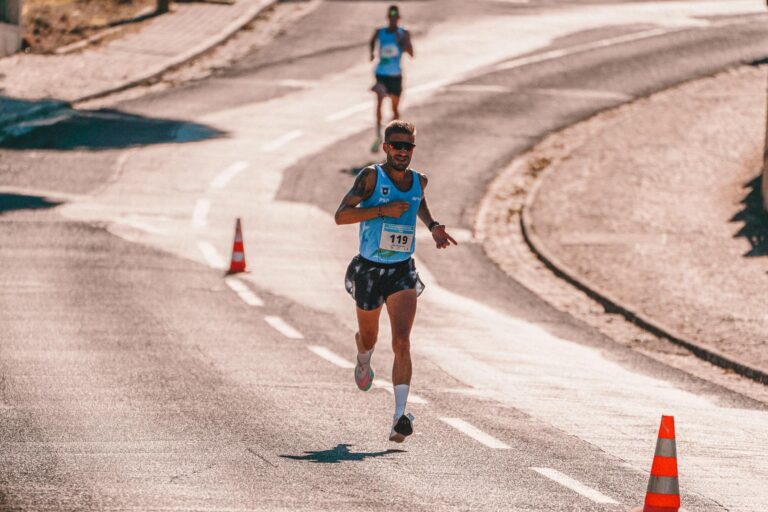
Health and Mental Benefits: Key Differences Between Runners and Non-Runners
People who take up running often see clear gains in health and mental well-being compared to those who stay inactive. Runners tend to be leaner with fewer joint issues and lower disability rates right from the start, as shown in studies tracking their bodies over timehttps://bornonthetrail.substack.com/p/is-ultra-running-actually-bad-for-you. This edge comes from running as a top form of cardio that builds strength in legs, torso, arms, tendons, ligaments, joints, and bones while promoting better formhttps://run.outsideonline.com/training/slow-running-benefits/.
On the health side, running stands out for heart protection. Just 5 to 10 minutes a day can cut heart disease risk by up to 45 percent, based on a large study of over 50,000 people followed for 15 yearshttps://pilot.com.au/co-pilot/is-running-good-for-weight-loss. Regular runners face 40 percent less chance of dying from heart attacks, strokes, or other cardiac problems, and even a 25 percent lower risk from cancerhttps://www.runnersworld.com/uk/training/a69619552/running-lowers-risk-of-death/. It also sharpens blood sugar control to fight diabetes by making muscle cells more insulin-sensitivehttps://pilot.com.au/co-pilot/is-running-good-for-weight-loss. Plus, running boosts balance to cut fall risks in older adults through stronger, quicker leg muscleshttps://pilot.com.au/co-pilot/is-running-good-for-weight-loss.
A big plus for physical health is how running helps with loosing weight and overall fitness. It burns lots of calories, with factors like speed, terrain, and effort deciding the exact burn, making it a flexible cardio workout for any levelhttps://pilot.com.au/co-pilot/is-running-good-for-weight-loss. Non-runners miss this, often staying heavier and less fit. Runners also dodge the myth of knee damage; research on thousands shows they have less knee pain, healthier cartilage, and stronger knees with moderate running and strength workhttps://www.menshealth.com/fitness/a69532684/is-running-bad-for-your-knees/https://pilot.com.au/co-pilot/is-running-good-for-weight-loss.
Mentally, running lifts mood, cuts anxiety, and builds resilience while easing stresshttps://pilot.com.au/co-pilot/is-running-good-for-weight-losshttps://therunningchannel.com/should-you-run-every-day/. The runner’s high proves how natural and rewarding it feels, unlike the stagnation non-runners facehttps://pilot.com.au/co-pilot/is-running-good-for-weight-loss. Regular running three times a week ties to 30 to 40 percent lower early death risk from all causes, giving runners a life edge over non-runnershttps://www.runnersworld.com/uk/training/a69619552/running-lowers-risk-of-death/.
Runners build social ties through group runs, adding joy that solo non-runners skiphttps://therunningchannel.com/should-you-run-every-day/. To keep benefits high, mix in rest days for recovery and avoid overuse injuries like shin splints or stress fractures, which hit hard without breakshttps://therunningchannel.com/should-you-run-every-day/. Even adding cycling as cross-training boosts circulation, cuts fatigue, and matches running’s calorie burn without joint stresshttps://www.the-independent.com/life-style/health-and-families/cycling-running-performance-exercise-fitness-b2880926.html.