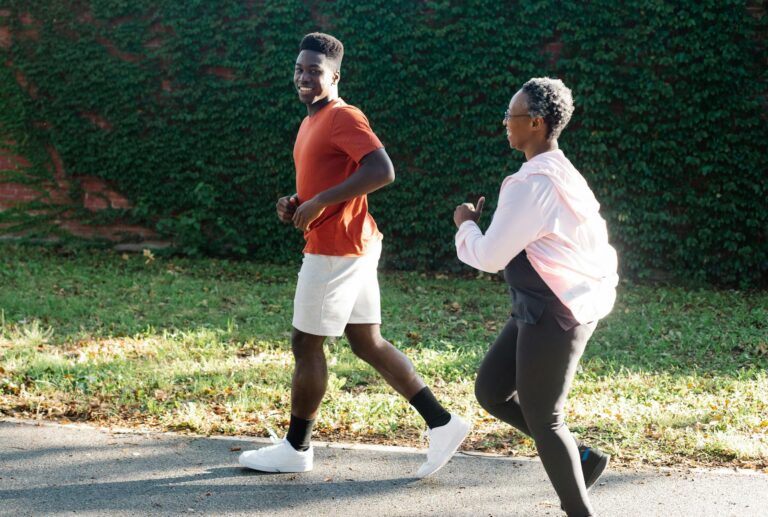
Group cardio classes designed for older adults offer a safer, more effective way to maintain cardiovascular health than exercising alone, combining the physical benefits of structured aerobic activity with the motivational power of social connection. These classes””whether water aerobics, chair-based cardio, low-impact dance, or walking groups””typically modify intensity, pace, and movements to accommodate the joint concerns, balance challenges, and varying fitness levels common among adults over 60. A 72-year-old retired teacher in Phoenix, for instance, might find that a twice-weekly Silver Sneakers class at her local YMCA provides not only the 150 minutes of moderate aerobic activity recommended by the CDC but also the accountability that kept her from skipping workouts when she tried exercising at home.
The appeal extends beyond physical health. Research consistently shows that older adults who exercise in groups report higher adherence rates and greater satisfaction than those who exercise independently. The social component addresses the isolation that often accompanies aging, while instructors trained in senior fitness can spot form problems and make real-time modifications that prevent injury. This article examines the specific types of group cardio classes available, how to evaluate whether a class matches your current fitness level, safety considerations, cost comparisons across different program types, and how to handle common barriers that prevent older adults from starting or continuing group exercise.
Table of Contents
- What Types of Group Cardio Classes Work Best for Older Adults?
- How Intensity Levels Should Differ in Senior Cardio Programs
- Safety Considerations and Medical Clearance
- Comparing Costs: Gyms, Recreation Centers, and Medicare Programs
- The Social Component: Why It Matters for Adherence
- Future Trends in Senior Group Fitness
- Conclusion
What Types of Group Cardio Classes Work Best for Older Adults?
The most effective group cardio classes for older adults share certain characteristics: they emphasize low-impact movements, offer clear modification options, maintain a moderate intensity level, and include adequate warm-up and cool-down periods. Water aerobics consistently ranks among the most joint-friendly options because buoyancy reduces stress on hips, knees, and ankles by up to 90 percent while still providing meaningful resistance for cardiovascular conditioning. Chair-based cardio classes remove fall risk almost entirely and work well for those recovering from surgery or managing severe arthritis. Low-impact aerobics classes, sometimes marketed under names like “Silver Sneakers Classic” or “EnhanceFitness,” typically combine standing exercises with optional chair support, rhythmic arm movements, and walking patterns that elevate heart rate without jumping or rapid directional changes.
Dance-based classes””Zumba Gold, line dancing, or ballroom fitness””add cognitive benefits through choreography memorization while keeping participants engaged through music. However, the “best” class depends entirely on individual circumstances: someone with knee replacements might thrive in water aerobics but struggle with the lateral movements in a dance class, while someone with incontinence concerns might prefer land-based exercise despite having healthy joints. Walking groups represent perhaps the most accessible option, requiring no special equipment, membership fees, or facility access. Many mall walking programs open early for older adult groups, providing climate-controlled, flat surfaces with benches for rest and bathrooms nearby. The trade-off is less structured intensity progression and fewer opportunities for instructor guidance on form or heart rate targets.

How Intensity Levels Should Differ in Senior Cardio Programs
Appropriate intensity for older adults generally falls between 40 and 60 percent of heart rate reserve during the main workout phase, compared to the 60 to 85 percent range often targeted in general adult fitness classes. This translates to being able to carry on a conversation while exercising””the “talk test”””without gasping but with noticeable breathing effort. Instructors in well-designed senior programs use perceived exertion scales rather than demanding specific heart rates, recognizing that many older adults take medications like beta-blockers that artificially suppress heart rate regardless of actual effort. A quality senior cardio class builds intensity gradually across the session, spending 10 to 15 minutes on warm-up activities rather than the 5 minutes typical in younger-adult classes.
The main cardio segment might last 20 to 30 minutes with built-in recovery intervals, followed by an extended cool-down that includes gentle stretching and balance work. This structure reflects the reality that older cardiovascular systems adapt more slowly to changes in activity level and that muscles need more time to warm up to prevent strains. However, if you’ve been consistently active throughout your life and have no significant health conditions, a standard “senior” class might feel frustratingly slow. Some facilities offer tiered programming””beginner, intermediate, and active aging””that provides more appropriate challenges. The warning sign that a class is too intense isn’t being tired afterward but being unable to recover within an hour, experiencing joint pain that persists beyond the day of exercise, or feeling dizzy during the workout itself.
Safety Considerations and Medical Clearance
Before joining any group cardio program, older adults should obtain medical clearance, particularly those with heart disease, diabetes, pulmonary conditions, or recent surgeries. The Physical Activity Readiness Questionnaire for Everyone (PAR-Q+) serves as a screening tool that identifies who needs physician approval and who can safely begin moderate exercise without it. A cardiologist might clear someone for water aerobics but recommend against classes involving significant arm-overhead work if blood pressure control remains challenging. Instructors certified through organizations like the American Council on Exercise, AFAA, or the Functional Aging Institute learn specific modifications for common conditions affecting older adults””osteoporosis, peripheral neuropathy, visual impairments, and hearing loss among them.
A competent instructor positions participants with balance concerns near walls or sturdy chairs, demonstrates exercises facing the class rather than using mirrors, and uses verbal cues loudly and clearly enough for those with hearing aids. Facilities matter too: adequate lighting, non-slip flooring, accessible bathrooms nearby, and emergency response protocols should all be standard. For example, a participant with osteoporosis would need to avoid forward spinal flexion and twisting under load, meaning certain stretches common in cool-down segments could actually increase fracture risk. An instructor without geriatric training might not recognize this concern. Similarly, someone with peripheral neuropathy affecting foot sensation needs to see their feet while exercising rather than closing eyes during balance segments, a modification that requires instructor awareness and willingness to adapt the routine.

Comparing Costs: Gyms, Recreation Centers, and Medicare Programs
Cost structures for senior group cardio classes vary dramatically depending on the provider. Commercial gym chains like Planet Fitness or LA Fitness charge $10 to $25 monthly for basic memberships that include group classes, though class variety and senior-specific programming differs by location. Dedicated senior fitness programs at YMCAs typically run $30 to $60 monthly but often include access to pools, social programming, and staff trained in older adult fitness. Medicare Advantage plans frequently include gym memberships through programs like Silver Sneakers, Renew Active (through UnitedHealthcare), or One Pass (through the American Specialty Health network). These programs cost nothing beyond the Medicare Advantage premium and provide access to thousands of participating facilities nationwide. The trade-off is that participants must choose from participating locations, which may not include the closest or most convenient gym. Original Medicare does not cover gym memberships or fitness classes, though some Medicare Supplement plans offer fitness benefits as add-ons. Municipal recreation centers and senior centers often provide the most affordable options””sometimes free to residents over 60″”but may have limited schedules, less equipment variety, or instructors without specialized certifications. A retiree weighing options might find that a free senior center class meets only once weekly while the $40-per-month YMCA membership offers daily class options at convenient times. For someone committed to consistent exercise, the paid option that removes scheduling barriers may deliver better long-term value than the free option that’s easy to skip.
## Common Barriers and How to Overcome Them Transportation ranks as the most frequently cited barrier preventing older adults from attending group exercise classes. Those who no longer drive face scheduling challenges if dependent on family members or paratransit services that operate on fixed routes and times. Some facilities address this by partnering with ride-share services or operating shuttle programs, while others offer virtual class options that bring instruction home””though these eliminate the social benefits that make group classes particularly valuable. Fear of embarrassment or not being able to keep up discourages many from trying their first class. This fear often exceeds reality; most senior fitness classes intentionally include participants at varying ability levels, and instructors expect some people to sit out certain exercises or modify intensively. Attending with a friend or scheduling a facility tour before the first class can reduce anxiety. Many programs offer orientation sessions specifically designed to help newcomers become comfortable with the space and class structure before jumping into a full session. Physical limitations create genuine barriers that require honest assessment. Someone recovering from a hip replacement needs to wait for surgical clearance and then start with classes specifically designed for post-surgical reconditioning, not immediately join the intermediate aerobics class they attended before surgery. The limitation here isn’t willpower””it’s tissue healing timelines that can’t be rushed without risking setbacks.
The Social Component: Why It Matters for Adherence
The fitness benefits of group classes could theoretically be replicated at home with videos, but the adherence rates cannot. Studies tracking exercise habits among adults over 65 consistently find that group exercisers maintain their routines at roughly twice the rate of solo exercisers over 12-month periods. The accountability factor””knowing that classmates and instructors will notice your absence””provides external motivation when internal motivation falters.
Beyond accountability, the social relationships formed in group classes provide mental health benefits that compound physical health gains. A widower who joins a morning water aerobics class might find his only regular social interactions outside medical appointments occur there. The casual conversations before class starts, the shared jokes about a particularly challenging instructor, and the coffee outings that develop among regulars address loneliness in ways that solitary treadmill walking never could.

Future Trends in Senior Group Fitness
Technology integration is reshaping how older adults access group cardio programming, with hybrid models gaining traction post-pandemic. Some facilities now livestream classes so members traveling or recovering from illness can participate from home while still seeing familiar faces. Wearable technology allows instructors to monitor participants’ heart rates in real time, enabling more personalized intensity guidance within a group setting.
Programming continues to evolve beyond traditional aerobics formats. Drumming fitness classes that combine cardiovascular work with rhythm and coordination are growing in popularity at senior centers. Outdoor fitness programming””park-based boot camps modified for older adults, kayaking clubs for active retirees””expand options for those who find gym environments uninspiring. As the population over 65 grows more diverse and more accustomed to fitness as a normal part of life, the variety and sophistication of available group cardio options will continue expanding.
Conclusion
Group cardio classes offer older adults a practical, effective path to maintaining cardiovascular health while addressing the isolation and motivation challenges that derail many solo exercise attempts. The key lies in matching class type and intensity to individual health status, physical capabilities, and personal preferences””a 75-year-old with arthritis needs a different program than a 65-year-old marathon runner who simply wants age-appropriate training partners. Starting requires only medical clearance when indicated, identification of accessible facilities with appropriate programming, and the willingness to feel awkward during a first class or two.
Whether through a Medicare-covered gym benefit, a municipal senior center, or a neighborhood walking group, the options exist. The cardiovascular, cognitive, and social returns on the time investment are well-documented. The remaining variable is showing up.