Running Shoes Designed for Roads Are Not Always Built for Belts

Running shoes designed for roads are not always built for belts, and this distinction matters more than most runners realize when they step onto a...

Running shoes designed for roads are not always built for belts, and this distinction matters more than most runners realize when they step onto a...

Understanding how surface feedback changes between road and treadmill running is essential for any runner who trains on both surfaces, whether for...
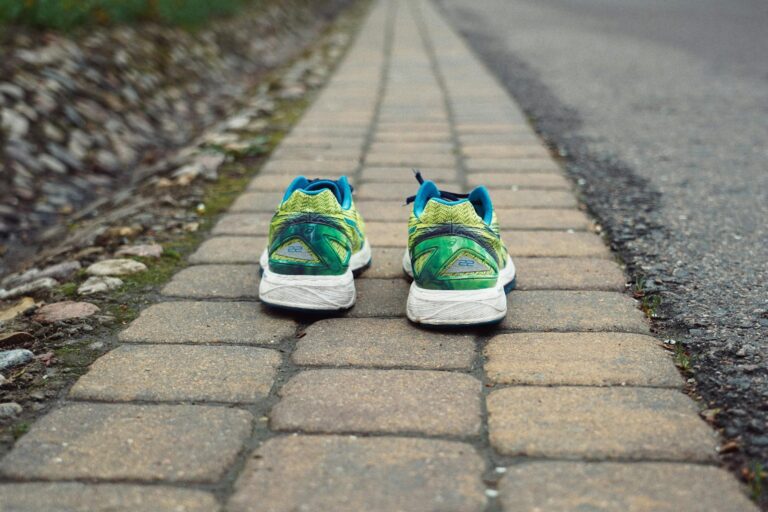
The shoe feel you love outside may be the one you hate indoors, and this disconnect catches countless runners off guard when they transition between...

Understanding why treadmill runs punish heel strikers differently than road runs requires examining the fundamental physics of how your foot interacts...
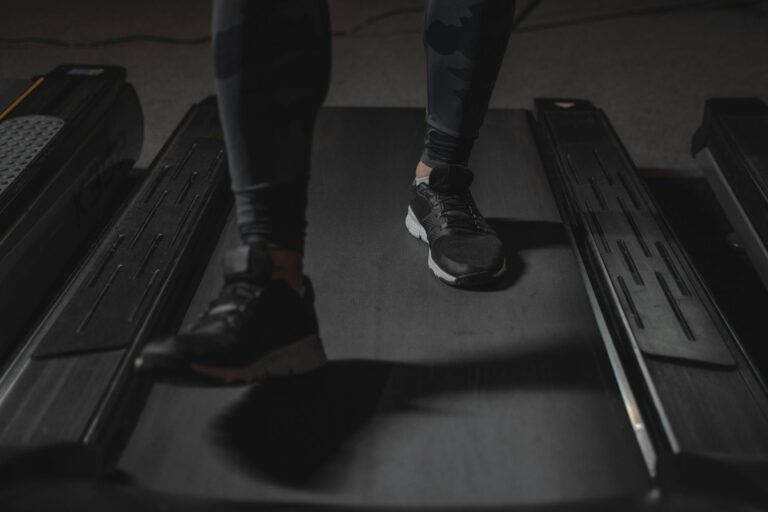
The hidden difference between treadmill and outdoor shoe wear represents one of the most overlooked aspects of running footwear management, yet...

The cushion that works outdoors can feel wrong indoors, and this disconnect catches many runners off guard when they transition between training...

Understanding why grip matters less outside but more than you think on a treadmill fundamentally changes how runners approach these two distinct training...
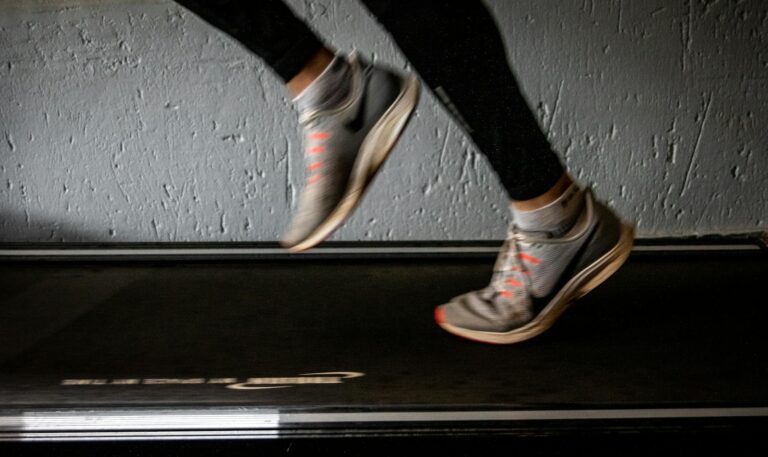
The debate between road shoes and treadmill shoes becomes genuinely consequential once your runs extend beyond the 5-mile threshold, where small...
Belt speed fundamentally changes the way running shoes perform indoors, creating a mechanical environment that differs significantly from outdoor running...
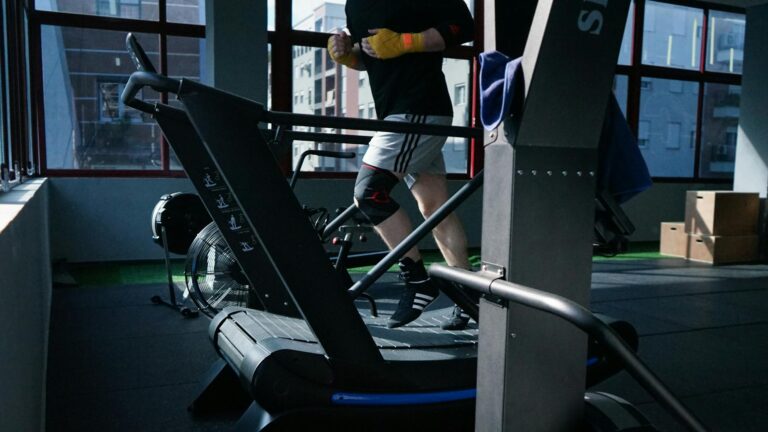
Treadmill running exposes shoe flaws you never notice outside, revealing hidden deficiencies in cushioning, stability, and fit that outdoor terrain and...