Altitude and Its Impact on Ski Intensity Minutes
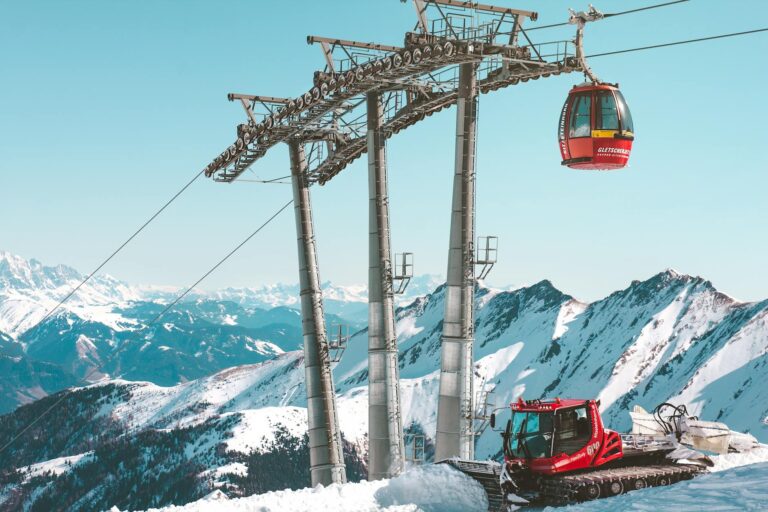
Altitude significantly inflates ski intensity minutes tracked by wearables, often by 15 to 30 percent compared to the same activity at sea level.

Altitude significantly inflates ski intensity minutes tracked by wearables, often by 15 to 30 percent compared to the same activity at sea level.

Fatigue builds faster on ski days primarily because you're exercising at altitude while simultaneously battling cold temperatures, wearing heavy...

Skiing delivers one of the most demanding core workouts available in any sport, and most skiers never realize it because they attribute their post-ski...

Small adjustments to your running form can dramatically increase workout intensity without adding miles or minutes to your training.
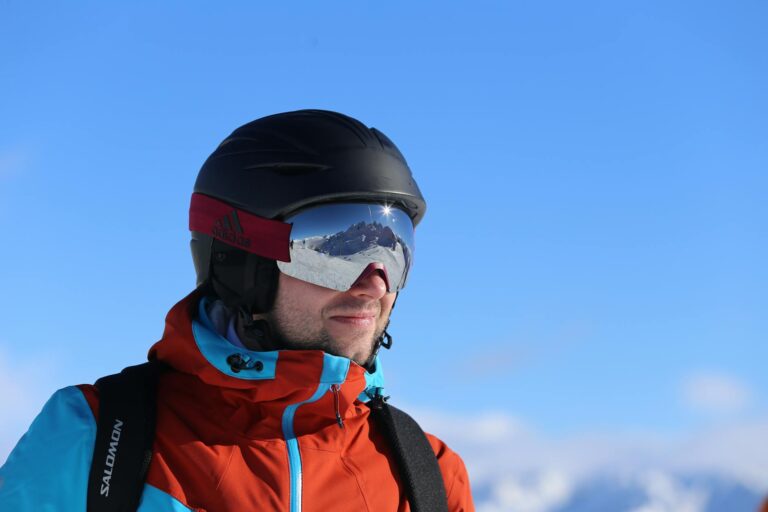
For most recreational skiers, approximately two to three full days of downhill skiing per week will meet or exceed the 150 intensity minutes recommended...

The secret to conquering mountain terrain without breaking down lies in strategic rest intervals that match the intensity you're accumulating with every...
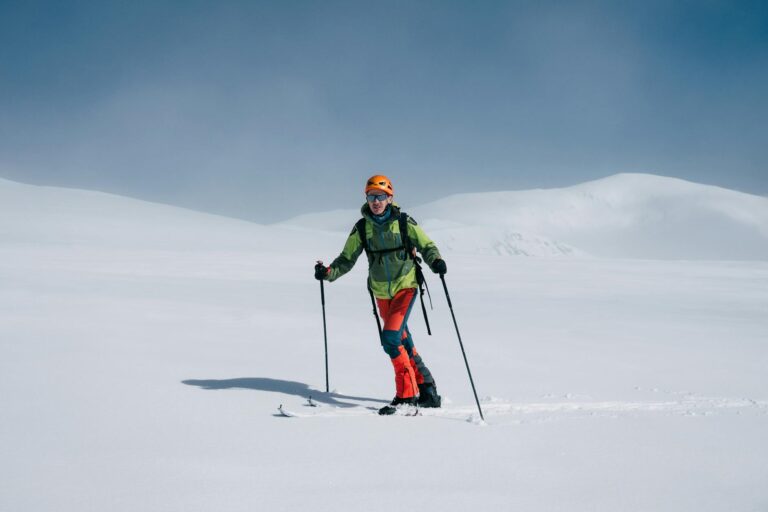
Skiing solo consistently delivers higher cardiovascular intensity than skiing with friends, often by a margin of 20 to 35 percent when measured by heart...

Terrain changes spike your intensity minutes because your body must work significantly harder to maintain pace when running uphill, on soft surfaces, or...

Skiing feels fun at high intensity because the activity disguises exhaustion through constant novelty, environmental stimulation, and the brain's response...

Downhill skiing produces a distinctive heart rate pattern characterized by sustained elevation at 60-85% of maximum heart rate, punctuated by dramatic...