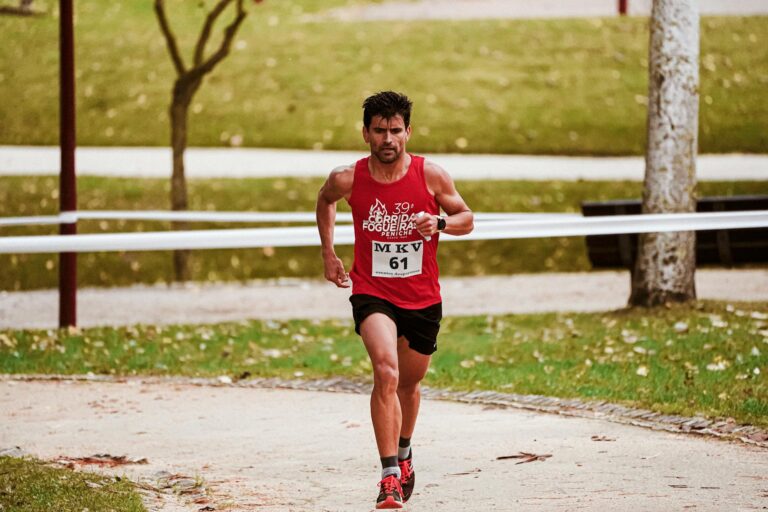
The best cardio exercises for supporting joint mobility are low-impact activities that move joints through their full range of motion without excessive loading””swimming, cycling, elliptical training, rowing, and water aerobics lead this category. These exercises elevate heart rate and build cardiovascular endurance while simultaneously lubricating joints with synovial fluid, strengthening the muscles that stabilize joints, and maintaining or improving flexibility. A runner recovering from knee issues, for instance, might switch to cycling three days per week and find that their knee tracks better and feels less stiff during subsequent runs because the pedaling motion strengthens the quadriceps and hamstrings without the repetitive impact of foot strikes.
This distinction matters because not all cardio treats joints equally. High-impact activities like running and jumping rope deliver cardiovascular benefits but also subject joints to forces several times body weight with each landing. For people with existing joint concerns, those recovering from injury, or anyone looking to balance their training load, choosing joint-supportive cardio isn’t about avoiding challenge””it’s about training smarter. This article covers why certain exercises benefit joint health, how to select the right activities for your situation, programming considerations, common mistakes, and how to progress without compromising joint integrity.
Table of Contents
- Why Do Some Cardio Exercises Benefit Joint Mobility More Than Others?
- Swimming and Water-Based Cardio for Joint Health
- Cycling as a Joint-Mobility Tool
- Elliptical Training and Its Role in Protecting Joints
- Rowing for Comprehensive Joint Movement
- Programming Joint-Friendly Cardio Into Your Training
- Common Mistakes When Using Cardio for Joint Mobility
- The Role of Dynamic Warm-Ups in Joint Mobility
- Future Considerations for Joint-Supportive Training
- Conclusion
Why Do Some Cardio Exercises Benefit Joint Mobility More Than Others?
Joint mobility depends on several factors: the viscosity and production of synovial fluid (the lubricant inside joints), the strength and flexibility of surrounding muscles, the integrity of cartilage, and the pliability of connective tissues like tendons and ligaments. exercises that move joints through controlled ranges of motion stimulate synovial fluid production and distribution, essentially feeding the cartilage that lacks direct blood supply. Activities performed in reduced-gravity environments””like swimming or water exercise””allow joints to move freely without compression, enabling fuller range of motion than weight-bearing alternatives. The key differentiator is loading pattern. Swimming subjects shoulders, hips, knees, and ankles to rhythmic movement with minimal compressive force, allowing the joints to articulate smoothly while building the muscular strength that provides joint stability. Compare this to running, where each footstrike generates impact forces of 2-3 times body weight through the ankles, knees, and hips.
Both activities improve cardiovascular fitness, but their effects on joint structures diverge significantly. Cycling represents a middle ground””weight-bearing on the pelvis but with the knees and ankles moving through controlled arcs without impact. However, low-impact doesn’t automatically mean joint-friendly. Poor form on an elliptical trainer can strain knees. An improperly fitted bicycle creates repetitive stress on knees and hips. Swimming with flawed technique loads shoulders asymmetrically. The exercise itself provides the framework, but execution determines outcomes.
Swimming and Water-Based Cardio for Joint Health
Water exercise stands alone as the most joint-protective cardio option available. Buoyancy reduces effective body weight by up to 90 percent in chest-deep water, allowing joints to move through ranges that might be painful or impossible on land. Simultaneously, water provides 12 to 14 times the resistance of air, so muscles work hard even as joints are spared. This combination makes pool-based cardio valuable for people with arthritis, those in post-surgical rehabilitation, and athletes seeking active recovery. Lap swimming offers the most significant cardiovascular challenge, with freestyle and backstroke being gentler on joints than butterfly or breaststroke.
The breaststroke kick, in particular, places considerable rotational stress on knees and should be avoided by anyone with medial knee issues. Water aerobics and aqua jogging provide alternatives for non-swimmers, delivering comparable joint benefits with lower skill requirements. Deep-water running””jogging in the deep end with a flotation belt””mimics running mechanics with zero impact and has been used successfully by elite runners maintaining fitness through injuries. The limitation is practical: pool access. Gym memberships with pool facilities cost more than basic memberships, public pools have limited hours, and travel or schedule constraints often make consistent water exercise difficult. For those who can manage the logistics, two pool sessions per week alongside land-based training creates a balanced approach that builds fitness while protecting joints.
Cycling as a Joint-Mobility Tool
Cycling””whether outdoors, on a stationary bike, or using a spin bike””offers a compelling blend of cardiovascular intensity and joint preservation. The circular pedaling motion moves hips and knees through consistent ranges without impact, and because body weight rests primarily on the saddle, lower extremity joints experience loading without the shock of ground contact. Many orthopedic surgeons recommend cycling as part of rehabilitation protocols for knee replacements, ACL reconstructions, and hip procedures precisely because it rebuilds strength and range of motion simultaneously. A key example: someone with early-stage knee osteoarthritis might find running increasingly uncomfortable as cartilage thins, but the same individual often tolerates cycling well because the knee joint is loaded axially (through the line of the leg) rather than with the shearing forces that occur during running’s heel strikes.
The quadriceps and hamstrings strengthen through the pedaling motion, and stronger muscles absorb forces that would otherwise transfer to joint surfaces. However, if the bike isn’t properly fitted, cycling creates problems rather than solving them. A saddle too low forces excessive knee flexion at the bottom of each pedal stroke; a saddle too high causes the hips to rock and strains the lower back. Cleats positioned incorrectly force the knee to track inward or outward unnaturally through thousands of repetitions per ride. Before committing to cycling as a joint-mobility strategy, invest in a professional bike fit or, at minimum, follow established setup guidelines matching saddle height, fore-aft position, and handlebar reach to your anatomy.
Elliptical Training and Its Role in Protecting Joints
Elliptical machines occupy a unique position in the cardio landscape””they simulate a running motion while eliminating ground impact entirely. The foot stays in continuous contact with the pedal, gliding through an oval path that moves the hip, knee, and ankle through ranges similar to running or walking without the jarring deceleration of each footstrike. For runners who love the sport but need to reduce impact exposure, elliptical training provides a psychological bridge that cycling and swimming cannot. Studies comparing elliptical training to treadmill running show similar cardiovascular and metabolic responses at matched effort levels, meaning fitness adaptations transfer reasonably well between modalities. The elliptical also permits backward pedaling, which emphasizes different muscle groups (particularly the glutes and hamstrings) and can address strength imbalances that contribute to joint problems.
Adding arm lever engagement turns it into a total-body exercise while increasing caloric expenditure. The tradeoff involves bone density and sport-specific adaptation. Impact loading””the very thing the elliptical eliminates””stimulates bone remodeling and increases bone density. Athletes relying exclusively on elliptical training miss this stimulus. Additionally, the fixed movement path of most elliptical machines doesn’t develop the balance, proprioception, and stabilizer muscle engagement that free movement on varied terrain provides. The elliptical works best as one component of a varied program rather than an exclusive cardio solution.
Rowing for Comprehensive Joint Movement
Rowing machines challenge the cardiovascular system while engaging nearly every major joint in a coordinated, rhythmic pattern. The rowing stroke begins with ankle dorsiflexion, moves through knee and hip extension, incorporates trunk rotation and lumbar hinging, and finishes with elbow flexion and shoulder extension. This full-body integration mobilizes multiple joints simultaneously while building the posterior chain strength””hamstrings, glutes, back extensors””that many people lack from sitting-dominant lifestyles. Because the rower seat glides on a rail and feet remain fixed in the stirrups, there’s no impact. Resistance comes from air, water, or magnetic systems that provide smooth, adjustable loading.
This makes rowing accessible to people who find cycling uncomfortable on the pelvis or who lack the shoulder mobility for comfortable swimming. However, rowing demands proper form to deliver joint benefits rather than joint stress. Improper sequencing””pulling with the arms before the legs drive finishes, or hyperextending the back at the finish position””places excessive strain on the lumbar spine and shoulders. The learning curve is steeper than for cycling or elliptical use. Beginners should prioritize technique over intensity, ideally with coaching or careful video self-analysis, before pushing into high-effort intervals. Once form is established, rowing becomes an exceptional option for simultaneous cardiovascular conditioning and joint mobility work.

Programming Joint-Friendly Cardio Into Your Training
Integrating low-impact cardio into a running-focused program requires strategic planning rather than random substitution. The goal is to accumulate cardiovascular training volume that your aerobic system can absorb without exceeding the impact threshold your joints can tolerate. This balance varies individually based on training history, body weight, joint health status, and recovery capacity. A practical approach for runners is the “80/20” split applied not just to intensity but to impact. If you’re logging five cardio sessions weekly, consider making one or two of them non-impact alternatives””swimming, cycling, or elliptical””while maintaining three quality running sessions.
This delivers similar cardiovascular stimulus while reducing cumulative joint loading by 20-40 percent. Elite marathoners have used pool running and cycling for decades to add training volume without added impact; recreational runners can apply the same principle. The comparison between substitution strategies matters. Replacing an easy recovery run with cycling maintains training continuity without impact, but replacing a tempo run or interval session with cycling changes the training stimulus because cycling and running load muscles differently and develop sport-specific fitness differently. For runners, impact-free cross-training works best as volume addition or easy-day substitution, while key running workouts remain on foot to preserve sport-specific adaptation.
Common Mistakes When Using Cardio for Joint Mobility
The most frequent error is assuming that low-impact means low-risk. An elliptical session performed with excessive resistance, poor posture, and bouncing mechanics can strain knees and hips despite the impact-free environment. Cycling at very high cadences without adequate warm-up can irritate patellar tendons. Swimming with inflexible ankles creates compensatory stress elsewhere in the kinetic chain. The exercise choice provides a foundation, but execution must match the intent. Another common mistake is abrupt, complete switches from running to impact-free alternatives when joint problems emerge. While reducing impact makes sense, sudden changes in movement patterns can create new issues.
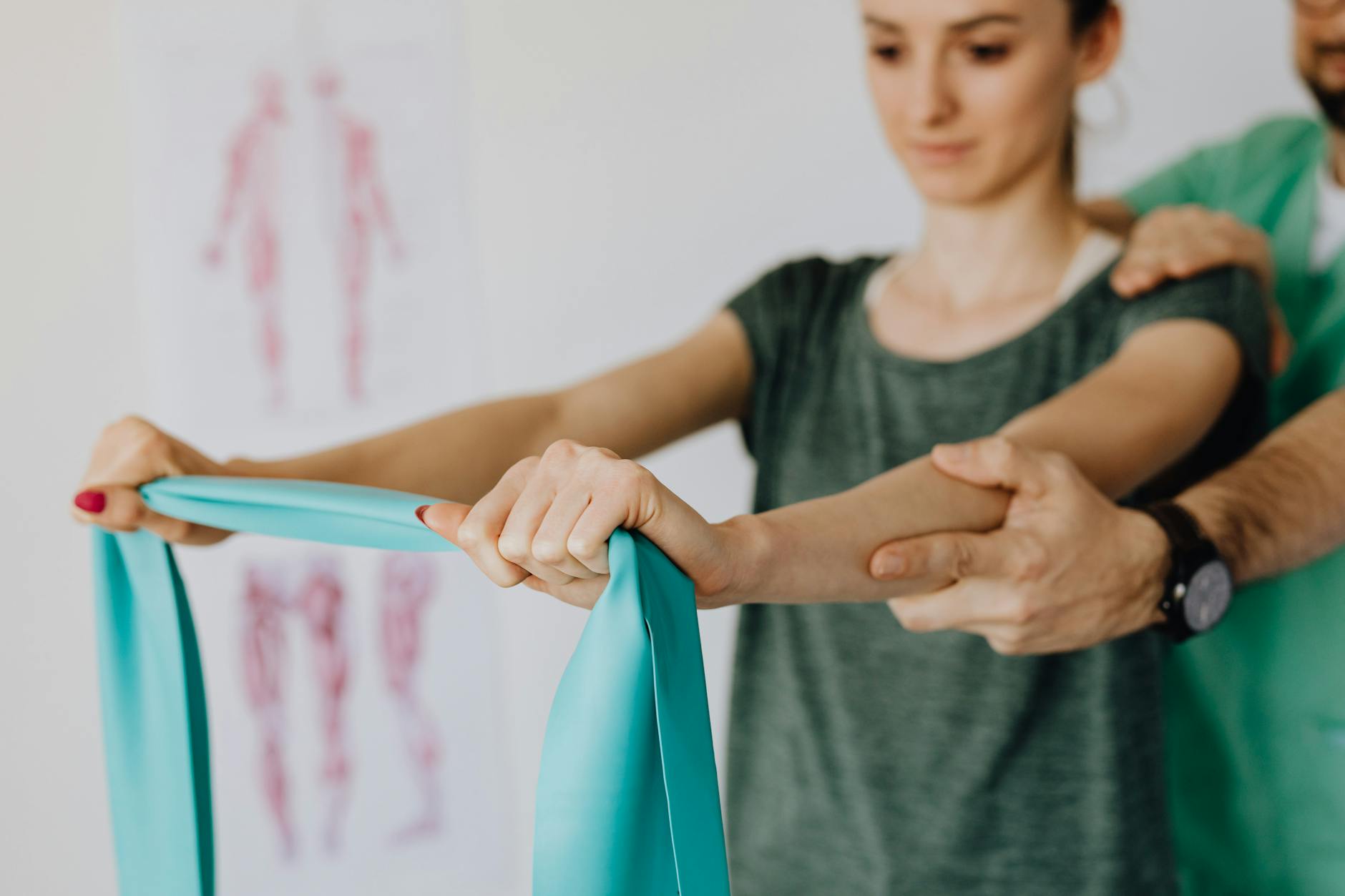
The muscles used in cycling differ from those used in running; the shoulder-dominant nature of swimming loads structures that may be untrained. Gradual transitions””adding one cross-training session weekly while reducing running proportionally””allow tissues to adapt to new demands. A warning for those with specific conditions: not all joints benefit equally from all exercises. Cycling loads the patellofemoral joint (kneecap tracking along the thighbone) substantially, which can aggravate certain types of knee pain even though it helps others. Swimming freestyle requires significant shoulder range of motion that people with rotator cuff issues may lack. Individual anatomy and pathology determine which joint-friendly options actually are friendly for you. When dealing with diagnosed joint conditions, clearance from a sports medicine professional clarifies which activities support your particular situation.
The Role of Dynamic Warm-Ups in Joint Mobility
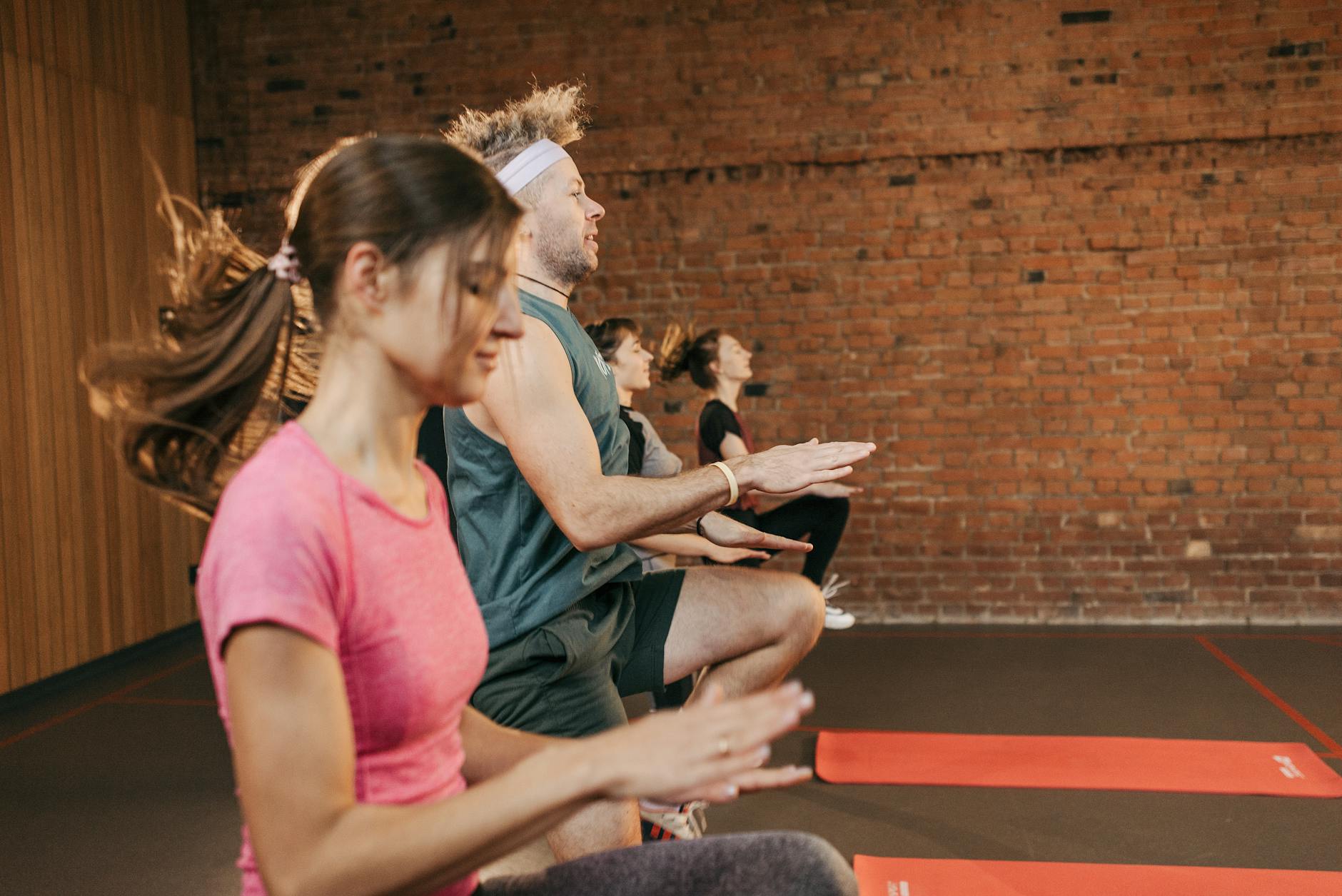
While steady-state cardio provides ongoing joint benefits, the warm-up period offers a targeted opportunity to enhance joint mobility before demanding activity begins. Dynamic warm-ups””controlled movements that progressively increase joint range of motion and muscle activation””prepare the body for exercise more effectively than static stretching and complement the mobility benefits of the subsequent cardio session. For a running or cardio session aimed at joint health, a dynamic warm-up might include leg swings (forward-back and side-to-side), hip circles, walking lunges with rotation, high knees, and butt kicks.
These movements deliver synovial fluid to joint surfaces, increase tissue temperature for better elasticity, and activate stabilizing muscles. A runner heading out for an easy jog after five minutes of dynamic mobility work often experiences less initial stiffness and better mechanics throughout compared to someone who starts cold. This preparation doesn’t replace the cardio itself but amplifies its joint-supporting effects by ensuring each session begins with joints ready to move.
Future Considerations for Joint-Supportive Training
The exercise equipment industry continues developing machines and modalities that reduce impact while increasing training effectiveness. Anti-gravity treadmills””using air pressure to reduce effective body weight””now exist in rehabilitation facilities and some high-end gyms, allowing running mechanics with fractional loading. Smart trainers for cycling provide controlled resistance curves that minimize peak joint stress while maximizing training stimulus.
As these technologies become more accessible, options for joint-supportive cardio will expand. Beyond equipment, the growing understanding of periodization suggests that alternating periods of higher and lower impact training””regardless of current joint health status””may be protective over a lifetime of activity. Runners who incorporate cycling seasons, swimmers who cross-train through running phases, and multisport athletes who vary their loading patterns may accumulate less total joint wear than single-sport specialists. Proactive joint protection, rather than reactive modification after problems emerge, represents the emerging perspective in training for longevity.
Conclusion
Joint-supportive cardio exercises””swimming, cycling, elliptical training, rowing, and water aerobics””build cardiovascular fitness while moving joints through healthy ranges of motion without impact-related stress. These activities stimulate synovial fluid production, strengthen surrounding muscles, and maintain flexibility, all of which contribute to long-term joint function. For runners, integrating these modalities reduces cumulative impact loading while preserving training volume and aerobic development.
The practical path forward involves selecting one or two joint-friendly alternatives that match your access, preferences, and current joint status, then incorporating them strategically into your existing training. Start with proper setup and form””a fitted bike, correct elliptical posture, sound rowing technique””to ensure the exercise delivers its intended benefits. Pay attention to how your joints respond, adjust as needed, and view joint-supportive cardio not as a limitation but as an expansion of your training options that supports sustained activity across years and decades.