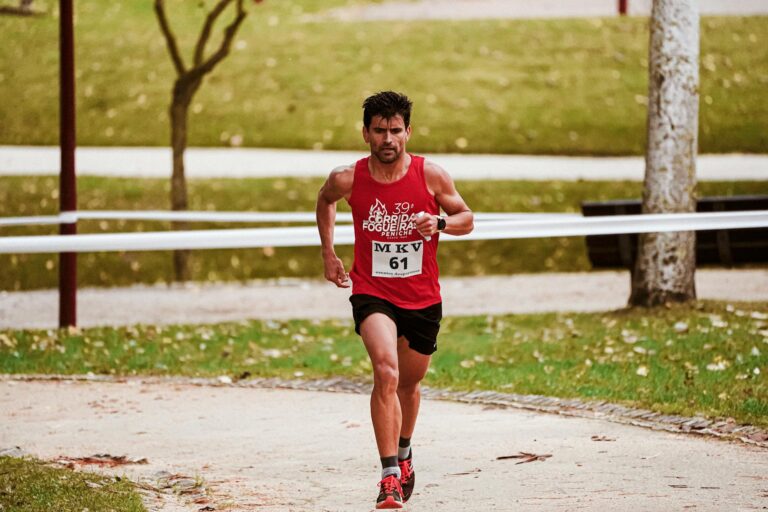
Regular cardiovascular exercise is one of the most effective non-pharmaceutical interventions for controlling blood pressure in seniors, with consistent aerobic activity capable of reducing systolic blood pressure by 5 to 8 mmHg on average. For older adults managing hypertension, this reduction can be the difference between needing additional medication and maintaining healthy readings through lifestyle alone. Walking, swimming, cycling, and light jogging all qualify as beneficial activities, but the key lies in consistency rather than intensity””a 65-year-old who walks briskly for 30 minutes five days per week will typically see better blood pressure outcomes than someone who exercises intensely but sporadically.
Consider the case of a sedentary 70-year-old with stage 1 hypertension (systolic readings between 130-139 mmHg). After eight weeks of regular moderate walking, studies show this individual could reasonably expect their systolic pressure to drop into the normal range without any medication adjustment. The cardiovascular system adapts to regular aerobic demands by improving arterial flexibility, reducing peripheral resistance, and enhancing the heart’s pumping efficiency. This article covers how seniors can safely begin a cardio program for blood pressure management, which exercises provide the greatest benefit, important precautions to observe, and what to expect during the adaptation period.
Table of Contents
- How Does Cardiovascular Exercise Lower Blood Pressure in Older Adults?
- Best Types of Cardio Exercise for Senior Blood Pressure Management
- Starting a Safe Cardio Program: Guidelines for Seniors with Hypertension
- Frequency, Duration, and Intensity: What the Research Recommends
- Potential Risks and Warning Signs During Exercise
- The Role of Resistance Training Alongside Cardio
- Long-Term Outlook: Sustaining Blood Pressure Benefits Through Consistent Activity
- Conclusion
How Does Cardiovascular Exercise Lower Blood Pressure in Older Adults?
The mechanism behind exercise-induced blood pressure reduction involves several physiological adaptations that occur over weeks and months of consistent training. When seniors engage in regular aerobic activity, their blood vessels become more elastic and responsive, a process called improved endothelial function. The endothelium””the thin layer of cells lining blood vessels””releases more nitric oxide during and after exercise, causing vessels to dilate more readily and reducing the resistance blood encounters as it flows through the circulatory system. Beyond vascular changes, regular cardio exercise reduces activity in the sympathetic nervous system, which controls the “fight or flight” response. In sedentary individuals, this system often remains chronically elevated, keeping blood pressure higher than necessary.
Exercise training essentially recalibrates this response, lowering resting heart rate and reducing the amount of stress hormones circulating in the bloodstream. A comparison between medication and exercise is instructive: while a single blood pressure medication typically reduces systolic pressure by 9 to 10 mmHg, regular exercise achieves roughly half that reduction while simultaneously improving cholesterol profiles, blood sugar regulation, and mental health””benefits no single pill can replicate. However, the blood pressure response to exercise varies significantly among individuals. Seniors with resistant hypertension””blood pressure that remains elevated despite three or more medications””may see more modest improvements from exercise alone. Additionally, those with underlying conditions like chronic kidney disease may require closer monitoring, as their cardiovascular systems respond differently to physical stress.
- —

Best Types of Cardio Exercise for Senior Blood Pressure Management
Aerobic exercises that engage large muscle groups rhythmically and continuously offer the greatest blood pressure benefits. Walking remains the gold standard for seniors beginning an exercise program because it requires no special equipment, can be performed almost anywhere, and allows precise control over intensity. Pool-based exercises deserve special mention: water walking and swimming reduce joint stress while providing natural resistance, making them ideal for seniors with arthritis or mobility limitations. Studies comparing land-based and aquatic exercise show similar blood pressure reductions, but aquatic exercise participants report higher adherence rates due to reduced discomfort. Cycling, whether on a stationary bike or outdoors, provides another excellent option with minimal impact on aging joints.
Recumbent bikes offer additional back support and may feel more accessible to seniors concerned about balance. For those seeking variety, dance-based fitness classes designed for older adults combine social interaction with cardiovascular benefit””research suggests the cognitive engagement required for following dance steps may provide additional neurological benefits beyond pure cardio work. One important limitation: high-intensity interval training (HIIT), while popular in general fitness circles, requires caution for seniors with uncontrolled hypertension. The sharp spikes in blood pressure during intense intervals can be dangerous for those with systolic readings above 180 mmHg. Seniors should establish a baseline of moderate-intensity exercise and achieve reasonable blood pressure control before attempting any high-intensity protocols, and only with physician clearance.
- —
Starting a Safe Cardio Program: Guidelines for Seniors with Hypertension
Medical clearance represents the essential first step for any senior with high blood pressure considering a new exercise program. This evaluation should include a resting electrocardiogram for those over 65 and a discussion of current medications, particularly beta-blockers, which affect heart rate response to exercise. A 68-year-old woman in Ohio learned this lesson when she began an ambitious walking program without adjusting her medication timing””she experienced dizziness and near-fainting episodes because her beta-blocker combined with exercise dropped her blood pressure too low. After consulting her physician and shifting her medication schedule, she was able to exercise safely. The recommended starting point for previously sedentary seniors involves just 10 to 15 minutes of continuous low-intensity movement, gradually building toward the goal of 150 minutes per week of moderate activity.
“Moderate intensity” means being slightly breathless but still able to hold a conversation””roughly 50 to 70 percent of maximum heart rate. For a 70-year-old, this translates to a target heart rate zone of approximately 75 to 105 beats per minute. Wearable heart rate monitors have made tracking this metric far more accessible than in previous decades. Warm-up and cool-down periods take on extra importance for seniors with blood pressure concerns. Abrupt starts and stops can cause dangerous blood pressure fluctuations, so spending five to ten minutes gradually increasing and decreasing intensity protects against both cardiac events and orthostatic hypotension””the sudden blood pressure drop that can occur when transitioning from exercise to rest.
- —

Frequency, Duration, and Intensity: What the Research Recommends
Current guidelines from the American Heart Association recommend that adults, including seniors, accumulate at least 150 minutes of moderate-intensity aerobic activity per week for cardiovascular health and blood pressure management. This breaks down practically to 30 minutes on five days, though research suggests that spreading activity throughout the day””three 10-minute walks instead of one 30-minute session””produces similar blood pressure benefits while potentially improving adherence. The tradeoff between frequency and duration presents an interesting optimization problem. A landmark study comparing daily 20-minute walks to three weekly 40-minute walks found that both groups achieved similar blood pressure reductions after three months, but the daily walkers maintained their improvements better during a six-month follow-up period. The physiological explanation involves the acute blood pressure reduction that occurs after each exercise session, called post-exercise hypotension, which can last 12 to 24 hours.
More frequent exercise sessions mean more time spent in this beneficial post-exercise state. Intensity offers another variable to consider. While moderate activity produces reliable benefits, some research indicates that slightly higher intensity work””approaching 70 to 80 percent of maximum heart rate””may provide additional improvements for seniors who have established a fitness base. However, this must be balanced against increased injury risk and the possibility of discouraging consistent exercise. For blood pressure management specifically, consistency trumps intensity every time.
- —
Potential Risks and Warning Signs During Exercise
Despite its benefits, cardiovascular exercise carries inherent risks for seniors with hypertension, and recognizing warning signs can prevent serious cardiac events. Exercise should be stopped immediately and medical attention sought if a senior experiences chest pain or pressure, unusual shortness of breath, dizziness or lightheadedness, irregular heartbeat, or pain radiating to the jaw, arm, or back. These symptoms can indicate inadequate blood flow to the heart muscle, especially in individuals with underlying coronary artery disease that may not have been previously diagnosed. Blood pressure medications create specific exercise considerations that many seniors overlook. Diuretics, commonly prescribed for hypertension, increase fluid loss and raise dehydration risk during exercise””seniors on these medications need to hydrate more carefully and may need to exercise during cooler parts of the day.
Calcium channel blockers and ACE inhibitors can cause excessive blood pressure drops during exercise, particularly in hot environments. Alpha-blockers specifically increase the risk of orthostatic hypotension during cool-down periods. A critical warning applies to seniors who experience blood pressure readings above 180/120 mmHg: exercise should be postponed until readings stabilize at safer levels. This threshold represents hypertensive crisis territory, where additional cardiovascular stress could trigger stroke or heart attack. Similarly, seniors who have been sedentary and discover very high blood pressure readings should not attempt to “exercise away” the problem””medication intervention may be necessary before physical activity becomes safe.
- —

The Role of Resistance Training Alongside Cardio
While aerobic exercise receives most attention for blood pressure management, emerging research indicates that moderate resistance training provides complementary benefits for seniors. The previous concern that lifting weights dangerously elevates blood pressure has been largely debunked for appropriate resistance levels””light to moderate resistance training actually improves blood pressure over time through mechanisms distinct from aerobic exercise. Resistance work enhances muscular blood flow capacity and improves the heart’s ability to fill with blood between beats, particularly beneficial for the stiffening hearts common in older adults.
A practical example: a 72-year-old man who added twice-weekly resistance band exercises to his walking routine saw his diastolic pressure (the bottom number) drop an additional 3 mmHg over three months, improving his overall cardiovascular profile. However, seniors should avoid breath-holding during resistance exercises, as the Valsalva maneuver causes significant acute blood pressure spikes. Exhaling during exertion prevents this problem.
- —
Long-Term Outlook: Sustaining Blood Pressure Benefits Through Consistent Activity
The blood pressure benefits from cardiovascular exercise are not permanent deposits””they require ongoing activity to maintain. Research tracking seniors who achieved blood pressure improvements through exercise found that readings began rising within two weeks of stopping exercise and returned to pre-exercise levels within one to two months of complete inactivity. This underscores why finding enjoyable, sustainable activities matters more than pursuing optimal but unpleasant exercise protocols.
Looking forward, the integration of technology into senior fitness offers promising developments for blood pressure management. Continuous blood pressure monitors, similar to continuous glucose monitors for diabetics, are entering the market and will allow seniors to see real-time relationships between their activity and their readings. This feedback loop may help motivate consistent exercise by making the benefits tangible and immediate rather than abstract and delayed. For seniors currently managing hypertension through lifestyle modification, the future likely holds increasingly personalized exercise prescriptions based on individual physiological responses.
- —
Conclusion
Cardiovascular exercise represents a powerful tool for blood pressure management in seniors, capable of reducing systolic readings by 5 to 8 mmHg through improved vascular function, reduced sympathetic nervous system activity, and enhanced overall cardiovascular efficiency. The most effective approach prioritizes consistency over intensity, with daily or near-daily moderate activity producing better long-term outcomes than sporadic vigorous exercise. Walking, swimming, cycling, and other aerobic activities all provide benefits when performed regularly, and adding light resistance training can offer complementary improvements.
Success requires medical clearance, gradual progression, attention to warning signs, and awareness of how blood pressure medications affect exercise response. Seniors should aim for 150 minutes of moderate activity weekly, distributed across most days, with proper warm-up and cool-down periods to prevent dangerous blood pressure fluctuations. Perhaps most importantly, the benefits require ongoing maintenance””there is no “cure” that allows a return to sedentary living. The seniors who achieve lasting blood pressure control through exercise are those who find activities they genuinely enjoy and can sustain indefinitely.