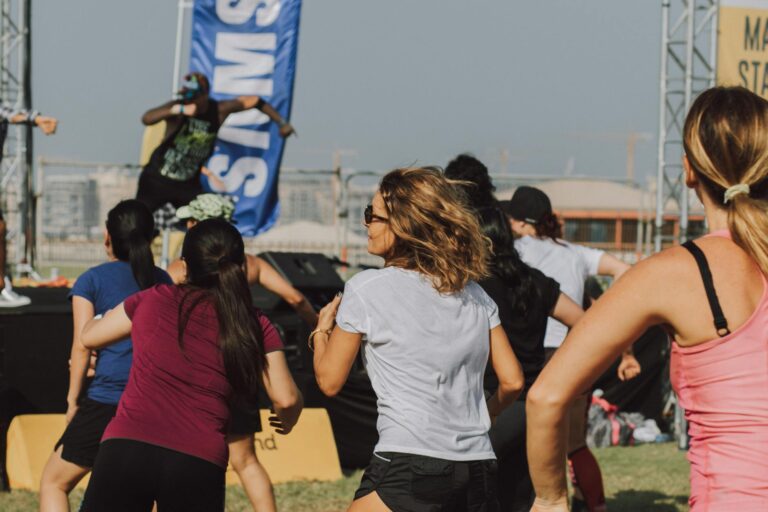
A vigorous Zumba dance fitness session burns roughly 400 to 600 calories per hour for most adults, placing it among the higher calorie-burning group exercise formats available at gyms and studios today. A 155-pound person working at true vigorous intensity through a full 60-minute class can expect to burn approximately 500 calories, while someone closer to 185 pounds may push past 600. These figures rival steady-state jogging at a moderate pace and exceed many other popular group fitness classes, which is precisely why Zumba has earned a lasting spot in the cardio conversation despite being over two decades old. The actual number you burn depends on several compounding factors: your body weight, the specific choreography and music tempo your instructor selects, how much you commit to the full range of motion in each move, and your baseline fitness level.
A beginner who modifies half the moves and pauses between songs will land closer to 300 calories, while a seasoned participant who adds jumps, keeps arms overhead, and never stops moving can crack 700. This article breaks down the physiology behind those numbers, compares Zumba to other cardio options, explores how heart rate zones factor in, and offers practical strategies for maximizing your calorie expenditure without burning out. The goal here is not to sell you on Zumba as a miracle workout. It is to give you an honest, evidence-based look at what vigorous Zumba actually delivers from a calorie and cardiovascular standpoint, where it falls short, and how it fits into a broader fitness plan that might also include running, cycling, or other endurance work.
Table of Contents
- How Many Calories Does Vigorous Zumba Dance Fitness Actually Burn?
- Why Calorie Burn Varies So Widely in Zumba Dance Fitness
- Heart Rate Zones and What Makes Zumba Qualify as Vigorous Exercise
- How to Maximize Calorie Burn in Your Zumba Sessions
- Common Mistakes That Reduce Calorie Burn in Zumba
- Zumba Calorie Burn Compared to Other Popular Cardio Workouts
- The Future of Dance-Based Fitness and Calorie Tracking
- Conclusion
- Frequently Asked Questions
How Many Calories Does Vigorous Zumba Dance Fitness Actually Burn?
The most widely cited research on Zumba calorie expenditure comes from a 2012 study published in the Journal of Sports Science and Medicine, which found that participants burned an average of 9.5 calories per minute during a standard class. Over a 60-minute session, that translates to roughly 570 calories. A separate study from the American Council on Exercise measured an average of 369 calories during a 40-minute Zumba class, which scales to about 554 calories per hour. These numbers place Zumba in the same metabolic neighborhood as moderate-to-fast running, rowing, and high-intensity cycling, depending on effort level. The word “vigorous” matters enormously here. Zumba classes exist on a spectrum. A Zumba Gold session designed for older adults or beginners operates at a fundamentally different metabolic demand than a Zumba HIIT or Zumba Toning class loaded with plyometric jumps and weighted movements.
When researchers measure vigorous Zumba, they are typically looking at participants sustaining 70 to 85 percent of their maximum heart rate for the majority of the session. At that intensity, the calorie burn numbers climb meaningfully above what a casual participant experiences. For practical comparison, consider a 150-pound woman who jogs at 5.5 miles per hour for 60 minutes. She burns approximately 500 to 530 calories. That same woman in a vigorous Zumba class, fully engaged, will burn roughly the same amount. The difference is that the Zumba session incorporates lateral movement, rotational work, and upper body engagement that jogging does not, while jogging provides more consistent lower-body loading and bone density stimulus. Neither is categorically better. They stress the body differently.

Why Calorie Burn Varies So Widely in Zumba Dance Fitness
The 400-to-600 calorie range cited earlier is broad for a reason: individual variation in zumba is larger than in most forms of structured cardio. When you run on a treadmill at 6 miles per hour, your calorie expenditure is relatively predictable because the mechanical work is fixed. In Zumba, the work output depends on choices you make dozens of times per minute. Are you actually squatting low during the reggaeton track, or are you bobbing your knees slightly? Are your arms fully extended overhead during the cumbia sequence, or hanging at your sides? These micro-decisions compound across an hour. Body weight remains the single strongest predictor of calorie burn in any exercise, and Zumba is no exception. A 200-pound man performing the exact same choreography as a 130-pound woman will burn substantially more calories simply because moving a larger mass through space requires more energy.
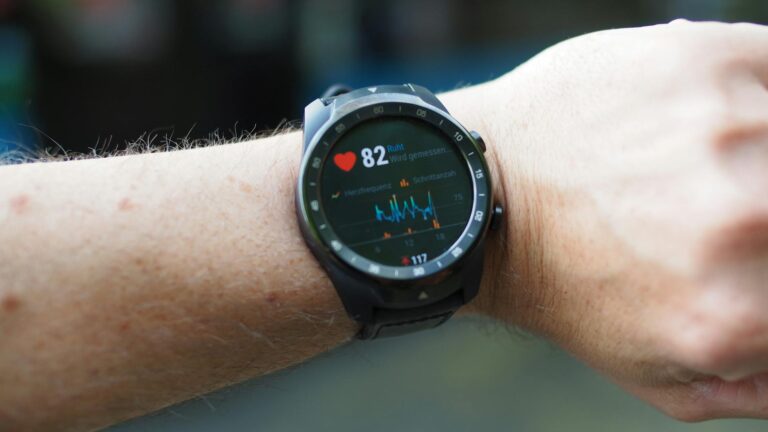
This is not a judgment on effort. It is physics. However, if that 130-pound woman has a lower fitness level and her heart rate sits at 88 percent of max while the heavier man cruises at 72 percent, the relative cardiovascular demand may actually be higher for her, even though the absolute calorie number is lower. One important limitation: most wearable fitness trackers overestimate Zumba calorie burn by 15 to 40 percent. Wrist-based optical heart rate monitors struggle with the constant arm movement in dance fitness, often misreading motion artifact as elevated heart rate. If your Apple Watch says you burned 800 calories in a Zumba class, the real number is more likely 550 to 650. A chest strap heart rate monitor will give you far more accurate data if precision matters to you.
Heart Rate Zones and What Makes Zumba Qualify as Vigorous Exercise
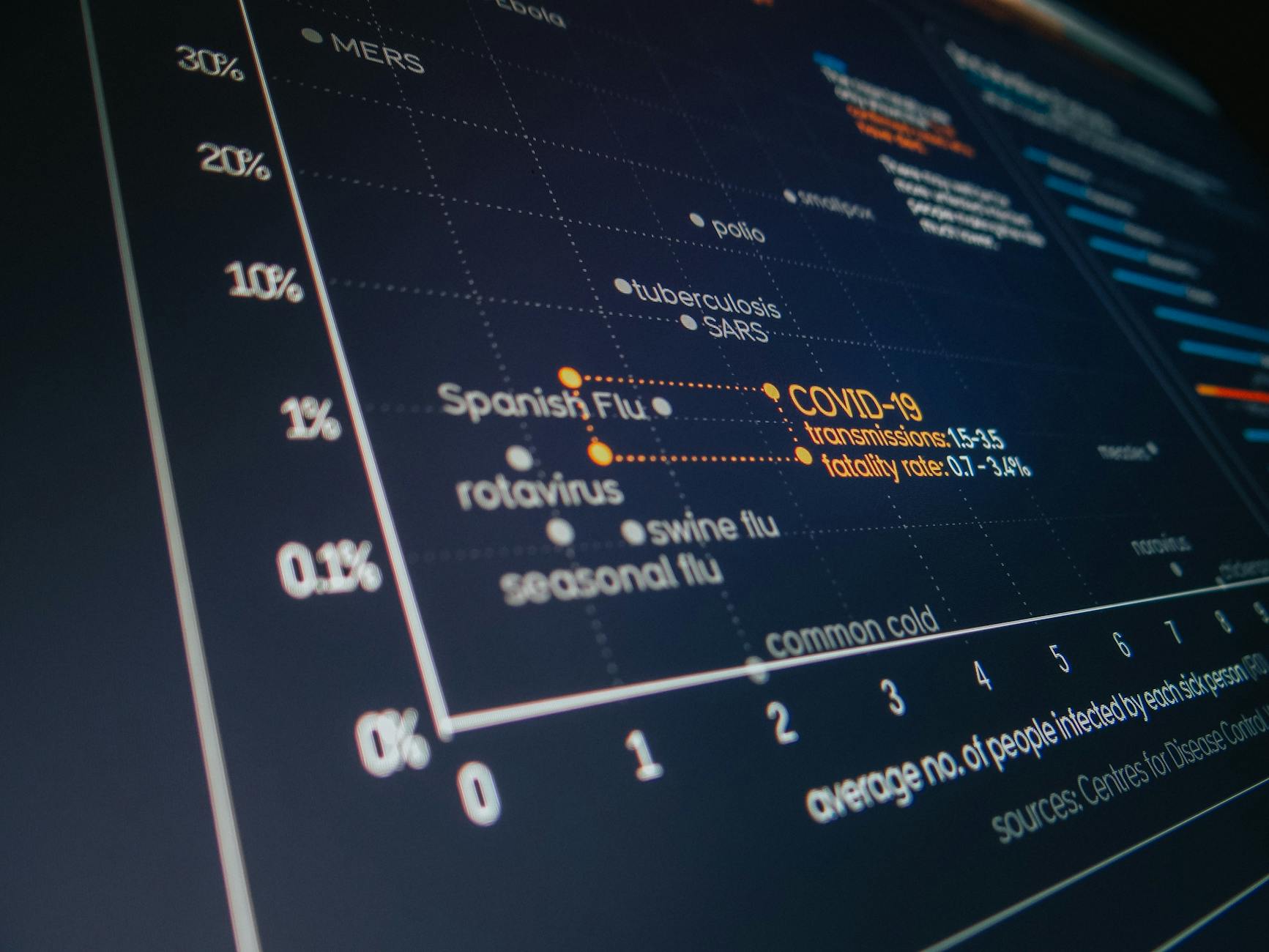
Vigorous exercise is formally defined as activity performed at 77 to 95 percent of maximum heart rate, or a rating of perceived exertion of 7 to 8 on a 10-point scale. At this intensity, you can speak only in short phrases and breathing is noticeably labored. Research on Zumba participants shows that a well-structured class naturally oscillates between moderate and vigorous zones, spending roughly 60 to 70 percent of total class time above the vigorous threshold during up-tempo songs and dipping into moderate recovery during slower tracks. This interval-like structure is actually one of Zumba’s cardiovascular advantages. A study from the Journal of Strength and Conditioning Research found that the undulating intensity pattern in Zumba produced higher post-exercise oxygen consumption compared to steady-state exercise at the same average heart rate.
In practical terms, this means you continue burning elevated calories for 30 to 60 minutes after class ends, a phenomenon often called the afterburn effect or excess post-exercise oxygen consumption. For a vigorous session, this afterburn may add an extra 50 to 80 calories beyond what you burn during the class itself. For a specific example, consider two participants wearing chest strap monitors in the same class. Participant A, a 40-year-old with a max heart rate of 180, spends 35 minutes above 139 beats per minute, which is the vigorous threshold. Participant B, a 30-year-old with a max heart rate of 190, spends only 20 minutes above 147 beats per minute because she paces herself through the more intense tracks. Participant A will burn significantly more total calories despite potentially being less “fit” on paper, because time spent in higher heart rate zones is the primary driver of energy expenditure.
How to Maximize Calorie Burn in Your Zumba Sessions
The simplest way to increase calorie expenditure in Zumba is to use the full range of motion for every movement. Deep squats instead of shallow knee bends. Arms fully extended instead of tucked. Jumping when the choreography calls for it instead of stepping. Research from the University of Wisconsin-La Crosse found that participants who were instructed to maximize their movement amplitude burned 25 percent more calories than those who performed the same choreography conservatively. That is the difference between 450 and 560 calories for a 150-pound person. Adding light wrist weights of one to two pounds can modestly increase calorie burn by 5 to 15 percent, but this comes with a meaningful tradeoff: increased stress on the shoulder joint and rotator cuff, especially during fast overhead movements.
If you have any history of shoulder impingement or tendinitis, wrist weights during Zumba are a poor choice. Ankle weights are generally discouraged because they alter movement mechanics and increase knee shear forces during lateral steps and pivots. A better option for increasing intensity without joint risk is wearing a weighted vest of 5 to 10 percent of your body weight, though this is uncommon in group class settings. The comparison worth making is between Zumba class selection and individual effort. Choosing a Zumba HIIT class over a standard Zumba class will raise the intensity floor for the entire session, since the choreography is designed with more plyometric and high-impact movements built in. But a highly motivated participant in a standard class who commits to maximum effort will often outburn a casual participant in a HIIT-formatted class. Instructor energy and music selection matter too. Faster BPM tracks, typically 140 to 160 beats per minute, demand faster footwork and produce higher heart rates than slower rhythms in the 100 to 120 BPM range.
Common Mistakes That Reduce Calorie Burn in Zumba
The most pervasive calorie-killing habit in Zumba is what instructors sometimes call “upper body only” dancing: participants move their arms enthusiastically but barely engage their legs. Since the large muscles of the glutes, quadriceps, and hamstrings are the primary engines of calorie expenditure, neglecting lower body effort can cut your burn by a third or more. If your thighs are not fatigued by the end of class, you almost certainly left significant calories on the table. Hydration breaks that turn into extended rest periods are another common issue. Sipping water during a brief transition between songs is fine. But stepping out of the movement for 30 to 60 seconds every 10 minutes can reduce your total active time from 55 minutes to 40 minutes, which drops calorie burn proportionally. Keep a water bottle at arm’s reach and drink during transitions without fully stopping your movement.
Even marching in place keeps your heart rate partially elevated. A less obvious limitation applies to experienced Zumba participants. As your body adapts to the choreography and movement patterns over weeks and months, the same routine demands less metabolic effort. This is the principle of progressive adaptation, and it works against calorie burn. If you have been attending the same instructor’s class for six months and the choreography rarely changes, your body has become efficient at those specific patterns. You will burn fewer calories doing the same work. The solution is either varying your instructors, seeking out different Zumba formats, or supplementing with other cardio modalities like running or cycling to challenge your cardiovascular system with different demands.
Zumba Calorie Burn Compared to Other Popular Cardio Workouts
Stacking Zumba against other cardio options reveals where it fits in the broader fitness hierarchy. For a 155-pound person exercising for 60 minutes, approximate calorie burns are: running at 6 mph burns about 590 calories, vigorous cycling burns about 520, swimming laps burns about 490, vigorous Zumba burns about 500, brisk walking burns about 300, and a standard yoga class burns about 240. Zumba sits comfortably in the upper-middle tier, ahead of most low-impact activities but behind high-intensity running and competitive rowing.
Where Zumba distinguishes itself is in adherence. A 2014 study in the Journal of Sports Science and Medicine found that participants were significantly more likely to maintain a Zumba routine over 12 weeks compared to a treadmill running program, largely because they reported higher enjoyment. The best calorie-burning workout is the one you actually do consistently, and Zumba’s social, music-driven format reduces the psychological friction that causes many people to abandon traditional cardio programs. A runner who dreads every session and skips two workouts per week will burn fewer weekly calories than a Zumba enthusiast who never misses a class.
The Future of Dance-Based Fitness and Calorie Tracking
Dance fitness is evolving beyond the traditional studio class model. Virtual Zumba classes, on-demand platforms, and AI-driven calorie estimation tools are changing how participants engage with and measure their workouts. Heart rate-based calorie tracking is becoming more accurate as wearable technology improves, with newer sensors using multi-wavelength photoplethysmography that handles motion artifact better than earlier generations.
Within the next few years, real-time calorie feedback during dance fitness will likely become standard rather than aspirational. The broader trend in exercise science is also shifting away from calorie burn as the sole metric of workout value. Zumba’s benefits in balance, coordination, cognitive function, and mental health are increasingly well-documented, and these outcomes matter for long-term health regardless of whether you hit a specific calorie number. For runners and endurance athletes reading this, Zumba serves as an effective cross-training tool that builds lateral movement capacity and hip mobility that straight-line running neglects, while still delivering a meaningful cardiovascular stimulus.
Conclusion
Vigorous Zumba dance fitness burns approximately 400 to 600 calories per hour for most adults, with the exact number driven primarily by body weight, effort level, and the specific class format. It sits alongside moderate running and cycling as a legitimate cardiovascular workout, with the added advantages of multi-directional movement, high adherence rates, and a training stimulus that complements rather than duplicates traditional endurance exercise. The key to reaching the upper end of the calorie range is genuine vigorous effort: deep lower body engagement, full arm extension, and minimal rest between songs.
If you are considering adding Zumba to your fitness routine, start by attending two to three classes to get comfortable with common movement patterns, then focus on increasing your intensity as the choreography becomes familiar. Wear a chest strap heart rate monitor for at least a few sessions to get honest calorie data rather than relying on wrist-based estimates. And if calorie burn is your primary goal, pair Zumba with one or two weekly running or cycling sessions to prevent the plateau effect that comes with doing any single activity exclusively.
Frequently Asked Questions
Is Zumba enough cardio on its own, or do I need to run too?
Two to three vigorous Zumba sessions per week can meet the CDC’s recommendation of 150 minutes of moderate or 75 minutes of vigorous aerobic activity. You do not need to run unless you have running-specific goals. However, combining both provides more complete cardiovascular conditioning because they challenge different energy systems and movement patterns.
How accurate is my fitness tracker’s calorie count during Zumba?
Wrist-based trackers typically overestimate Zumba calorie burn by 15 to 40 percent due to arm movement interfering with heart rate readings. A chest strap heart rate monitor paired with a calorie estimation app will give you numbers much closer to reality. If you only have a wrist tracker, discount the displayed calories by about 20 to 25 percent for a rough correction.
Will I burn more calories in Zumba as a beginner or as an experienced participant?
Beginners often burn more calories per session initially because the movements are unfamiliar and metabolically inefficient. As you become proficient, your body adapts and calorie burn decreases for the same routine. Experienced participants can counteract this by increasing effort intensity, trying different class formats, or rotating instructors.
How does Zumba compare to running for weight loss?
Calorie burn per hour is roughly comparable between vigorous Zumba and moderate-pace running. The real difference for weight loss is consistency. If you enjoy Zumba more and attend four classes a week versus forcing yourself to run twice, Zumba will produce better results. Weight loss ultimately depends on sustained caloric deficit, and the exercise you stick with wins.
Can I do Zumba every day?
You can, but daily vigorous Zumba increases overuse injury risk, particularly in the knees, hips, and ankles from repetitive lateral and rotational loading. Four to five sessions per week with rest or low-impact cross-training days is a more sustainable approach for long-term joint health.