Finding the best cardio exercises for aging adults requires understanding how the body changes with age and which activities deliver cardiovascular benefits while minimizing injury risk. As people move into their 50s, 60s, and beyond, maintaining heart health becomes increasingly critical. Cardiovascular disease remains the leading cause of death in adults over 65, yet regular aerobic exercise can reduce that risk by up to 35 percent according to research published in the Journal of the American Heart Association. The challenge lies in selecting activities that strengthen the heart and lungs without placing excessive strain on joints, bones, and connective tissues that may have accumulated decades of wear. Many older adults struggle with the transition from the high-impact activities of their youth to exercise routines that accommodate their changing bodies. Former runners wonder if they need to abandon the sport entirely. Sedentary individuals question whether starting an exercise program at 60 or 70 is even worthwhile.
Others face specific limitations from arthritis, previous injuries, or chronic conditions that make traditional cardio seem impossible. These concerns often lead to inactivity, which accelerates the very decline people hope to prevent. The cycle of reduced activity leading to reduced capacity creates a downward spiral that becomes harder to reverse with each passing year. This article provides a comprehensive guide to cardiovascular exercise for adults in their later decades. Readers will learn which specific exercises offer the greatest benefits with the lowest injury risk, how to modify activities based on individual limitations, and what intensity levels produce meaningful health improvements. The information covers everything from low-impact alternatives to traditional cardio to strength-cardio hybrid approaches that address multiple aspects of aging simultaneously. By the end, readers will have a clear framework for building a sustainable cardio routine that can extend healthspan and improve quality of life for years to come.
Table of Contents
- Why Do Aging Adults Need Different Cardio Exercises Than Younger People?
- Low-Impact Cardio Options That Protect Aging Joints
- Walking Programs for Cardiovascular Health in Older Adults
- Safe Cardio Intensity Guidelines for Adults Over 60
- Common Mistakes Aging Adults Make With Cardiovascular Exercise
- Combining Cardio With Strength Training for Maximum Benefit
- How to Prepare
- How to Apply This
- Expert Tips
- Conclusion
- Frequently Asked Questions
Why Do Aging Adults Need Different Cardio Exercises Than Younger People?
The physiological changes that occur with aging fundamentally alter how the body responds to cardiovascular exercise. Maximum heart rate declines by approximately one beat per minute for each year after age 20, meaning a 70-year-old has a theoretical maximum heart rate around 30 beats lower than a 40-year-old. This reduced cardiac ceiling affects training zones, recovery requirements, and the types of exercise that produce optimal adaptations. Additionally, arterial stiffness increases with age, making blood pressure regulation during exercise less efficient and increasing the cardiovascular stress of high-intensity activities.
Joint health represents another major consideration when selecting cardio exercises for older adults. Cartilage thins over time, synovial fluid production decreases, and the cumulative effects of repetitive motion can create chronic inflammation in weight-bearing joints. The knee alone absorbs forces equivalent to four to six times body weight during running, which explains why many longtime runners develop osteoarthritis in their later years. Activities that minimize ground reaction forces while still elevating heart rate allow older adults to maintain cardiovascular fitness without accelerating joint degradation.
- **Reduced bone density** requires impact modification to prevent stress fractures while still providing enough mechanical loading to slow bone loss
- **Decreased muscle mass** means cardio exercises that incorporate resistance elements provide dual benefits for both heart health and functional strength
- **Slower recovery times** necessitate longer rest periods between intense sessions and greater attention to sleep, nutrition, and hydration
- **Medication interactions** from common prescriptions like beta-blockers can alter heart rate response, requiring different metrics to gauge exercise intensity

Low-Impact Cardio Options That Protect Aging Joints
Swimming and water aerobics stand out as exceptional cardiovascular exercises for aging adults dealing with joint pain or mobility limitations. Water’s buoyancy reduces body weight by up to 90 percent, essentially eliminating impact forces while still requiring significant muscular effort to move through the resistance. A study from the Arthritis Foundation found that adults over 60 who participated in aquatic exercise three times weekly for 12 weeks showed a 40 percent reduction in joint pain and a 25 percent improvement in physical function. The hydrostatic pressure of water also promotes circulation and reduces swelling in the lower extremities.
Cycling, whether outdoors or on a stationary bike, provides another joint-friendly option that delivers substantial cardiovascular benefits. The seated position eliminates impact entirely while allowing precise control over resistance and intensity. Recumbent bikes offer additional advantages for those with balance concerns or lower back issues, distributing weight across a larger surface area and providing back support throughout the workout. Research from the Cooper Institute demonstrates that consistent cycling can reduce cardiovascular mortality risk by 52 percent in adults over 60, comparable to the benefits seen in runners but without the associated joint stress.
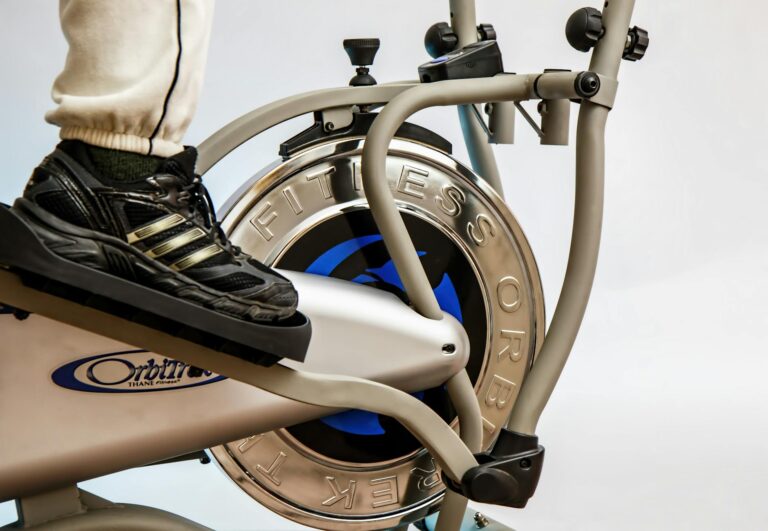
- **Elliptical trainers** replicate running motion while keeping feet planted, reducing impact by approximately 70 percent compared to treadmill running
- **Rowing machines** engage 86 percent of body musculature while keeping the spine in a neutral position, making them suitable for those with knee or hip limitations
- **Nordic walking** with poles distributes effort across upper and lower body, reducing knee stress by up to 30 percent compared to regular walking
- **Seated exercise bikes** allow cardiovascular training even for those with significant mobility limitations or balance disorders
Walking Programs for Cardiovascular Health in Older Adults
Walking remains the most accessible and underrated form of cardiovascular exercise for aging adults. Despite its simplicity, brisk walking produces measurable improvements in nearly every marker of cardiovascular health. A landmark study tracking over 16,000 women with an average age of 72 found that those walking just 4,400 steps daily had significantly lower mortality rates than sedentary counterparts, with benefits continuing to increase up to approximately 7,500 steps.
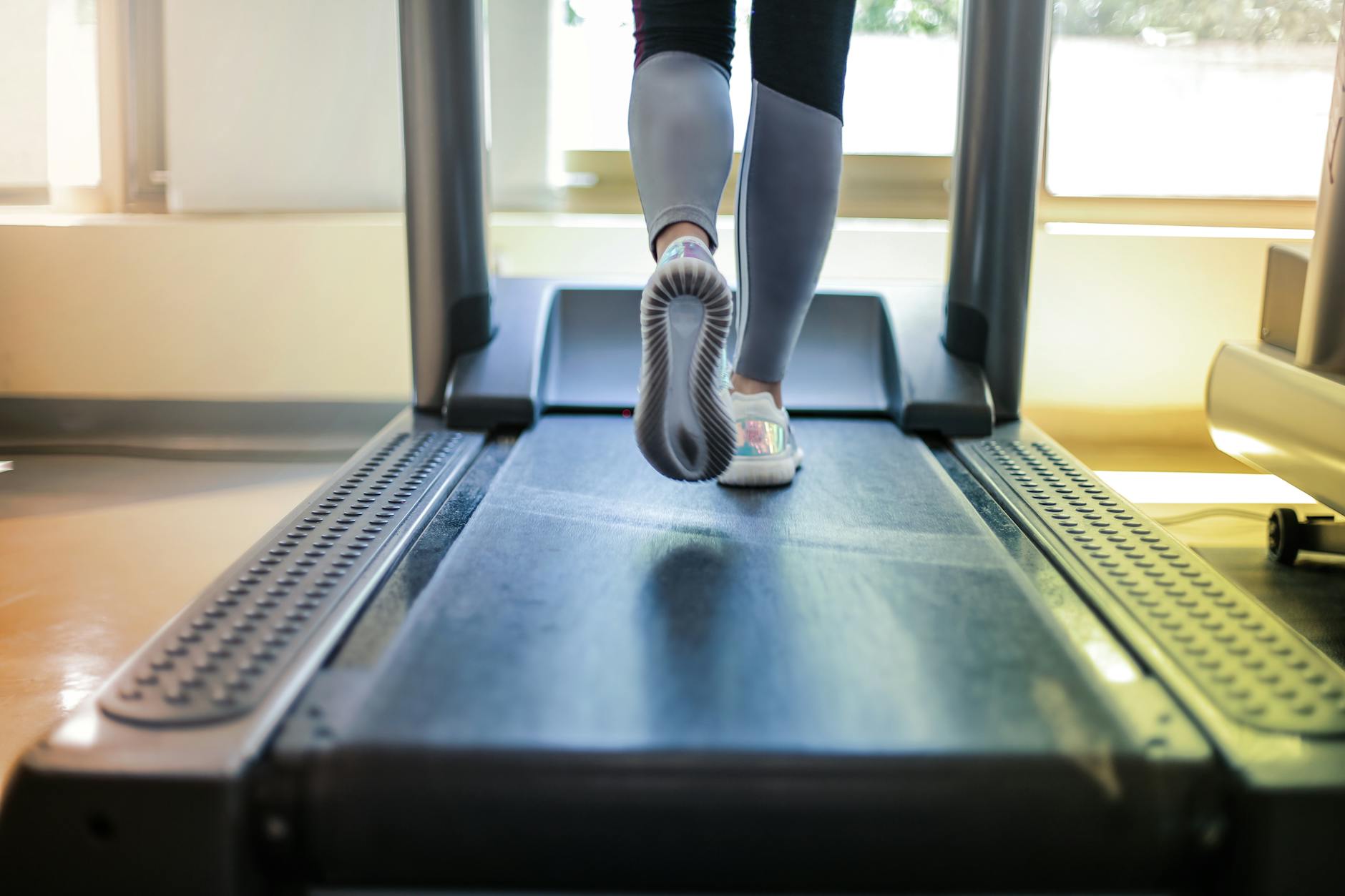
The low barrier to entry means walking programs work for people at virtually any fitness level, from those recovering from cardiac events to active older adults seeking to maintain their conditioning. The key to extracting maximum cardiovascular benefit from walking lies in intensity and consistency rather than distance alone. Walking at a pace that elevates breathing to the point where conversation becomes slightly challenging, approximately 3.0 to 4.0 miles per hour for most older adults, produces heart rate elevations in the moderate-intensity zone where cardiovascular adaptations occur. Interval walking, alternating between faster and slower paces in structured segments, can boost fitness gains by 20 percent compared to steady-state walking while making the activity more mentally engaging.
- **Incline walking** on hills or treadmill grades increases cardiovascular demand without increasing speed or impact
- **Weighted vest walking** adds resistance to increase heart rate and promote bone density maintenance, though vest weight should not exceed 10 percent of body weight
- **Mall walking programs** provide climate-controlled, flat surfaces with built-in social support networks common in many communities
Safe Cardio Intensity Guidelines for Adults Over 60
Determining appropriate exercise intensity becomes more nuanced with age due to the changes in maximum heart rate and the potential effects of medications on cardiovascular response. The traditional formula of 220 minus age to calculate maximum heart rate tends to overestimate values for older adults, while the Tanaka formula (208 minus 0.7 times age) provides more accurate estimates for this population. However, heart rate alone may not tell the complete story, particularly for those taking beta-blockers or calcium channel blockers that blunt the heart rate response to exercise.
The talk test and rating of perceived exertion (RPE) offer practical alternatives for gauging intensity without relying solely on heart rate. Moderate-intensity exercise should allow someone to speak in complete sentences but not sing comfortably, corresponding to an RPE of 5 to 6 on a 10-point scale. Vigorous activity makes speaking difficult, with only a few words possible between breaths, corresponding to an RPE of 7 to 8. These subjective measures account for individual variation in fitness and medication effects while providing immediate feedback during exercise.
- **Target heart rate zones** for older adults typically fall between 50 to 70 percent of maximum for moderate intensity and 70 to 85 percent for vigorous intensity
- **Recovery heart rate** offers insight into cardiovascular fitness, with a drop of fewer than 12 beats in the first minute after stopping exercise indicating potential concerns
- **Blood pressure response** should be monitored, with systolic pressure ideally staying below 200 mmHg during exercise and returning to baseline within 10 minutes of stopping
- **Warning signs** requiring immediate cessation include chest pain or pressure, unusual shortness of breath, dizziness, irregular heartbeat, or unusual fatigue
Common Mistakes Aging Adults Make With Cardiovascular Exercise
The most frequent error older adults make with cardio is attempting to maintain the same exercise patterns they followed in their 30s and 40s. This failure to adapt leads to overuse injuries, burnout, and ultimately abandonment of exercise entirely. The body at 65 simply does not recover from stress the same way it did at 35, and ignoring this reality produces diminishing returns at best and serious injury at worst. Successful long-term exercisers learn to train smarter as they age, substituting intensity for volume and prioritizing consistency over occasional heroic efforts.
Another common mistake involves neglecting proper warmup and cooldown periods. Older bodies require longer preparation time before reaching optimal exercise readiness, with blood flow redistribution and joint lubrication taking 10 to 15 minutes compared to 5 minutes for younger exercisers. Skipping this phase increases injury risk substantially and can cause exercise-induced cardiac events in susceptible individuals. Similarly, abrupt cessation of vigorous activity can cause blood pooling in the extremities, leading to dizziness or fainting. A gradual cooldown of 5 to 10 minutes allows the cardiovascular system to return to resting state safely.
- **Insufficient hydration** becomes more problematic with age as thirst sensation diminishes and kidney function declines, increasing dehydration risk during exercise
- **Ignoring pain signals** often stems from a desire to push through discomfort, but older adults must distinguish between normal exertion and warning signs of injury or cardiac distress
- **Inconsistent scheduling** prevents the body from adapting to exercise stimulus, while sporadic intense sessions increase injury risk compared to regular moderate activity
- **Overemphasis on cardio** at the expense of strength training leads to sarcopenia and reduced functional capacity, ultimately limiting the ability to perform cardiovascular exercise

Combining Cardio With Strength Training for Maximum Benefit
The integration of cardiovascular and resistance exercise produces synergistic benefits that neither approach achieves alone, particularly for aging adults. Muscle mass naturally declines by 3 to 8 percent per decade after age 30, accelerating after age 60, in a process called sarcopenia. This muscle loss directly impacts cardiovascular exercise capacity since weaker legs cannot sustain walking or cycling as effectively. Strength training preserves and builds muscle tissue while simultaneously improving glucose metabolism, bone density, and metabolic rate, all factors that enhance cardiovascular health outcomes.
Circuit training represents one effective method for combining both exercise modalities in a single session. Alternating between strength exercises and brief cardio intervals keeps heart rate elevated while building muscle, providing time-efficient workouts for older adults who may have limited exercise tolerance. Research from the American College of Sports Medicine indicates that circuit training can produce 85 percent of the strength gains from traditional resistance training while simultaneously improving cardiovascular fitness markers. This approach proves particularly valuable for those who struggle to find time for separate cardio and strength sessions.
- **High-resistance interval training (HRIT)** combines heavy weights with short rest periods to create cardiovascular demand during strength work
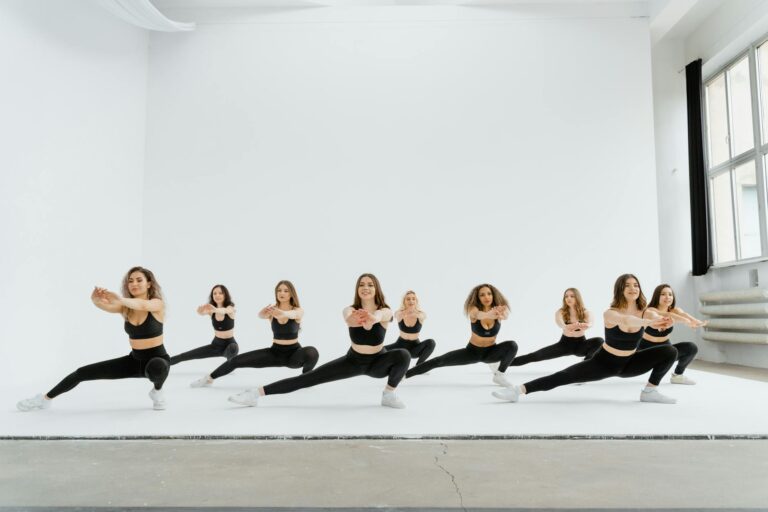
- **Functional movement circuits** using bodyweight exercises like squats, lunges, and step-ups bridge the gap between cardio and strength while improving daily activity capacity
How to Prepare
- **Obtain medical clearance from a healthcare provider** before beginning any new exercise program, particularly if you have existing cardiovascular conditions, diabetes, or musculoskeletal issues. Discuss specific activities you plan to pursue and any medications that might affect exercise response. Request a stress test if you have not had one recently and plan to engage in vigorous activity.
- **Assess your current fitness baseline** by noting how far you can walk comfortably, how many stairs you can climb without excessive breathlessness, and any activities that currently cause pain or difficulty. This honest evaluation helps establish appropriate starting points and provides benchmarks to measure future progress.
- **Invest in proper footwear** designed for your chosen activity, with adequate cushioning, arch support, and stability features. Visit a specialty running or walking store where staff can analyze your gait and recommend appropriate models. Replace shoes every 300 to 500 miles or every 6 to 12 months for regular exercisers.
- **Gather necessary monitoring equipment** including a heart rate monitor if you plan to use heart rate zones for intensity guidance, comfortable moisture-wicking clothing appropriate for your exercise environment, and a water bottle to maintain hydration throughout workouts.
- **Identify accessible exercise locations** including indoor options for inclement weather, and establish a realistic schedule that accounts for your energy patterns throughout the day. Many older adults find morning exercise most effective before daily fatigue accumulates.
How to Apply This
- **Begin with two to three sessions per week** of 15 to 20 minutes at low to moderate intensity, focusing on activities that feel comfortable and sustainable. Increase duration by no more than 10 percent per week, allowing the body to adapt gradually to new demands.
- **Implement the talk test during every session** to ensure appropriate intensity. If you cannot speak at all, reduce effort. If you can sing, increase effort slightly. Adjust your pace throughout the workout as needed rather than pushing through inappropriate intensity.
- **Track your sessions in a simple log** noting activity type, duration, perceived effort, and how you felt afterward. Review this log weekly to identify patterns and make informed decisions about progression or modification.
- **Build toward the recommendation of 150 minutes per week** of moderate-intensity cardio or 75 minutes of vigorous activity, distributed across most days of the week. This target may take several months to reach safely, and maintaining consistency matters more than achieving any specific milestone quickly.
Expert Tips
- **Schedule exercise for the same time each day** to build automatic habits that do not require willpower or decision-making. Consistency of timing dramatically improves long-term adherence.
- **Use the two-hour rule for joint pain**: if pain from a workout persists longer than two hours after completion, the activity was too intense or the movement pattern needs modification. Reduce intensity or switch to a different exercise.
- **Incorporate variety across the week** to prevent overuse injuries and maintain mental engagement. Alternate between two or three different cardio activities rather than repeating the same workout daily.
- **Exercise with others when possible**, as social support increases adherence by up to 40 percent and provides safety benefits for older adults who might experience health events during exercise.
- **Never skip the warmup** regardless of time constraints. A shortened workout with proper warmup and cooldown provides more benefit than a longer workout performed cold, and the injury risk from skipping warmup increases significantly with age.
Conclusion
Maintaining cardiovascular fitness as the body ages requires adaptation rather than abandonment of physical activity. The best cardio exercises for aging adults share common characteristics: they elevate heart rate into training zones while minimizing joint stress, they accommodate individual limitations and health conditions, and they remain sustainable over months and years rather than weeks. Whether through swimming, cycling, walking, or any combination of activities, the goal remains consistent cardiovascular stimulus that strengthens the heart, improves circulation, and enhances overall quality of life.
The research overwhelmingly supports the value of cardio exercise for older adults, with physically active individuals showing 30 to 50 percent lower rates of functional decline compared to sedentary peers. Benefits extend beyond heart health to include improved cognitive function, better sleep quality, reduced depression and anxiety, and greater independence in daily activities. Starting is never too late, and even those beginning exercise programs in their 70s or 80s demonstrate meaningful improvements in cardiovascular capacity. The key lies in selecting appropriate activities, progressing gradually, and maintaining consistency over time rather than seeking dramatic short-term results.
Frequently Asked Questions
How long does it typically take to see results?
Results vary depending on individual circumstances, but most people begin to see meaningful progress within 4-8 weeks of consistent effort. Patience and persistence are key factors in achieving lasting outcomes.
Is this approach suitable for beginners?
Yes, this approach works well for beginners when implemented gradually. Starting with the fundamentals and building up over time leads to better long-term results than trying to do everything at once.
What are the most common mistakes to avoid?
The most common mistakes include rushing the process, skipping foundational steps, and failing to track progress. Taking a methodical approach and learning from both successes and setbacks leads to better outcomes.
How can I measure my progress effectively?
Set specific, measurable goals at the outset and track relevant metrics regularly. Keep a journal or log to document your journey, and periodically review your progress against your initial objectives.
When should I seek professional help?
Consider consulting a professional if you encounter persistent challenges, need specialized expertise, or want to accelerate your progress. Professional guidance can provide valuable insights and help you avoid costly mistakes.
What resources do you recommend for further learning?
Look for reputable sources in the field, including industry publications, expert blogs, and educational courses. Joining communities of practitioners can also provide valuable peer support and knowledge sharing.