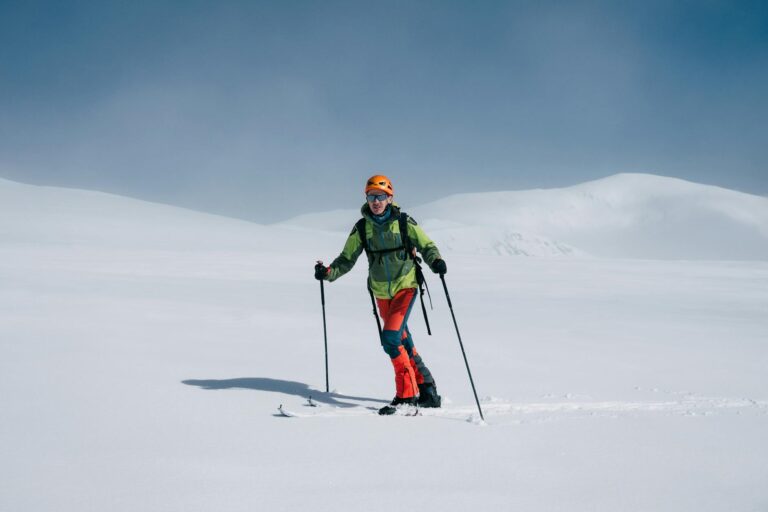
Skiing With Friends vs Solo: Intensity Differences
Skiing solo consistently delivers higher cardiovascular intensity than skiing with friends, often by a margin of 20 to 35 percent when measured by heart...

Skiing solo consistently delivers higher cardiovascular intensity than skiing with friends, often by a margin of 20 to 35 percent when measured by heart...

Terrain changes spike your intensity minutes because your body must work significantly harder to maintain pace when running uphill, on soft surfaces, or...

Skiing feels fun at high intensity because the activity disguises exhaustion through constant novelty, environmental stimulation, and the brain's response...

Downhill skiing produces a distinctive heart rate pattern characterized by sustained elevation at 60-85% of maximum heart rate, punctuated by dramatic...

Skiing generally earns intensity minutes at a rate comparable to moderate-paced running, with downhill skiing registering around 4-6 METs (metabolic...

Skiing typically counts as vigorous-intensity exercise, though it can range from moderate to very high intensity depending on your skiing style, terrain,...

Cold weather causes most fitness trackers and smartwatches to register fewer intensity minutes than you actually earn during outdoor workouts.

Short ski runs deliver high-intensity cardiovascular demands because they compress explosive muscular effort, balance challenges, and anaerobic energy...

The burning sensation you feel in your legs during skiing comes primarily from your quadriceps, the large muscle group on the front of your thighs that...

Speed is the primary driver of cardiovascular intensity when skiing, but not by as wide a margin as most people assume.

Vertical feet translate into intensity minutes through a calculation that accounts for the increased cardiovascular demand of climbing""generally, every...

Moguls win decisively when it comes to earning intensity minutes on the slopes. Skiing bumpy, ungroomed terrain generates substantially higher heart rates...