
When Skiing Becomes Vigorous-Intensity Exercise
Skiing transitions from moderate to vigorous-intensity exercise when your heart rate exceeds 77% of your maximum and stays there""something that happens...

Skiing transitions from moderate to vigorous-intensity exercise when your heart rate exceeds 77% of your maximum and stays there""something that happens...

Skiing counts as functional cardio because it demands sustained cardiovascular output while simultaneously requiring your body to stabilize, balance,...

Tracking skiing intensity with wearables requires using a device with GPS capabilities, a barometric altimeter, and heart rate monitoring""then selecting...

A full day of skiing can accumulate 4-8 hours of moderate to high-intensity cardiovascular work, which means a single Saturday on the slopes might consume...

Downhill skiing earns its reputation as a joint-friendly workout because the gliding motion eliminates the repetitive impact that makes running hard on...
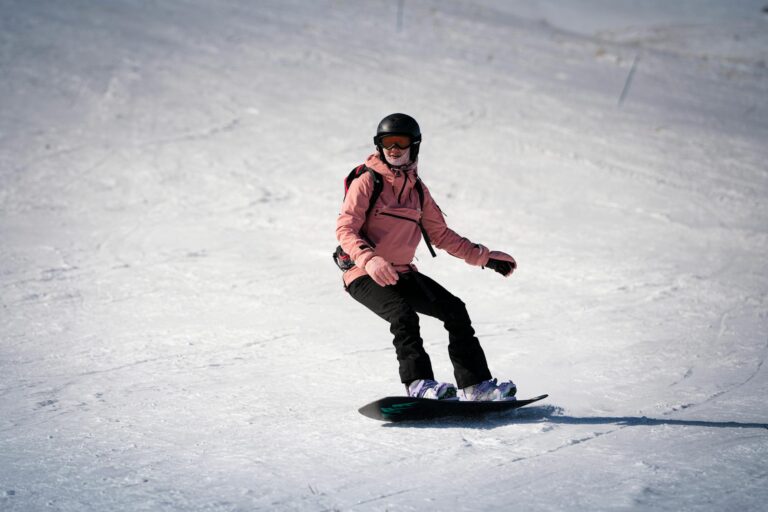
Ski boots fundamentally alter how your body maintains balance and expends energy, creating both a challenge and an opportunity for runners seeking...
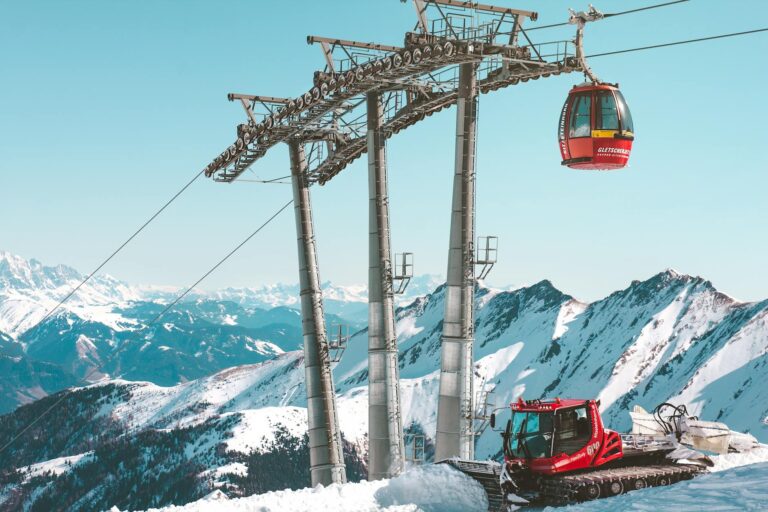
Altitude significantly inflates ski intensity minutes tracked by wearables, often by 15 to 30 percent compared to the same activity at sea level.

Fatigue builds faster on ski days primarily because you're exercising at altitude while simultaneously battling cold temperatures, wearing heavy...

Skiing delivers one of the most demanding core workouts available in any sport, and most skiers never realize it because they attribute their post-ski...

Small adjustments to your running form can dramatically increase workout intensity without adding miles or minutes to your training.
For most recreational skiers, approximately two to three full days of downhill skiing per week will meet or exceed the 150 intensity minutes recommended...

The secret to conquering mountain terrain without breaking down lies in strategic rest intervals that match the intensity you're accumulating with every...