
If Walking Was Enough, Why Do Athletes Train Harder?
If walking was enough to achieve peak physical performance, elite athletes would simply stroll their way to Olympic medals and world records.

If walking was enough to achieve peak physical performance, elite athletes would simply stroll their way to Olympic medals and world records.
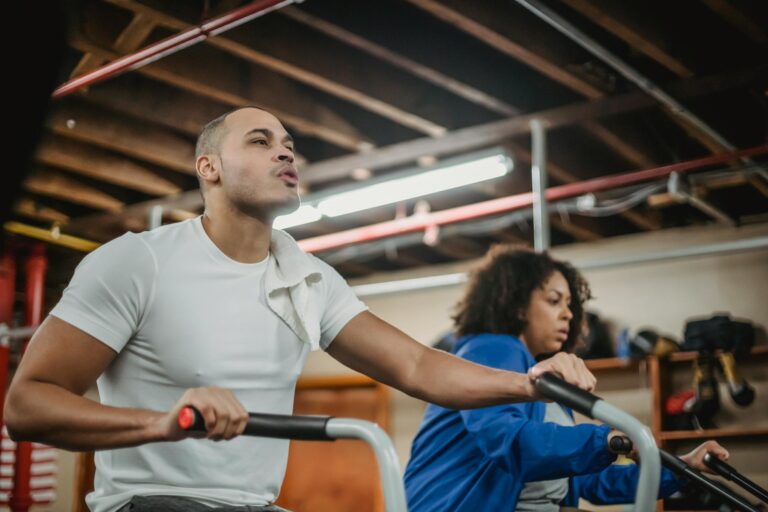
The debate between intense cardio vs walking for heart health has persisted for decades, with passionate advocates on both sides claiming their preferred...

The hidden limits of walking when it comes to heart health represent one of the most misunderstood topics in cardiovascular fitness.

Walking alone isn't enough for real cardiovascular fitness if your goal is to build a strong, resilient heart and improve your aerobic capacity...
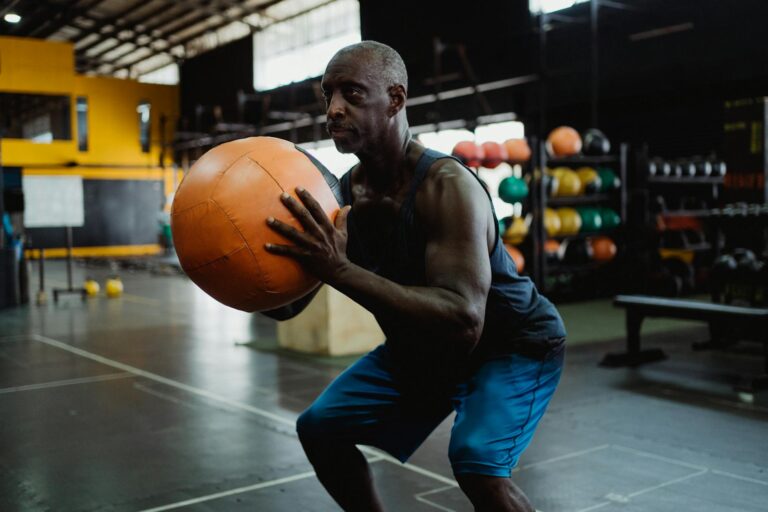
The most effective indoor cardio exercises for older adults include walking in place, stationary cycling, water aerobics at indoor pools, seated marching,...
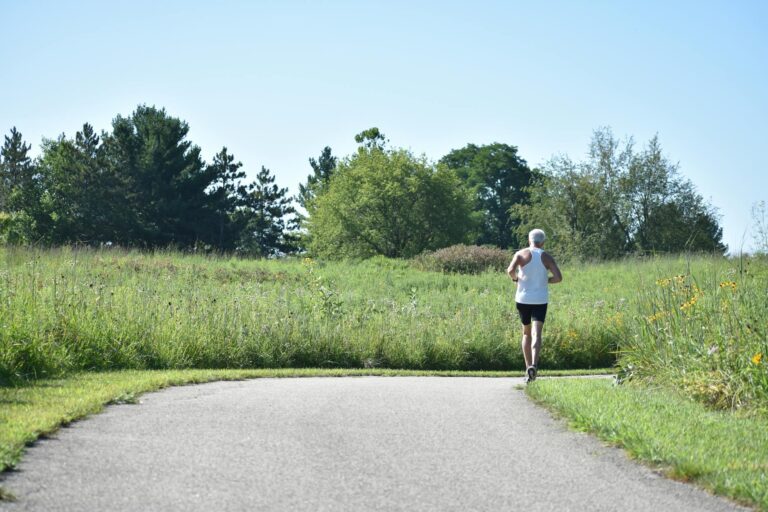
The best time of day for cardio for seniors is whichever time you will actually do it consistently.

The most effective cardio recovery strategy for adults over 50 centers on extending rest periods between intense sessions, prioritizing sleep quality, and...

The clearest signs that you are doing too much cardio in older age include persistent fatigue that lasts more than 48 hours after exercise, joint pain...

The key to avoiding overtraining with cardio as you age comes down to three fundamental shifts: extending recovery periods between intense sessions,...

For most seniors, low intensity cardio offers the better starting point, while moderate intensity cardio delivers superior cardiovascular benefits for...
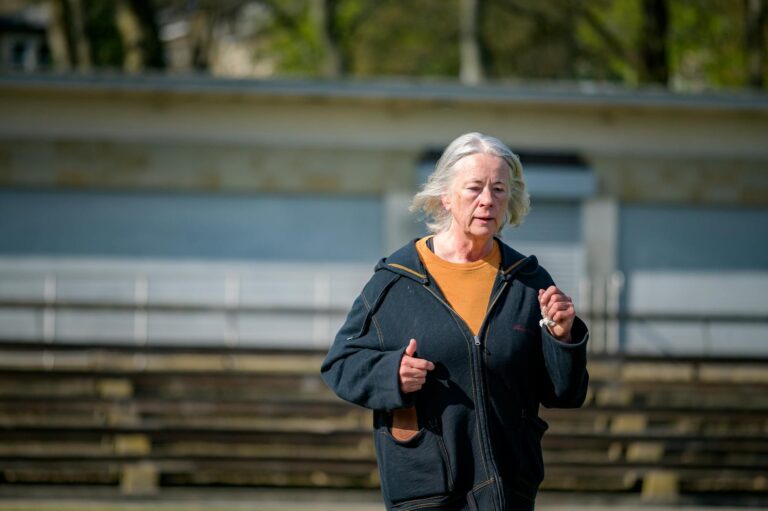
For adults over 50, the optimal cardio intensity follows a simple framework: spend about 70-80% of your weekly training time at low intensity (where you...
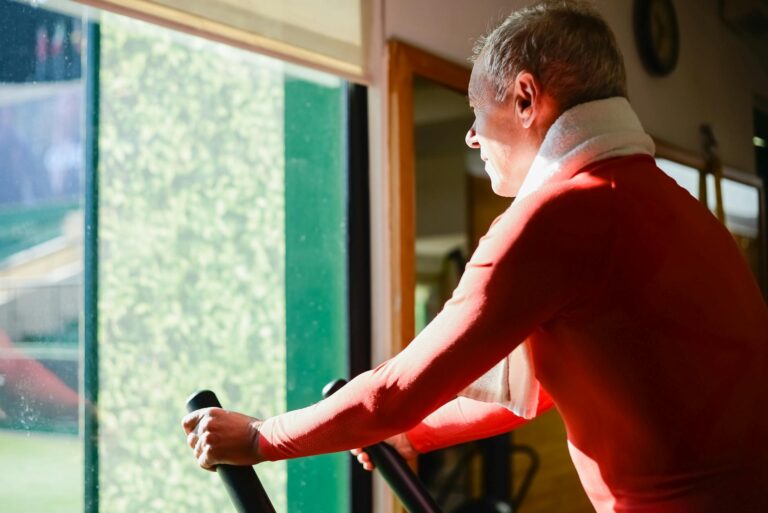
Most older adults should aim for at least 150 minutes of moderate-intensity cardio per week, which typically breaks down to about 30 minutes on five days,...