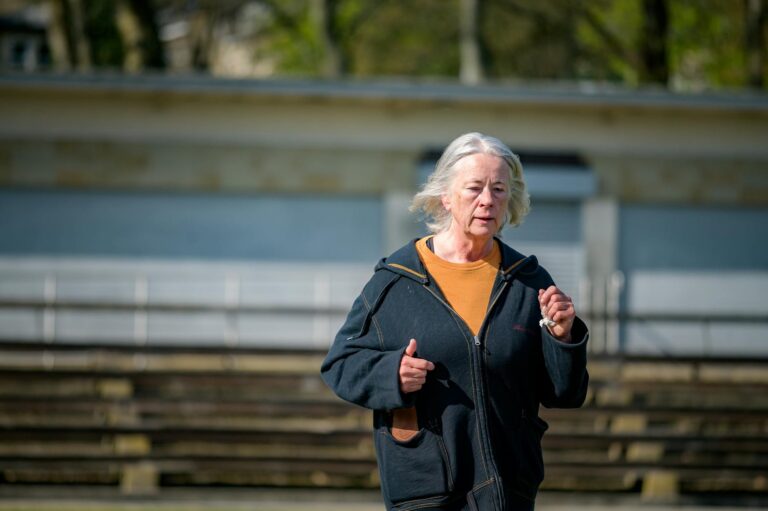
After 50, slow cardio keeps fat stuck in ways that frustrate countless runners and fitness enthusiasts who have relied on steady-state exercise for decades. The same long, moderate-paced runs that once melted pounds now seem to produce diminishing returns, leaving many people wondering what changed. This phenomenon is not imagination or lack of effort””it reflects genuine physiological shifts that occur as the body ages, fundamentally altering how metabolism responds to traditional cardiovascular exercise. The problem extends beyond simple calorie math. Adults over 50 face a convergence of hormonal changes, muscle loss, and metabolic adaptations that make the body remarkably efficient at conserving energy during prolonged moderate exercise.
While this efficiency served our ancestors well during times of scarcity, it now works against those trying to reduce body fat through conventional cardio approaches. Understanding these mechanisms is essential for anyone who wants to break through the plateau that steady-state cardio often creates after midlife. This article examines the science behind why slow cardio becomes less effective for fat loss after 50 and what alternatives produce better results. Readers will learn about the hormonal and metabolic factors at play, discover evidence-based training modifications, and gain practical strategies for restructuring workouts to reignite fat-burning capacity. The goal is not to abandon cardiovascular exercise””which remains vital for heart health and longevity””but to optimize its application for body composition changes in the second half of life.
Table of Contents
- Why Does Slow Cardio Keep Fat Stuck After Age 50?
- The Metabolic Adaptation Problem with Steady-State Cardio After 50
- How Hormonal Changes Make Slow Cardio Less Effective for Fat Loss
- Breaking Through the Fat Loss Plateau with Strategic Cardio After 50
- Common Mistakes When Trying to Lose Fat with Cardio After 50
- The Role of Recovery and Lifestyle Factors in Fat Loss After 50
- How to Prepare
- How to Apply This
- Expert Tips
- Conclusion
- Frequently Asked Questions
Why Does Slow Cardio Keep Fat Stuck After Age 50?
The relationship between steady-state cardio and fat metabolism shifts significantly after 50 due to several interconnected biological factors. Sarcopenia””the age-related loss of muscle mass””begins accelerating around this age, with adults losing approximately 1-2% of muscle tissue annually without intervention. Since muscle tissue is metabolically active and burns calories even at rest, this loss directly reduces basal metabolic rate. A person who could maintain weight on 2,200 daily calories at 40 might need only 1,900 calories at 55, yet their appetite and eating habits often remain unchanged.
Hormonal changes compound this metabolic slowdown. Testosterone levels in men decline approximately 1% per year after age 30, while women experience dramatic estrogen reduction during and after menopause. Both hormones play crucial roles in maintaining muscle mass and regulating fat distribution. Lower testosterone reduces the body’s ability to build and preserve lean tissue, while declining estrogen shifts fat storage from the hips and thighs to the abdominal region””the most metabolically problematic location. These hormonal shifts make the body more resistant to releasing stored fat during moderate-intensity exercise.
- **Metabolic adaptation occurs faster**: The body becomes highly efficient at performing familiar activities, meaning a 45-minute jog that once burned 400 calories may now expend only 300 as neuromuscular efficiency improves
- **Cortisol response increases**: Extended moderate cardio elevates cortisol levels, and older adults often experience prolonged cortisol elevation that promotes fat storage, particularly visceral fat
- **Mitochondrial function declines**: The cellular powerhouses responsible for fat oxidation become less numerous and less efficient with age, reducing the rate at which stored fat converts to usable energy
The Metabolic Adaptation Problem with Steady-State Cardio After 50
Metabolic adaptation represents one of the most significant obstacles facing older adults who rely on consistent moderate-intensity cardio for fat loss. The human body evolved to survive famine, and this survival mechanism causes it to become increasingly efficient at performing repetitive activities. When someone performs the same 30-minute treadmill session at the same pace for months or years, the body learns to accomplish that work with progressively fewer calories.
Research published in Current Biology demonstrated that total daily energy expenditure plateaus despite increasing exercise volume””a phenomenon researchers call “constrained total energy expenditure.” This adaptation hits particularly hard after 50 because the body already operates on a reduced metabolic budget. A 55-year-old runner might discover that the same weekly mileage that maintained their weight at 45 now results in gradual fat accumulation. The frustrating reality is that doing more of the same rarely solves the problem. studies tracking marathon runners found that many gain weight during training cycles despite running 40-60 miles weekly, because their bodies compensated by reducing non-exercise activity and improving running economy to the point where caloric expenditure fell short of expectations.
- **Exercise economy improves with repetition**: Runners become more biomechanically efficient over time, requiring less energy per mile””beneficial for performance but counterproductive for fat loss
- **Non-exercise activity thermogenesis (NEAT) decreases**: The body unconsciously reduces fidgeting, standing, and general movement to compensate for structured exercise
- **Appetite regulation becomes dysregulated**: Moderate cardio can increase hunger hormones disproportionately to actual calories burned, leading to inadvertent overconsumption
How Hormonal Changes Make Slow Cardio Less Effective for Fat Loss
The hormonal environment after 50 creates a metabolic landscape where traditional slow cardio struggles to produce fat loss results. Growth hormone, which promotes fat metabolism and muscle preservation, declines substantially with age””levels at 60 are typically 75% lower than at 25. This hormone responds poorly to steady-state exercise but increases significantly with high-intensity efforts. Consequently, long moderate runs may fail to trigger the growth hormone release that would otherwise support fat oxidation and lean tissue maintenance.
Insulin sensitivity also decreases with age, meaning cells become less responsive to this important metabolic hormone. When insulin sensitivity drops, the body tends to store more consumed calories as fat rather than directing them to muscle tissue for energy or repair. While all exercise improves insulin sensitivity to some degree, research indicates that higher-intensity protocols produce more substantial improvements. A 2019 study in Diabetologia found that older adults who performed interval training showed 25% greater improvements in insulin sensitivity compared to those doing moderate continuous exercise at the same total energy expenditure.
- **Thyroid function often declines**: Subclinical hypothyroidism becomes increasingly common after 50, slowing metabolism independent of exercise habits
- **Leptin resistance develops**: The hormone that signals satiety becomes less effective, making it harder to regulate food intake appropriately despite regular cardio
- **Catecholamine response diminishes**: The adrenaline and noradrenaline surge that helps mobilize stored fat during exercise becomes blunted with age, particularly during lower-intensity efforts

Breaking Through the Fat Loss Plateau with Strategic Cardio After 50
Overcoming the tendency for slow cardio to keep fat stuck requires strategic modifications to training approach rather than simply increasing volume or duration. The most effective intervention involves incorporating interval training””alternating periods of higher intensity with recovery phases. This approach triggers metabolic and hormonal responses that steady-state cardio cannot match, including significant post-exercise oxygen consumption (EPOC) that keeps metabolism elevated for hours after the workout ends. Research from the Mayo Clinic found that high-intensity interval training reversed age-related decline in mitochondrial function by up to 69% in older adults.
The key is implementing intervals appropriately for the over-50 population. This does not mean copying the brutal protocols designed for elite athletes. Effective intervals for older adults might involve alternating between brisk walking and moderate jogging, or between easy cycling and harder efforts at perhaps 80% of maximum heart rate. The intensity is relative to individual capacity, not absolute speed or power output. A 58-year-old former couch potato doing 30-second walk-jog intervals receives the same relative metabolic stimulus as a lifelong athlete doing more aggressive protocols.
- **Start conservatively with intensity**: Begin with a 1:3 or 1:4 work-to-rest ratio, gradually progressing to 1:2 or 1:1 as fitness improves
- **Prioritize recovery between sessions**: Older adults require more recovery time, so limit higher-intensity sessions to 2-3 per week with easier days between
- **Include strength training as a complement**: Resistance exercise preserves muscle mass, directly addressing the sarcopenia that makes slow cardio less effective
- **Monitor heart rate to ensure adequate intensity**: Using a heart rate monitor helps confirm that “hard” intervals are actually reaching the threshold needed to trigger desired metabolic responses
Common Mistakes When Trying to Lose Fat with Cardio After 50
Many well-intentioned exercisers over 50 compound their fat loss difficulties through training errors that seem logical but prove counterproductive. The most pervasive mistake involves dramatically increasing cardio volume in response to stalled results. Adding extra sessions or extending workout duration often backfires by amplifying cortisol production, accelerating muscle loss, and deepening metabolic adaptation. A person stuck at a plateau who adds three more weekly cardio sessions may actually slow their metabolism further while increasing injury risk and fatigue.
Another common error is neglecting the intensity variable while obsessing over duration and frequency. The fitness industry spent decades promoting the “fat-burning zone”””exercising at 60-70% of maximum heart rate””as optimal for fat loss. While this zone does derive a higher percentage of calories from fat during exercise, the total caloric expenditure and post-exercise metabolic impact are substantially lower than higher-intensity work. A 30-minute interval session might burn fewer total calories during the workout than a 60-minute slow jog, but the metabolic aftermath and hormonal response often produce superior fat loss outcomes over time.
- **Underfueling combined with excessive cardio**: Severe caloric restriction plus high exercise volume triggers survival adaptations that halt fat loss and promote muscle breakdown
- **Ignoring recovery needs**: Training hard on insufficient sleep or during high-stress periods elevates cortisol and impairs the fat-burning hormonal environment
- **Relying solely on scale weight**: Muscle gain from improved training can mask fat loss on the scale, leading people to abandon effective protocols prematurely
- **Avoiding resistance training**: Fear of “getting bulky” or simply preferring cardio causes many to skip the muscle-building work that would restore metabolic rate

The Role of Recovery and Lifestyle Factors in Fat Loss After 50
Exercise optimization only tells part of the story for adults over 50 seeking fat loss through cardiovascular training. Sleep quality and quantity directly influence hormonal balance, appetite regulation, and metabolic function. Research consistently shows that adults sleeping fewer than seven hours nightly experience elevated ghrelin (hunger hormone), reduced leptin (satiety hormone), and impaired insulin sensitivity regardless of their exercise habits. A 2022 study found that sleep-deprived individuals lost 55% less fat than well-rested participants following identical exercise and nutrition protocols.
Stress management equally influences outcomes. Chronic psychological stress maintains elevated cortisol levels that promote visceral fat accumulation and muscle breakdown””the exact opposite of desired body composition changes. For many adults over 50, adding intense exercise to an already stressful life can backfire if recovery systems are overwhelmed. The most successful approach often involves reducing overall life stress while strategically applying training stress during periods when the body can adapt positively. This might mean fewer but higher-quality workouts rather than grinding through daily sessions that leave the nervous system perpetually taxed.
How to Prepare
- **Obtain medical clearance for higher-intensity exercise**: Schedule a checkup with your physician, particularly if you have cardiovascular risk factors, joint issues, or have been sedentary. Request a stress test if you have not had one recently, as this establishes safe heart rate parameters for interval training.
- **Establish baseline fitness metrics**: Record your current resting heart rate, comfortable running or walking pace, and maximum heart rate during exertion. These numbers allow you to design appropriate interval intensities rather than guessing. Use a heart rate monitor or fitness tracker to gather accurate data over 1-2 weeks.
- **Assess joint health and movement quality**: Evaluate whether your ankles, knees, hips, and spine can tolerate increased intensity without pain. Consider working with a physical therapist to address any limitations. Interval training amplifies impact forces, so existing joint issues need attention before progressing.
- **Build an aerobic base if currently sedentary**: Spend 4-6 weeks performing consistent moderate cardio before introducing intervals. This conditions the cardiovascular system, strengthens connective tissues, and establishes exercise habits that make progression safer. Attempting intervals without this foundation increases injury risk substantially.
- **Prepare your recovery infrastructure**: Stock up on sleep hygiene supports, plan stress-reduction practices, and ensure adequate protein intake (0.7-1 gram per pound of body weight daily) to support muscle preservation during the transition to higher-intensity training.
How to Apply This
- **Replace one weekly slow cardio session with intervals**: Start by substituting a single steady-state workout with a 20-25 minute interval session. Warm up for 5 minutes, then alternate 30-60 seconds at elevated effort with 90-180 seconds of easy recovery. Cool down for 5 minutes. Maintain other workouts as usual initially.
- **Add two strength training sessions weekly**: Incorporate full-body resistance training focusing on compound movements””squats, deadlifts, rows, presses, and carries. Start with bodyweight or light weights, prioritizing form over load. These sessions preserve muscle mass and address the sarcopenia undermining your cardio efforts.
- **Periodize intensity throughout each week**: Structure your weekly training with one harder interval day, one moderate steady-state day, and one strength-focused day as a minimum. Add additional easy movement days as desired, but protect recovery time between intense sessions.
- **Track progress through multiple metrics**: Monitor waist circumference, how clothes fit, energy levels, and performance improvements””not just scale weight. Take progress photos monthly. These measures reveal body composition changes that the scale may miss, preventing premature abandonment of effective protocols.
Expert Tips
- **Use the talk test to gauge interval intensity**: During work intervals, you should be able to speak only a few words at a time. If you can hold a conversation, increase effort. If you cannot speak at all, back off slightly. This simple method keeps intensity appropriate without requiring precise heart rate monitoring.
- **Implement “workout snacks” throughout the day**: Brief 1-3 minute bursts of activity””climbing stairs briskly, performing bodyweight squats, or walking at a fast pace””accumulate metabolic stimulus without formal workout sessions. Research shows these micro-workouts improve insulin sensitivity and can boost NEAT to offset the compensation that occurs with longer sessions.
- **Prioritize protein timing around workouts**: Consume 25-40 grams of protein within two hours of training to maximize muscle protein synthesis, which declines with age but remains responsive to exercise plus protein intake. This supports the lean tissue preservation essential for maintaining metabolic rate.
- **Vary terrain and modalities to prevent adaptation**: Rotate between running, cycling, rowing, swimming, and incline walking. Change routes regularly if exercising outdoors. This variety prevents the efficiency adaptations that make familiar activities progressively less effective for fat loss.
- **Accept slower progress and longer timelines**: Fat loss after 50 proceeds more gradually than at younger ages regardless of strategy optimization. Expect 0.5-1 pound of fat loss weekly at most during active dieting phases, with maintenance periods built in. Impatience leads to extreme approaches that backfire metabolically and psychologically.
Conclusion
The frustrating reality that slow cardio keeps fat stuck after 50 stems from predictable physiological changes””not personal failure or insufficient effort. Declining hormones, accelerating muscle loss, and metabolic adaptation conspire to make the steady-state approach that worked in earlier decades progressively less effective. Understanding these mechanisms provides the foundation for strategic modifications that restore fat loss progress: incorporating interval training, preserving muscle through resistance exercise, and respecting recovery needs that increase with age.
The solution does not require abandoning cardiovascular exercise or attempting extreme protocols unsuitable for older adults. Rather, it involves working smarter within age-appropriate parameters while addressing the lifestyle factors””sleep, stress, nutrition””that increasingly influence outcomes as the body’s resilience decreases. Those who make these adjustments often find that their bodies remain responsive to training stimuli well into their 60s, 70s, and beyond. The key is abandoning the “more is better” mentality that served younger athletes and embracing the “better is better” approach that aging physiology demands.
Frequently Asked Questions
How long does it typically take to see results?
Results vary depending on individual circumstances, but most people begin to see meaningful progress within 4-8 weeks of consistent effort. Patience and persistence are key factors in achieving lasting outcomes.
Is this approach suitable for beginners?
Yes, this approach works well for beginners when implemented gradually. Starting with the fundamentals and building up over time leads to better long-term results than trying to do everything at once.
What are the most common mistakes to avoid?
The most common mistakes include rushing the process, skipping foundational steps, and failing to track progress. Taking a methodical approach and learning from both successes and setbacks leads to better outcomes.
How can I measure my progress effectively?
Set specific, measurable goals at the outset and track relevant metrics regularly. Keep a journal or log to document your journey, and periodically review your progress against your initial objectives.
When should I seek professional help?
Consider consulting a professional if you encounter persistent challenges, need specialized expertise, or want to accelerate your progress. Professional guidance can provide valuable insights and help you avoid costly mistakes.
What resources do you recommend for further learning?
Look for reputable sources in the field, including industry publications, expert blogs, and educational courses. Joining communities of practitioners can also provide valuable peer support and knowledge sharing.