The fastest way to fix back pain, according to guidelines from the American College of Physicians and the Mayo Clinic, is a combination of staying active, applying superficial heat, and taking an over-the-counter NSAID like ibuprofen or naproxen. That might sound underwhelming if you’re hunched over your desk right now unable to tie your shoes, but the evidence is clear: these simple interventions outperform bed rest, and they work within hours to days for the majority of acute episodes. A runner who tweaks their back during a long Saturday run, for instance, will generally recover faster by walking gently and using a heating pad than by lying flat on the couch for a week. Back pain is staggeringly common. According to the Global Burden of Disease Study 2021, 619 million people worldwide were affected by low back pain in 2020, a number projected to climb to 843 million by 2050.
In the United States, 39 percent of adults reported back pain in the past three months alone, per the CDC’s National Health Interview Survey. For runners and anyone with an active lifestyle, a back pain episode can feel like a crisis. It doesn’t have to be. Ninety percent of all back pain cases are classified as non-specific, meaning there’s no identifiable structural cause like a fracture or herniated disc requiring surgery. This article breaks down exactly what works for fast relief, what the science says about longer-term management, how newer treatments are changing the landscape, and what runners specifically need to know about protecting their backs while staying fit.
Table of Contents
- What Actually Works to Fix Back Pain Fast?
- Why Most Back Pain Doesn’t Need a Diagnosis to Treat
- The Runner’s Back Pain Problem
- Chronic Back Pain Management Without Surgery
- When Back Pain Needs More Than Home Treatment
- New Treatments Changing the Back Pain Landscape
- Building a Back That Holds Up to Training
- Conclusion
- Frequently Asked Questions
What Actually Works to Fix Back Pain Fast?
The American College of Physicians published a clinical practice guideline that remains the gold standard for acute back pain management. Its first recommendation is nonpharmacologic: apply superficial heat. Heating pads, warm baths, and adhesive heat wraps increase blood flow to tight muscles and provide measurable pain relief without side effects. When heat alone isn’t enough, NSAIDs like ibuprofen or naproxen are the first-line medication. They reduce both pain and the underlying inflammation driving it. Acetaminophen is also listed as a first-line pharmacologic agent for acute pain, though it lacks the anti-inflammatory properties of NSAIDs. Muscle relaxants are another option for short-term use, particularly when spasms are part of the picture. The WFNS Spine Committee recommends them for acute spasm-related pain.
Spinal manipulation, performed by a chiropractor or osteopathic physician, is also included in the ACP guidelines as an initial nonpharmacologic option. However, not all of these carry equal weight. A BMJ analysis found that only about one in ten common non-surgical, non-invasive treatments for back pain showed clear effectiveness, which makes it essential to prioritize the interventions with the strongest evidence rather than cycling through everything available. The single most important thing to understand is that staying active beats bed rest. This is not a suggestion or a lifestyle preference. It is a clinical recommendation from the WFNS Spine Committee and the Mayo Clinic, supported by decades of research. Prolonged bed rest weakens the very muscles that stabilize your spine and can actually extend recovery time. If you’re a runner dealing with an acute flare-up, you don’t need to run through it, but you should walk, move gently, and avoid the temptation to spend three days horizontal.

Why Most Back Pain Doesn’t Need a Diagnosis to Treat
One of the most frustrating aspects of back pain is the uncertainty. You want to know what’s wrong. But here’s the clinical reality: 90 percent of all back pain cases are non-specific, meaning imaging and exams won’t reveal a clear structural problem. For most people, an MRI is unnecessary and can even be counterproductive. Studies have shown that incidental findings on spinal imaging, like minor disc bulges that aren’t causing symptoms, can lead to anxiety, unnecessary procedures, and worse outcomes. This doesn’t mean you should ignore red flags.
If your back pain is accompanied by numbness or weakness radiating down your legs, loss of bladder or bowel control, unexplained weight loss, or fever, seek immediate medical attention. These symptoms can indicate conditions like cauda equina syndrome or spinal infection that require urgent intervention. Similarly, if your pain follows a significant trauma such as a fall or collision, imaging is appropriate. However, if you woke up stiff, tweaked something during a deadlift, or felt a pull during your morning run, you almost certainly fall into the non-specific category. The treatment protocol is the same regardless of whether the pain is on the left side or right, upper lumbar or lower: heat, gentle movement, anti-inflammatories as needed, and patience. Most acute episodes resolve within two to six weeks. The real challenge is what comes after, because 69 percent of individuals experience recurrent back pain within 12 months of recovery.
The Runner’s Back Pain Problem
Runners occupy an unusual position in the back pain conversation. On one hand, regular cardiovascular exercise is one of the most effective long-term strategies for preventing and managing back pain. On the other hand, the repetitive impact loading of running, combined with the hip tightness and core weakness that plague many recreational runners, creates a perfect environment for lumbar irritation. The pattern is common: a runner increases mileage too quickly, neglects strength work, and develops a dull ache in the lower back that worsens over the final miles of longer runs. The culprit is rarely the spine itself. Weak glutes force the lower back to compensate for hip instability. Tight hip flexors from sitting all day pull the pelvis into an anterior tilt, compressing lumbar structures.
A weak transverse abdominis fails to brace the trunk during foot strike. The fix isn’t to stop running. It’s to address the muscular deficits that are loading the spine inappropriately. Exercise and physical therapy are the cornerstone of back pain management according to both ACP and WHO guidelines. For runners, this means dedicated strength work targeting the posterior chain: glute bridges, deadlifts, planks, bird-dogs, and hip flexor stretches. A physical therapist who understands running biomechanics can identify specific weaknesses and prescribe a targeted program. The investment pays off not just for your back but for your running performance and injury resilience across the board.
Chronic Back Pain Management Without Surgery
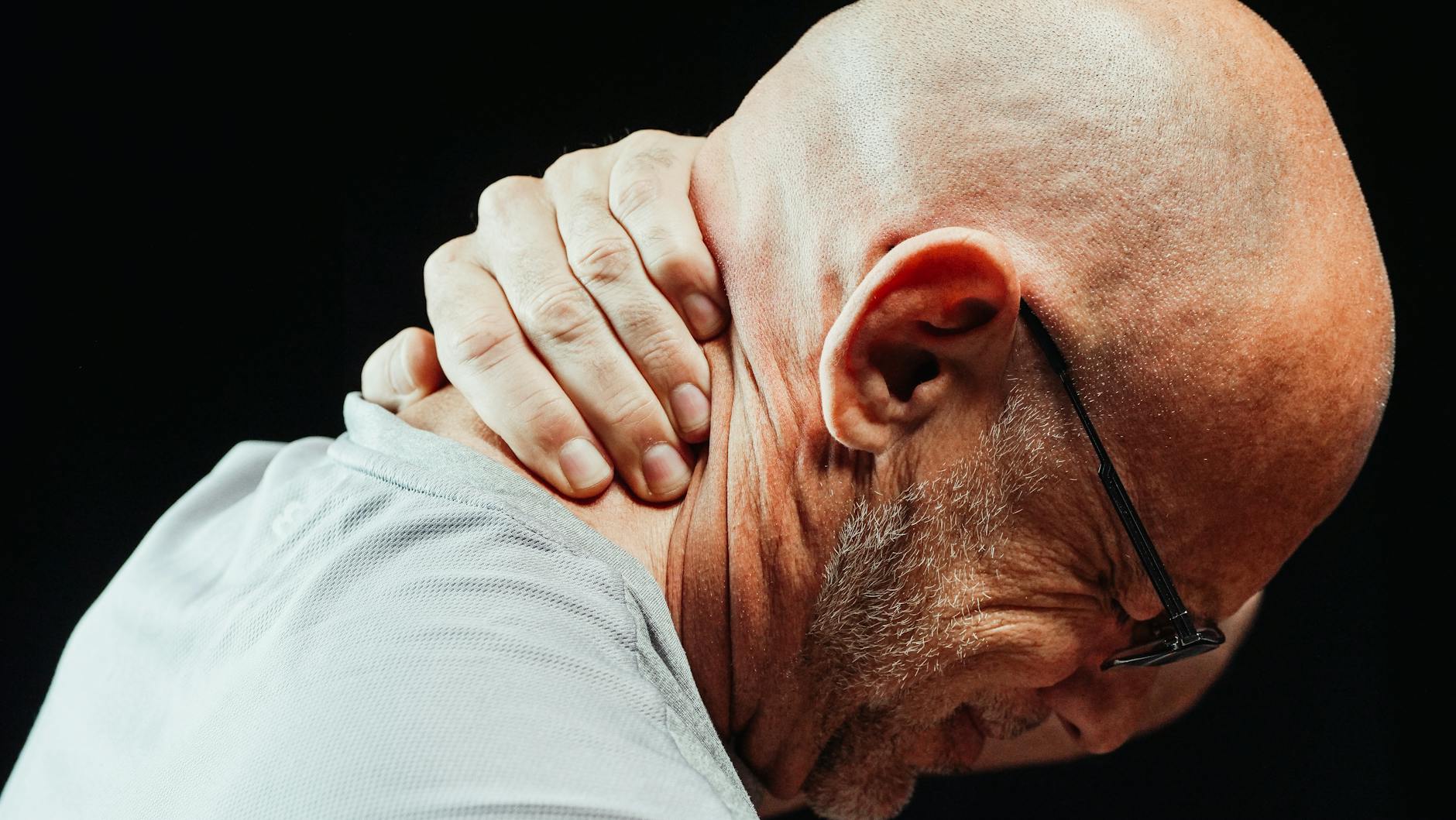
When back pain persists beyond 12 weeks, it’s classified as chronic, and the treatment approach shifts significantly. The WHO published its first-ever guideline for non-surgical management of chronic primary low back pain in 2023, emphasizing non-drug therapies first and a patient-centered, multidisciplinary approach delivered in primary and community care settings. This was a landmark moment. The world’s leading health authority formally stated that pills alone are not the answer. The evidence-based options for chronic back pain include exercise and physical therapy, yoga, tai chi, mindfulness-based stress reduction, cognitive behavioral therapy, acupuncture, and multidisciplinary rehabilitation that combines physical, psychological, and educational approaches. These aren’t soft alternatives to real medicine. They are the recommended treatments from the ACP and WHO. Yoga and tai chi, for instance, combine gentle movement with breath work and mental focus in ways that address both the physical and psychological components of chronic pain.
Cognitive behavioral therapy helps patients break the fear-avoidance cycle where dread of pain leads to inactivity, which leads to deconditioning, which leads to more pain. The tradeoff is time. These approaches require consistent effort over weeks and months, unlike a pill that works in 30 minutes. A runner with chronic low back pain might need to reduce weekly mileage temporarily, add three sessions of targeted strength work per week, and practice mindfulness daily. That’s a significant lifestyle adjustment. But the alternative, relying on medication alone, carries its own costs. The ACP guideline is explicit: opioids should only be considered as a last resort when benefits outweigh risks. Workers with chronic back pain already lose productivity equal to roughly 10 full workdays per year. The goal is to build a resilient body, not a dependent one.
When Back Pain Needs More Than Home Treatment
Not all back pain resolves with heat packs and stretching, and it’s important to be honest about the limitations of self-treatment. Among chronic low back pain sufferers, 44 percent have endured pain for five or more years. For these individuals, the standard first-line interventions have already been tried and found insufficient. The medication escalation ladder outlined in ACP guidelines moves from NSAIDs to tramadol or duloxetine for patients who don’t respond to initial treatment, but each step up carries additional side effects and risks. Back pain prevalence also increases significantly with age, rising from 28.4 percent among adults aged 18 to 29 to 45.6 percent among those 65 and older.
As runners age, degenerative changes in the spine become more common, and the gap between what the body can tolerate and what training demands widens. A 50-year-old marathoner with multilevel disc degeneration faces a fundamentally different situation than a 30-year-old with a muscle strain. The warning here is about self-diagnosis and stubbornness. If you’ve followed evidence-based treatment for six to eight weeks and your pain hasn’t improved, or if it’s getting worse, see a specialist. If numbness, tingling, or weakness develops in your legs, don’t wait. And if you find yourself taking NSAIDs daily for months on end, you need a different plan, because chronic NSAID use carries real risks to your kidneys, stomach, and cardiovascular system.

New Treatments Changing the Back Pain Landscape
Two newer treatment options are showing promising results for patients who haven’t responded to conservative care. Multifidus stimulation is a minimally invasive implant that electrically stimulates the nerves near the spine responsible for activating the multifidus muscles, the deep stabilizers that atrophy in chronic back pain patients. After three years of follow-up, more than 80 percent of participants in clinical studies reported improvements in both pain and disability, and 70 percent reduced or discontinued opioid use entirely.
Endoscopic discectomy represents a significant advance in surgical technique for disc-related pain. By using a small camera to guide the removal of disc material, surgeons can achieve the same structural correction as traditional open surgery with fewer complications, less post-operative pain, and a shorter recovery period. For a runner whose herniated disc hasn’t responded to months of physical therapy and who faces the prospect of open surgery, endoscopic discectomy offers a path back to activity with substantially less downtime.
Building a Back That Holds Up to Training
The future of back pain management is moving decisively toward prevention and active rehabilitation rather than passive treatment. The WHO’s 2023 guideline, the ACP’s emphasis on nonpharmacologic approaches, and the emergence of technologies like multifidus stimulation all point in the same direction: the spine needs to be strengthened and supported, not merely medicated. For runners and endurance athletes, this means treating core and posterior chain strength work not as optional cross-training but as essential infrastructure.
The projected rise to 843 million back pain sufferers globally by 2050 is not inevitable for any individual. A consistent program of hip stability work, spinal mobility, progressive loading, and intelligent training volume management can dramatically reduce your risk. The best time to address back pain is before it starts. The second best time is right now.
Conclusion
Fixing back pain fast starts with the basics: stay active, apply heat, use NSAIDs if needed, and resist the urge to rest in bed. For most acute episodes, these evidence-based interventions provide meaningful relief within days. Runners dealing with recurrent back pain need to look beyond the spine itself and address the hip weakness, core instability, and training errors that drive most non-specific lumbar pain.
When back pain becomes chronic, the approach must expand to include structured exercise, physical therapy, and potentially psychological interventions like CBT or mindfulness-based stress reduction. The WHO and ACP guidelines are clear that non-drug therapies should come first. If conservative treatment fails after a genuine, sustained effort, newer options like multifidus stimulation and endoscopic discectomy are expanding what’s possible. Whatever stage you’re at, the evidence says the same thing: your back gets better when you move, strengthen, and stay engaged with the process rather than waiting for the pain to fix itself.
Frequently Asked Questions
Should I stop running if my back hurts?
Not necessarily. If the pain is mild and doesn’t worsen during your run, you can often continue with reduced mileage and intensity. However, if running increases your pain, switch to walking or cycling temporarily while you address the underlying cause, usually hip or core weakness.
Is it better to use heat or ice for back pain?
The ACP guideline specifically recommends superficial heat as a first-line nonpharmacologic treatment for acute and subacute back pain. Ice is not included in their recommendations. Heat increases blood flow and relaxes tight muscles, while ice can sometimes increase stiffness in spinal muscles.
How long should I wait before seeing a doctor for back pain?
Most acute back pain improves within two to six weeks with conservative treatment. See a doctor sooner if you experience leg numbness or weakness, loss of bladder or bowel control, pain after significant trauma, or fever alongside back pain. If pain persists beyond six to eight weeks without improvement, a medical evaluation is warranted.
Can stretching alone fix back pain?
Stretching helps but is rarely sufficient on its own. The evidence supports a combined approach of strengthening exercises, flexibility work, and cardiovascular activity. Tight hip flexors and hamstrings contribute to back pain, but weak glutes and core muscles are often the bigger problem for runners.
Are standing desks better for back pain?
Standing desks can help reduce prolonged sitting, which compresses lumbar discs, but standing all day creates its own problems. The best approach is alternating between sitting and standing throughout the day and taking regular movement breaks. No static position is ideal for the spine for extended periods.
Will back pain keep coming back?
Research shows that 69 percent of individuals experience recurrent back pain within 12 months after recovery. However, consistent strength training, particularly targeting the core and posterior chain, significantly reduces recurrence risk. The key is maintaining your exercise routine even after the pain resolves.