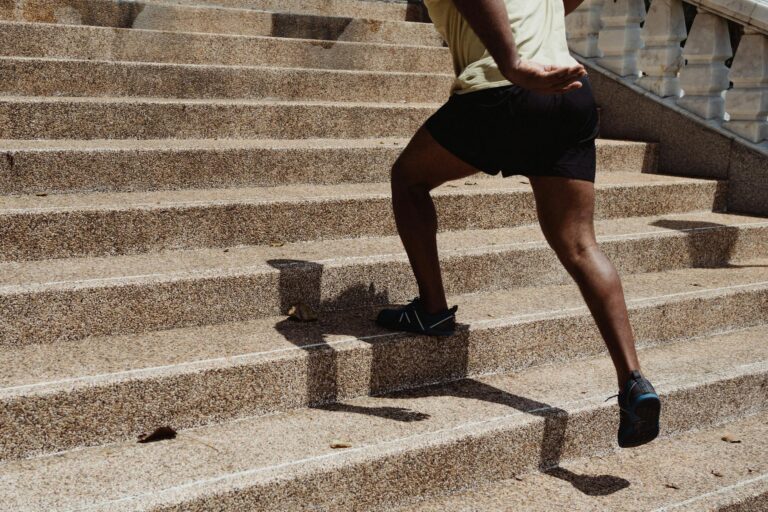
The best treatment for shin splints is structured rest combined with ice, anti-inflammatory medication, and a gradual return to activity — not pushing through the pain and hoping it fades. That combination, applied consistently over two to six weeks for mild cases or up to three to six months for more stubborn presentations, resolves the vast majority of shin splint cases without medical intervention. The key word is “structured.” Complete inactivity is rarely necessary, but continuing to pound pavement on inflamed tibias will almost certainly make things worse and may lead to a stress fracture that sidelines you for far longer. Shin splints — clinically known as Medial Tibial Stress Syndrome, or MTSS — are the single most common cause of exercise-induced leg pain, responsible for up to 35% of sports-related injuries in athletes who run and jump.
They account for roughly 10.7% of injuries in male runners and 16.8% in female runners, which means if you run long enough, odds are decent you will deal with this at some point. Interestingly, the condition’s exact pathology is still not fully understood. Researchers writing in the Journal of Orthopaedic & Sports Physical Therapy in 2025 have even proposed renaming it to “Load Induced Medial-Leg Pain” because the term “tibial stress” is misleading and gets confused with actual bone stress injuries. This article breaks down each component of effective shin splint treatment — from the immediate steps you should take when pain first appears, to the strengthening exercises and footwear changes that prevent recurrence, to the warning signs that mean you need imaging and professional evaluation. Whether you are a new runner dealing with shin pain for the first time or someone who has battled this injury across multiple training cycles, the approach matters more than any single remedy.
Table of Contents
- What Is the Most Effective First-Line Treatment for Shin Splints?
- Stretching and Strengthening Exercises That Actually Help
- How Training Errors Cause Shin Splints and How to Fix Them
- Choosing the Right Footwear and Orthotics for Shin Splint Recovery
- Warning Signs That Your Shin Splints May Be Something Worse
- The Role of Running Surface and Impact Reduction
- What the Evolving Science Says About Shin Splint Treatment
- Conclusion
What Is the Most Effective First-Line Treatment for Shin Splints?
The most effective initial treatment is a combination of relative rest, cryotherapy, and over-the-counter pain relief. Apply ice or cold compresses to the affected shins for 15 to 20 minutes at a time, three to four times per day, for several days after symptoms appear. Pair this with ibuprofen, naproxen sodium, or acetaminophen to manage pain and reduce inflammation. This protocol, recommended by both the Mayo Clinic and Cleveland Clinic, addresses the acute symptoms while you modify your activity level. The critical mistake many runners make is treating NSAIDs as permission to keep training at the same volume. They are not a substitute for reducing load — they are a complement to it.
Relative rest means switching to low-impact cross-training rather than sitting on the couch for a month. Swimming, cycling, pool running, and elliptical work allow you to maintain cardiovascular fitness without the repetitive impact that caused the problem. A runner logging 40 miles per week who develops shin splints might drop all road running, replace it with four to five sessions of pool running and cycling per week, and gradually reintroduce easy jogging on soft surfaces after two to three weeks of pain-free cross-training. That timeline varies — milder cases can improve in as little as two to four weeks according to MedlinePlus, while more persistent cases may take three to six months of conservative treatment per the Cleveland Clinic. The difference between runners who resolve shin splints quickly and those who deal with them for months often comes down to how early they intervene. Catching the pain at the “only hurts during the first mile” stage and backing off immediately is far more effective than waiting until every step is painful. Once the pain is present at rest or during normal walking, you have likely progressed to a point where recovery will take significantly longer.

Stretching and Strengthening Exercises That Actually Help
Gentle stretching and targeted strengthening of the lower leg muscles form the second pillar of shin splint treatment, and the evidence favors eccentric exercises in particular. Eccentric calf raises — where you slowly lower your heel off the edge of a step over three to four seconds — load the calf-soleus complex in a way that builds resilience to the repetitive stress of running. Physical therapy programs focusing on these eccentric movements have shown measurable benefit in peer-reviewed research. Strengthening the tibialis anterior, the muscle running along the front of your shin, is equally important. Toe raises, resistance band dorsiflexion, and towel scrunches are simple exercises that directly target this often-neglected muscle group. However, if your shin pain is acute and sharp, jumping straight into strengthening exercises can aggravate the problem.
The stretching and strengthening phase should begin after the initial inflammatory period has subsided — typically a few days to a week after onset, once icing and rest have reduced the acute pain. Starting too aggressively with exercises like weighted calf raises or aggressive foam rolling on the tibial border can increase irritation rather than resolve it. A physical therapist can assess your specific presentation and provide a progressive loading program tailored to your recovery stage. Physiotherapy extends beyond simple exercises to include gait retraining and biomechanical assessment. A runner who overstrikes — landing with the foot far out in front of the body — places substantially more impact force on the tibia with each step. A physical therapist can identify this pattern using video gait analysis and coach adjustments such as increasing cadence by five to ten percent, which naturally shortens stride length and reduces impact loading. This kind of biomechanical correction addresses the root cause rather than just managing symptoms, which is why physical therapy is frequently recommended both for treatment and long-term prevention of MTSS.
How Training Errors Cause Shin Splints and How to Fix Them
The majority of shin splint cases trace back to training errors rather than structural problems. The classic scenario is a runner who increases weekly mileage too quickly — jumping from 20 miles per week to 35 in the span of two or three weeks because a race is approaching and the training plan says so. The widely cited “10% rule,” endorsed by Mass General Brigham and other sports medicine institutions, recommends limiting weekly mileage increases to no more than 10%. So a runner at 25 miles per week should cap the following week at roughly 27 to 28 miles. This is a guideline, not a law, but it provides a useful guardrail against the kind of sudden load spikes that overwhelm the tibia’s ability to adapt. Surface matters too.
A runner who trains exclusively on concrete sidewalks absorbs significantly more impact per stride than one who splits time between roads, packed trails, and tracks. Transitioning some runs to softer surfaces — grass, dirt paths, rubberized tracks — can reduce cumulative stress on the shins while maintaining training volume. One practical example: a runner dealing with early shin splint symptoms might keep their long run on a crushed gravel trail, do easy runs on grass at a local park, and reserve road running only for tempo workouts where pace matters. That single change can substantially reduce the repetitive load that drives MTSS. Speed work and hill repeats deserve special attention. Both place higher eccentric demands on the lower leg than easy running, and introducing them too early in a training block — or doing too many in a single week — is a common trigger. If you are returning from a shin splint episode, reintroduce intensity sessions last, after easy mileage has been rebuilt pain-free for at least two to three weeks.

Choosing the Right Footwear and Orthotics for Shin Splint Recovery
Footwear is one of the most controllable variables in shin splint treatment, yet many runners wear shoes well past their functional lifespan. Running shoes should be replaced every 300 to 500 miles, according to both the Cleveland Clinic and Mayo Clinic. After that point, the midsole foam has compressed enough that it no longer absorbs impact effectively, even if the outsole still looks fine. A runner logging 30 miles per week will hit 300 miles in just ten weeks, which means shoes that felt perfect in January may be contributing to shin pain by March. The tradeoff with orthotics is worth understanding. Custom-made arch supports can help runners with flat feet or significant overpronation by controlling excess inward rolling of the foot, which places additional stress on the medial tibial border.
Over-the-counter insoles from brands like Superfeet or Powerstep offer a less expensive alternative and work well for many runners. However, orthotics are not a universal fix. A runner with a neutral gait and adequate arch height is unlikely to benefit from arch supports, and overly rigid orthotics can sometimes create new problems by restricting natural foot movement. If you are considering orthotics, getting a professional gait analysis first — available at many specialty running stores or through a sports podiatrist — helps ensure you are solving the right problem. Shoe type matters as well. A runner in a heavily cushioned, high-drop shoe who switches abruptly to a minimalist flat will dramatically increase the eccentric load on the calf and tibialis anterior, which can provoke shin splints even in someone who has never had them. Any footwear transition should be gradual, with the new shoes used for only a portion of weekly mileage at first and slowly phased in over several weeks.
Warning Signs That Your Shin Splints May Be Something Worse
Not all shin pain is MTSS, and one of the most important aspects of treating shin splints is knowing when to stop self-treating and see a doctor. The red flags are straightforward: if rest, ice, and over-the-counter pain relievers do not ease the pain after several weeks, if the pain is severe even at rest, or if the shins are visibly swollen, red, or hot to the touch, you may be dealing with a tibial stress fracture rather than simple shin splints. Johns Hopkins Medicine specifically identifies these as signs warranting medical evaluation, and the distinction matters because stress fractures require a different and more restrictive treatment approach, often including a period in a walking boot. If symptoms persist beyond six months despite consistent conservative treatment, imaging should be pursued. X-rays can reveal established stress fractures, though early-stage fractures may not show up on plain film.
MRI and bone scans are more sensitive and can differentiate between MTSS, stress fractures, and other conditions such as chronic exertional compartment syndrome, which presents with similar symptoms but has an entirely different mechanism and treatment. Compartment syndrome causes pain that increases with exercise and resolves with rest, often accompanied by a feeling of tightness or fullness in the lower leg — if that description sounds familiar, mention it to your doctor. The limitation of self-diagnosis is that MTSS, stress fractures, and compartment syndrome can all feel remarkably similar in their early stages. A runner who assumes they have “just shin splints” and continues training through what is actually an early stress fracture risks progressing to a complete fracture that requires months of no weight-bearing activity. When in doubt, an evaluation from a sports medicine physician is worth the time and cost.

The Role of Running Surface and Impact Reduction
Running surface is an underappreciated factor in both developing and recovering from shin splints. Concrete, the hardest common running surface, transmits more impact force to the lower leg than asphalt, which in turn is harder than packed dirt or grass. A runner rehabbing shin splints who shifts their easy runs from sidewalks to a well-maintained grass field or soft dirt trail immediately reduces the per-stride load on the tibia without changing anything else about their training.
This does not mean you need to avoid roads permanently. The goal during recovery is to reduce cumulative stress below the threshold that provokes symptoms, and surface selection is one lever you can pull. Once you have rebuilt mileage pain-free on softer surfaces, gradually reintroducing road running — starting with one or two sessions per week — lets the tibia adapt progressively rather than getting slammed back into the same conditions that caused the injury.
What the Evolving Science Says About Shin Splint Treatment
The fact that researchers are still debating what to call this condition tells you something about where the science stands. The 2025 proposal in the Journal of Orthopaedic & Sports Physical Therapy to rename MTSS to “Load Induced Medial-Leg Pain” reflects a growing acknowledgment that the exact tissue-level pathology — whether it primarily involves bone, periosteum, muscle, or fascia — remains unclear. This matters for treatment because different underlying mechanisms may respond better to different interventions. If the primary driver is bone stress, load management is paramount.
If it is more of a muscular or fascial issue, targeted strengthening and manual therapy may play a larger role. What the evidence does consistently support is that a multimodal approach works best. No single intervention — not rest alone, not ice alone, not orthotics alone — resolves shin splints as effectively as combining several strategies simultaneously. The runners who recover fastest tend to be the ones who reduce training load early, cross-train consistently, address any biomechanical or footwear issues, and strengthen their lower legs before ramping mileage back up. The science may still be refining the details, but the broad strokes of effective treatment are well established and accessible to any runner willing to be patient with the process.
Conclusion
Treating shin splints effectively comes down to early intervention and a willingness to temporarily change how you train. The combination of relative rest, ice applied for 15 to 20 minutes several times daily, anti-inflammatory medication, and a switch to low-impact cross-training addresses the acute phase. Eccentric strengthening exercises, gait retraining, proper footwear replacement every 300 to 500 miles, and gradual mileage increases using the 10% rule address the underlying causes and prevent recurrence. Most runners recover within three to six months with this conservative approach, and milder cases often resolve in two to four weeks.
The most important takeaway is that shin splints are a load management problem. Your tibia and surrounding tissues are telling you that the current combination of volume, intensity, surface, and footwear exceeds what they can handle. The fix is not a single product or exercise — it is a systematic adjustment of those variables until you find the balance that lets you train consistently without pain. If conservative measures fail after several weeks, or if pain is severe at rest, get imaging to rule out a stress fracture. But for the vast majority of runners, patience and a structured approach will get you back on the road.