Yes, dumbbells are worth the money for most people, and it is not particularly close. A pair of adjustable dumbbells costing less than $500 can replace a full rack of fixed weights that would run you well over $1,000, and either option pays for itself within a few years compared to a gym membership. If you run regularly and want to add strength work without committing to a full home gym or driving to a crowded weight room, dumbbells are the single most cost-effective piece of equipment you can buy after the basics. The math is straightforward. New dumbbells cost between $1.40 and $3.00 per pound in 2026, depending on material.
A runner who picks up a pair of 20-pound cast iron hex dumbbells is looking at roughly $56 total. That covers lunges, goblet squats, rows, presses, and dozens of other movements that directly support running performance. Meanwhile, gym memberships have increased over 65 percent in the last decade, with annual costs now commonly exceeding $1,000 per year at mid-tier facilities. At that rate, even a generous home dumbbell setup breaks even in about three years. This article covers what dumbbells actually cost in 2026, how they compare to gym memberships over time, which types offer the best value for runners and general fitness, and a few important warnings — including a safety recall — that you should know before buying.
Table of Contents
- How Much Do Dumbbells Really Cost in 2026?
- Dumbbells vs. Gym Membership — Which Saves You More?
- Best Value Dumbbells for Runners and Home Gyms
- Fixed vs. Adjustable Dumbbells — Which Type Makes More Sense?
- Safety Warnings and What to Watch Before Buying
- How Dumbbells Specifically Help Runners
- Will Dumbbell Prices Go Up or Down?
- Conclusion
- Frequently Asked Questions
How Much Do Dumbbells Really Cost in 2026?
Dumbbell pricing depends almost entirely on material and whether you are buying fixed or adjustable. Cast iron dumbbells sit at the bottom of the price range at roughly $1.40 per pound, making them the most affordable option for anyone building a home setup. Urethane-coated dumbbells start around $1.80 per pound and climb from there. A full set of fixed dumbbells ranging from 5 to 50 pounds can cost over $1,000, which is a significant investment if you are buying everything at once. Adjustable dumbbells covering the same weight range typically come in under $500, which is why they have become the default recommendation for home gym beginners. Used dumbbells are another viable path.
They typically sell for 50 to 70 percent of retail price, and because dumbbells are essentially hunks of metal with minimal moving parts, a used cast iron hex dumbbell functions identically to a new one. Check local marketplaces before buying retail — especially after January, when resolution-driven purchases start showing up on resale sites. The one exception is adjustable dumbbells, where wear on the selector mechanism can create safety issues, so inspect those carefully before buying secondhand. For runners specifically, you do not need a massive collection. Two or three pairs of fixed dumbbells — say 15, 25, and 35 pounds — will cover single-leg work, upper body strength, and core exercises that translate directly to better running economy. At cast iron prices, that entire setup runs under $200.
Dumbbells vs. Gym Membership — Which Saves You More?
The long-term math favors owning your own equipment, but the timeline depends on what you are comparing. Home gym setups range from $500 to $15,000 depending on how far you take it, while gym memberships run from about $10 to $100 per month. At the budget end, even Planet Fitness at roughly $15 per month plus annual fees becomes more expensive than a basic home dumbbell setup after approximately 12 years, assuming no price increases — and gym prices do increase. At the mid-tier level, a $50-per-month membership costs $600 annually, meaning a $500 adjustable dumbbell set pays for itself before the first year is out. However, this comparison has limits. If you need access to barbells, cable machines, a pool, or group classes, dumbbells alone will not replace a gym.
The cost advantage only holds if dumbbells actually cover the training you want to do. For runners who primarily need strength supplementation — hip stability work, single-leg exercises, upper body maintenance — dumbbells handle the job completely. If you are training for powerlifting or bodybuilding, they are a complement to a gym, not a replacement. There is also the consistency factor that rarely shows up in cost comparisons. A set of dumbbells in your living room eliminates the commute, the crowd, and the excuse. For time-crunched runners fitting in 20-minute strength sessions between runs, that accessibility is worth more than any dollar figure.
Best Value Dumbbells for Runners and Home Gyms
Not all dumbbells deliver the same value, and the best pick depends on your space, budget, and how you train. For fixed dumbbells, REP Rubber Hex Dumbbells are widely considered the best overall value in 2026. They come in weights from 2.5 to 125 pounds, carry a lifetime home gym warranty, and are rated highly for both durability and affordability. If you are on a tighter budget, CAP Coated Hex Dumbbells score a 4.25 out of 5 for value and cost considerably less than competitors — they are the workhorse option you will find in most budget home gyms. On the adjustable side, the SMRFT Nüobell Classic is cited as the best value adjustable dumbbell on the market, offering a smooth selector mechanism and a compact footprint.
For those watching every dollar, the Bowflex SelectTech 552 has long been recommended for tight budgets, though there is an important caveat covered in the safety section below. The REP Fitness QuickDraw Adjustable Dumbbells also deserve mention, scoring 4.5 out of 5 for value with a design that feels closer to a traditional dumbbell than most adjustable models. For runners, the sweet spot is usually a pair of mid-weight adjustable dumbbells or two to three pairs of fixed hex dumbbells. You do not need to go heavy. Most running-specific strength work — Bulgarian split squats, Romanian deadlifts, bent-over rows — happens in the 15-to-40-pound range, which keeps costs manageable regardless of which style you choose.
Fixed vs. Adjustable Dumbbells — Which Type Makes More Sense?
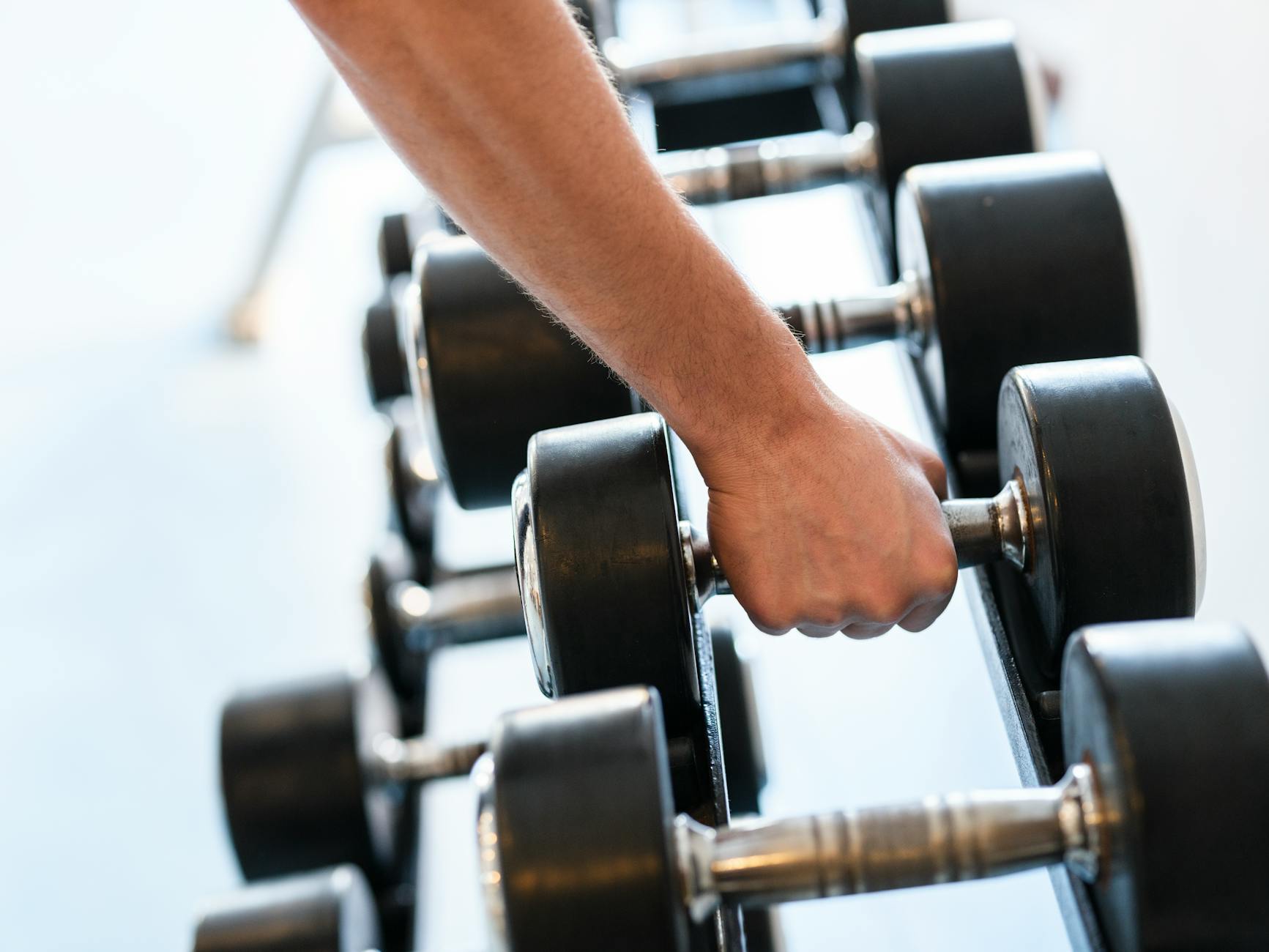
This is the most common decision point, and the answer comes down to two factors: space and how you like to train. Adjustable dumbbells are ideal for limited space and budget. A single pair replaces an entire rack, and they cost less than half what an equivalent fixed set would run. If you live in an apartment, train in a spare bedroom, or simply do not want a wall of iron in your garage, adjustable is the practical choice. Fixed dumbbells win on convenience if space and budget allow. Supersets and drop sets — where you move quickly between different weights — are clunky with adjustable models because you have to stop, dial or slide to a new weight, and reset.
With fixed dumbbells, you just grab the next pair. This matters less for runners doing straightforward strength circuits, but it matters a lot for anyone doing higher-volume hypertrophy work. Fixed dumbbells also have no moving parts to fail, which means longevity is essentially unlimited. The tradeoff is real. A runner with a corner of a bedroom and a $300 budget should go adjustable without hesitation. Someone outfitting a two-car garage who plans to train for decades should consider building a fixed set over time, starting with the weights they use most and adding pairs as budget allows. Buying used fixed dumbbells at 50 to 70 percent of retail makes this approach more accessible than it first appears.
Safety Warnings and What to Watch Before Buying
One issue that does not get enough attention is the June 2025 recall of Bowflex SelectTech 552 and 1090 adjustable dumbbells. The recall was issued because weight plates can dislodge from the handle during use — a serious hazard during overhead presses or any movement where a falling plate could cause injury. If you own these models, check whether yours is affected and follow the recall instructions before using them again. If you are considering buying Bowflex adjustable dumbbells used, verify the manufacturing date and recall status before handing over any money. Beyond the recall, cheap adjustable dumbbells with poorly machined selector mechanisms can develop play over time, leading to plates that shift mid-lift.
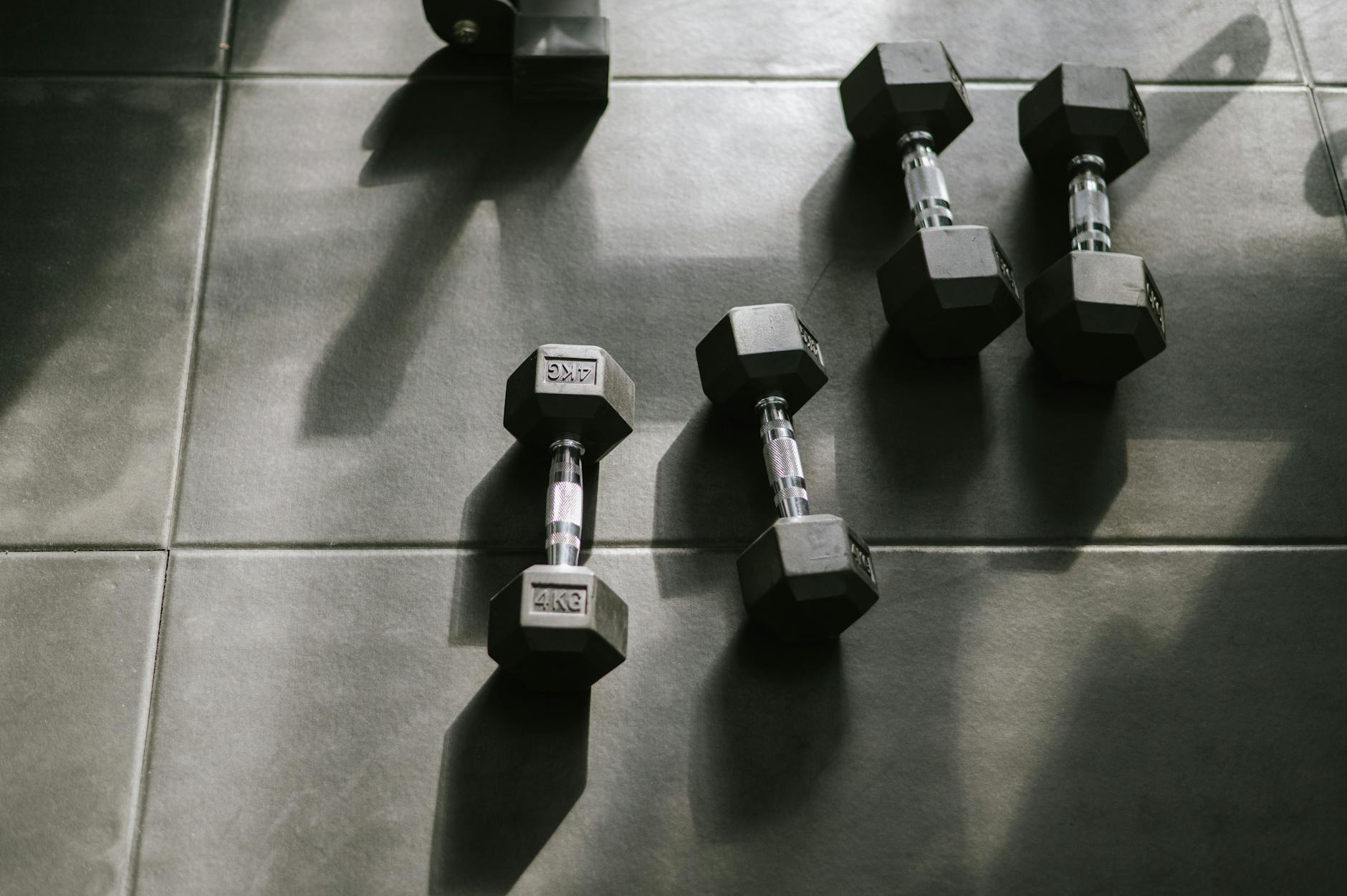
This is less of a concern with reputable brands like the Nüobell or REP QuickDraw, but it is a real risk with no-name imports. Saving $100 on a knockoff adjustable dumbbell is not worth the risk of a plate landing on your foot during a set of lunges. For fixed dumbbells, the main warning is simpler: buy hex-shaped, not round. Round dumbbells roll, and a rolling dumbbell on a hard floor is a hazard and an annoyance. Hex dumbbells stay put when you set them down, which matters when you are doing floor-based exercises like renegade rows or dumbbell push-up variations.

How Dumbbells Specifically Help Runners
Runners tend to undervalue strength training until an injury forces the issue. Dumbbells address the two most common weaknesses that lead to running injuries: hip instability and single-leg imbalances. A simple routine of dumbbell Bulgarian split squats, single-leg Romanian deadlifts, and lateral lunges, done twice per week, targets the glutes, hamstrings, and stabilizers that keep your pelvis level and your knees tracking properly at mile 20.
Unlike barbells, dumbbells force each side of your body to work independently, which exposes and corrects the left-right imbalances that bilateral exercises mask. This is not theoretical — it is one of the primary reasons physical therapists prescribe dumbbell work for runners recovering from IT band syndrome, patellofemoral pain, and hip bursitis. A $60 pair of 20-pound cast iron hex dumbbells and a consistent routine can do more for your injury prevention than most recovery gadgets that cost three times as much.
Will Dumbbell Prices Go Up or Down?
Dumbbell prices have stabilized significantly since the pandemic-era spikes of 2020 and 2021, when weights were selling for $5 or more per pound on resale markets. The current range of $1.40 to $3.00 per pound for new dumbbells reflects a market that has largely normalized, and competition among brands like REP, CAP, and SMRFT continues to push value upward. Budget-friendly options like the Nike Grind Dumbbells, which range from $15 to $215 and come in $10 to $20 cheaper than comparable brands, suggest that the trend is toward more options at lower price points, not fewer.
If you have been waiting for prices to drop further, the gains from here are likely marginal. Meanwhile, gym membership costs continue climbing. The longer you wait, the wider the gap between owning and renting your strength training. For runners looking to add durable, versatile equipment that pays for itself quickly, 2026 is a fine time to buy.
Conclusion
Dumbbells are one of the soundest investments you can make in your fitness, whether you are a runner adding strength work or someone building a complete home gym. The numbers support it: at $1.40 to $3.00 per pound for new dumbbells and under $500 for a quality adjustable set, you are looking at equipment that outlasts a gym membership in value within one to three years. Experts consistently rank dumbbells among the most versatile pieces of gym equipment available, recommending them as a top-priority purchase for any home setup.
Start with what you need now, not what you might want later. Runners can get enormous value from two or three pairs of fixed hex dumbbells or a single adjustable set. Pay attention to the Bowflex recall if buying used, stick with hex shapes for fixed weights, and buy from established brands if going adjustable. The best dumbbell is the one you actually use — and having it ten feet from your front door instead of a 15-minute drive away makes all the difference.
Frequently Asked Questions
Are cheap dumbbells just as good as expensive ones?
For basic cast iron or rubber hex dumbbells, yes. A $1.40-per-pound CAP dumbbell does the same job as a $3.00-per-pound premium model. The difference is in coating durability and warranty, not function. Where quality matters more is adjustable dumbbells, where the selector mechanism needs to be reliable for safety.
How many dumbbells do I need as a runner?
Most runners can cover all their strength needs with two to three pairs of fixed dumbbells in the 15-to-40-pound range, or a single pair of adjustable dumbbells. You do not need a full rack unless you are doing serious bodybuilding work alongside your running.
Are adjustable dumbbells safe?
Reputable brands like the SMRFT Nüobell and REP QuickDraw are well-engineered and safe when used properly. However, the Bowflex SelectTech 552 and 1090 models were recalled in June 2025 due to plates dislodging during use. Always check recall status before buying adjustable dumbbells, especially used ones.
Should I buy new or used dumbbells?
Used dumbbells sell for 50 to 70 percent of retail and are perfectly functional for fixed models, since they are solid metal with no parts to wear out. For adjustable dumbbells, buy new or inspect used ones very carefully — worn selector mechanisms can be a safety issue.
When do dumbbells become cheaper than a gym membership?
At mid-tier gym prices of around $50 per month, a $500 adjustable dumbbell set pays for itself in under a year. Even compared to the cheapest gym option at roughly $15 per month, home dumbbells become the better deal after about 12 years — and gym prices rarely stay flat that long.