

The most reliable signs your walking shoes are worn out include compressed midsole foam, uneven tread wear, visible cracks in the outsole, and a heel counter that no longer holds its shape. If you place your shoes on a flat surface and notice they tilt inward or outward rather than sitting level, that alone is a clear signal the internal structure has broken down. According to the American Academy of Podiatric Sports Medicine, walking shoes should be replaced every 300 to 500 miles, which translates to roughly every 6 to 12 months depending on how often you walk.
Most people do not track mileage on their walking shoes the way runners might, so the physical and performance-based warning signs matter even more. A walker logging 3 to 4 miles per day, for instance, could blow through a pair in as little as four months. The trouble is that shoe degradation happens gradually, so you adapt to the declining support without realizing it until your knees start aching or you develop a blister that was never there before. This article breaks down the specific visual indicators of shoe wear, the body signals that suggest your footwear has failed, how long you can realistically expect a pair to last based on your walking habits, and practical steps to extend the life of your shoes and know exactly when it is time to move on.
Table of Contents
- How Do You Know When Your Walking Shoes Are Worn Out?
- Physical Warning Signs That Your Shoe Structure Has Failed
- Body Signals That Point to Worn-Out Walking Shoes
- How Long Should Walking Shoes Last Based on Your Routine?
- Can You Extend the Life of Your Walking Shoes?
- Why Walking in Worn-Out Shoes Is a Real Injury Risk
- Building a Replacement Schedule That Works
- Conclusion
How Do You Know When Your Walking Shoes Are Worn Out?
The single most telling test you can perform at home takes about five seconds. Press your thumb firmly into the midsole, the layer of foam between the insole and the outsole. When the shoe was new, that material compressed easily under pressure and bounced back. If the midsole now feels hard and resistant, or if you can see horizontal wrinkles and creases across it, the EVA or foam cushioning has broken down. The AAPSM specifically recommends this press test as a quick diagnostic for shoe replacement. A midsole that fails this test is no longer absorbing the repetitive impact of each step, which means your joints are picking up the slack. Flip the shoe over and examine the outsole. Tread patterns exist for grip and durability, but they also serve as a visual wear indicator.
If the tread has worn smooth in patches, or worse, if you can see through to the midsole material underneath, the shoe is past its useful life. The AAPSM notes that a difference of more than 4 millimeters in wear from one side of the heel to the other signals a structural imbalance that the shoe can no longer correct. Compare the wear pattern on your left shoe to your right. Significant asymmetry suggests not only that the shoes are done but that they may have been compensating for a gait issue that a fresh pair, or a visit to a podiatrist, could address more effectively. Finally, check the heel counter, the rigid cup at the back of the shoe that wraps around your heel. Squeeze it between your thumb and forefinger. A new shoe holds firm. A worn-out shoe collapses easily, and you may notice the back of the shoe folds over when you walk. Once the heel counter is crushed, the shoe cannot stabilize your foot through the gait cycle, and your risk of ankle rolls and Achilles strain goes up.
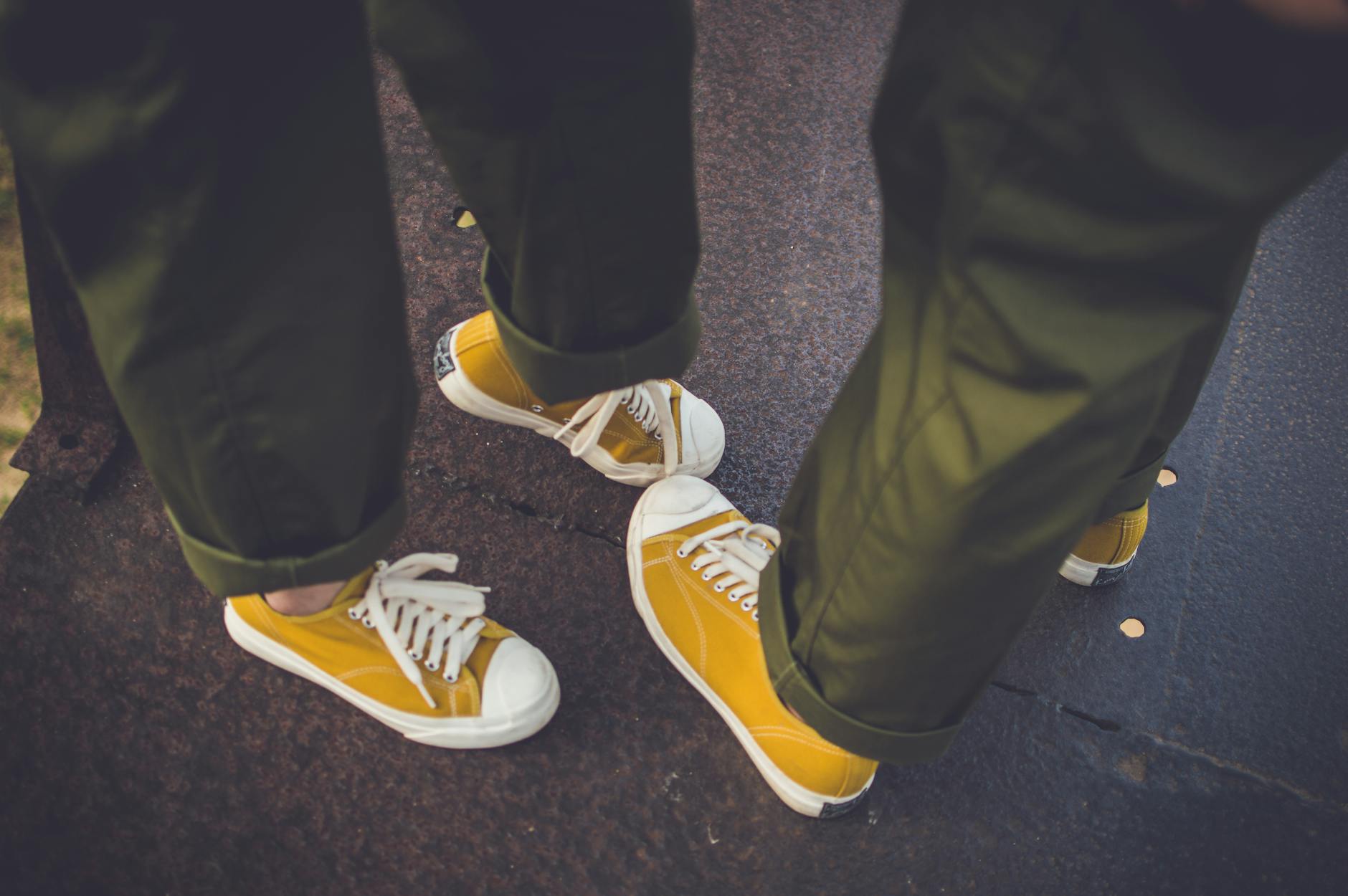
Physical Warning Signs That Your Shoe Structure Has Failed
Beyond the midsole and heel counter, the upper portion of the shoe tells its own story. Look for rips, separations at the glue seams, or mesh that has stretched and thinned. Cracks in the outsole rubber are another dead giveaway. According to Hawley Lane Shoes, visible structural damage to either the outsole or upper means the shoe can no longer provide proper support or protection. A cracked outsole, for example, allows water and debris to penetrate the shoe, accelerating the breakdown of the midsole foam inside. However, it is worth noting that cosmetic wear does not always equal functional failure. A shoe with scuffed leather or a dirty upper but an intact midsole and solid tread may still have life left.
Conversely, a shoe that looks perfectly clean on the outside, perhaps because it has only been used on a treadmill or indoor track, can still have a completely shot midsole. Appearance alone is not a reliable indicator in either direction. The structural tests matter more than aesthetics. One warning that catches people off guard: shoe foam degrades even without use. EVA midsoles break down over time from heat and humidity, so a pair of walking shoes that has been sitting in a garage or closet for two or three years may have lost significant cushioning despite looking brand new. Fleet Feet has documented this phenomenon, and it is especially relevant for anyone who buys shoes on clearance and stores them as backups. If the manufacturing date is more than a couple of years old, test the midsole before trusting those shoes on a long walk.
Body Signals That Point to Worn-Out Walking Shoes
Your body is often the first to register what your eyes miss. New aches and pains in the feet, ankles, knees, hips, or lower back that develop without a change in your walking routine or intensity are a strong indicator that your shoes have lost their protective capacity. Pasco-Hernando Foot and Ankle notes that pain or stiffness that was not present before may indicate degraded cushioning and support. A common scenario is the walker who gradually develops plantar fascia tightness or shin soreness over a few weeks and attributes it to aging or overtraining, when in reality the shoes crossed the 400-mile threshold a month ago. Blisters, calluses, and hot spots that appear suddenly on feet that were previously comfortable are another red flag. These develop when internal shoe structure breaks down and creates abnormal friction points.
If you have been walking in the same shoe model for a year without issues and suddenly develop a blister on the ball of your foot, the shoe has likely shifted or deformed in a way that changed how your foot contacts the interior. Reduced cushioning feel is the subtlest sign because it happens so gradually. The shoe no longer feels as supportive or responsive as it did when new. If you have a newer pair of the same model available for comparison, the difference is usually striking. Many walkers describe the sensation as walking on a harder surface, even though their route has not changed. That loss of energy return and shock absorption is the midsole foam doing less and less of its job with each passing mile.

How Long Should Walking Shoes Last Based on Your Routine?
The 300-to-500-mile replacement window from the AAPSM is useful as a general range, but the practical timeline varies dramatically based on walking habits, body weight, walking surface, and shoe construction. Someone who walks 30 minutes per day at a moderate pace can expect to replace shoes approximately every 6 months. A more committed walker logging an hour per day should plan on replacing shoes every 3 months, according to Stone and Clark. Vionic Shoes estimates that a person walking 3 to 4 miles daily will need new shoes approximately every 4 to 6 months. The tradeoff here is between tracking mileage precisely and relying on physical signs. Mileage tracking, whether through a fitness app or a simple log, gives you a proactive replacement schedule.
You know the shoes are approaching their limit before problems start. Physical inspection is reactive but more accessible for the average walker who does not want to maintain a spreadsheet. The ideal approach combines both: track your approximate weekly mileage so you know when to start checking, and then use the press test, tread inspection, and heel counter check to confirm when the time has come. Surface matters too. Walking primarily on concrete and asphalt grinds down outsoles faster than softer surfaces like dirt trails or rubber tracks. Heavier walkers compress midsole foam more quickly per mile than lighter ones. And cheaper shoes with lower-density foam tend to hit the lower end of that 300-mile range, while premium models with more resilient cushioning compounds can push toward 500.
Can You Extend the Life of Your Walking Shoes?
Rotating between two pairs of walking shoes is one of the most effective strategies for extending shoe lifespan. Kane Footwear recommends alternating pairs because it allows the midsole foam to decompress and recover between uses. Foam that is compressed day after day never fully rebounds, but a 24- to 48-hour rest period lets the material regain some of its shape. In practice, this means two pairs used in rotation can each last longer than a single pair used exclusively, making the total investment roughly the same while providing better cushioning throughout. There are limits, though. Rotation slows degradation but does not stop it. A shoe that has accumulated 450 miles across six months of alternating use is still a shoe with 450 miles of structural fatigue.
The foam has a finite compression life regardless of rest periods. Similarly, aftermarket insoles can supplement declining support, but they cannot fix a collapsed midsole or cracked outsole. An insole in a worn-out shoe is a bandage, not a solution. Storage also plays a role. Keep shoes in a cool, dry environment out of direct sunlight. Heat accelerates EVA breakdown, so leaving shoes in a hot car trunk or near a heating vent shortens their life. Removing the insoles after a sweaty walk and letting both the shoe and insole air out separately helps manage moisture and reduces internal material degradation.
Why Walking in Worn-Out Shoes Is a Real Injury Risk
The consequences of ignoring worn-out shoes go beyond discomfort. The midsole is the primary cushioning layer, and once it is compressed, it no longer absorbs shock properly, as Taos Footwear points out. That unabsorbed impact transfers directly to the bones, joints, and connective tissues of the foot, ankle, knee, and hip. Over weeks and months, this can contribute to stress fractures, plantar fasciitis, knee cartilage wear, and chronic lower back pain.
For older walkers or those with existing joint conditions, the margin for error is thinner, and the cost of wearing dead shoes can be a setback that takes months to recover from. A useful reference point: if you have ever walked barefoot on a hard floor after spending all day in cushioned shoes, you know how jarring the impact feels. A worn-out shoe is not quite that extreme, but it is trending in that direction. The difference between a fresh midsole and one with 500 miles on it can be the difference between comfortable daily walking and a gradually worsening overuse injury.
Building a Replacement Schedule That Works
The most practical approach is to note the date you start wearing a new pair of walking shoes, either on your phone or with a small mark inside the shoe tongue. From there, use the mileage and timeline guidelines as checkpoints rather than hard rules. At the three-month mark, start performing the press test and visual inspections weekly.
If your walking routine changes, whether you increase distance, switch surfaces, or gain weight, adjust your expectations accordingly. Looking ahead, shoe technology continues to improve midsole durability, with newer foam compounds claiming longer compression life than traditional EVA. But no foam lasts forever under repetitive load, and the fundamental principle remains the same: the shoe is a consumable that absorbs punishment so your body does not have to. Treating it as such, with regular inspection and timely replacement, is one of the simplest injury-prevention strategies available to any walker.
Conclusion
Worn-out walking shoes reveal themselves through a combination of physical signs and body feedback. Compressed midsole foam, cracked outsoles, tread worn past 4 millimeters of asymmetry, a collapsed heel counter, and a shoe that tilts on a flat surface are the visual indicators. New pain in the feet, knees, hips, or back, along with sudden blisters or a noticeable loss of cushioning feel, are the performance indicators.
Either category alone is enough to justify replacement. Plan for new shoes every 300 to 500 miles, or roughly every 3 to 6 months for regular walkers. Use the press test as your quick go-to diagnostic, rotate pairs when possible, and do not assume that shoes sitting in storage are still good. Your walking habit is only as sustainable as the shoes supporting it, and replacing them on time is far cheaper than treating the injuries that worn-out footwear can cause.
1 thought on “Signs Your Walking Shoes Are Worn Out”
Comments are closed.