
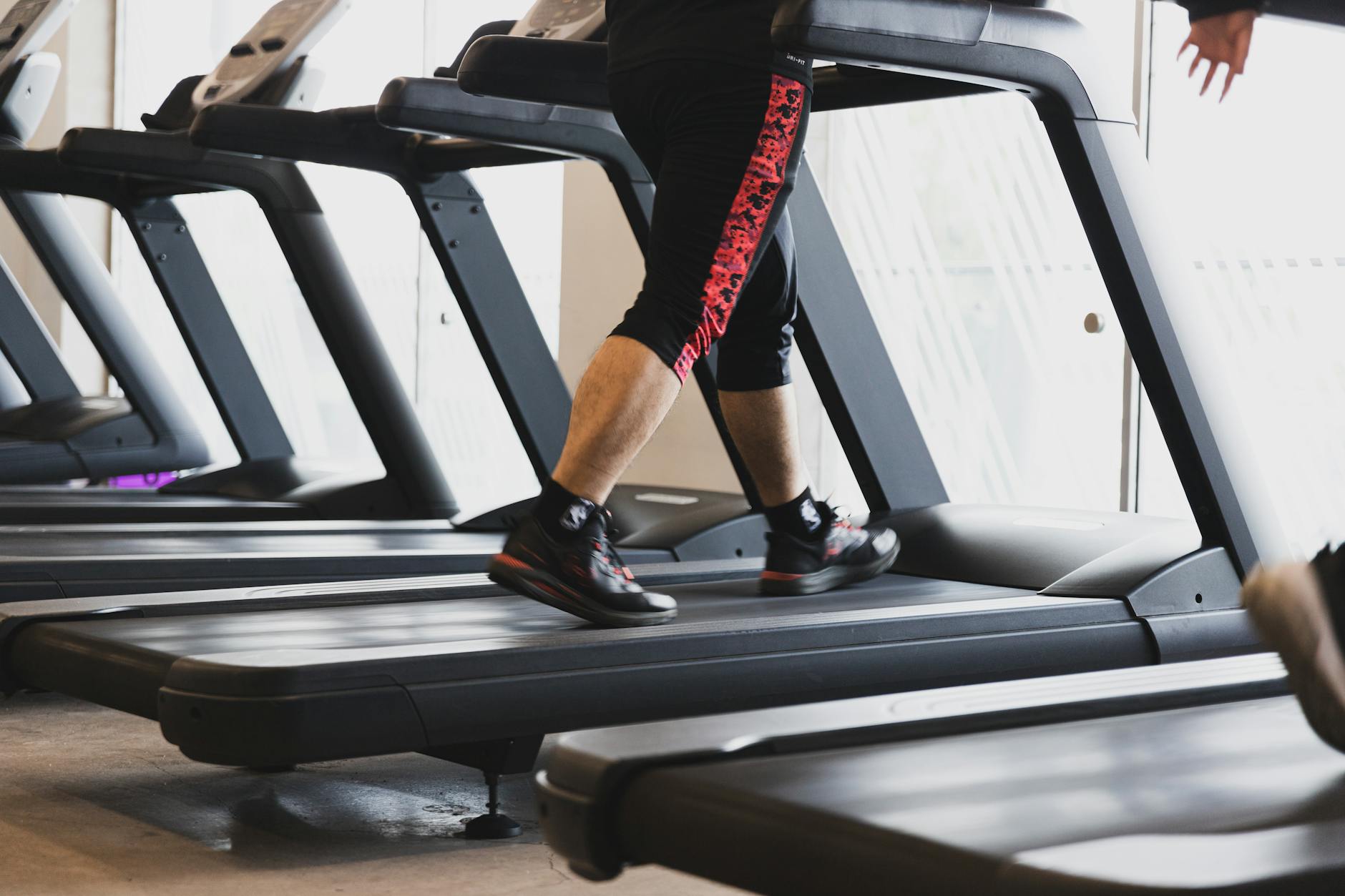
The best walking shoe for treadmill workouts in 2026 is the Nike Pegasus 41, which lab testing has confirmed is 24.4 percent softer than the average shoe while still delivering responsive bounce at a retail price of $140. For walkers on a budget, the New Balance Fresh Foam X Kaiha Road offers even more cushioning — 35 percent softer than average — for just $85. Both shoes handle the repetitive, predictable surface of a treadmill belt exceptionally well, which is exactly what your feet need when you are logging miles indoors. Choosing a treadmill walking shoe is not the same as choosing a trail shoe or even a road walking shoe.
On a treadmill, the surface never changes, which means each step strikes at roughly the same angle with roughly the same force. That repetition amplifies small problems — a slight lack of arch support or a shoe that runs warm can become a genuine issue over a 45-minute session. This article breaks down what actually matters in a treadmill walking shoe, reviews the top picks across several categories, and addresses common questions about cushioning, stability, and when you might need a specialty shoe. The shoes covered here were selected based on independent lab testing and expert reviews from sources including RunRepeat, Fleet Feet, Doctors of Running, and Garage Gym Reviews. Every statistic cited comes from those verified sources, and where a recommendation depends on your specific foot type or walking style, that context is included.
Table of Contents
- What Makes the Best Walking Shoes for Treadmill Workouts Different from Regular Sneakers?
- Top Treadmill Walking Shoes Ranked by Category
- How Arch Support and Pronation Shape Your Shoe Choice
- How to Choose Between Cushioning, Stability, and Budget
- Common Mistakes When Buying Treadmill Walking Shoes
- Breaking in Treadmill Walking Shoes the Right Way
- What to Expect from Treadmill Walking Shoes Going Forward
- Conclusion
- Frequently Asked Questions
What Makes the Best Walking Shoes for Treadmill Workouts Different from Regular Sneakers?
Treadmill walking places a specific kind of stress on your feet that casual sneakers are not designed to handle. The belt surface is flat, consistent, and slightly cushioned on its own, but the repetitive impact — step after identical step — adds up fast. Experts at RunRepeat and Treadmill Review Guru agree that cushioning is the single most important feature in a treadmill walking shoe because that repetitive impact stresses the knees, ankles, and feet in ways that varied outdoor terrain does not. A regular sneaker with a thin, flat sole might feel fine for the first ten minutes, but by the end of a 30- or 40-minute session, the lack of shock absorption becomes obvious. Breathability is the second major difference. BarBend’s 2026 testing emphasizes that lightweight, breathable construction keeps feet cool during longer treadmill sessions. Unlike outdoor walking where airflow comes naturally from forward movement and changing environments, treadmill walking generates heat in a stationary indoor space.
A shoe with a dense upper and heavy build will trap moisture, which leads to blisters and general discomfort. The best treadmill walking shoes use engineered mesh uppers that vent heat without sacrificing structure. The third distinction is sole geometry. On a treadmill, you do not need aggressive tread patterns or rugged outsoles — the belt provides consistent traction. What you do benefit from is a smooth heel-to-toe transition. This is where shoes like the Hoka Clifton 10, with its signature rocker geometry, stand out. According to Doctors of Running, that rocker shape naturally propels walkers forward and reduces fatigue during extended treadmill sessions. Compare that to a flat-soled sneaker where your foot does all the work of rolling through each stride, and the difference in effort over 3,000 or 4,000 steps becomes significant.
Top Treadmill Walking Shoes Ranked by Category
The Nike Pegasus 41 earns the best overall designation for good reason. Its 11.4 mm heel drop suits the natural gait of most walkers, and its lab-tested cushioning — 24.4 percent softer than average — delivers comfort without feeling mushy or unstable. At $140, it sits in the mid-range for performance walking shoes. The Pegasus line has been a workhorse for years, and the 41st iteration refines the ride without introducing gimmicks. For walkers who want maximum shock absorption, the ASICS Dynablast 5 stands out. It offers a well-protected, comfortable ride while maintaining good flexibility and light weight despite a tall stack height. That last point matters: many high-cushion shoes sacrifice ground feel and responsiveness for padding, but the Dynablast 5 manages to avoid feeling like you are walking on stilts.
However, if you have a narrow foot, be aware that shoes with tall stack heights can sometimes feel less stable during lateral movements — stepping on and off the treadmill, for example. Stick to the belt surface and the Dynablast performs beautifully, but it is not the best choice if you plan to hop between the treadmill and a gym floor frequently. The Hoka Clifton 10 at $150 is the top pick for pure cushioning. Its plush midsole and rocker geometry work together to create a ride that almost pushes you forward. The trade-off is a stiffer sole, which means less natural foot flex. Some walkers love this — it reduces fatigue during long sessions. Others find it constraining, especially if they prefer to feel the ground beneath them. If you have never walked in a Hoka before, the sensation takes a session or two to adjust to, but most walkers who try it end up preferring it for treadmill use.
How Arch Support and Pronation Shape Your Shoe Choice
Not every foot is the same, and the best treadmill walking shoe for one person may cause problems for another. Arch support matched to your foot type — whether you have high arches, flat feet, or a neutral arch — is essential for comfort and injury prevention, according to RunRepeat’s 2026 testing. A shoe with aggressive arch support will cause pain in a flat-footed walker, while a neutral shoe offers no correction for someone who overpronates. For walkers who overpronate — meaning the foot rolls inward excessively during each step — the New Balance 860 v13 is the top recommendation. It uses Fresh Foam X cushioning combined with a firmer foam piece positioned under the arch that specifically addresses excess inward roll. Fleet Feet’s 2026 review highlights this design as effective without being heavy-handed; it guides the foot rather than forcing it into a rigid position.
The difference between a corrective shoe like the 860 v13 and a generic stability shoe is that correction: many stability shoes simply add stiffness, while the 860 v13 uses targeted foam density to address the actual biomechanical issue. The ASICS Gel-Kayano 32 takes a different approach to stability. Its 4D Guidance System, wide base, and midsole sidewalls provide pronation support through structure rather than foam density. This makes it an excellent choice for heavier walkers or those who need both cushioning and stability. However, if you are a neutral walker with no pronation issues, the Kayano 32 may feel overbuilt. The guidance system and wide base add weight and reduce the shoe’s responsiveness, which is unnecessary if your foot mechanics are already efficient. In that case, a neutral shoe like the Pegasus 41 or the Clifton 10 will feel lighter and more natural.

How to Choose Between Cushioning, Stability, and Budget
The decision between maximum cushioning and structured stability comes down to one question: does your foot need correction, or does it need protection? If you walk with a neutral gait and your primary concern is joint comfort over long treadmill sessions, prioritize cushioning. The Hoka Clifton 10 or ASICS Dynablast 5 will serve you well. If you notice your shoes wearing unevenly on the inner edge, or if you experience knee or ankle pain that worsens during walks, a stability shoe like the Gel-Kayano 32 or New Balance 860 v13 is the better investment. Budget matters, and the gap between the cheapest and most expensive shoes on this list is significant. The New Balance Fresh Foam X Kaiha Road at $85 offers cushioning that is actually softer than the Nike Pegasus 41 — 35 percent softer than average compared to the Pegasus’s 24.4 percent.
The trade-off is durability and responsiveness. Budget shoes tend to compress faster, meaning that cloud-like cushioning may flatten out after 300 miles rather than the 400 to 500 you would get from a $140 or $150 shoe. For someone walking three to four times a week on a treadmill, that difference translates to replacing the shoe a couple of months sooner. Whether that matters depends on your walking volume and how sensitive you are to changes in cushioning as a shoe ages. The middle ground — the $130 to $150 range occupied by the Pegasus 41, Clifton 10, and Kayano 32 — represents the sweet spot for most regular treadmill walkers. These shoes balance durability, comfort, and performance features in a way that justifies the price for anyone walking more than twice a week.
Common Mistakes When Buying Treadmill Walking Shoes
The most frequent mistake is buying a running shoe and assuming it works equally well for walking. While there is significant overlap, the biomechanics differ. Walkers land with less vertical impact than runners but spend more time with both feet on the ground during each stride cycle. This means walkers benefit more from smooth transitions and sustained cushioning than from the explosive energy return that many running shoes prioritize. A shoe designed for speed — with a carbon plate or aggressive rocker — may actually fight against a walker’s natural gait rather than supporting it. Another common error is ignoring the treadmill incline factor. Brooks Running specifically recommends shoes with extra cushioning and support for incline treadmill walking, noting that incline walking engages different muscle groups and puts different stress on feet than flat walking.
When you walk at an incline, your calf muscles work harder, your heel strikes at a steeper angle, and the forefoot bears more load during push-off. A shoe that feels great on a flat belt may feel inadequate at a 10 or 15 percent incline. If incline walking is a regular part of your routine, lean toward shoes with a moderate heel drop — the Pegasus 41’s 11.4 mm drop works well here — and firmer cushioning that does not bottom out under the increased load. A third mistake is keeping shoes too long. Treadmill shoes wear differently than outdoor shoes because the belt surface is uniform. The midsole compresses evenly, which means the shoe can look almost new on the outside while the cushioning inside is largely spent. Most experts recommend replacing treadmill walking shoes every 300 to 500 miles, regardless of how the outsole looks.
Breaking in Treadmill Walking Shoes the Right Way
New shoes need a break-in period, even on a treadmill. Start with shorter sessions of 15 to 20 minutes for the first three or four uses. This gives the midsole foam time to adapt to your foot shape and walking pattern while letting you identify any hot spots or pressure points before they become blisters.
The New Balance Fresh Foam X Kaiha Road, for example, uses a softer foam that molds relatively quickly, while the ASICS Gel-Kayano 32’s firmer, more structured build may take a full week of short sessions to feel fully broken in. Wear the socks you plan to walk in during the break-in period. Treadmill walking generates more heat than outdoor walking in many cases, so a moisture-wicking athletic sock paired with a breathable shoe upper makes a meaningful difference. Thick cotton socks paired with even the best walking shoe will trap heat and moisture, undermining the shoe’s ventilation design.
What to Expect from Treadmill Walking Shoes Going Forward
The trend in treadmill walking shoes is moving toward lighter, more breathable constructions with adaptive cushioning systems. Foam technology continues to improve year over year — the gap between a budget shoe and a premium shoe in terms of cushioning softness has narrowed significantly, as the Kaiha Road’s 35 percent above-average softness at just $85 demonstrates. That price-to-performance ratio would have been unthinkable three years ago.
Rocker geometry, popularized by Hoka, is appearing in more brands and at more price points. As more walkers discover the fatigue-reducing benefits of a shoe that guides the foot through each stride, expect to see this design element become standard rather than specialty. For treadmill walkers specifically, this is welcome news — the consistent, flat surface of a treadmill is the ideal environment for rocker-soled shoes to perform at their best.
Conclusion
The right treadmill walking shoe depends on your foot type, your budget, and how you use your treadmill. For most walkers, the Nike Pegasus 41 offers the best balance of cushioning, weight, and durability at $140. Budget-conscious walkers should look seriously at the New Balance Fresh Foam X Kaiha Road at $85, which actually outperforms many pricier options in pure cushioning softness.
Walkers who need stability or pronation correction should consider the ASICS Gel-Kayano 32 or New Balance 860 v13, and those who want maximum cushioning with a forward-propelling ride will appreciate the Hoka Clifton 10. Whatever shoe you choose, prioritize cushioning above all other features for treadmill use, match your arch support to your actual foot type, and replace the shoes based on mileage rather than appearance. If you walk at an incline regularly, factor that into your decision by choosing shoes with moderate heel drop and cushioning that holds up under increased forefoot load. Your knees and ankles will thank you for the investment.
Frequently Asked Questions
Can I use running shoes for treadmill walking?
Yes, but not all running shoes work equally well. Walking involves a different gait pattern with less vertical impact and more sustained ground contact. Shoes designed for speed with carbon plates or aggressive energy return may feel unnatural for walking. Stick to daily trainers like the Nike Pegasus 41 or cushioned models like the Hoka Clifton 10, which serve both activities well.
How often should I replace my treadmill walking shoes?
Most treadmill walking shoes should be replaced every 300 to 500 miles. Because the treadmill belt wears the outsole evenly, the shoe may look fine externally while the midsole cushioning is significantly compressed. If you walk four times per week for 30 minutes at a moderate pace, expect to replace your shoes roughly every six to nine months.
Are treadmill walking shoes different from outdoor walking shoes?
The main differences are in traction and breathability. Treadmill shoes do not need aggressive tread patterns since the belt provides consistent grip. Instead, they benefit more from smooth outsoles, breathable uppers for indoor heat management, and cushioning optimized for flat, repetitive surfaces.
Do I need stability shoes for treadmill walking?
Only if you overpronate or have flat feet. Neutral walkers do not need the corrective features of a stability shoe like the ASICS Gel-Kayano 32 or New Balance 860 v13. Using a stability shoe when you do not need one can restrict natural foot movement and add unnecessary weight.
What heel drop is best for treadmill walking?
Most walkers do well with a heel drop between 8 and 12 mm. The Nike Pegasus 41 uses an 11.4 mm heel drop, which supports a natural heel-to-toe walking gait. Lower drops work for walkers with a midfoot strike, but most treadmill walkers land heel-first and benefit from a moderate drop.
1 thought on “Best Walking Shoes for Treadmill Workouts”
Comments are closed.