
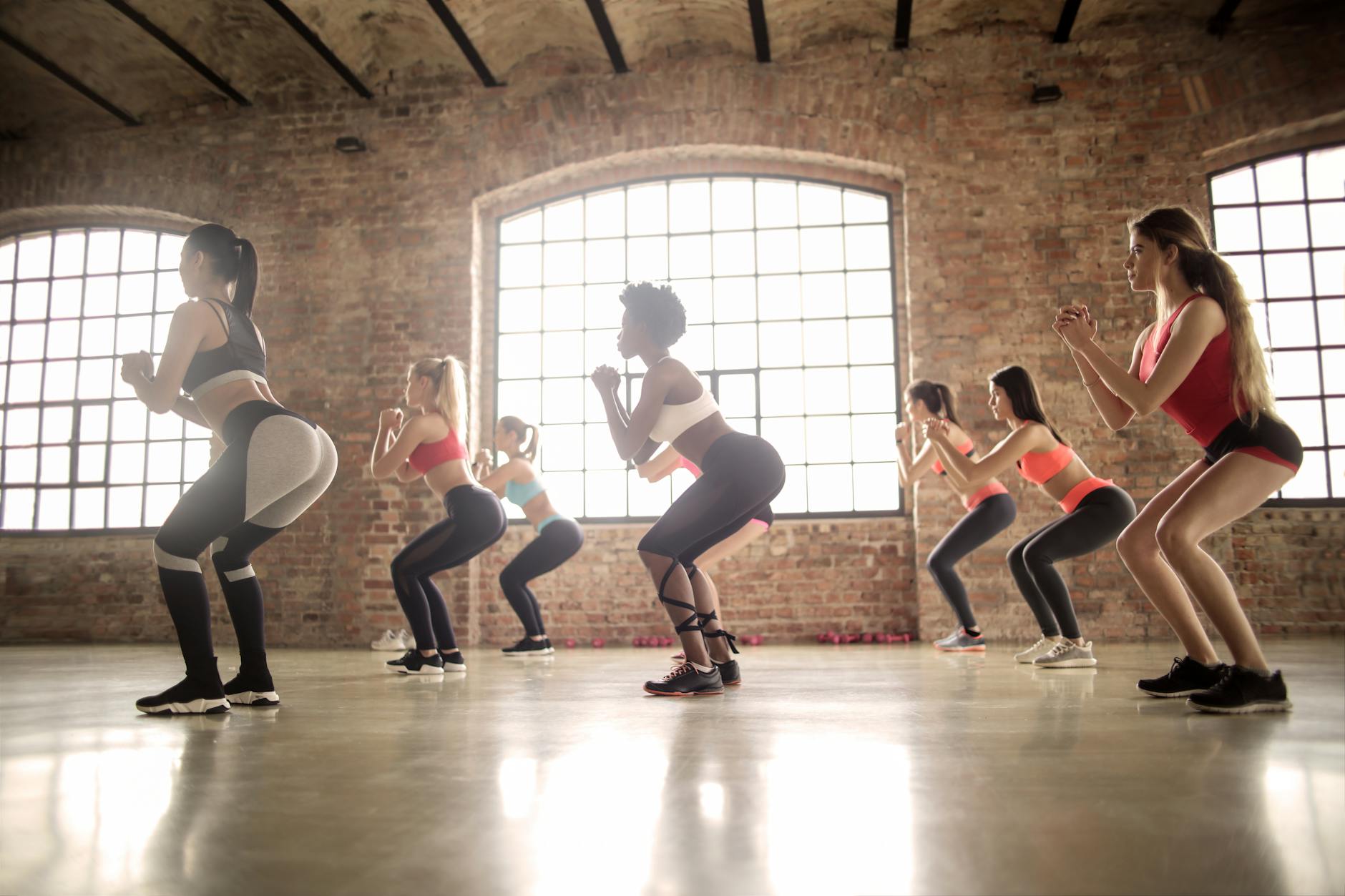
The number of calories you burn during a Zumba class depends on a handful of measurable factors, and the range is wider than most people expect. Research sponsored by the American Council on Exercise found that participants burned an average of 369 calories in just 39 minutes, which works out to roughly 9.5 calories per minute. Scale that to a full hour and most people land somewhere between 400 and 550 calories, though the total range across all body types and intensity levels spans 300 to 900 calories per hour. That gap is not random.
It comes down to specific, identifiable variables you can actually influence. A 180-pound person dancing at full effort in a jump-heavy class set to fast music will burn dramatically more than a 130-pound person taking it easy in a low-impact session. The difference can easily be double. Understanding what drives that gap lets you stop guessing and start making informed decisions about how Zumba fits into your cardio routine. This article breaks down each factor, from body weight and workout intensity to music tempo, class format, age, and fitness level, so you know exactly where your burn falls and what you can do to shift it.
Table of Contents
- What Are the Biggest Factors That Affect Your Zumba Calorie Burn Rate?
- How Music Tempo and Instructor Style Change Your Calorie Expenditure
- How Body Composition and Metabolism Influence Results
- Choosing the Right Zumba Format to Maximize or Moderate Your Burn
- Why Calorie Burn Claims Are Often Misleading
- How Class Duration and Frequency Affect Total Weekly Burn
- What Experienced Exercisers Should Know About the Efficiency Paradox
- Conclusion
- Frequently Asked Questions
What Are the Biggest Factors That Affect Your Zumba Calorie Burn Rate?
Two variables tower above everything else: your body weight and how hard you actually work. Larger bodies require more energy to move through the same choreography, and the math is straightforward. A 20-kilogram (roughly 44-pound) difference in body weight can shift total calorie burn by 25 to 30 percent. A person weighing 90 kilograms will burn substantially more than someone weighing 70 kilograms doing the exact same routine at the exact same effort level. This is not unique to zumba. It is basic exercise physiology.
But it matters here because Zumba marketing often quotes a single calorie number without acknowledging this spread. Effort is the other dominant variable, and it is arguably the one you have the most control over. How deeply you bend your knees, how high you jump, how far you extend your arms, and whether you commit to full range of motion on every movement all compound across an hour-long class. Two people standing next to each other in the same session can have wildly different calorie burns simply because one of them is giving 60 percent effort while the other is at 90 percent. University exercise science research has shown that Zumba burns more calories than cardio kickboxing, step aerobics, hooping, and power yoga, but only when participants are actually pushing themselves. If you coast through the choreography, that advantage disappears.

How Music Tempo and Instructor Style Change Your Calorie Expenditure
Music tempo is a factor people rarely think about, but it directly drives movement speed and heart rate. Faster tracks force quicker footwork, more rapid transitions, and higher sustained heart rates. Research indicates that faster music can boost calorie expenditure by 15 to 20 percent compared to slower-paced routines. This is one reason two Zumba classes at different studios can feel like entirely different workouts. An instructor who programs a playlist heavy on 130-plus BPM tracks is creating a fundamentally more demanding session than one who favors 100 BPM reggaeton.
Instructor style compounds this effect. A class built around high jumps, explosive directional changes, and continuous movement with minimal rest will burn far more than a class emphasizing body rolls, slow hip circles, and frequent water breaks. However, if you are recovering from a joint injury or are new to exercise, that high-intensity jump-focused class may not be sustainable or safe for you. The calorie burn advantage only works if you can actually maintain it for the full session. burning 600 calories per hour means nothing if you have to stop at the 20-minute mark. Matching the class style to your current fitness level matters more than chasing the highest possible burn rate.
How Body Composition and Metabolism Influence Results
Body weight alone does not tell the full story. Two people at the same weight can have different calorie burns based on their body composition. Muscle tissue is more metabolically active than fat tissue, so a person carrying more lean mass will have a higher resting metabolic rate and will burn more calories during the same activity. This is one reason strength-trained individuals often see higher calorie numbers on heart rate monitors during cardio sessions than untrained individuals of similar weight. Age plays into this as well. Metabolic rate declines with age, partly due to the natural loss of muscle mass that begins in the 30s and accelerates after 50.
A 25-year-old and a 55-year-old at the same weight and effort level will not burn identical calories. Genetics add another layer of variability that no one can control. Some people are simply more metabolically efficient, meaning they burn fewer calories to produce the same movement. This is not a flaw. It is biology. The practical takeaway is that calorie estimates from fitness trackers and online calculators are approximations. For a specific example, two women both weighing 70 kilograms, one aged 28 with a strength training background and the other aged 52 who is primarily sedentary, could see a difference of 80 to 120 calories over the same one-hour Zumba class, even at matched effort levels.
Choosing the Right Zumba Format to Maximize or Moderate Your Burn
Not all Zumba classes are created equal, and the format you choose has a measurable impact on calorie expenditure. High-intensity formats like Zumba Toning and Strong Nation sit at the top of the burn spectrum, typically producing 550 to 600 calories per hour for a 70-kilogram person. Zumba Toning incorporates lightweight resistance through maraca-like toning sticks, adding a strength component that elevates energy cost. Strong Nation, formerly known as Strong by Zumba, is structured around high-intensity interval training principles rather than pure dance, which pushes heart rate into higher zones more frequently.
On the other end, Aqua Zumba takes the choreography into a pool, which reduces joint impact but also changes the calorie equation. Water resistance adds effort to every movement, but buoyancy reduces the energy cost of supporting your body weight. The net result is typically a moderate burn, lower than land-based high-intensity formats but more sustainable for people with joint limitations. The tradeoff is real: if your primary goal is maximum calorie burn per minute, land-based high-intensity formats win. If your goal is consistency and longevity in a program you can stick with three to four times per week without joint pain, a lower-intensity format that you actually attend regularly will outperform a high-intensity format you skip because your knees hurt.
Why Calorie Burn Claims Are Often Misleading
The fitness industry has a credibility problem with calorie claims, and Zumba is not immune. You will find articles and social media posts claiming Zumba burns 1,000 calories per hour. For the vast majority of people, this is not realistic. The evidence-backed range for a typical participant in a standard 60-minute class is 400 to 550 calories. Even at the extreme high end, with a large person working at maximum effort in a high-intensity format, 900 calories per hour represents the ceiling, not the norm.
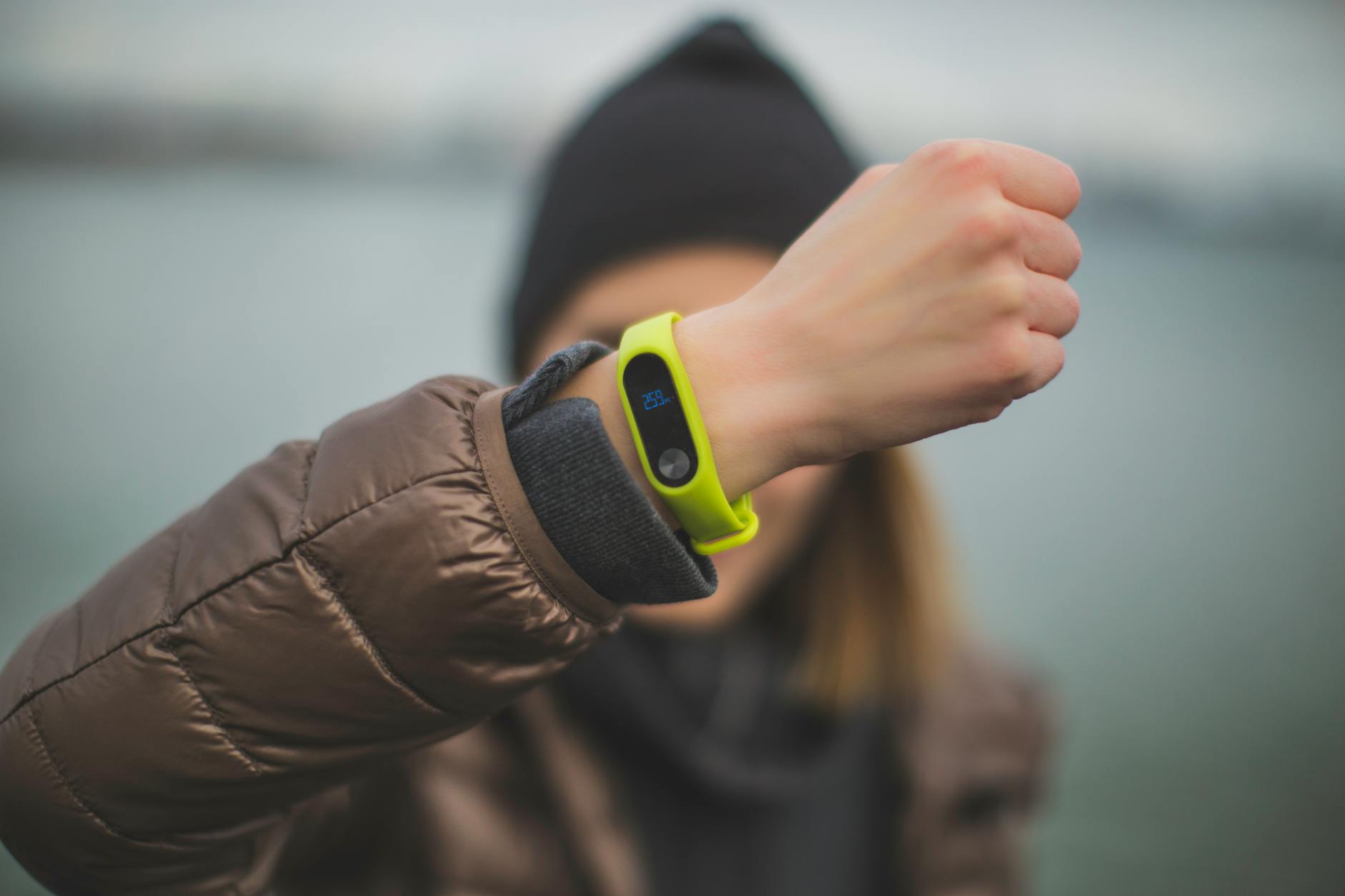
Wrist-based fitness trackers add to the confusion. Zumba involves a lot of arm movement, which can cause wrist-worn devices to overestimate calorie burn by 20 to 40 percent. A chest-strap heart rate monitor will give you a more reliable number, though even those have margins of error. The ACE-sponsored study that measured an average of 369 calories in 39 minutes used metabolic testing equipment in a laboratory setting, which is far more accurate than any consumer device. If your watch tells you that you burned 800 calories in a Zumba class and you weigh 65 kilograms, that number is almost certainly inflated. Building a nutrition plan around inflated burn numbers is one of the most common reasons people do not see expected weight loss results from exercise programs.
How Class Duration and Frequency Affect Total Weekly Burn
Longer classes obviously burn more total calories, but the relationship is not perfectly linear. Fatigue accumulates, effort tends to drop in the final 15 minutes, and form deterioration reduces the calorie cost of each movement. A 60-minute class does not burn exactly 50 percent more than a 40-minute class if your intensity drops significantly in the back half.
For a practical example, if you burn 9.5 calories per minute in the first 39 minutes as the ACE study showed, but your output drops to 7 calories per minute for the remaining 21 minutes of an hour-long class, your total comes to about 517 calories rather than the 570 you would calculate by simply multiplying 9.5 by 60. Frequency matters more than duration for long-term results. Three 45-minute sessions per week at high effort will produce better cardiovascular adaptations and higher total weekly calorie expenditure than one 90-minute session at moderate effort. The consistency factor is underrated in every discussion about exercise calorie burn.
What Experienced Exercisers Should Know About the Efficiency Paradox
There is a counterintuitive dynamic at play for people who do Zumba regularly over months and years. As your cardiovascular fitness improves and your body becomes more efficient at the choreography, you burn fewer calories doing the same routine at the same perceived effort. Your heart rate stays lower, your muscles use oxygen more efficiently, and movements that once challenged you become automatic. This is a sign of genuine fitness improvement, but it works against calorie burn. The solution is progressive challenge.
Experienced participants need to deliberately increase intensity, seek out harder class formats, add resistance through toning sticks or ankle weights, or supplement Zumba with other training modalities. Newer exercisers may fatigue faster, but they are also getting a larger calorie burn per minute relative to their fitness level because everything is novel and demanding. Over time, the stimulus has to evolve or the returns diminish. This is not a flaw in Zumba. It is how all exercise adaptation works.
Conclusion
The factors that determine your Zumba calorie burn are not mysterious. Body weight, effort level, music tempo, class format, age, body composition, and fitness level all interact to produce a number that falls somewhere in the 300 to 900 calorie per hour range for most people, with 400 to 550 being the realistic middle ground for a standard class. The ACE research confirming an average of 369 calories in 39 minutes gives you a credible baseline, and you can adjust your expectations from there based on where you fall on each variable.
The most actionable insight is that effort is the factor you control most directly. A person who commits to full range of motion, deep bends, high jumps, and sustained intensity will always outburn someone who goes through the motions at the same body weight. Choose a class format and instructor style that matches your goals, track your progress with a chest-strap heart rate monitor if accuracy matters to you, and resist the temptation to trust inflated calorie claims from wrist trackers or social media. Zumba is a legitimate cardiovascular workout backed by real research, and understanding what drives the numbers lets you use it effectively rather than hopefully.
Frequently Asked Questions
How many calories does a typical Zumba class actually burn?
Most people burn between 400 and 550 calories in a standard 60-minute class. The ACE-sponsored study found an average of 369 calories in 39 minutes, or about 9.5 calories per minute. Your specific number depends on your body weight, effort level, and the class format.
Does Zumba burn more calories than other group fitness classes?
University exercise science research indicates that Zumba burns more calories than cardio kickboxing, step aerobics, hooping, and power yoga. However, this assumes comparable effort levels. A half-hearted Zumba session will not outburn an intense kickboxing class.
Can you really burn 1,000 calories in one Zumba class?
For the vast majority of people, no. The evidence-backed range tops out around 900 calories per hour at the extreme high end, which requires a larger body size, maximum sustained effort, and a high-intensity format. Claims of 1,000-plus calories per hour are generally not supported by controlled research.
Why does my fitness tracker show a different number than what studies report?
Wrist-based trackers tend to overestimate calorie burn during Zumba because the extensive arm movements inflate motion-based readings. Chest-strap heart rate monitors are more accurate. The ACE study used laboratory-grade metabolic equipment, which is the gold standard for measurement.
Which Zumba format burns the most calories?
High-intensity formats like Zumba Toning and Strong Nation typically burn the most, around 550 to 600 calories per hour for a 70-kilogram person. These incorporate resistance elements or interval training structures that push heart rate higher than standard Zumba choreography.
4 thoughts on “Factors That Affect Zumba Calorie Burn Rates”
Comments are closed.