A standard 60-minute Zumba class burns between 400 and 600 calories, making it one of the most efficient group fitness formats for anyone chasing a serious calorie deficit without the monotony of a treadmill. According to a 2012 study sponsored by the American Council on Exercise and conducted at the University of Wisconsin-La Crosse, participants burned an average of 369 calories in just 39 minutes — roughly 9.5 calories per minute — which projects to approximately 570 calories over a full hour-long session. Most participants land somewhere in the 400 to 550 calorie range, meaning that hitting the 400-calorie mark is not an aspirational target but a realistic baseline for the majority of people who show up and actually move.
That 400-calorie figure matters because ACE recommends about three weekly exercise sessions that each burn between 300 and 400 calories as a sustainable strategy for long-term weight management. A single Zumba class meets or exceeds that threshold, which means two to three sessions per week can create a meaningful dent in the roughly 3,500-calorie deficit required to lose one pound of body fat. For someone who dreads the gym but enjoys music and movement, that math changes the equation entirely. This article breaks down exactly why Zumba is so effective at burning calories, what the research says about heart rate and intensity, which personal factors raise or lower your burn, and how to structure your sessions to consistently hit that 400-calorie mark or higher.
Table of Contents
- Why Does a Zumba Workout Burn So Many Calories Compared to Other Group Classes?
- What Does the Science Say About Heart Rate and Intensity During Zumba?
- How Body Weight and Personal Factors Change Your Calorie Burn
- How to Structure Your Zumba Sessions to Consistently Hit 400 Calories
- Common Mistakes That Reduce Your Calorie Burn Without You Realizing It
- How Zumba Compares to Running for Calorie Burn and Joint Health
- The Future of Dance-Based Fitness and Where Zumba Fits In
- Conclusion
Why Does a Zumba Workout Burn So Many Calories Compared to Other Group Classes?
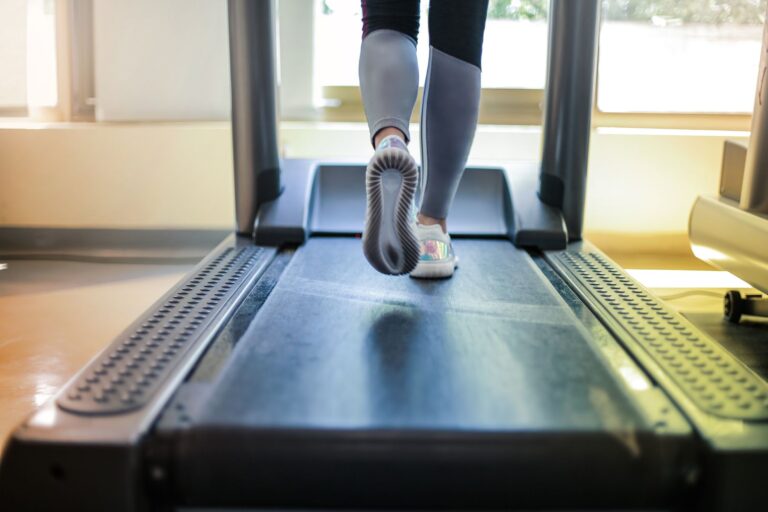
Zumba’s calorie advantage over other popular group fitness formats comes down to its structure as an interval workout. Unlike steady-state cardio such as jogging at a fixed pace, a Zumba class alternates between high-intensity dance sequences — think fast salsa or reggaeton tracks — and lower-intensity recovery periods with slower merengue or cumbia rhythms. This interval approach forces your body to repeatedly ramp up and recover, which burns more total calories than maintaining a single moderate effort for the same duration. The ACE-sponsored study confirmed that Zumba burns more calories per minute than power yoga, cardio kickboxing, step aerobics, and advanced Pilates group classes. To put this in perspective, consider two people spending the same hour at the gym. One jogs at a steady 5 miles per hour on the treadmill and burns roughly 400 to 500 calories depending on body weight.
The other takes a Zumba class and burns a comparable 400 to 600 calories — but with lower joint impact and, according to research, significantly higher enjoyment ratings. The jogger is watching a clock. The Zumba participant is watching an instructor and trying to nail a turn pattern. The distraction factor is not trivial; people who enjoy their workouts show up more consistently, and consistency is what ultimately drives results. The interval nature of Zumba also produces a modest afterburn effect, where your metabolism stays elevated after the session ends. While this post-exercise calorie burn is not as dramatic as some fitness marketing would suggest, it does add a small but real bonus on top of the calories you torch during the class itself.
What Does the Science Say About Heart Rate and Intensity During Zumba?
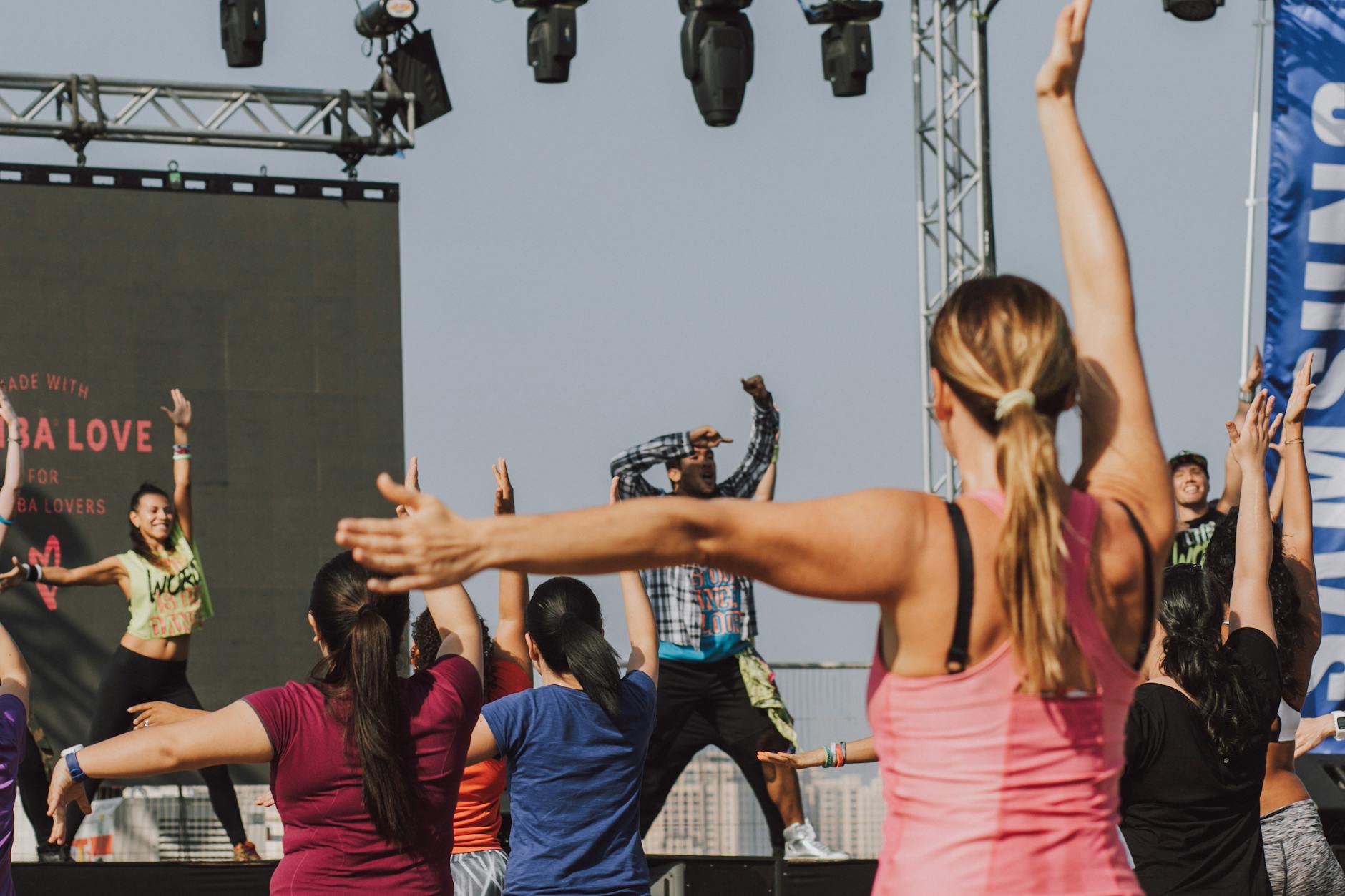
The Wisconsin-La Crosse study provided some of the most concrete physiological data available on Zumba. Among the 19 healthy female participants aged 18 to 22, every single one reached at least 80 percent of her maximum heart rate during the session, with the group averaging 154 beats per minute. That intensity level sits squarely within the range that exercise science considers effective for improving cardiovascular fitness — not just burning calories in the moment, but actually strengthening the heart and improving aerobic capacity over time. For context, the American Heart Association generally recommends a target heart rate zone of 50 to 85 percent of your maximum during moderate to vigorous exercise. Zumba participants in the study were consistently training at the upper end of that zone, which explains both the high calorie burn and the cardiovascular benefits.
If you wear a heart rate monitor during class, you would likely see your heart rate spike during fast-tempo tracks and dip during cooldown sections, creating the classic sawtooth pattern of interval training. However, there is a limitation worth noting. The study participants were young, healthy women in their late teens and early twenties. If you are significantly older, have a lower baseline fitness level, or are dealing with cardiovascular conditions, your heart rate response and calorie burn may differ. Someone who is new to exercise might hit 80 percent of their max heart rate more quickly but may also need to modify movements or take more breaks, which could reduce total calorie expenditure. The 400-calorie target is achievable for most people, but your individual results will depend on how hard you can safely push within the class format.
How Body Weight and Personal Factors Change Your Calorie Burn
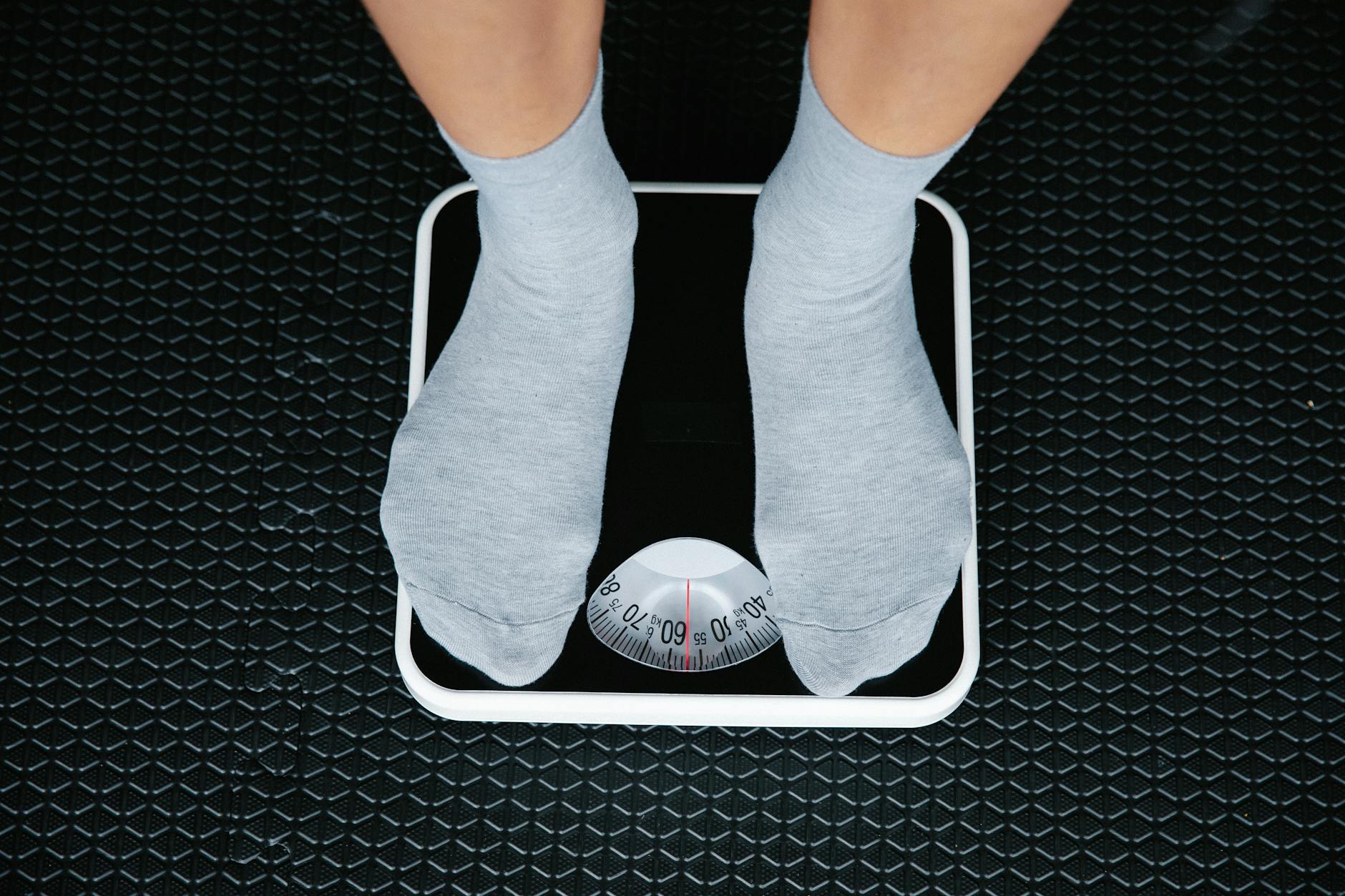
Body weight is the single largest variable that determines how many calories you burn during any physical activity, and Zumba is no exception. According to data from FitLifeRegime, a difference of just 20 kilograms — about 44 pounds — can shift your calorie expenditure by 25 to 30 percent. A person weighing 180 pounds will burn substantially more calories performing the same choreography as someone weighing 130 pounds, simply because moving a heavier body requires more energy. This is why the overall range for Zumba spans from 300 to 900 calories per hour; the spectrum is wide because people are wide-ranging in size, fitness level, and effort. Consider a specific example. A 140-pound woman who follows along at moderate intensity might burn around 350 to 420 calories in a 60-minute class.
A 200-pound man performing the same routines with full range of motion and maximum effort could easily hit 550 to 650 calories. Neither person is doing anything wrong — their bodies simply have different energy demands. If you are on the lighter side and want to ensure you crack 400 calories, you will need to focus on maximizing your effort and range of motion rather than simply showing up and going through the motions. Age and fitness level also play a role. As you become more conditioned, your body becomes more efficient at performing familiar movements, which can actually reduce calorie burn over time. Someone who has attended Zumba classes three times a week for two years may burn fewer calories per session than they did in their first month, assuming the same class format. This is not a flaw — it is a sign of improved fitness — but it does mean that long-term participants may need to seek out higher-intensity class variations or supplement with other training to maintain the same calorie deficit.
How to Structure Your Zumba Sessions to Consistently Hit 400 Calories
If your goal is to reliably burn at least 400 calories per Zumba session, the most straightforward lever you can pull is class duration. A 60-minute class at moderate to high effort will get most people to 400 calories without any special tactics. However, many studios and gyms offer 45-minute express classes, which may leave lighter or more efficient exercisers short of the mark. If your gym only offers shorter classes, consider arriving early to warm up with your own high-intensity movements or staying after for a 10 to 15 minute finisher of bodyweight exercises like jump squats or burpees. Music tempo is another factor that is easy to overlook but surprisingly impactful. Research from FitLifeRegime indicates that faster music naturally increases movement speed and heart rate, boosting calorie expenditure by 15 to 20 percent.
Not all Zumba classes are created equal in this regard. Some instructors favor slower, more technique-focused playlists, while others run high-tempo track lists that keep your heart rate elevated throughout. If you have a choice of instructors, try several and note which ones leave you most winded — that is probably your best calorie-burning option. The tradeoff here is between sustainability and intensity. A class that pushes you to your absolute limit every time may produce higher single-session calorie burns, but it also increases your risk of burnout or injury. ACE’s recommendation of three sessions per week burning 300 to 400 calories each is deliberately moderate. You are better off attending three enjoyable classes per week at a solid effort than attending one brutal class and then skipping the rest of the week because your knees hurt or you simply do not feel like going back.
Common Mistakes That Reduce Your Calorie Burn Without You Realizing It
The most common way people sabotage their Zumba calorie burn is by standing in the back and doing half-movements. Zumba choreography typically includes full-body actions — arm raises, deep lunges, jumps, and hip rotations — but it is easy to strip these down to small, timid gestures when you are self-conscious or unfamiliar with the routine. The difference between a full overhead arm extension and a halfhearted shoulder shrug might seem minor, but across hundreds of repetitions over an hour, it adds up to a significant calorie gap. If you are not sweating heavily by the 15-minute mark, you are probably leaving calories on the table. Another overlooked issue is overestimation. Fitness trackers and heart rate monitors vary widely in accuracy, and many tend to overreport calorie burn during dance-based workouts because of the arm movements that can be misinterpreted as steps or higher exertion.
If your watch says you burned 600 calories but you spent a meaningful portion of the class standing still during transitions or water breaks, the real number is likely lower. Use tracker data as a general guide rather than a precise measurement, and do not use an inflated calorie number to justify overeating afterward — a mistake that commonly undermines weight loss efforts regardless of the exercise type. There is also a ceiling effect to be aware of. While Zumba is excellent for general fitness and calorie burning, it is not a progressive overload activity in the way that strength training is. Your muscles will adapt to the movement patterns, and without added resistance or new challenges, the metabolic demand of each session will gradually decline. Supplementing Zumba with two days of basic strength training — even just bodyweight exercises — can help maintain lean muscle mass, keep your resting metabolism higher, and ensure that your Zumba sessions continue to deliver meaningful calorie burns over the long term.

How Zumba Compares to Running for Calorie Burn and Joint Health
For readers of a running and cardio-focused site, the natural question is whether Zumba can replace or supplement running as a calorie-burning tool. The numbers are close: moderate jogging at around 5 to 6 miles per hour burns roughly 400 to 600 calories per hour for most people, and a Zumba class falls in the same range. The key difference is impact.
Running generates ground reaction forces of roughly two to three times your body weight with every stride, which accumulates over thousands of steps per session. Zumba involves lateral movement, pivoting, and jumping, but much of the choreography keeps at least one foot on the ground, reducing repetitive impact on the knees and hips. For runners dealing with shin splints, IT band issues, or joint soreness, swapping one or two weekly runs for Zumba classes can maintain cardiovascular fitness and calorie expenditure while giving overworked joints a break. It is not a perfect substitute — Zumba will not build the sport-specific endurance needed for race performance — but as a cross-training tool for general fitness and weight management, it holds up remarkably well against steady-state running.
The Future of Dance-Based Fitness and Where Zumba Fits In
Zumba has been around since the early 2000s, and while newer dance fitness brands have entered the market, the core appeal remains unchanged: an accessible, music-driven workout that burns serious calories without requiring any equipment or prior experience. The growing availability of on-demand and livestream Zumba classes means that the format is no longer limited to people who live near a participating gym. Home workouts using streaming platforms can replicate the calorie burn of an in-person class, though the energy of a live group setting tends to push people harder than solo sessions do.
As wearable fitness technology improves and more people track their workouts with heart rate monitors, the data on Zumba’s effectiveness will only become more granular and personalized. The fundamentals, however, are unlikely to change. Moving your entire body to fast music for an hour burns a lot of calories. That has always been true, and no amount of fitness industry trend-chasing will make it less true.
Conclusion
Burning 400 calories in a single Zumba session is not just possible — it is the expected outcome for most people who commit to a full 60-minute class with genuine effort. The ACE-backed research confirms that the format delivers real cardiovascular benefits at heart rates above 80 percent of maximum, outperforms several other popular group fitness classes in calories burned per minute, and aligns perfectly with expert recommendations for sustainable, long-term weight management. Your individual results will vary based on body weight, effort level, and class intensity, but the 400-calorie floor is well within reach for the majority of participants.
If you are looking to add Zumba to your routine, start with two to three classes per week and pair them with basic strength training on alternate days. Choose instructors who favor high-tempo playlists, commit to full range of motion on every movement, and use a heart rate monitor to keep yourself honest about your effort. The math is straightforward: consistent 400-calorie sessions, repeated several times per week, create the kind of sustained calorie deficit that produces real and lasting changes in body composition.