A fast-paced Zumba routine burns roughly 9.5 calories per minute, which adds up to approximately 369 calories over a standard 39-minute class. That figure comes from a 2012 study sponsored by the American Council on Exercise and conducted at the University of Wisconsin-La Crosse, where 19 healthy females aged 18 to 22 were monitored during a full Zumba session. For a 30-minute high-intensity session, expect to burn somewhere between 283 and 405 calories depending on your body weight and how hard you push. Over a full hour, the range widens considerably — from 300 to 900 calories — because variables like body composition, fitness level, and genetics start to matter more as the clock runs longer. Those numbers put Zumba in a surprisingly competitive spot among group fitness classes. The same ACE-sponsored research found that Zumba exceeded the calorie burns recorded for kickboxing, step aerobics, and power yoga when measured over the same duration.
That is a meaningful finding for anyone who has dismissed Zumba as more party than workout. If you weigh around 125 pounds and attend a 45-minute high-intensity class, you can expect to burn roughly 380 calories. Drop the intensity to a moderate pace and that number settles closer to 335 calories. Either way, it is a legitimate cardiovascular training session. This article breaks down the research behind those calorie figures, explains what drives the variation in burn rates, compares Zumba to other cardio options, and offers practical guidance on how to get the most out of every session. Whether you are considering Zumba as a complement to your running routine or as a standalone cardio workout, the data is worth understanding before you step into your first class.
Table of Contents
- How Many Calories Does a Fast-Paced Zumba Routine Actually Burn?
- The Cardiovascular Science Behind Zumba’s Calorie Burn
- How Zumba Compares to Running and Other Cardio Workouts
- How to Maximize Your Calorie Burn in a Zumba Class
- Why Calorie Burn Varies So Much Between Individuals
- Using Zumba as Part of a Structured Cardio Program
- The Evolving Role of Dance-Based Cardio in Fitness
- Conclusion
How Many Calories Does a Fast-Paced Zumba Routine Actually Burn?
The short answer depends on how long you dance and how much you weigh, but the research gives us a solid baseline. The ACE study measured an average burn of 9.5 calories per minute across a 39-minute class, landing at approximately 369 calories total. That per-minute rate is notable because it sits well above the threshold that exercise scientists consider effective for weight management and cardiovascular improvement. For context, a moderate-pace jog for the same 39 minutes would burn roughly 300 to 350 calories for a similar-weight individual, which means Zumba holds its own against traditional steady-state cardio. The 30-minute range of 283 to 405 calories reflects the reality that not everyone moves the same way in a Zumba class. A 140-pound person who fully extends every arm movement, drops deep into every squat, and keeps up with the instructor’s fastest transitions will land near the top of that range.
A lighter person who takes a more reserved approach will sit closer to the bottom. Neither outcome is a failure. The range simply reflects the biological math of energy expenditure, where mass moved through space and the speed of that movement determine calorie cost. Where things get interesting is at the one-hour mark. The reported range of 300 to 900 calories for a 60-minute session is wide enough to raise eyebrows, but it accounts for the full spectrum of participants — from a 120-pound beginner pacing herself through unfamiliar choreography to a 200-pound experienced dancer attacking every movement at full amplitude. A person weighing 125 pounds working at high intensity for 45 minutes lands at roughly 380 calories, which is a useful benchmark for planning your weekly calorie deficit if weight loss is part of your goal.

The Cardiovascular Science Behind Zumba’s Calorie Burn
calorie burn during exercise is directly tied to cardiovascular intensity, and Zumba performs well on that front according to the research. Participants in the ACE study averaged 64 percent of their VO2max during the class, which falls squarely within the 40 to 85 percent range that exercise physiologists recommend for improving cardiovascular endurance. That means Zumba is not just burning calories in the moment — it is conditioning your heart and lungs in a way that yields long-term fitness benefits. One finding from the study that deserves attention is that both fit and less-fit participants reached heart rates in the cardio-improvement zone. This matters because many group fitness formats unintentionally cater to one end of the fitness spectrum. A spin class set at a fixed resistance, for example, may leave a deconditioned participant gasping while barely challenging a trained cyclist.
Zumba’s structure appears to sidestep this problem. The self-paced nature of dance-based movement allows individuals to scale intensity naturally — bigger movements for more challenge, smaller movements for recovery — without feeling like they are falling behind or holding back the group. However, if your primary goal is maximizing VO2max improvement rather than general cardiovascular fitness, there is a limitation worth noting. Averaging 64 percent of VO2max is excellent for moderate-intensity cardio training, but it sits below the 80 to 90 percent threshold typically prescribed for high-intensity interval training aimed at pushing aerobic ceiling. Runners training for race performance may find that Zumba supplements but does not replace dedicated interval work on the track or treadmill. It is a strong aerobic base builder, not a peak performance tool.
How Zumba Compares to Running and Other Cardio Workouts
Runners often evaluate cross-training options through the lens of calorie efficiency, and Zumba holds up better than most people expect. At 9.5 calories per minute, it outpaced kickboxing, step aerobics, and power yoga in the ACE study when measured over the same session length. Running at a moderate pace of around 5 miles per hour burns roughly 8 to 10 calories per minute for a 150-pound person, which puts Zumba in a nearly identical range. The difference is that running is high-impact and repetitive, while Zumba distributes stress across multiple movement planes and muscle groups. Consider a practical example. A 155-pound runner logging three miles in 30 minutes at a 10-minute-per-mile pace burns approximately 300 calories. That same person attending a 30-minute fast-paced Zumba class could burn between 283 and 405 calories.
The overlap is significant. For runners dealing with shin splints, IT band issues, or general fatigue from weekly mileage, swapping one run per week for a zumba session can maintain calorie expenditure while reducing repetitive joint loading. The lateral movements, hip rotations, and arm work in Zumba also engage muscle groups that running largely ignores, which can help address imbalances that contribute to overuse injuries. Where running pulls ahead is in specificity. If you are training for a half marathon, nothing replaces actual running volume. Zumba will keep your cardiovascular system engaged on a recovery day, but it will not build the neuromuscular patterns or running economy that race preparation demands. The best use case for most runners is treating Zumba as an active recovery or cross-training tool — not a replacement for structured run workouts.

How to Maximize Your Calorie Burn in a Zumba Class
The difference between burning 283 calories and 405 calories in the same 30-minute class comes down to effort and technique, both of which are largely within your control. The single most impactful adjustment is movement amplitude. Extending your arms fully on every reach, deepening your squats, and adding height to your jumps increases the total work your muscles perform per movement. A half-hearted arm swing and a full overhead extension may look similar from across the room, but the energy cost difference is substantial. Pacing is the second major lever. Many Zumba classes alternate between high-energy tracks and slower recovery songs. During the fast-paced segments, commit fully to the tempo rather than simplifying the choreography to keep up.
It is better to perform the correct movement at full speed with some imperfection than to execute a stripped-down version cleanly. Your heart rate does not care about choreographic precision — it responds to how fast and how forcefully your muscles are contracting. There is a tradeoff worth acknowledging here. Pushing intensity in every class increases calorie burn but also increases recovery demands. If you are attending Zumba three or four times per week, going all-out in every session can lead to cumulative fatigue that undermines consistency. A more sustainable approach is to designate one or two sessions per week as high-intensity efforts and treat the others as moderate-paced cardio. This mirrors the hard-easy training principle that runners use to balance fitness gains with recovery, and it tends to produce better long-term adherence than a constant redline approach.
Why Calorie Burn Varies So Much Between Individuals
The 300-to-900-calorie range for a one-hour Zumba session is not a sign of unreliable data. It reflects the reality that human bodies differ dramatically in how they process energy during exercise. Body weight is the most straightforward factor — a 200-pound person performing the same movements as a 130-pound person will burn significantly more calories because they are moving more mass through space against gravity. This is simple physics, and no amount of effort from the lighter person can fully close that gap. Age and baseline fitness introduce additional variability. A 45-year-old with a lower resting metabolic rate will burn fewer calories during the same workout than a 22-year-old with identical body weight, all else being equal.
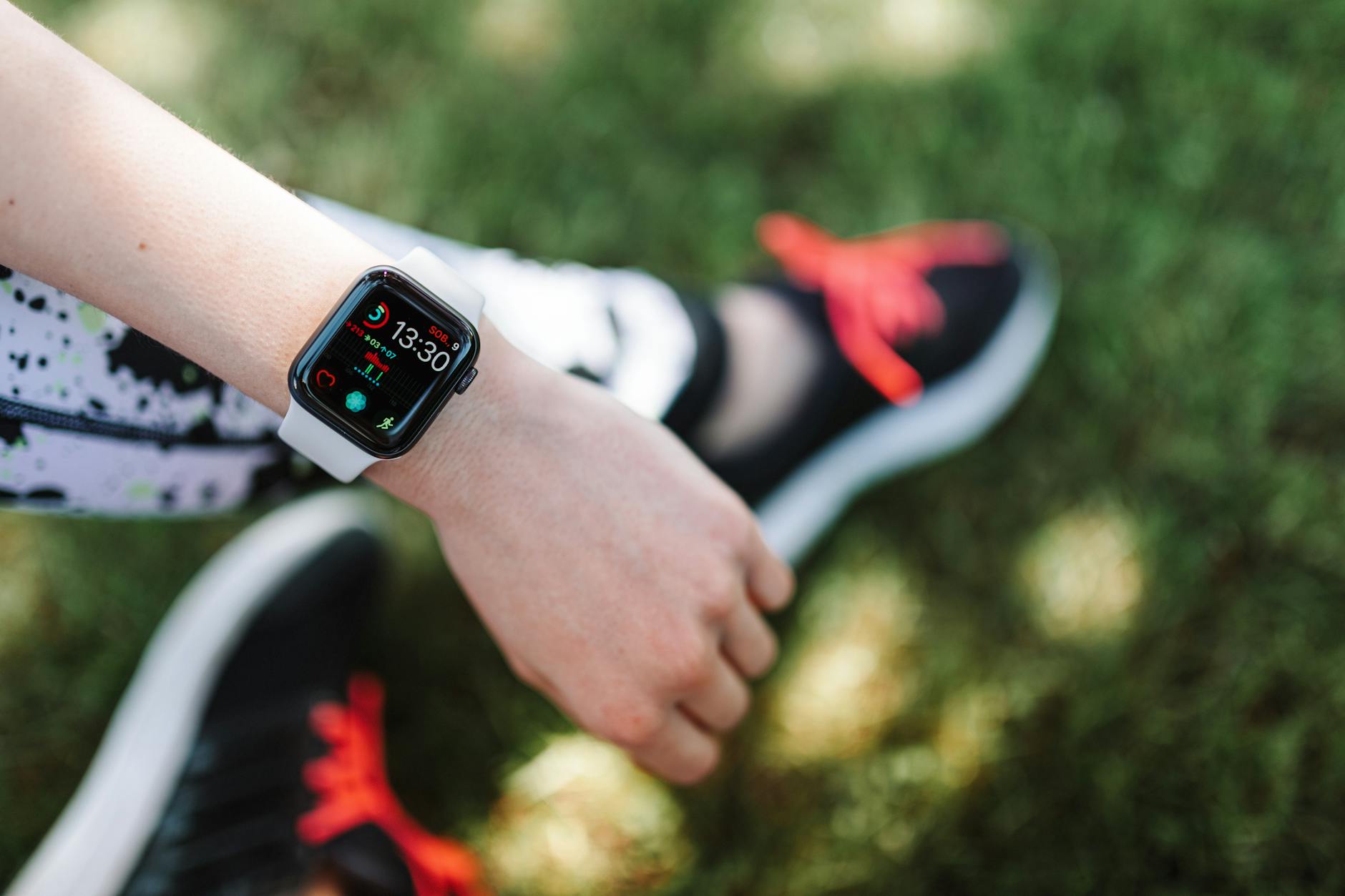
Fitness level also matters in a counterintuitive way: as your cardiovascular system becomes more efficient through training, your body performs the same work at a lower metabolic cost. This means a Zumba veteran may actually burn fewer calories per session than a newcomer of the same weight, because their heart and muscles have adapted to the demands. Genetics round out the picture in ways that are difficult to quantify but real nonetheless. Individual differences in muscle fiber composition, hormonal profiles, and mitochondrial density all influence how efficiently your body converts stored energy into movement. The practical takeaway is that calorie burn estimates — including those from fitness trackers and heart rate monitors — should be treated as useful approximations rather than precise measurements. If your tracker says you burned 400 calories in a Zumba class, the true number could reasonably be 340 or 460. Plan your nutrition and training accordingly, with some margin built in.
Using Zumba as Part of a Structured Cardio Program
For someone building a weekly cardio routine around running, Zumba fits naturally into the cross-training slot. A sample week might include three running sessions — one tempo run, one interval session, and one easy long run — with one or two Zumba classes filling the gaps. A 125-pound person attending two 45-minute high-intensity Zumba sessions per week adds roughly 760 calories of expenditure beyond their running volume, along with multi-directional movement that strengthens stabilizing muscles in the hips and core.
The key is placement. Scheduling Zumba the day before a hard interval session is a poor choice because residual fatigue from the dance workout can compromise your ability to hit target paces on the track. A better arrangement puts Zumba on the day after a hard run, when your legs benefit from active movement without the pounding of another run. This sequencing respects the body’s recovery needs while keeping weekly calorie expenditure and cardiovascular stimulus consistently high.
The Evolving Role of Dance-Based Cardio in Fitness
Dance-based fitness has moved well beyond its novelty phase. The ACE study provided the kind of controlled, peer-reviewed data that gives Zumba credibility in conversations about evidence-based exercise programming. As wearable technology improves and more participants track their sessions with reliable heart rate monitors, the dataset around Zumba’s physiological demands will only grow more precise.
Early indications from gym-level aggregate data suggest that experienced Zumba participants sustain higher average heart rates than the ACE study’s mean, likely because familiarity with choreography allows them to push intensity rather than spending mental energy on learning movements. For runners and endurance athletes, the broader trend toward recognizing dance-based cardio as legitimate training is a net positive. It expands the toolkit for maintaining fitness during injury recovery, adds variety that combats the psychological staleness of repetitive training, and provides a genuine cardiovascular stimulus backed by published research. The 9.5-calories-per-minute figure from the ACE study is not a marketing claim — it is a measured outcome that earns Zumba a seat at the table alongside more traditional cardio modalities.
Conclusion
A fast-paced Zumba routine is a legitimate calorie-burning workout, with research supporting an average of 9.5 calories per minute and session totals ranging from roughly 283 to 405 calories in 30 minutes depending on body weight and effort. The cardiovascular demands — averaging 64 percent of VO2max — place it firmly in the zone recommended for improving heart and lung function, and the ACE study confirmed that both fit and less-fit individuals achieve meaningful training stimulus. For runners, Zumba offers a practical cross-training option that maintains calorie expenditure while reducing the repetitive impact loading that accumulates during high-mileage weeks. The most important variable in determining your personal calorie burn is one you control: effort.
Movement amplitude, pacing, and consistency across the session matter more than any demographic factor. If you are considering adding Zumba to your routine, start with one session per week, focus on full-range movement rather than perfect choreography, and treat it as complementary to your primary cardio training rather than a replacement. The research supports the workout. The results depend on what you bring to the floor.